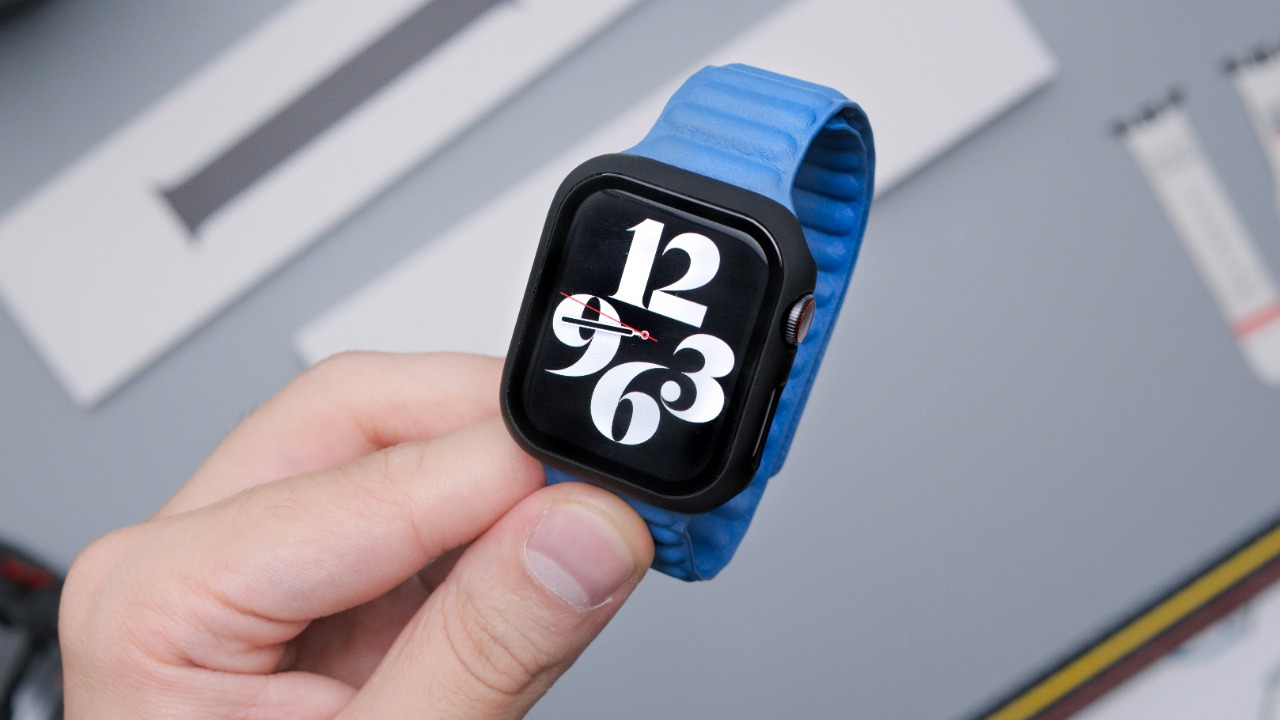

Apple is quietly reshaping how iPhone owners can use smartwatches that are not made in Cupertino, and the shift could matter more than any flashy new wallpaper or widget. By opening the door to richer notification support for third-party wearables, the company is finally giving people who prefer Garmin, Samsung, or other brands a way to stay fully connected without buying an Apple Watch.
I see this as a rare moment where Apple’s software strategy meaningfully improves life for users who sit at the edge of its ecosystem instead of at the center. The change is still limited and wrapped in regulatory context, but for anyone who owns an iPhone and a non-Apple smartwatch, it is a genuine step toward parity rather than a grudging compromise.
Apple’s notification shift, in plain language
The headline change is simple to describe but profound in impact: iOS is gaining a system-level way to forward iPhone alerts directly to other devices, including smartwatches that are not made by Apple. In the first beta of iOS 26.3, Apple added a setting that lets iPhone notifications be mirrored to another accessory, a feature framed as Notification forwarding to other devices. For years, that kind of deep integration was effectively reserved for Apple Watch, which meant anyone wearing a Galaxy Watch, Garmin Forerunner, or Polar sports watch had to live with partial, sometimes clunky notification support.
What changes now is that Apple is no longer treating full notification mirroring as an Apple Watch privilege. The new forwarding option is designed to work with third-party timepieces that connect over Bluetooth, so long as they can present iPhone alerts in a readable way. That means an iPhone owner who prefers a rugged multisport watch or a fashion-first wearable can finally expect more consistent alerts for calls, messages, and apps, instead of relying on whatever limited hooks each watchmaker could bolt on around Apple’s restrictions.
How the new feature actually works for non-Apple watches
Under the hood, Apple is not simply letting any app spray notifications wherever it wants. With iOS 26.3, the system adds a dedicated option to forward alerts to “one accessory at a time,” which can be a third-party smartwatch paired to the same iPhone. Reporting on the beta notes that this forwarding is controlled at the OS level and is meant to work with compatible accessories that already talk to the phone over Bluetooth, giving them a more direct feed of iPhone alerts than before. In practice, that means your watch becomes a true second screen for your phone’s notifications instead of a loosely synced companion.
Crucially, this is not just a theoretical framework. Coverage of the feature explains that it is designed to help people who own an iPhone but want to use any smartwatch that is not an Apple Watch, including sports-focused models from brands like Samsung or Garmin, as long as they can handle standard Bluetooth notification streams. One analysis of the change notes that it specifically benefits people who want to keep their iPhone but wear a non-Apple Watch alternative, describing how the new forwarding option can make those devices feel far more native to iOS than before by letting them receive the same alerts that used to be effectively locked to Apple’s own wearable.
Why this is a big deal for Galaxy, Garmin, and other smartwatch owners
For years, the trade-off for iPhone owners who preferred a Galaxy Watch or Garmin Fenix was clear: better battery life, different health metrics, or a specific design in exchange for weaker integration. Notifications were often delayed, duplicated, or missing entirely, depending on how each manufacturer worked around Apple’s limits. The new forwarding feature changes that equation by giving non-Apple watches a more official path to receive iPhone alerts, which is why some coverage describes it as a huge improvement for people with Apple Watch alternatives.
One report spells out the scenario directly: if you own an iPhone but want to use any smartwatch that is not an Apple Watch, such as a sports watch from Samsung or another brand, the new notification forwarding option finally gives you a way to stay fully in the loop without switching phones. That matters for runners who rely on advanced training metrics, divers who need specialized hardware, or anyone who simply prefers the look and feel of a non-Apple wearable. Instead of treating those choices as second-class, iOS now offers a more level playing field for basic communication features.
The EU angle and why Apple is doing this now
Apple rarely makes big interoperability moves without a push, and this feature is no exception. The new notification forwarding option is tied to changes Apple is rolling into iOS 26.3 in response to European rules, particularly the Digital Markets Act, which is reshaping how dominant platforms must treat rivals. One breakdown of the public beta notes that once users install iOS 26.3, they can start exploring new features that are part of Apple’s compliance work with the Digital Markets Act (DMA), and notification forwarding sits squarely in that regulatory context.
Another report points out that the ability to receive iPhone notifications on a Galaxy smartwatch is, at least initially, limited to people in the European Union, reflecting how tightly this change is linked to EU rules. Coverage explains that you will soon be able to receive iPhone notifications on a Galaxy wearable, but only if you are in the EU, and that the iOS 26 beta build includes a new “Notification Forwardin” setting for accessories connected to the same iPhone. In other words, this is as much about regulatory pressure as it is about user experience, even if the end result is a clear win for people who prefer non-Apple watches.
Inside the new frameworks powering third-party compatibility
Apple is not just flipping a switch; it is building new plumbing to make this work. Earlier work on the platform revealed a system framework called AccessoryExtension, which appears to be part of a process designed to improve compatibility with non-Apple smartwatches. That framework, discovered in a prior iOS beta, hinted that Apple was preparing a more formal way for accessories to hook into iPhone features, even if the full set of options would not arrive immediately. The new notification forwarding feature fits neatly into that pattern, suggesting Apple is laying a foundation for deeper third-party integration over time.
More recent reporting on iOS 26.3 explains that with this version, users will have an easier time working with third-party timepieces, particularly when it comes to notifications and data transfer. One analysis notes that with iOS 26.3, users will now have an easier time working with third-party timepieces, particularly as it pertains to notification forwarding and Android transfer settings, and that these changes are being rolled out to testers and developers in the United States as part of the beta process. That combination of a new system framework and concrete features suggests Apple is not treating this as a one-off concession but as part of a broader rethink of how accessories can extend the iPhone.
What Apple and Google’s cooperation signals about data and wearables
The notification story sits alongside another important shift: Apple is coordinating with Google on new data types that will be shared across platforms as beta testing continues. Reporting on iOS 26.3 notes that Apple and Google, however, say that new data types will be added as they continue the beta testing process across both platforms, and that these changes are being split into two individual sections within the system. While the details focus on cross-platform data sharing, the broader message is that Apple is increasingly willing to treat interoperability as a feature, not a bug.
For smartwatch owners, that matters because wearables sit at the intersection of health data, notifications, and app ecosystems. If Apple and Google are aligning on how certain data types move between devices, it becomes easier for a non-Apple watch to play nicely with an iPhone without resorting to hacks or limited feature sets. The same regulatory environment that is nudging Apple to open up notifications is also encouraging more standardized ways to handle data, which in turn can make third-party wearables feel less like outsiders and more like first-class citizens in the iOS world.
How Apple is packaging the change inside iOS 26.3
Apple is not promoting notification forwarding as a standalone product; it is bundling it into a broader set of tweaks in iOS 26.3. One overview of the beta notes that there are also a few new Weather wallpapers to choose from, but otherwise, everything else is the same, aside from the new features Apple is testing. That framing underscores how notification forwarding is not about visual flair or surface-level polish; it is a deeper systems change tucked alongside more familiar cosmetic updates.
Another breakdown of the public beta explains that Once you have installed the iOS 26.3 public beta, you can start looking at the new stuff Apple added, including notification forwarding and other DMA-related changes. That sequencing matters because it shows Apple treating the feature as part of a package of compliance and quality-of-life improvements rather than a marquee selling point. For non-Apple smartwatch owners, though, this quiet packaging does not diminish the practical impact of finally getting reliable iPhone alerts on their wrists.
What this means for Bluetooth watches and basic users
Not every smartwatch is a full-blown app platform, and Apple’s change is particularly important for simpler Bluetooth-based devices. One report highlights that Apple has effectively allowed iPhone notifications on Non Apple Watches by sneaking a long-awaited change into the latest iOS build, enabling notifications to be forwarded to smartwatches that work over Bluetooth. That means even relatively basic fitness bands or hybrid watches that do not run a full operating system can benefit, as long as they can display incoming alerts from the phone.
For everyday users, the benefit is straightforward: fewer missed calls, messages, or app alerts when the phone is in a bag or across the room. Instead of juggling inconsistent notification behavior that varies by brand, people can rely on iOS itself to handle the forwarding, which should make setup and troubleshooting simpler. It also reduces the pressure to buy an Apple Watch purely for connectivity reasons, since a wider range of Bluetooth watches can now deliver a similar baseline experience for alerts.
Limits, caveats, and what comes next
As promising as this shift is, it comes with real limits. The feature is currently tied to specific regions, with one report stressing that you will be able to receive iPhone notifications on a Galaxy smartwatch, but only if you are in the EU, and that the new Notification Forwardin setting appears in the iOS 26 beta build for accessories connected to the same iPhone. That regional restriction reflects how closely the change is linked to European regulation, and it raises questions about how quickly, or even whether, Apple will extend the same capabilities to users elsewhere.
There are also technical and policy constraints. The system only forwards notifications to one accessory at a time, which means you cannot mirror alerts to multiple watches or devices simultaneously. And while the new AccessoryExtension framework and related tools hint at broader compatibility, reporting cautions that some options may not arrive immediately, suggesting a gradual rollout of deeper features. For now, the win is clear but focused: iPhone owners with non-Apple smartwatches, especially in the EU, finally get a more reliable way to see their notifications, and Apple signals a willingness, however reluctant, to let its ecosystem work better with the rest of the wearable world.
Why this matters even if you never leave the Apple Watch
Even for people who love their Apple Watch and have no plans to switch, this change is worth paying attention to. When Apple opens up core features like notifications to third parties, it often leads to better experiences across the board, because the company has to clarify APIs, harden privacy controls, and think more carefully about how data flows between devices. One analysis of the new forwarding option notes that it was first spied earlier in the year and allows notifications to be forwarded to one accessory at a time, which can be a third-party device, and that regulatory pressure in Europe pushed Apple to add the feature. That kind of external nudge can end up improving the platform for everyone, not just the people regulators had in mind.
From my perspective, the most important signal is philosophical rather than technical. By allowing richer notification support on non-Apple watches, Apple is acknowledging that iPhone owners may reasonably want to mix and match hardware without being punished for it. That does not mean the company is suddenly embracing full openness, but it does show that even in a tightly controlled ecosystem, user choice and regulatory scrutiny can combine to pry open meaningful new options. For anyone who has ever felt boxed in by the Apple Watch requirement, iOS 26.3 is a welcome sign that the box is finally starting to crack.
Supporting sources: Apple’s new iOS feature is huge for people with non-Apple smartwatches.
More from MorningOverview