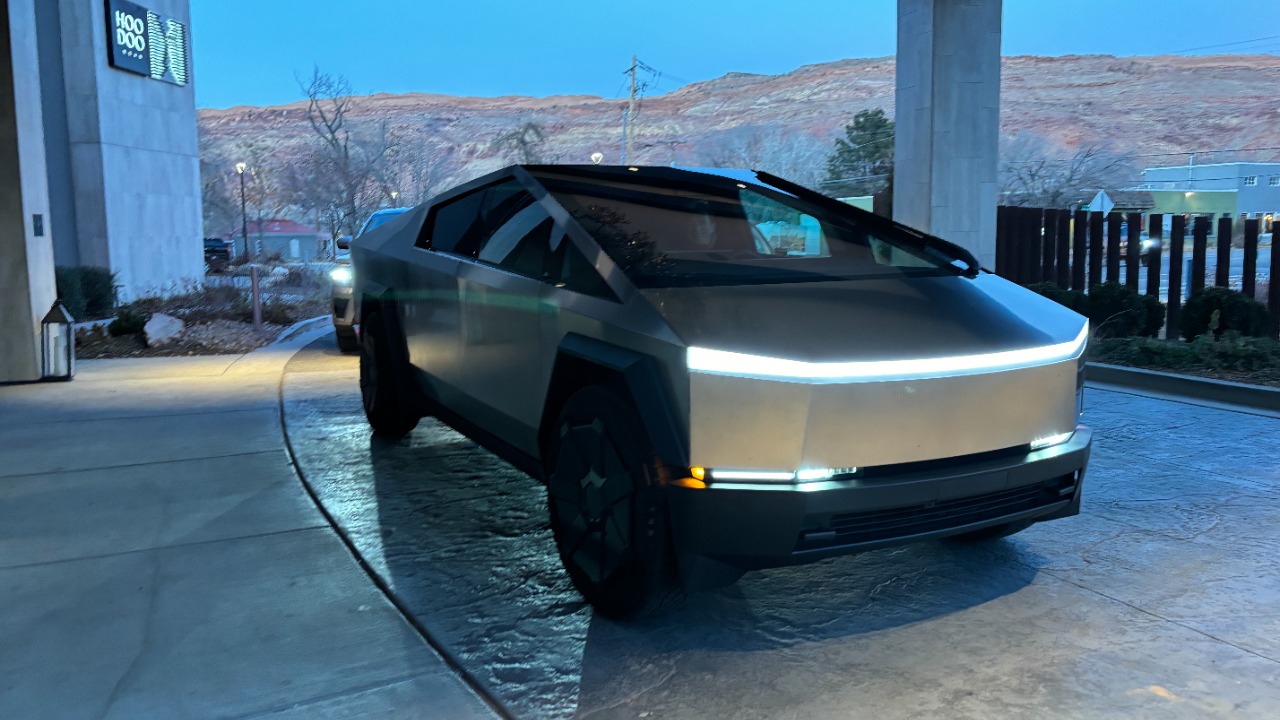

Elon Musk is leaning on his space company to solve a very terrestrial problem: a stainless-steel pickup that is not selling as promised. As Cybertruck demand stalls, reports indicate Musk is steering large internal orders from SpaceX to soak up unsold inventory and make Tesla’s numbers look less dire.
The strategy blurs the line between two of Musk’s most high-profile ventures, raising questions about how sustainable Cybertruck production really is and whether investors are seeing organic demand or a carefully staged performance. It also highlights the growing financial and reputational stakes around a vehicle Musk once framed as Tesla’s boldest bet.
Cybertruck hype meets a harsh sales reality
From the start, Musk pitched the Cybertruck as a breakout hit, telling fans that bookings had surged past a Musk, Million Bookings Claim when the truck was first showcased and reservations opened. He later doubled down on the rhetoric, with “Elon Musk Calls Cybertruck Tesla Best Ever, But Sales Say Otherwise” capturing the gap between his praise and the market’s response. On paper, this was supposed to be the vehicle that redefined Tesla’s brand and revenue mix.
Instead, the numbers show a product struggling to live up to its billing. In the third quarter, Tesla only sold 5,385 Cybertrucks, a collapse of 63 percent compared with the same period a year earlier, even as production capacity expanded. Another analysis put the same figure in stark context, noting that the company only sold 5,385 Cybertrucks in that quarter and warning that the trend made the truck look like a poor long term investment. For a model Musk once described as an “Incredible” vehicle, the sales curve is heading in the wrong direction.
A production plan built on big promises
The mismatch between expectations and reality is not just about hype, it is baked into Tesla’s own production targets. When the Cybertruck first went on sale, When the Cybertruck launched, Tesla CEO Elon Musk was talking about a future in which the company would be selling 250,000 units a year once the line ramped. A separate breakdown of the business case echoed that ambition, noting that How Electrek Tesla Cybertrucks originally planned to build 250,000 Cybertrucks annually, with room to go even higher if demand justified it.
Those figures made sense only if the truck could sustain mass market appeal, something the current sales trajectory does not support. Instead of marching toward a 250,000 unit run rate, Tesla is contending with a shrinking order book and growing inventory. That gap between a quarter selling just over five thousand trucks and a plan built around a quarter million units is what now makes internal fleet deals so consequential to the story.
SpaceX steps in as a mega customer
Into that gap stepped Musk’s rocket company. Reporting indicates that Elon Musk’s SpaceX bought tens of millions worth of Cybertrucks Tesla cannot sell, effectively turning a sister company into a bulk buyer for a struggling product. One market summary framed it bluntly, saying SpaceX May Be Tesla TSLA Largest Cybertruck Customer after reportedly purchasing a large fleet of the trucks.
Other accounts put more precise numbers on the arrangement. One investor focused outlet reported that Elon Musk’s SpaceX Reportedly Scoops Up Over 1,000 Cybertrucks As Tesla Struggles To Scale Demand, describing the purchase as a lifeline for the billionaire’s EV company Tesla. Another consumer finance analysis echoed that figure, noting that Making Cybertrucks a small dent in inventory, SpaceX has already bought over 1,000 Cybertrucks with room to double that fleet.
How internal orders reshape the sales picture
On paper, those SpaceX purchases look like a win for Tesla’s top line. One market recap noted that TSLA Tesla Shares Jump Ramps Up Cybertruck Purchases News Spac as investors cheered the idea that a major customer was stepping in to absorb production. In the short term, funneling trucks to a related company converts idle inventory into booked revenue and helps justify keeping the assembly line running.
The optics, however, are more complicated. A separate breakdown of the trend asked directly, Is Musk Buying His Trucks Now, and reported that, Per Electrek, Musk’s private ventures, including SpaceX and xAI, are now buying unsold Cybertru to prop up demand. When a CEO’s other businesses become some of the largest customers for a supposedly mass market vehicle, it raises the possibility that headline sales figures are being padded by related party deals rather than genuine consumer enthusiasm.
Evidence of inventory pressure and “truck shuffling”
The scale of the internal buying spree only makes sense against a backdrop of mounting inventory. One detailed account described how According Electrek Tesla has been caught piling Cybertrucks onto Musk’s other businesses, with hundreds of new trucks reportedly redirected to affiliated fleets in what critics see as a desperate attempt to move e truck inventory. That pattern suggests Tesla is not just selling to any willing buyer, it is actively channeling vehicles into Musk-controlled entities to keep them from sitting idle.
Other reporting paints a similar picture of a company scrambling to find homes for a product that is not moving on its own. One analysis of the sales collapse noted that Oct Tesla Cybertrucks data, including the 5,385 figure, underscored how weak organic demand has become, especially compared with the lofty production goals. When a vehicle that was supposed to be a high production workhorse instead needs internal shuffling to clear lots, it signals a deeper product market mismatch.
What SpaceX actually does with the trucks
SpaceX is not buying Cybertrucks as a charity project, it does have real logistical needs. The company’s sprawling launch complex at Starbase in South Texas requires a steady flow of people and equipment across rough, often unpaved terrain, and a rugged electric pickup can be useful in that environment. Another key facility, the place mid launch site in Florida, similarly benefits from a dedicated fleet of utility vehicles that can operate around sensitive hardware without tailpipe emissions.
Even so, the reported scale of the purchases goes far beyond a handful of support trucks. One breakdown of the arrangement said Elon Musk Reportedly Using SpaceX Orders To Boost The Cybertruck’s fortunes by building a fleet of more than 2,000 vehicles, a number that looks more like a strategic support program than a simple operational purchase. When internal fleets reach into the thousands, they start to resemble a parallel sales channel designed to absorb output that the consumer market is not taking up.
The market’s split-screen reaction
Investors have responded to the SpaceX orders with a mix of relief and skepticism. On one hand, the news that a Musk controlled company is buying in bulk helped spark a rally, with TSLA Tesla Shares Jump as traders focused on the immediate revenue boost and the optics of strong fleet demand. Another recap of the business case argued that even if the Cybertruck misses its original 250,000 unit target, the SpaceX deal alone could still translate into hundreds of millions in revenue for Tesla.
On the other hand, more critical voices see the arrangement as a red flag. One analysis framed the situation as Elon Musk Is Making Cybertruck Sales Look Better by Selling to his own ventures, warning that such tactics can mask underlying weakness and mislead investors about the true state of demand. When the same quarter features both a 63 percent year over year sales drop and a headline grabbing internal fleet deal, the split screen makes it harder to tell whether the Cybertruck is stabilizing or simply being propped up.
Inside Tesla’s broader vehicle strategy
The Cybertruck saga is unfolding as Tesla continues to expand and refresh its broader lineup. A video walkthrough of factory activity in early autumn highlighted how Oct Tesla continues to build out more of its vehicle fleet, with big deliveries to stamping and switchyard gains that show the company is still investing heavily in core models. Against that backdrop, the Cybertruck stands out as an outlier, a high profile product that is not yet pulling its weight in the portfolio.
That imbalance matters because Tesla’s valuation still assumes it can spin new categories into major profit centers, not niche curiosities. If the Cybertruck, despite being billed as Tesla’s “Best Ever” product, ends up relying on internal customers like SpaceX to clear inventory, it could force a rethink of how the company approaches future launches. The pattern described in reports that flat when ambition outruns execution is not unique to this truck, but the stakes are higher because of how central Musk made it to Tesla’s narrative.
What it means for Musk’s empire
Using SpaceX to backstop Cybertruck sales underscores just how intertwined Musk’s companies have become. The same entrepreneur who runs Tesla and SpaceX is now effectively moving money and metal between them, with New Stocktwits style commentary pointing out that Elon Musk is both the seller and the buyer in these marquee deals. That kind of related party activity is not inherently improper, but it does demand closer scrutiny from regulators and shareholders who want a clear view of each company’s standalone performance.
For now, the arrangement buys Tesla time. SpaceX gets a distinctive, all electric fleet for its launch sites, and Tesla gets to keep Cybertruck production humming while it searches for a broader customer base. Yet the core question remains unresolved: can the Cybertruck stand on its own, or will it remain a vehicle whose success depends on how many units Musk can redirect into his own orbit? Based on the available reporting, the answer is still unverified, and the longer the truck leans on internal lifelines, the louder those doubts will grow.
More from MorningOverview