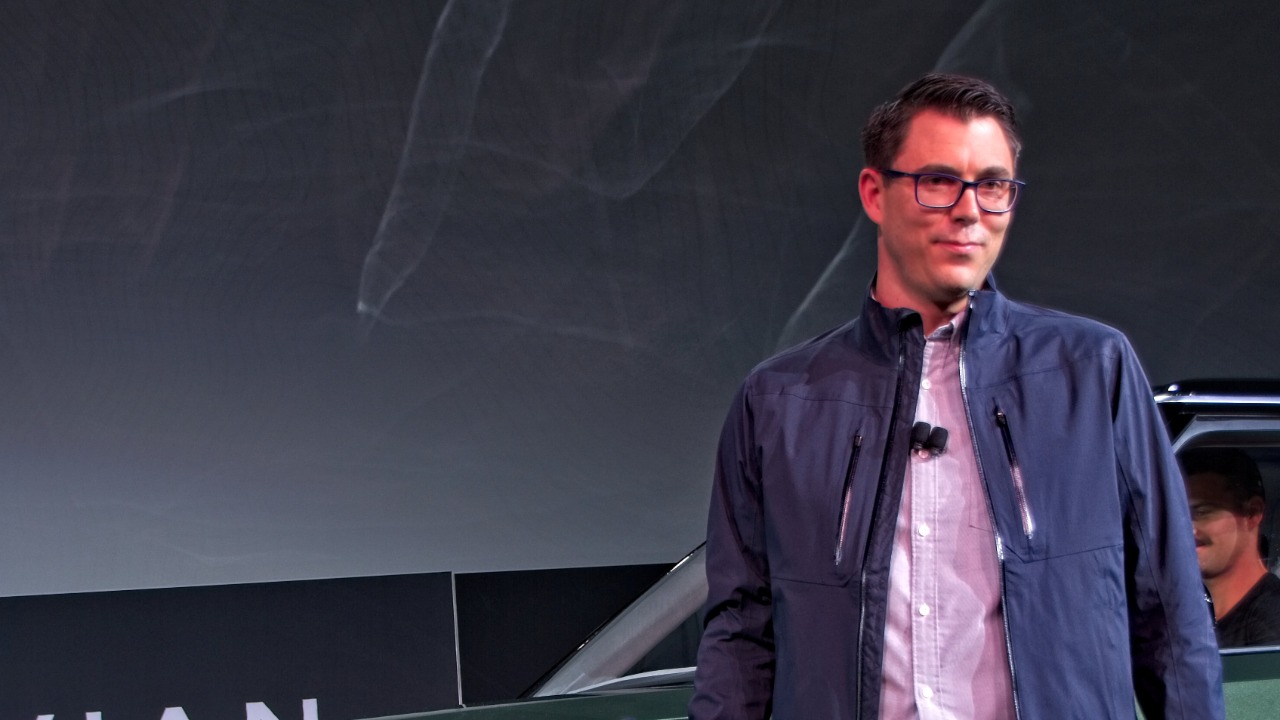

Rivian is one of the few electric vehicle makers willing to say out loud what many traditional automakers only hint at: Apple CarPlay is not just a feature, it is a power shift. By flatly ruling out CarPlay, chief executive RJ Scaringe is betting that Rivian’s future depends on owning the digital “real estate” inside the cabin, even if that means walking away from a feature that has become a dealbreaker for some buyers.
Instead of handing the dashboard to Apple, Rivian is trying to convince drivers that its own software, services, and app integrations can be better than mirroring an iPhone. That choice puts the company on a collision course with customer expectations, but it also clarifies what kind of tech company Rivian wants to be.
Rivian’s hard line: CarPlay “isn’t going to happen”
RJ Scaringe has not left much room for interpretation. In public comments shared with owners and fans, he has said directly that Apple CarPlay “isn’t going to happen” in Rivian vehicles, framing the decision as a deliberate part of the company’s product strategy rather than a temporary omission. On a Rivian owners forum, Scaringe is described standing by Rivian’s choice to not use Apple systems in the infotainment stack, even as he talks about features like using a phone to open the vehicle’s front trunk, which shows he is not opposed to smartphone integration in general but is drawing a line around who controls the main interface inside the car’s screens, a stance that is echoed in the way the forum thread presents Scaringe, Rivian, Apple.
That clarity matters because CarPlay has become a default expectation in many new vehicles, especially for drivers who live inside Apple’s ecosystem. Yet Scaringe has repeatedly framed the absence of CarPlay as a feature, not a flaw, arguing that Rivian wants to avoid customers “jumping between two systems” and instead keep them inside a single, coherent environment. In one detailed breakdown of his comments, he is quoted explaining that Rivian does not want drivers toggling between a native interface and Apple’s overlay, and that the company is focusing on native app support and deep integrations instead, a position that is summarized in a report that highlights how, in his words, Rivian does not want customers “jumping between two systems” and that the company is prioritizing its own software Oct, Rivian, Instead.
Why the dashboard is “such an important piece of real estate”
Underneath the CarPlay debate is a simple but high-stakes question: who owns the digital relationship with the driver. Scaringe has described the in-car software environment as “such an important piece of real estate” that Rivian cannot afford to outsource it, arguing that the digital ecosystem in the vehicle is central to how owners experience the brand, from navigation and charging to off-road modes and over-the-air updates. In one widely cited explanation, he is quoted saying that Rivian’s rejection of Apple’s system stems from a belief that this digital real estate is too important to hand over, a view that is laid out in coverage of how Jul, Scaringe framed the decision.
That framing helps explain why Rivian is willing to endure short-term friction with some buyers. If Apple controls the main screen, it controls the map, the media, and the way drivers discover new services, which in turn shapes who can sell subscriptions, who gathers data, and who defines the user experience. Rivian’s leadership appears to see that as a strategic risk, not just a design compromise, and is treating the center display of the R1T, R1S, and upcoming models as a core asset that must remain under Rivian’s control rather than becoming a canvas for Apple’s interface, a stance that aligns with reporting that Rivian does not want Apple to have control over its infotainment systems and that, despite CarPlay being a requirement for many car buyers, the company is holding the line on keeping that “important piece of real estate” in-house, as described in analysis of how Jul, Rivian, Apple, Despite is approaching the issue.
“Unified Experience”: no abstraction layer between driver and car
Scaringe’s argument is not only about power, it is also about coherence. He has repeatedly emphasized that Rivian wants a “unified experience” in the cabin, with no “abstraction layer” sitting between the driver and the vehicle’s native software. Enthusiast discussions of his comments describe how Rivian wants total control over the in-car software ecosystem to ensure a seamless, integrated experience, and how the company is wary of the way CarPlay can sit on top of a carmaker’s own interface, effectively turning the vehicle’s screens into a remote display for the phone rather than a direct window into the car’s capabilities, a perspective that is captured in a forum summary explaining that Dec, Well, Known Member, Unified Experience, Rivian wants that unified experience without an abstraction layer.
In practice, that means Rivian is designing its interface so that everything from drive modes to climate controls to off-road tools lives inside one consistent visual and interaction language. If CarPlay were layered on top, drivers might spend most of their time in Apple’s environment for navigation and media, only dropping back into Rivian’s UI for vehicle-specific functions, which would fracture the experience and make it harder for Rivian to evolve its own software into a true platform. By refusing that split, the company is betting that a tightly integrated system can feel more polished and capable than a patchwork of native menus and Apple overlays, even if that requires Rivian to build or integrate its own versions of popular apps like Apple Music, Spotify, and podcast players instead of simply mirroring them from an iPhone.
Inside the interviews: how Rivian explains the decision
Scaringe has not confined this message to internal documents or obscure Q&A sessions. In an interview setting described in community coverage, he spoke with The Verge and confirmed that full Apple CarPlay integration is not on the roadmap, while also talking about how Rivian is working on its own app ecosystem and connectivity features. That interview is referenced in a discussion that notes how, in a Jul conversation, the Rivian chief executive used the opportunity to explain more of the reasoning behind not doing full Apple CarPlay integration, while still acknowledging that Rivian has a great relationship with Apple on other fronts, a nuance that is captured in a forum recap of the Jul, Interview, The Verge, Apple exchange.
Those comments are consistent with how Scaringe has spoken in other venues, where he has framed the CarPlay decision as part of a broader philosophy about software and ownership rather than a narrow technical or licensing issue. He has described the choice as a “convicted” decision, language that appears in coverage of how Rivian’s chief executive is standing firm on skipping Apple’s system and focusing instead on its own software and app integrations, and that same reporting notes that Rivian is prioritizing its own app integrations rather than Apple’s, reinforcing the idea that this is a long-term stance, not a bargaining chip, as laid out in analysis of how Oct, Rivian CEO Stands Firm, Skipping Apple, Calls It, Convicted, Decision describes the company’s focus.
Customer backlash, dealbreakers, and the Tesla comparison
Rivian’s stance comes with real commercial risk. For a subset of buyers, CarPlay is not a nice-to-have but a non-negotiable feature, and some have openly said they will not consider vehicles that lack it. Reporting on the “no-CarPlay effect” notes that CarPlay can be a real dealbreaker for car buyers and that in today’s interconnected digital world, smart integrations are central to how people evaluate new cars, with one analysis pointing out that some shoppers have not bought a Rivian yet because of the absence of Apple’s system and that a similar trend exists for Tesla, which also does not support CarPlay, a comparison drawn in coverage that highlights how Dec frames the stakes.
That comparison to Tesla is important because it shows Rivian is not alone in rejecting Apple’s approach. Tesla has built its own navigation, media, and voice systems and has still managed to dominate the EV market, which gives Rivian a precedent to point to when defending its decision. At the same time, there are rumors that Tesla might be planning to add CarPlay in some capacity, and coverage of Scaringe’s comments notes that these rumors have surfaced even as Rivian’s CEO and founder RJ Scaringe has made clear that Rivian is not following that path and that Rivian customers do not seem to be especially concerned in aggregate, a tension that is described in analysis of how Dec, Tesla, Rivian, CEO is handling the CarPlay question.
How Rivian plans to replace what CarPlay does well
To make its no-CarPlay stance viable, Rivian has to replicate or surpass the things CarPlay users love: reliable navigation, easy access to music and podcasts, and tight integration with the phone. Scaringe and his team have talked about focusing on native app support and deep integrations, rather than mirroring, so that drivers can still access services like Apple Music or other streaming platforms through Rivian’s own interface. Coverage of his explanations notes that Rivian’s rejection of Apple’s system is not about ignoring Apple users entirely, and that the company is working on features like Apple Music with Spatial Audio support inside its own software, which shows how Rivian is trying to bring popular services into its ecosystem without ceding control of the UI, a strategy described in reporting on how Rivian’s rejection is paired with specific app integrations.
Forum summaries of Scaringe’s comments also highlight how Rivian is investing in its own navigation and voice systems, as well as in over-the-air updates that can add new capabilities over time, so that the car feels more like a constantly improving device than a static appliance. In one discussion of his latest remarks, owners point to an article where Rivian’s leadership explains that the company expects skeptics to change their minds once they experience the integrated system, and that the goal is to make the native software so good that drivers do not miss CarPlay, a confidence reflected in a forum thread that notes how, based on the article, Rivian believes customers will appreciate the integrated system once they experience it, a sentiment captured in the way Dec, EDITED, NOT, Rivian presents those comments.
The broader industry split over Apple in the car
Rivian’s refusal to adopt CarPlay puts it on one side of a growing divide in the auto industry. Many legacy automakers have embraced Apple’s system, seeing it as a way to satisfy customers without having to build world-class software themselves, and in some cases CarPlay has become a key selling point for models that otherwise lag behind in tech. At the same time, a new generation of EV-focused companies, including Tesla and Rivian, are more likely to see software as a core competency and a source of differentiation, which makes them more reluctant to hand over the main screen to Apple, a dynamic that is implicit in the way coverage of the “no-CarPlay effect” compares Rivian and Tesla and notes that the same trend exists for Tesla when it comes to buyers who insist on Apple’s system, as described in analysis of how that no-CarPlay effect plays out.
Scaringe has also used the CarPlay debate to draw a contrast with rival automakers that, in his view, have ceded too much of the in-car experience to tech companies. In some of his comments, he has shaded competitors by suggesting that relying on Apple or other third parties for core infotainment functions leaves carmakers with little control over how drivers interact with their vehicles, and that Rivian wants to avoid that trap by owning the full stack from hardware to software. That posture positions Rivian as a kind of purist in the software-defined vehicle era, willing to absorb short-term pain in order to build a long-term platform that can support new services, revenue streams, and brand loyalty without having to negotiate every change with Apple.
Why Rivian is unlikely to reverse course
Given how blunt Scaringe has been, a quiet U-turn on CarPlay would be hard to pull off. He has described the decision as “convicted,” and the company’s messaging has been consistent across interviews, forum engagements, and third-party summaries, all of which present the absence of CarPlay as a core part of Rivian’s identity rather than a missing checkbox on a spec sheet. Coverage of his stance notes that Rivian is focusing on its own software and app integrations rather than Apple’s, and that the chief executive is standing firm on skipping Apple’s system, language that underscores how deeply this choice is woven into the company’s strategy, as detailed in reporting that describes how Rivian focuses on its own approach.
There is also a signaling effect at work. By saying “never” on CarPlay, Rivian is telling investors, partners, and employees that it sees itself as a software company as much as a truck and SUV maker, and that it is willing to make unpopular choices to protect that vision. If the company were to reverse course under pressure, it would not only have to re-engineer its infotainment stack, it would also have to explain why it was surrendering the “important piece of real estate” it had spent years defending. For now, all of the available reporting and public comments point in the opposite direction: Rivian is doubling down on its own interface, its own app integrations, and its own definition of what a modern EV’s digital cockpit should be, even as it acknowledges that some buyers will walk away because Apple CarPlay is not part of the package.
More from MorningOverview