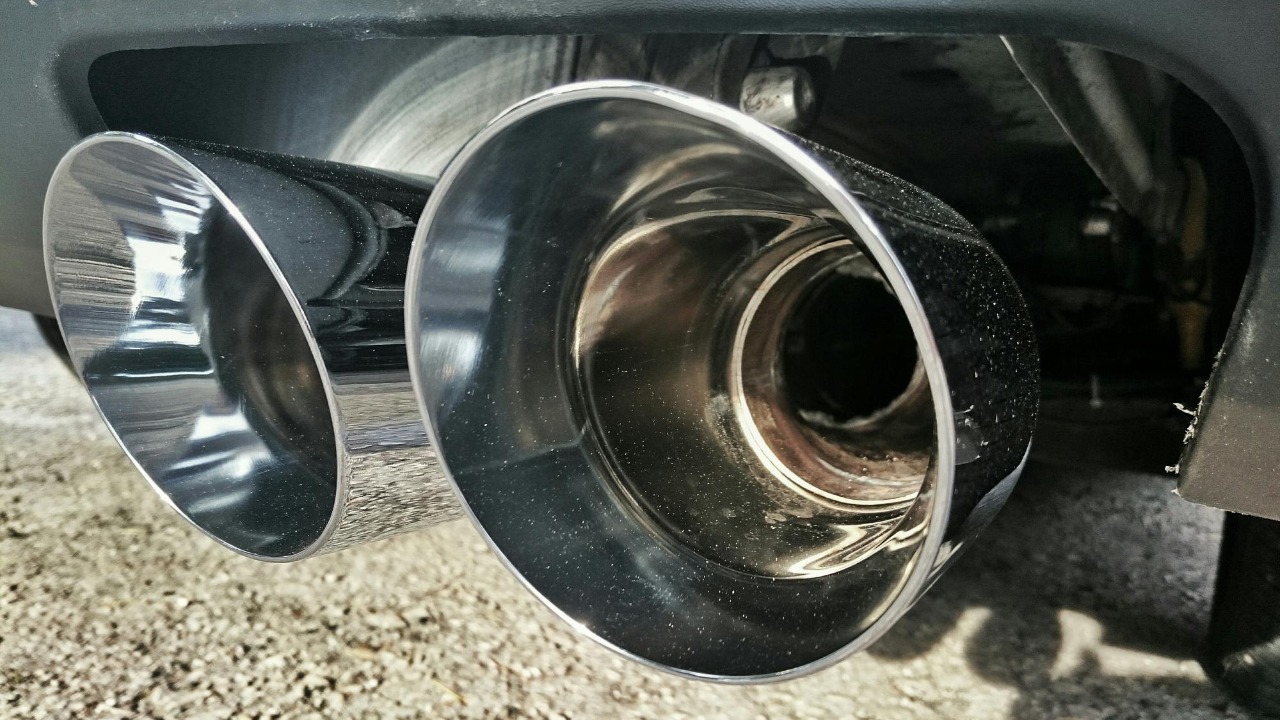

Clean exhaust tips do more than look good in photos; they quietly signal that the rest of the car has been cared for with the same attention to detail. With the right products and a simple, repeatable method, it is entirely possible to turn dull, carbon-caked pipes into bright metal that looks close to factory fresh, even on a daily driven Volkswagen Golf GTI or BMW 3 Series.
I approach exhaust tip cleaning the way I would a quick detail on paint: a short preparation phase, a focused cleaning step, then a careful polish and final buff. Done in that order, and with tools that are gentle but effective, the tips not only shine like new, they also stay cleaner for longer and are easier to maintain between deeper washes.
Why exhaust tips look terrible so quickly
Exhaust tips live in the harshest part of the car, so they collect everything the road and the engine can throw at them. Soot from unburned fuel, condensed moisture, and tiny particles of oil bake onto the metal every time the engine reaches operating temperature, while road grime, salt, and tar splash up from below and cling to the same surface. On a car that sees regular highway use, that combination can turn bright chrome or stainless steel into a patchy mix of brown, gray, and flat black in a matter of weeks.
Once that buildup hardens, it behaves less like simple dirt and more like a thin layer of scale, which is why a quick pass with a wash mitt rarely makes a dent. Detailers often compare the job to cleaning neglected wheels, and the logic is similar: you need chemistry that can break down carbon and grease without etching the finish, followed by mechanical agitation to lift the residue. Guides that walk through There are a wide range of safe cleaners make the same point, stressing that the goal is to loosen the contamination so it can be wiped away rather than grinding it into the metal.
Choosing the right cleaners and tools
Before I touch the exhaust, I decide what chemistry the job actually needs, because the wrong product can dull chrome or stain bare stainless. For light soot on a newer car, a pH-balanced all purpose cleaner or a mild wheel cleaner is usually enough, especially if the tips are sealed or coated. When the buildup is heavier, a stronger degreaser or a dedicated metal polish becomes essential, but I still avoid anything that reads like a heavy acid or a coarse abrasive on the label.
Professional detailers emphasize that there are a wide range of safe cleaners that will not damage the surface, from degreasers and all purpose cleaners to dedicated wheel products, as long as they are used as directed and not left to dry. I pair those liquids with soft tools: foam or microfiber applicators, non-scratch brushes, and cotton swabs for tight corners. That combination lets the chemical do the heavy lifting while the tools simply guide it into seams and around curves instead of scouring the finish.
Preparation: set up the car and protect yourself
Good prep makes the actual cleaning feel quick, so I start by making sure the exhaust is cool to the touch. Working on hot tips is not just uncomfortable, it can also flash-dry cleaners and leave streaks or spots. I park the car on a flat surface, ideally in the shade, and if the rear bumper is particularly dirty I give it a quick rinse so loose grit does not get dragged across the paint while I work around the pipes.
Detailing checklists for chrome tips highlight Preparation, Most of what you need as items you likely already own, but they also stress basic safety. I follow the same approach: nitrile gloves to keep degreasers and polishes off my skin, eye protection if I am using a product that can mist or splatter, and a dedicated bucket or tray so dirty tools do not migrate back to the paint. Laying an old towel or small mat under the exhaust catches drips and keeps me from kneeling in runoff while I scrub.
The initial wash: stripping away loose grime
Once the area is set up, I treat the first pass like a mini wheel wash. A strong stream of water knocks off loose dust and softens the outer layer of soot, which makes every product that follows more effective. If I am already washing the car, I will often use leftover car shampoo in a small bucket and a separate mitt or sponge reserved for the exhaust and wheels so I do not transfer that grime back to the bodywork.
At this stage I am not trying to reach bare metal, only to remove anything that will come off with minimal effort. That is where a gentle cleaner and a soft brush shine, because they can reach into the rolled lip of a Mercedes-AMG style tip or the inner wall of a Subaru WRX quad outlet without scratching. Guides that focus on How to Clean Chrome Exhaust Tips recommend exactly that sequence: protect your hands using gloves, then use a combination of degreaser and agitation to strip away the loose layer before moving on to more targeted work.
Breaking down baked-on carbon and rust stains
After the first wash, the real problem areas become obvious: the inner barrel where exhaust gases exit, the seam where the tip meets the pipe, and any pits or rust spots on older hardware. Here I step up to a stronger cleaner or a dedicated metal product, applying it directly to the stubborn sections and letting it dwell for a short period so it can soften the deposits. The key is patience, not pressure, because forcing a dry towel across that buildup is how fine scratches and haze appear.
Some modern chemical formulas make this step more visual, which is helpful when you are working under a bumper. One popular method is to spray a reactive cleaner, Allow it to sit for about a minute until you notice those characteristic red traces, then agitate and rinse once the color change signals that the product has done its work. On chrome tips that have light surface rust or orange staining, I repeat that cycle in short bursts rather than leaving anything to soak for too long, checking progress with a clean microfiber after each pass.
Polishing the metal back to a mirror finish
Once the heavy contamination is gone, the surface often looks clean but flat, with faint water spots or ghosted rings where soot used to sit. That is where metal polish comes in. I apply a small amount to a foam or microfiber applicator and work it into the metal in tight, overlapping circles, focusing on one section at a time. The goal is to refine the surface, not to grind away material, so I keep the pressure light and let the polish haze before buffing.
Detailing walkthroughs for exhausts suggest that if you are without a dedicated applicator, you can improvise with the corner of a clean microfiber towel, then buff the residue with the dry side of the same cloth, a method that is laid out in guides on How to Clean and Polish Your Exhaust Tips. I follow that pattern on both the outer lip and the inner barrel, reapplying a tiny amount of polish only when the applicator stops gliding smoothly. On chrome, the difference is immediate: the finish shifts from a dull silver to a crisp reflection that matches the rest of the trim.
Working the outer edges and tight contours
Even after a careful polish, the outer edge of the tip and the small radius where it meets the bumper can hold onto residue. I treat those areas almost like a separate panel, wrapping a microfiber around my fingers so I can press the cloth directly into the curve. Short, controlled motions help avoid catching the edge of the towel on sharp corners or trim pieces, which can leave lint or even snag the fabric.
Step-by-step exhaust guides recommend wrapping the towel around the tip and using a combination of a Soft, scratch-free microfiber towel and metal polish to refine the outer edges, then finishing with a clean section of the same cloth. For the outer edges of the tip, they also highlight that a soft towel is the ultimate finishing touch for a flawless shine, keeping the surface looking bright and clean without introducing new marks, a technique that is echoed in advice on keeping the surface looking bright and consistent with the rest of the rear fascia.
Chrome versus stainless: tailoring your approach
Not all exhaust tips are created from the same metal, and treating them as interchangeable can lead to disappointment. Chrome plated tips, common on older Mercedes-Benz sedans and many American trucks, have a thin decorative layer over a base metal, which means aggressive abrasives can cut through the coating and expose the substrate. Stainless steel tips, like those on many modern Audis and performance hatchbacks, are more forgiving but can still pick up fine scratches if you attack them with the wrong pad or compound.
Enthusiasts who work on a wide range of cars often point out that certain products are safe on both finishes because they rely on chemistry rather than grit. One popular example is a cotton wadding polish that users describe as It’s just cotton wadding with a light polish and (I think) mineral spirits, which they say works very well and WILL NOT SCRATCH CHROME lmao. I take that as a reminder to match the product to the finish: on chrome, I favor those gentler options and more frequent, lighter cleanings, while on stainless I am comfortable with slightly stronger polishes as long as the applicator remains soft.
Finishing touches and keeping the shine longer
Once the tips are polished, I like to treat them the way I would a freshly corrected wheel: seal the surface so it resists future buildup. Some metal polishes leave a light protective film on their own, but I often add a dedicated sealant or a high temperature wax to create a sacrificial layer. That coating does not make the exhaust self-cleaning, yet it does slow down how quickly soot bonds to the metal, which means the next wash is more about a quick wipe than a full restoration.
Professional checklists for chrome exhausts note that after the main cleaning, you can protect the finish using gloves and a combination of degreaser and gentle polish, then maintain it with regular washes rather than waiting for heavy buildup to return, advice that aligns with the Required Products lists that pair cleaners with protective steps. I also find that once the tips are sealed, a quick wipe with a soft drying towel at the end of each wash keeps water spots from forming and preserves that just-polished look far longer than the initial effort might suggest.
When to call it “good enough” and when to replace
Even with the best products and careful technique, some exhaust tips will never look truly new again, and recognizing that line can save a lot of frustration. Deep pitting, flaking chrome, or heavy corrosion around welds are signs that the metal itself has been compromised, not just the surface. On a high mileage pickup or an older hot hatch that has seen many winters, the most realistic goal may be a clean, uniform finish rather than a perfect mirror.
Detailing guides that focus on However ensure you do not chase perfection with harsh abrasives, because that can leave permanent stains on your exhaust tip, underline the same point. I follow a simple rule: if, after a thorough clean and polish, the tips still show structural damage or severe pitting, I consider replacement. For many mainstream models, aftermarket stainless tips are relatively affordable, and once installed, the same gentle cleaning routine keeps them looking sharp for years.
More from MorningOverview