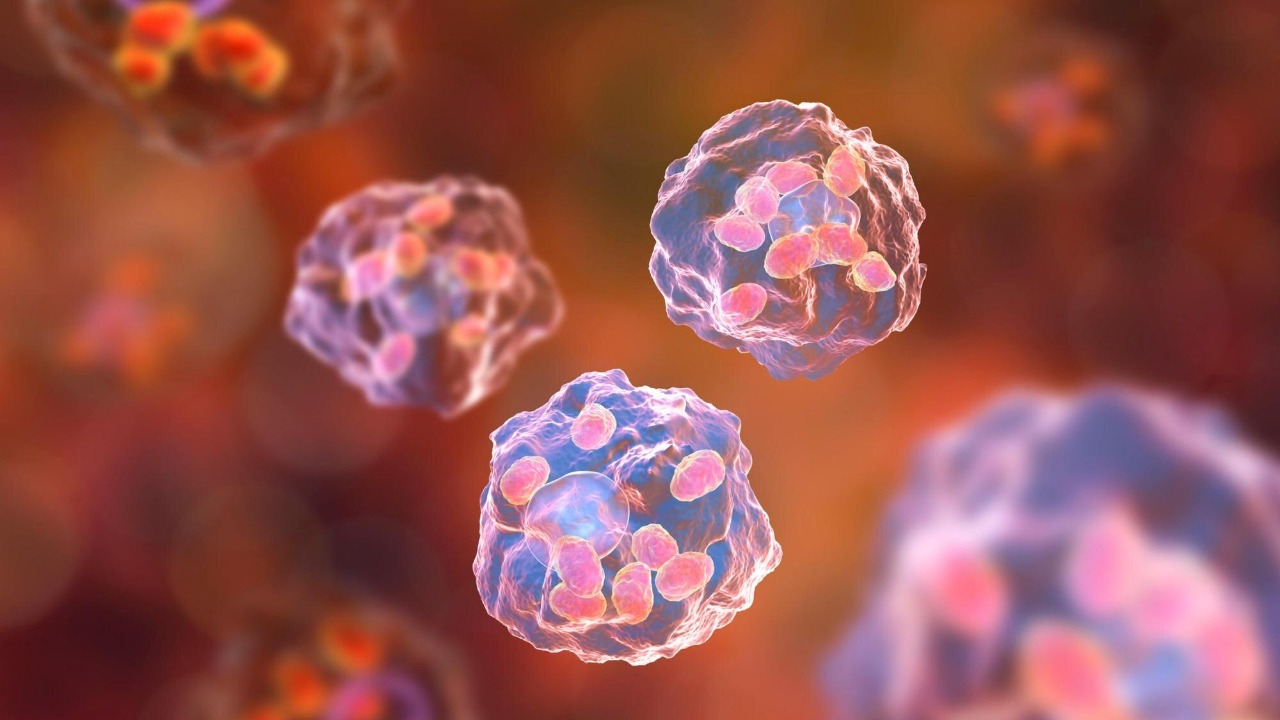

Scientists are closing in on a deceptively simple idea with radical implications: that a single protein signal in the blood can push aging immune cells to behave as if they were young again. Instead of trying to repair every damaged tissue, researchers are learning to reset the stem cells that feed the immune system at its source, potentially slowing the cascade of infections, cancers, and frailty that come with age. I see this shift as the clearest sign yet that rejuvenating immunity is moving from science fiction toward a testable, molecular strategy.
The latest work points to a specific blood protein that appears to reverse age-related decline in blood stem cells, alongside a broader wave of discoveries about how stressed cells toggle between senescence and renewal. Together, these findings suggest that aging immunity is not a one-way slide into dysfunction but a dynamic state that can be nudged back toward resilience, at least in carefully controlled lab conditions.
How aging quietly rewires the immune system
To understand why a single protein can matter so much, I start with the slow, structural changes that unfold in the bone marrow as people grow older. Hematopoietic stem cells, the rare cells that generate every red blood cell, platelet, and immune cell, gradually lose their balance and tilt toward producing myeloid cells at the expense of lymphoid cells. That skew leaves older adults with fewer fresh lymphocytes ready to respond to new viruses and vaccines, while inflammatory myeloid cells accumulate and feed chronic disease.
Researchers at the University of Illinois Chicago have traced this shift in detail, showing that aging blood stem cells in the marrow produce fewer and fewer lymphoid cells as hair grays and muscles weaken. In their work, the same stem cell pool that once fed a diverse, adaptable immune repertoire becomes biased toward cell types linked to inflammation and slower healing. That quiet rewiring helps explain why a routine bout of influenza can be life threatening in an 80‑year‑old but manageable in a 30‑year‑old, even when both have access to the same antiviral drugs and hospital care.
The search for a molecular “reset button” in blood stem cells
Once you accept that aging immunity starts in the stem cell compartment, the next question is whether those cells are doomed or simply misdirected. Several groups have taken the latter view and gone hunting for molecular levers that might restore a youthful balance of blood production. The logic is straightforward: if a specific signal in the blood or bone marrow niche is pushing stem cells toward decline, then blocking or replacing that signal could, in principle, reset their behavior.
Scientists studying blood stem cells at UIC have framed this as a testable question, asking whether targeted interventions can slow aging on a cellular level rather than only treating its downstream consequences. Their experiments focus on how hematopoietic stem cells respond to stress and inflammatory cues, and whether those responses can be tuned so that older cells once again generate robust lymphoid lineages. That approach treats the bone marrow not as a passive victim of time but as a responsive system that might be coaxed back toward equilibrium.
A single protein that revives aging blood stem cells
The most striking evidence that such coaxing is possible comes from work identifying a specific blood protein that appears to reverse age-related decline in hematopoietic stem cells. In animal models, researchers have shown that exposing old blood stem cells to this factor can restore their ability to generate balanced blood and immune cell populations, effectively erasing some of the functional differences between young and aged marrow. I see this as a conceptual pivot: aging is no longer just accumulated damage, it is also a misregulated signaling environment that can be pharmacologically edited.
Reporting on this work describes how a single circulating factor can make aging stem cells behave more like their younger counterparts, reversing age-related blood stem cell decline and improving the production of immune cells that had dwindled with time. The study, highlighted under the banner Scientists Discover Protein That Can Rejuvenate the Aging Immune System, frames this protein as a master regulator of aging signals in stem cells, with the potential to reset how the immune system is built from the ground up.
From cellular decline to functional rejuvenation
What makes this protein so compelling is not just that it changes molecular markers in a dish, but that it appears to restore function in living organisms. In older animals, age-related blood stem cell decline typically shows up as anemia, sluggish immune responses, and a reduced ability to recover from chemotherapy or infection. When the newly identified factor is introduced, those same stem cells begin to repopulate the blood with a healthier mix of myeloid and lymphoid cells, a shift that translates into stronger immune performance in experimental settings.
Independent coverage of related work on age-related blood stem cell decline underscores how dramatic that turnaround can be. One report describes how scientists pinpointed a key protein that reverses age-related deficits in hematopoietic stem cells, restoring their capacity to generate diverse immune cells and supporting better resilience to stress. The study, summarized under the title Scientists Discover Key Protein That Reverses Age, Related Blood Stem Cell Decline, situates this protein as a central node in the network that governs how aging stem cells interpret their environment, and how quickly they slide into dysfunction.
AP2A1 and the deeper mechanics of cellular aging
Behind the scenes of these immune-focused breakthroughs, cell biologists have been dissecting how individual cells decide whether to grow, pause, or enter senescence. One of the most intriguing players to emerge from that work is AP2A1, a protein subunit that shapes the architecture of the cell’s internal scaffolding. In aging fibroblasts, the connective tissue cells that help maintain organs, AP2A1 becomes tightly associated with thick stress fibers that mark cells that have stopped dividing and entered a senescent state.
Researchers from Osaka University have shown that AP2A1 is upregulated along these stress fibers in replicative senescent fibroblasts, and that its presence is linked to the unique structure of the cytoskeleton in aging cells. In their experiments, described in detail by Researchers from Osaka University, AP2A1 helps support the size and stiffness of senescent cells, suggesting that it is not just a bystander but an active architect of the aging phenotype.
Flipping cells between senescence and rejuvenation
If AP2A1 helps lock cells into a senescent state, the obvious next step is to ask what happens when its levels are dialed down. In a separate line of work, scientists have tested that idea directly by knocking down AP2A1 in senescent fibroblasts and watching how the cells respond. The result is a kind of cellular about-face: stress fibers recede, the cytoskeleton relaxes, and gene expression patterns shift toward those seen in younger, proliferative cells. That reversal does not erase every trace of aging, but it shows that the senescent state is at least partially reversible at the molecular level.
In a detailed mechanistic study, investigators reported that AP2A1 is upregulated along stress fibers in replicative senescent fibroblasts and that Knockdown of AP2A1 reverses senescence-associated features while promoting characteristics of cellular rejuvenation. Those highlights position AP2A1 as a molecular switch that can modulate cell states between senescence and renewal, a concept that dovetails with the idea of using specific proteins to push aging immune cells back toward a more youthful configuration.
Reprogramming immunity with mRNA and checkpoint targets
While some teams focus on proteins that act directly on stem cells, others are using genetic tools to reprogram the immune system’s behavior from the outside in. One promising strategy uses messenger RNA to deliver carefully chosen immune-stimulating factors into the body, temporarily boosting the activity of T cells that have grown sluggish with age or chronic disease. The goal is not to permanently rewrite the genome, but to give immune cells a timed push that helps them recognize and attack threats more effectively.
In a recent study, scientists combined this mRNA approach with a drug that targets the protein PD‑L1, a checkpoint molecule that normally puts the brakes on T cell activity. By using mRNA to deliver three specific immune factors and pairing that with a PD‑L1 inhibitor, they were able to take the brakes off exhausted T cells and improve their response to cancer immunotherapy. The work, described as a way to rejuvenate the immune system, suggests that even without changing stem cells directly, it is possible to restore some youthful vigor to the immune response by rewiring how existing cells are signaled.
Checkpoint drugs and the promise of broader immune renewal
The PD‑L1‑targeting drug at the center of that work is part of a larger class of checkpoint inhibitors that have already transformed cancer care, from melanoma to lung cancer. What is new here is the idea of using such a drug not only to unmask tumors but to broadly refresh the immune system’s capacity to respond. By lifting inhibitory signals and layering on pro‑immune mRNA cues, researchers are effectively testing whether an older immune system can be pushed closer to the responsiveness seen in younger patients.
Coverage of this research emphasizes that the PD‑L1 drug is designed to take the brakes off the immune system and stimulate T cells so they respond better to cancer immunotherapy treatments, particularly when combined with mRNA‑encoded factors. In my view, that combination of a checkpoint target and a programmable genetic payload, described in more detail in a new study, is a template for future immune rejuvenation strategies that could be tuned for infections, vaccines, or even age-related autoimmunity.
Why 2025 became a breakout year for cellular rejuvenation
Stepping back from any single protein or pathway, it is hard to ignore how many of these discoveries have landed in quick succession. From AP2A1’s role in toggling cells between senescence and renewal, to the blood protein that revives aging stem cells, to mRNA‑checkpoint combinations that wake up tired T cells, the field of cell biology is converging on a shared message: aging is plastic. That does not mean immortality is around the corner, but it does mean that targeted interventions can meaningfully shift how old cells behave.
A survey of The Biggest Breakthroughs in Cell Biology in 2025 highlights how work in cellular immunology, neurobiology, and stem cell science is increasingly intertwined. Techniques developed to reprogram microglia in the brain or engineer diagnostic immune cells are feeding directly into efforts to rejuvenate blood stem cells and T cells, and vice versa. For anyone watching the field, 2025 looks less like a collection of isolated advances and more like the year a coherent toolkit for cellular rejuvenation began to take shape.
From lab bench to clinic: cautious optimism for aging immunity
For all the excitement, I find it important to keep the gap between mouse and human front and center. The protein that revives aging blood stem cells has so far shown its power in controlled experimental systems, not yet in large, long‑term human trials. AP2A1 knockdown can flip senescent fibroblasts toward a more youthful state in culture, but translating that into a safe therapy would require precise delivery to specific cell types without triggering uncontrolled growth or cancer. Even checkpoint‑mRNA combinations, which build on approved cancer drugs, will need careful testing in older adults whose immune systems are already fragile.
Yet the direction of travel is unmistakable. By mapping how aging reshapes blood stem cells, as in the UIC work on Can we slow aging on a cellular level, and by identifying proteins like AP2A1 and the newly spotlighted blood factor that can reverse key aspects of that process, scientists are turning aging immunity into a problem of circuits and switches rather than fate. The next decade will test whether those switches can be flipped safely in people, but the conceptual leap has already happened: the immune system’s age is no longer fixed, it is a state that can, at least in principle, be tuned.
More from MorningOverview