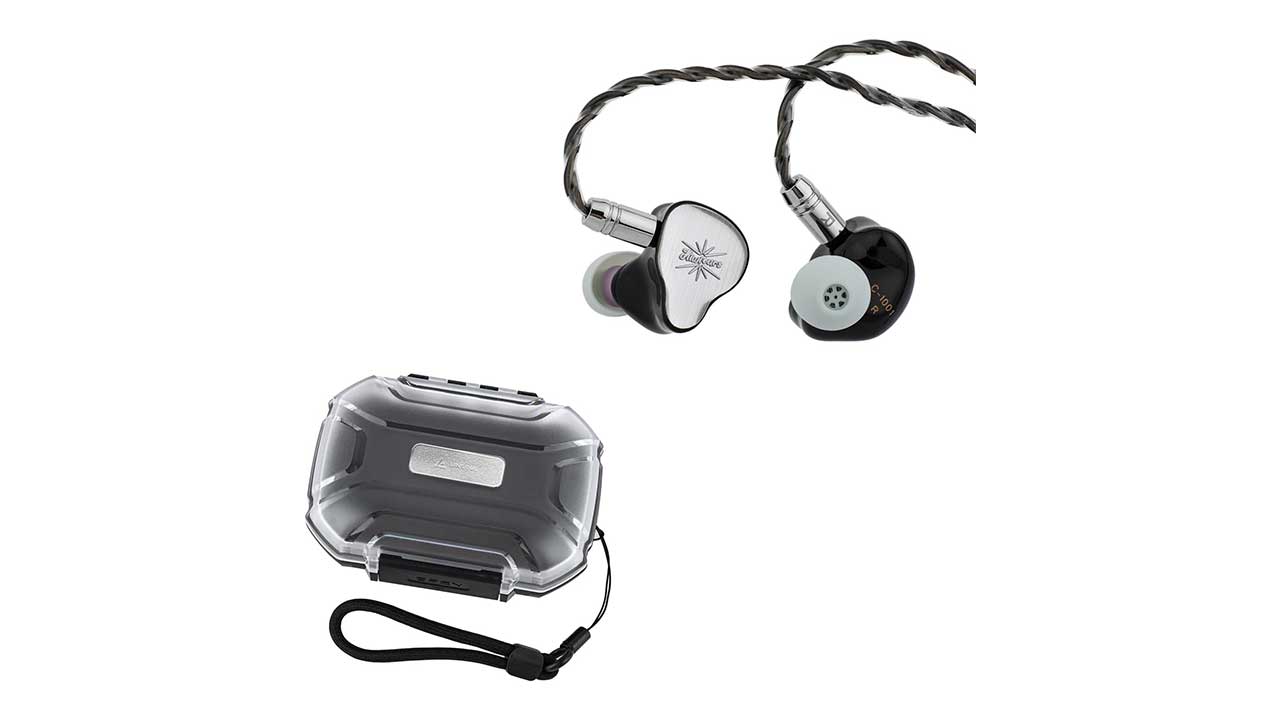

When the Kiwi Ears KE4 landed in the IEM world, they were quickly framed as a benchmark for the so‑called New Meta tuning, a reference point for listeners who wanted a smooth, modern sound that still felt technically ambitious. One year on, the question is no longer whether they impressed at launch, but whether that carefully judged balance of neutrality, bass lift and comfort still holds up against a wave of rivals chasing the same crown.
I set out to answer that by looking at how the KE4’s tuning, build, accessories and value proposition have aged, and by weighing them against both newer competitors and the expectations of listeners who now treat “Meta” as shorthand for a very specific kind of easygoing, high‑performance sound. The result is a picture of an IEM that remains highly competitive, but also one whose strengths and compromises are clearer with distance.
How the KE4 defined the New Meta moment
The Kiwi Ears KE4 arrived at a time when the hobby was pivoting away from aggressive V‑shaped tunings toward a more relaxed, studio‑inspired balance, and they were immediately positioned as a showcase for that shift. Priced at $200, they undercut many established mid‑tier models while promising a sound that tracked closely with contemporary target curves measured with the latest tech, which is exactly what New Meta enthusiasts were asking for. That combination of price and positioning meant the KE4 were never just another hybrid; they were pitched as a proof of concept that this tuning philosophy could be delivered without flagship pricing.
From the start, the KE4’s identity was tied to the idea that a “meta” tuning should be both technically informed and broadly listenable, not a sterile lab exercise. The marketing around The Kiwi Ears KE4 leaned heavily on balanced armature finesse and a hybrid architecture that promised detail without fatigue, and early reviewers echoed that framing by highlighting how easily they slotted into daily listening. In other words, the KE4 did not just ride the New Meta wave; they helped define what listeners now expect when they see that label on a spec sheet.
Design, build and the everyday carry test
Any IEM that aims to be a long‑term reference has to survive the grind of daily use, and the KE4’s industrial design was clearly built with that in mind. The shells are compact and ergonomic, with a smooth contour that sits securely without creating pressure points, a trait that several listeners have singled out when comparing them to chunkier hybrids. On enthusiast forums, owners have described the KE4 as not only more spacious sounding than some rivals but also better looking and more ergonomic, which matters when you are wearing them for hours at a time.
The cable and hardware are more pragmatic than luxurious, but that restraint fits the KE4’s positioning. The stock lead is a fairly compliant braided 2‑pin design in PVC with a 3.5mm TRS termination, complete with a basic chin slider that keeps the fit stable on the move. It is not the sort of cable that will thrill upgrade‑hungry audiophiles, but it is light, tangle‑resistant and functional, which is exactly what most buyers in this bracket need. Over a year of use, that kind of no‑nonsense durability arguably matters more than exotic materials that look great in photos but fray under real‑world stress.
Tuning philosophy: silky neutrality with a twist
Sonically, the KE4’s core pitch is a neutral‑leaning signature with just enough low‑end lift to keep modern mixes engaging, and that character has aged well. One detailed assessment summed it up as “silky smooth neutrality with a bass boost and a ‘safe’ recessed treble,” a description that captures both the restraint and the intent behind the tuning. That phrase, drawn from a careful rating, points to a sound that avoids sharp peaks in the upper registers while still giving kick drums and bass guitars enough presence to feel satisfying.
That approach aligns closely with how New Meta fans describe their ideal curve: a smooth midrange that flatters vocals, a controlled but audible sub‑bass shelf, and treble that is present but rarely piercing. Later commentary on the KE4’s sound profile has reinforced that view, noting that the tuning is deliberately relaxed in the upper mids and highs, which some listeners adore for long sessions while others find a touch too polite. One year in, that trade‑off looks intentional rather than accidental: the KE4 are built to be forgiving, not forensic, and that is a big part of why they still feel relevant for everyday listening.
Technical performance and the “Next Step Forward” claim
Beyond frequency balance, the KE4 were marketed as a technical step up in their price class, and that claim still holds water in several key areas. Staging and imaging are particular strengths, with multiple reviewers noting how the KE4 manage to sound open and layered without resorting to an artificially bright tilt. One enthusiast compared them directly to the brand’s earlier DaVinci model and argued that the KE4 shared what they felt was DaVinci’s strongest trait, spaciousness, while improving on ergonomics and aesthetics, which is not a small compliment given DaVinci’s reputation.
At the same time, more formal reviews have been careful to frame the KE4 as an evolution rather than a revolution. One longform evaluation described Kiwi Ears KE4 as “The Next Step Forward,” but also stressed that they are not perfect, only close enough that they are probably the safest recommendation in their bracket for listeners who prioritize easy listening over analytical dissection. That nuance matters a year later, because it explains why the KE4 still feel competitive: they deliver a coherent, low‑fatigue technical package rather than chasing every last microdetail at the expense of comfort.
Comfort, usability and long‑session listening
Comfort is one of the least glamorous but most decisive factors in whether an IEM remains in rotation, and here the KE4 have quietly excelled. The shells are relatively lightweight and shaped to nestle into the concha without creating hotspots, which makes them suitable for extended workdays, long flights or marathon gaming sessions. That ergonomic success is reflected in user feedback on the official product page, where Customer Reviews from listeners like Darren Ng and Darko Knez highlight how the fit and tuning work together to avoid fatigue even when the KE4 are worn for hours.
That synergy between physical comfort and sonic smoothness is central to the KE4’s staying power. A relaxed treble and slightly warm tilt can be divisive in short A/B tests, where brighter sets often sound more “impressive,” but over a full day of use the KE4’s restraint becomes a strength. The brand itself describes The Kiwi Ears KE4 as a masterclass in balanced armature tuning, and while that is marketing language, it lines up with the lived experience of users who report that they can move from playlists to calls to games without needing a break. In a market where many IEMs still chase short‑term wow factor, that kind of all‑day usability is a quiet but meaningful advantage.
Accessories, build quirks and long‑term durability
On the accessories front, the KE4 package is functional rather than lavish, which is typical for this price tier but still worth noting a year later. The included cable, tips and case are adequate for most users, yet they leave room for enthusiasts to personalize the experience with aftermarket options. One detailed review pointed out that, despite having a one‑piece shell design that feels solid in the hand, the overall build is adequate but not exceptional, which is a fair characterization when you compare the KE4 to more premium models that use metal or exotic resins.
In practice, that means the KE4 are robust enough for daily carry in a backpack or laptop bag, but they do not project the tank‑like indestructibility of some all‑metal designs. The upside is that the lighter shells contribute to comfort and reduce ear fatigue, while the detachable 2‑pin interface makes cable replacement straightforward if it ever fails. Over a year of use, that balance between sturdiness and serviceability has proven sensible: the KE4 are not built to be heirloom objects, but they are clearly designed to survive the typical knocks of commuting, office use and home listening without drama.
How the KE4 stack up against 2025 rivals
Value is where the KE4’s case for ongoing relevance becomes most interesting. At $200, they sit in a fiercely contested bracket that now includes planar options, tribrids and aggressively tuned single dynamics. Direct comparisons, such as one detailed matchup with the LETSHUOER S12 2024, highlight how the KE4’s hybrid configuration and smooth tuning differ from a planar’s more immediate, etched presentation. In that analysis, the reviewer notes that The Kiwi Ears KE4 and the LETSHOUR S12 2024 each bring distinct strengths, with the KE4 leaning into musicality and the S12 2024 emphasizing speed and attack.
That contrast underscores why the KE4 still make sense for a certain kind of listener in 2025. If you want maximum detail retrieval and a spotlight on micro‑information, there are now planar and multi‑BA sets that will outresolve the KE4 at similar prices. But if your priority is a cohesive, fatigue‑free listen that flatters a wide range of genres, the KE4 remain a strong contender. Their hybrid driver setup, which pairs dynamic drivers with balanced armatures, continues to offer a compelling middle ground between slam and refinement, and that balance is not something every newer rival has managed to replicate.
Market context, pricing and the “Meta” value proposition
One year after launch, the KE4’s pricing looks even more strategic than it did at the start. The mid‑tier IEM market has seen a steady creep upward, with some brands pushing hybrid and tribrid models well past the $200 mark while offering only incremental gains in performance. Against that backdrop, the KE4’s combination of mature tuning and accessible pricing still feels competitive, especially when you factor in frequent discounts from retailers. Listings on major storefronts, such as Linsoul, continue to position the KE4 as a mid‑range staple rather than a clearance afterthought, which suggests ongoing demand.
Broader shopping data also hints at why the KE4 have maintained visibility. Platforms that aggregate Product information from brands, stores and content providers show that buyers in this segment often filter by a mix of price, rating and technical configuration, and the KE4 tick all three boxes with their hybrid design and strong user feedback. Search listings that surface the KE4 as a featured product in shopping carousels reinforce that they are still part of the active conversation, not just a legacy listing buried under newer releases.
Community sentiment and the verdict one year on
Community perception often lags behind spec sheets, and a year of real‑world use has clarified how enthusiasts actually feel about the KE4. On forums and in comment sections, the consensus has settled around the idea that the KE4 are a safe, broadly appealing choice rather than a polarizing cult favorite. Detailed impressions on sites like The Next Step Forward review emphasize that Kiwi Ears’ new KE4 might not satisfy listeners who crave extreme treble sparkle or basshead levels of slam, but they consistently praise the way the tuning prioritizes easy listening and genre versatility.
That sentiment is echoed in more formal verdicts that describe Our Verdict on The Kiwi Ears KE4 as a very competitive option in the IEM market at $200, particularly for listeners who value a balanced, non‑fatiguing sound. That kind of steady, measured praise is exactly what keeps an IEM relevant after the initial hype fades. The KE4 may no longer be the shiny new thing, but they have settled into the role of a reliable reference point for what New Meta tuning can look like in the real world.
So, do they still wear the “Meta” crown?
After a year of scrutiny, the Kiwi Ears KE4 still embody much of what made them a New Meta poster child at launch. Their tuning remains smooth, cohesive and forgiving, their ergonomics and cable design are practical for daily use, and their price continues to undercut some newer rivals that offer only marginal gains. Retailers like shopping listings still surface them prominently, and enthusiast spaces continue to recommend them as a default choice for listeners who want a modern, neutral‑leaning sound without diving into endless A/B tests.
At the same time, the crown is more contested than ever. Planar sets like the LETSHOUR S12 2024, ultra‑budget hybrids and ambitious tribrids have all pushed the envelope in different directions, and some will appeal more to listeners who prize raw technical fireworks over relaxed tuning. For my money, though, the KE4 still deserve to sit near the top of any New Meta shortlist: not because they are flawless, but because they deliver a carefully judged mix of tuning, comfort and value that has held up remarkably well under the pressure of a fast‑moving market.
More from MorningOverview