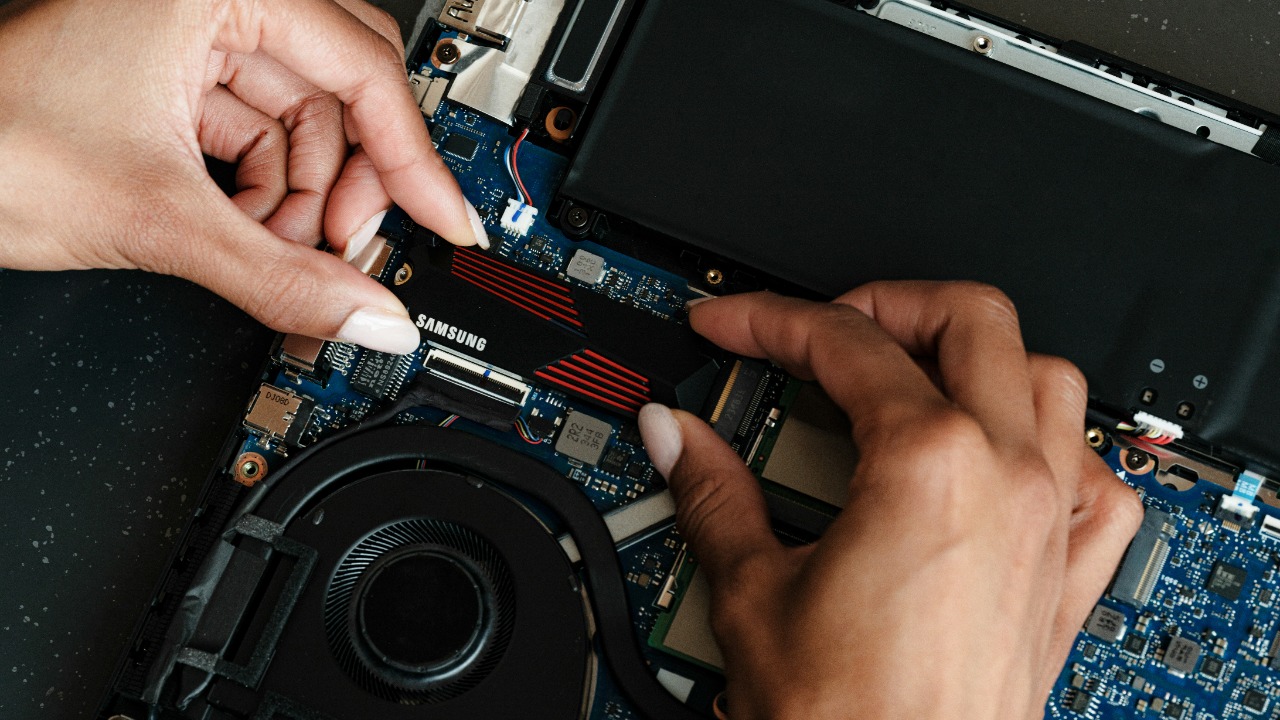

The cost of the chips that store your data is spiking, and the impact is about to show up on store shelves. A global squeeze on memory, driven by artificial intelligence and data centers, is setting up a wave of higher prices and weaker specs for mainstream laptops and smartphones in 2026. I see the outlines of a familiar tech story, but this time the pressure is coming from AI servers, not from the gadgets in your pocket.
AI’s memory binge is colliding with everyday gadgets
The same artificial intelligence boom that powers chatbots and image generators is now reshaping the economics of basic components like RAM and flash storage. Where earlier chip cycles were led by PC upgrades or new smartphone generations, the current surge is being driven by data center and AI workloads that chew through vast pools of memory. As hyperscale operators race to deploy more large language models, they are soaking up capacity that would otherwise feed consumer devices, a shift that is already visible in the way Where previous cycles were driven by PCs and smartphones but now revolve around AI computing uses.
That imbalance is why analysts are warning that the memory shortage will not stay confined to server racks. The same DDR5 RAM and high performance storage that power AI accelerators are also the building blocks of premium laptops and phones, so when data center buyers outbid everyone else, consumer brands are left paying more or taking less. Reporting on the current crunch notes that the artificial intelligence boom has become unavoidable even for people who never touch AI tools, because the cost of DDR5 and other memory parts is feeding directly into big laptop and smartphone price increases.
Memory prices are already climbing fast
Behind the scenes, the price of memory chips has been rising sharply through 2025, and the trend is not expected to reverse in the first quarter of 2026. Industry trackers describe a broad surge in DRAM and NAND prices as suppliers move from a glut to a shortage, helped along by AI demand and a deliberate pullback in production during the last downturn. One detailed breakdown notes that Memory prices have risen sharply in 2025, a reversal from the discount era that encouraged gamers and creators to double their RAM for little extra cost.
Forecasts for early 2026 are even more sobering. Analysts tracking contract prices expect the current Memory Price Surge to Persist in 1Q26, with smartphone and notebook brands already beginning to raise prices and downgrade specs in response. That combination of higher component costs and defensive product decisions is the clearest sign yet that the squeeze has moved from chip factories into consumer planning meetings.
PC builders are sounding the alarm on DRAM
On the ground, system integrators are already feeling the pinch. Custom PC builders that live and die by component pricing are warning that DRAM is getting more expensive and that the trend is not a blip. Two of the most visible outfits in that space, Maingear and CyberPowerPC, have both publicly stated that prices are on the rise due to DRAM demand, and they are warning customers that new builds and upgrades are about to get pricier.
Those warnings matter because boutique builders tend to react faster than big OEMs, adjusting their quotes in near real time as wholesale prices move. When they say DRAM is becoming a problem, it is usually a preview of what mainstream laptop buyers will see a few months later. Their comments also underscore that DRAM is not the only pressure point, since the same fabs that make memory are juggling orders for other chips, which further tightens supply and amplifies the cost shock for anyone trying to assemble a reasonably priced PC.
Phones and laptops are next in line for higher price tags
With memory costs climbing, consumer devices that rely on large amounts of RAM and storage are the obvious next domino. Market researchers tracking smartphones say higher component prices are likely to translate into Higher phone prices, and some smartphones could cost more as soon as early next year according to senior research figures such as Nabila Popal. That is not just a premium problem, because budget and midrange devices have less room to absorb extra costs without bumping up their sticker prices.
Laptops are facing a similar squeeze, especially models that rely on DDR5 and larger SSDs to support modern operating systems and AI features. One detailed forecast from TrendForce, cited in coverage of the current crunch, suggests that laptop prices could rise meaningfully in 2026 as manufacturers pass along spiking DRAM and SSD costs. For buyers who have been waiting for a sale to replace an aging machine, the window for bargains may be closing faster than expected.
Cheaper models and shipments are most exposed
Not every device will be hit equally, and the pain is likely to be sharpest at the low end of the market. Analysts warn that Cheaper models will be hit hardest, since their margins are smaller and manufacturers have less room to absorb price increases without raising retail prices. That dynamic is especially acute in emerging markets, where a few dollars can make or break a sale and where buyers are more sensitive to even modest spec downgrades.
The broader smartphone market is already bracing for fallout. One forecast expects Rising chip costs to push global smartphone shipments down in 2026, with research firm Counterpoint and senior analyst Yang Wang highlighting how higher bills of materials can suppress demand. If that plays out, the industry could face the awkward combination of more expensive phones, slower upgrade cycles, and inventory headaches in markets from London to Lagos.
AI data centers are outbidding everyone else
At the heart of the crunch is a structural shift in who buys memory and why. The demand for compute needed for large language models has surged, and the latest update on the data center AI chip market notes that The demand for compute needed for these systems keeps rising, with NVIDIA accounting for 65% market share in data center AI chips. Those accelerators are only useful when paired with huge banks of high bandwidth memory and fast storage, so every new AI cluster effectively locks in a long term appetite for DRAM and NAND.
Suppliers are racing to keep up, but the scale of investment required means relief will not be instant. Major memory makers are investing heavily in expanding production capacity, with over $35 billion annually projected to increase output and modernize fabs. Until those projects come online at scale, AI data centers will continue to compete directly with consumer electronics for the same wafers, and in that bidding war, hyperscalers with deep pockets tend to win.
Nvidia’s pivot and the storage crunch behind it
The current shortage is not just about DRAM, it is also about how AI reshapes the entire chip and storage stack. As Nvidia shifts more of its focus to AI accelerators and high end GPUs, the ripple effects are being felt across the supply chain, from networking gear to memory modules. One analysis of the situation notes that the current chip shortage is mainly affecting budget phones that use LPDDR4, but However, the bigger risk on the horizon is that AI centric demand will spill over into more premium models and other categories of consumer electronics.
Storage is under similar pressure. A separate look at the AI hardware ecosystem points out that hyperscalers, big companies like Microsoft and Google, are leaning heavily on solid state drives as traditional HDDs hit capacity limits. But with HDDs at capacity, these firms are turning even more aggressively to SSDs, which share manufacturing resources with consumer storage. That shift tightens supply for everything from ultrabooks to game consoles, adding another layer of cost pressure on devices that rely on fast internal drives.
“RAMageddon” and the early signs from China
The scale of the problem has already earned a nickname in some corners of the tech world, and the early evidence from China suggests it is not hyperbole. Reporting on the trend notes that Already, we have seen Chinese smartphone brands start to raise prices in response to higher memory costs, and projections suggest that laptop and phone prices could climb between 20% and 30% in 2026 if current trends hold.
Those early moves are important because Chinese manufacturers often operate on razor thin margins and compete fiercely on price, especially in markets like India, Southeast Asia, and parts of Europe. If they are willing to nudge prices up rather than quietly absorbing the hit, it signals that the underlying cost increases are too large to hide. For global buyers, that is a warning that even aggressively priced brands may not be able to shield consumers from the coming wave of memory driven inflation.
How brands will quietly cut corners
Higher prices are only one side of the story, the other is what happens to the devices that do not get more expensive. To manage rising costs, some manufacturers are already downgrading specifications on camera modules, displays, and audio components, while reserving the best hardware for higher priced “Pro” models to maintain profit margins. That means a midrange phone in 2026 might ship with less RAM, a lower resolution screen, or a weaker camera than a similarly priced model from a year or two earlier.
Laptops are likely to see similar quiet compromises. Instead of boosting base RAM from 8 GB to 16 GB, some brands may hold the line or even ship more configurations with soldered memory that cannot be upgraded, all to keep headline prices in check while component costs rise. For buyers, the result is a subtle erosion of value: the sticker price might look familiar, but the experience, especially under heavy multitasking or AI assisted workloads, could feel more constrained than expected.
What consumers can realistically do now
For anyone planning a purchase, the emerging pattern suggests that waiting for prices to fall back to 2023 levels is unrealistic. With analysts expecting the Memory Price Surge to Persist into early 2026 and AI demand still ramping, I see two practical strategies for buyers. One is to pull forward planned upgrades into the near term before further hikes filter through, especially for laptops where RAM and SSD capacity have a big impact on longevity. The other is to look carefully at last year’s higher tier models, which may be discounted as brands push new lines that quietly cut specs.
There is also a case for being more deliberate about how much memory you actually need. For a typical office laptop that spends its life in Google Docs, Zoom, and Slack, 16 GB of RAM and a 512 GB SSD may be plenty, while creators working in tools like Adobe Premiere or DaVinci Resolve should still prioritize 32 GB or more. On phones, choosing a configuration with slightly more storage than you think you need can extend the device’s useful life, especially as apps and photos grow heavier. In a world where AI servers are competing with your next laptop for the same chips, treating memory as a long term investment rather than an afterthought is becoming a smart form of self defense.
More from MorningOverview