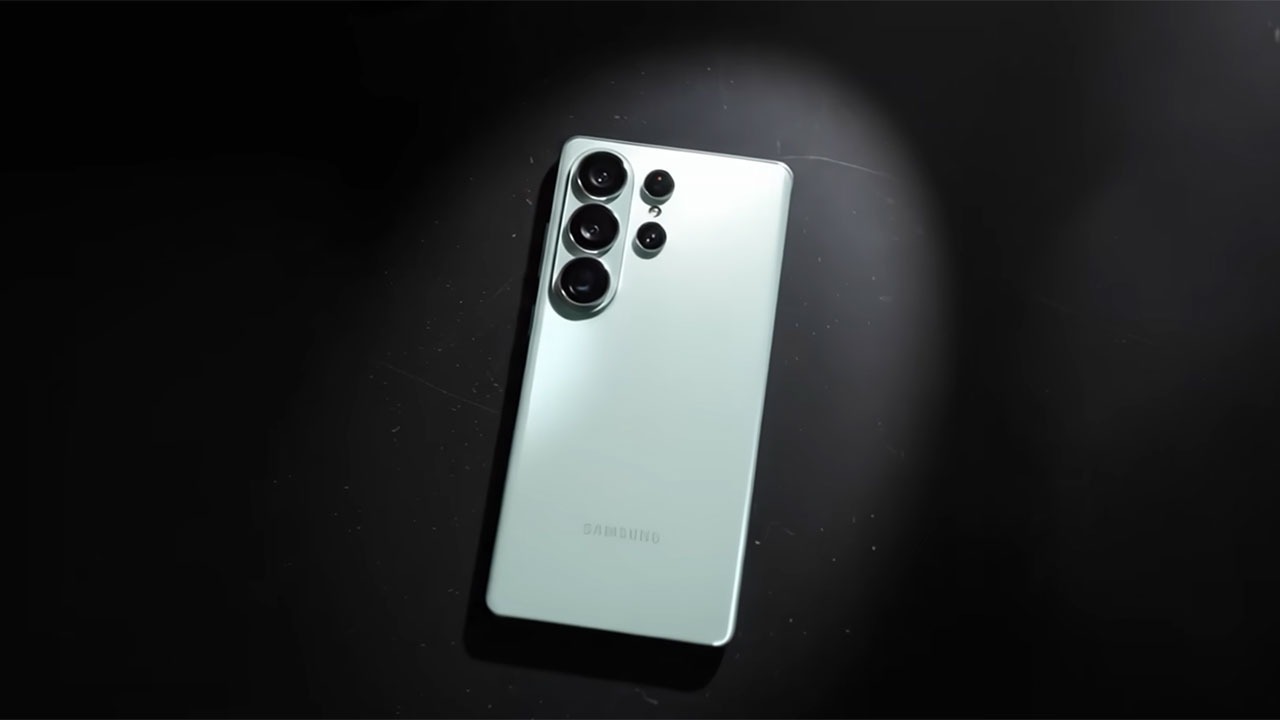

The Samsung Galaxy S26 Ultra is shaping up to be the company’s most aggressive flagship refresh in years, with leaks pointing to a larger display, faster charging and a camera package that leans hard into computational tricks. The biggest question is not whether it will be powerful, but how much of a leap it will feel like over the already capable Galaxy S25 Ultra and rival devices from Apple and Google. I am looking at the most credible specs and design rumors to map out where Samsung seems ready to push hardest, and where it may simply refine what already works.
How the Galaxy S26 Ultra fits into Samsung’s flagship strategy
Samsung has spent the last few generations turning its Ultra line into a hybrid of productivity tool and camera-first slab, and the Galaxy S26 Ultra appears set to double down on that formula rather than reinvent it. The leaks so far suggest a device that keeps the familiar S Pen-centric identity but stretches the screen, battery and charging to keep pace with the most demanding users, especially those who treat their phone as a primary work and entertainment machine. That approach fits a broader pattern in the Samsung Galaxy family, where the Ultra model is positioned as the no-compromise option while the standard S26 and S26 Plus cater to more mainstream buyers.
Early specification dumps describe the Galaxy S26 series as an evolution of the current generation, with one report noting that the Samsung Galaxy S26 specs are “more or less the same” as the S25 in several areas, even as this is the first time we have seen major leaks about its internals at this level of detail. That framing, which explicitly compares the new phones to the last-gen S25, underlines how Samsung Galaxy is balancing continuity with targeted upgrades rather than chasing a radical redesign in 2026, and it sets expectations for the Ultra model to deliver its biggest wins in a few key categories rather than across the board, as highlighted in the detailed However leak.
Display and design: a bigger canvas with subtle shape changes
The most eye-catching upgrade is the screen, with multiple reports converging on a move to a 6.9-inch panel that pushes the Ultra deeper into small-tablet territory. One detailed breakdown describes Samsung’s Galaxy S26 Ultra as featuring a 6.9-inch 120Hz AMOLED display, a combination that would give it more room for multitasking, S Pen note-taking and immersive video while keeping the fast refresh rate that has become standard at the high end. That 6.9-inch figure is not just a rounding error from earlier models, it signals a deliberate choice to stretch the diagonal and make the Ultra stand out more clearly from the smaller S26 and S26 Plus siblings, as spelled out in the report on 6.9-inch AMOLED hardware upgrades.
Design-wise, the S26 Ultra is tipped to soften some of the harsher edges that made earlier Ultras feel a bit brick-like in the hand. One comparison between S25 Ultra and S26 Ultra notes that S26 Ultra Features Design-wise, expect a makeover with slightly curvier corners so it does not dig into your palm, which should make the larger footprint easier to manage without sacrificing the squared-off aesthetic that fans associate with the Ultra line. That same analysis points to refinements in how the camera housing and frame blend together, suggesting Samsung is focused on comfort and ergonomics as much as raw screen size, a shift that becomes clearer when you look at the broader list of Ultra Features Design changes.
Display tech and visual experience: what 6.9 and AMOLED really mean
Beyond sheer size, the S26 Ultra’s screen technology is central to how premium it will feel day to day. A 120Hz AMOLED panel at 6.9 inches suggests Samsung is not chasing exotic resolutions or foldable tricks here, but instead refining brightness, color accuracy and HDR performance on a familiar canvas. For users, that likely translates into smoother scrolling in apps like X and Instagram, more responsive stylus input when sketching in apps such as Clip Studio Paint, and better visibility outdoors, all without the battery penalties that come with pushing resolution too far. The emphasis on AMOLED also reinforces Samsung’s long-standing strategy of using its display division as a showcase for the phone business, with the S26 Ultra expected to be a reference point for other manufacturers sourcing panels.
One of the more granular rumor roundups even breaks out a table of Samsung Galaxy S26 Ultra: Rumored specifications, listing the Display at 6.9 inches, which lines up with the separate mention of a 6.9-inch 120Hz AMOLED display and gives extra weight to the idea that this size is locked in rather than speculative. That same overview frames the S26 Ultra as the top of the Samsung Galaxy stack, with the Display spec sitting alongside other high-end metrics like advanced camera sensors and generous memory options, reinforcing the sense that the screen is a core pillar of the device’s identity rather than a marginal tweak, as captured in the Rumored Display breakdown.
Performance, chipset and RAM: chasing desktop-class speed
On the performance front, the Galaxy S26 Ultra is widely expected to lean on the latest flagship silicon, with leaks pointing to a next-gen chipset paired with high RAM ceilings to keep Samsung competitive in gaming and AI-heavy workloads. While specific chip model numbers are not fully locked in across reports, the pattern is clear: Samsung wants the Ultra to feel instant when juggling multiple apps, editing 4K video or running on-device generative tools, not just when opening a single game. That focus on sustained performance rather than short benchmark spikes is particularly important as Android 15 and beyond push more machine learning tasks onto the device itself.
Memory and storage rumors reinforce that ambition, with one detailed India-focused leak stating that the Samsung Galaxy S26 Ultra specs include configurations that climb to 16GB RAM and 1TB storage, positioning the phone as a genuine laptop alternative for users who live in apps like Adobe Lightroom, LumaFusion and Microsoft 365. The same report pegs the Expected India pricing for the Ultra at around Rs 1,34,999, with the S26 and S26 Plus tipped to start at Rs 84,999 and Rs 99,999 respectively, which underscores how Samsung is segmenting the line by both performance and price. Those figures, including the precise 34,999, 84,999 and 99,999 rupee markers, paint a picture of a tiered strategy that reserves the most aggressive performance and storage options for the Ultra, as laid out in the Expected India pricing and specs leak.
Battery life, charging and Qi2: power users finally get a boost
Battery life has long been a strong point for Samsung’s Ultra phones, but capacity alone is no longer enough when rivals are pushing 65W and 80W wired charging as standard. One of the most intriguing S26 Ultra leaks centers on a certification that reveals a major charging boost, with documentation showing the Samsung Galaxy S26 Ultra listed alongside a 60W charger on an official website. That 60W figure would be a significant jump over the 45W ceiling on recent Ultras, and when combined with a likely modest bump in battery capacity, it could dramatically cut top-up times for users who rely on fast charges between meetings or during travel, as highlighted in the detailed look at the 60W charger certification.
Wireless charging is also poised for a meaningful upgrade, with one comprehensive rumor roundup noting that Samsung is preparing a full commitment to Qi2 wireless charging for the S26 Ultra. Qi2, which uses a magnetic ring similar to Apple’s MagSafe, promises more efficient power transfer and better alignment on compatible pads, which should reduce heat and wasted energy while making it easier to snap the phone onto accessories like car mounts and desk stands. The same report frames this Qi2 move as part of a broader set of refinements that include a likely late February announcement window and a Full Galaxy S26 lineup refresh, signaling that Samsung sees charging as a key battleground in the next flagship cycle, as outlined in the Qi2 wireless rumor summary.
Battery capacity and endurance: how much bigger is “slightly bigger”
Capacity numbers for the S26 Ultra’s battery are still in flux, but one focused analysis of rumored upgrades across the Samsung Galaxy S26 family points to a “slightly” bigger battery for the Ultra compared with its predecessor. That same report reminds readers that The Galaxy S25 Ultra was the sixth Ultra phone in a row to get a 5,000mAh battery, but still managed to be longer-lasting than Apple’s iPhones in many tests, which sets a high bar for the S26 Ultra to clear. If Samsung nudges capacity beyond 5,000mAh while also improving efficiency through a newer chipset and display tuning, the result could be a device that comfortably handles a full day of heavy use, even with 120Hz enabled and camera-heavy workloads.
The framing of a “(slightly) bigger battery” is important because it tempers expectations of a massive jump in raw milliamp-hours, instead suggesting that Samsung is betting on a combination of modest capacity gains and smarter power management. For users, that likely means the S26 Ultra will feel more resilient under strain, with fewer dips into battery saver mode during long navigation sessions in Google Maps or extended gaming in titles like Genshin Impact. The broader list of five rumored Samsung Galaxy S26 upgrades, which ranges from chipset surprises to magnetic charging, positions this battery tweak as one piece of a holistic endurance story rather than a headline-grabbing spec bump, as detailed in the A (slightly) bigger battery breakdown.
Camera system and satellite connectivity: more than just megapixels
Camera rumors around the Galaxy S26 Ultra focus less on raw sensor counts and more on how Samsung will refine zoom, low light and computational photography. While the exact sensor lineup is still being pieced together, leaks describing a “massive” Samsung Galaxy S26 spec sheet suggest that the Ultra will continue to lean on a multi-lens array with dedicated periscope zoom and high-resolution main sensors, backed by improved image processing. The goal appears to be cleaner detail at long range, more natural skin tones and better motion handling in video, areas where Samsung has made steady progress but still faces stiff competition from devices like the iPhone 17 Pro Max and Google Pixel 10 Pro.
Connectivity is another frontier, with one certification-focused report noting that the Samsung Galaxy S26 Ultra’s paperwork not only reveals a 60W charger but also references satellite connectivity. That addition would bring the Ultra in line with a growing trend of emergency satellite messaging and location sharing on high-end phones, giving users a backup communication channel when they are off the grid or out of cellular coverage. Combined with the broader list of key specs laid out in the table of a massive Samsung Galaxy S26 leak, which organizes details into Row and Cell entries for everything from cameras to connectivity, the picture that emerges is of an Ultra that treats satellite support as a standard part of the flagship package rather than a niche add-on, as captured in the Row 0 – Cell 0 style spec dump.
Software, AI features and ecosystem play
Hardware alone will not define the S26 Ultra’s appeal, and Samsung appears poised to lean heavily on software and AI to differentiate its top-tier phone. With Android continuing to integrate more on-device intelligence, from live transcription to generative photo editing, the combination of a powerful chipset and ample RAM on the S26 Ultra should give Samsung room to roll out features like advanced note summarization for S Pen users, context-aware Bixby routines and smarter camera scene detection. The larger 6.9-inch display and S Pen support make the Ultra a natural canvas for these tools, especially for professionals who annotate PDFs, mark up design drafts or juggle multiple messaging apps for work.
Samsung’s broader ecosystem strategy also plays into how the S26 Ultra will be positioned. The company has been steadily tightening integration between its phones, Galaxy Buds, Galaxy Watch and Windows PCs, and a flagship like the S26 Ultra is likely to be the showcase device for features such as seamless file sharing, multi-device clipboard and cross-device app continuity. While the leaks do not spell out every software trick, the way they cluster around high-end hardware and premium pricing suggests Samsung sees the Ultra as the anchor of a larger product ecosystem, a role that is reinforced by its presence in retail listings and comparison tools that highlight it as the top Samsung Galaxy product in the lineup, as seen in aggregated product views.
Pricing, positioning and what it means for buyers
Pricing leaks for the Galaxy S26 Ultra suggest Samsung is comfortable keeping its most premium phone firmly in ultra-flagship territory, especially in markets like India where the rupee figures make the hierarchy between models very clear. With the Expected India price for the Ultra pegged at around Rs 1,34,999 and the S26 and S26 Plus starting at Rs 84,999 and Rs 99,999 respectively, Samsung is drawing a sharp line between the base models and the fully loaded Ultra. For buyers, that means the decision will hinge on how much they value the combination of 6.9-inch AMOLED display, 16GB RAM, 1TB storage and faster charging, versus the more modest but still capable specs on the cheaper variants.
Globally, that pricing strategy positions the S26 Ultra as a direct rival to the most expensive configurations of Apple’s Pro Max and Google’s Pro flagships, while also giving Samsung room to discount the device through carrier deals and seasonal promotions without eroding its premium image. The fact that leaks consistently describe the S26 Ultra as receiving significant performance and hardware upgrades, including the 6.9-inch 120Hz AMOLED display and enhanced charging and connectivity, reinforces the idea that Samsung wants buyers to see it as a long-term investment rather than a one-year stopgap. In that context, the detailed tables of Samsung Galaxy S26 Ultra: Rumored specifications and the narrative around Dec launches and Full Galaxy lineup refreshes are less about exact dates and more about signaling that this Ultra is meant to anchor Samsung’s high-end phone strategy for the next cycle, as reflected in the comprehensive Samsung Galaxy Ultra overview.
More from MorningOverview