
Across the United States, lakes that once seemed pristine are now testing grounds for some of the most aggressive organisms on the planet. From toxic algal blooms to invasive plants and tiny crustaceans, experts are warning that the window to contain these threats is closing fast and that communities must act now to protect both public health and local economies.
I see the same pattern repeating from New England to the Mountain West: a harmful species appears in one reservoir or river, spreads silently on boat hulls and fishing gear, and within a few seasons begins to reshape entire ecosystems. The science is clear that early intervention is far cheaper and more effective than crisis response, yet many lake users still underestimate how much damage a single plant fragment or microscopic snail can do.
Hydrilla: the plant that turns lakes into green traps
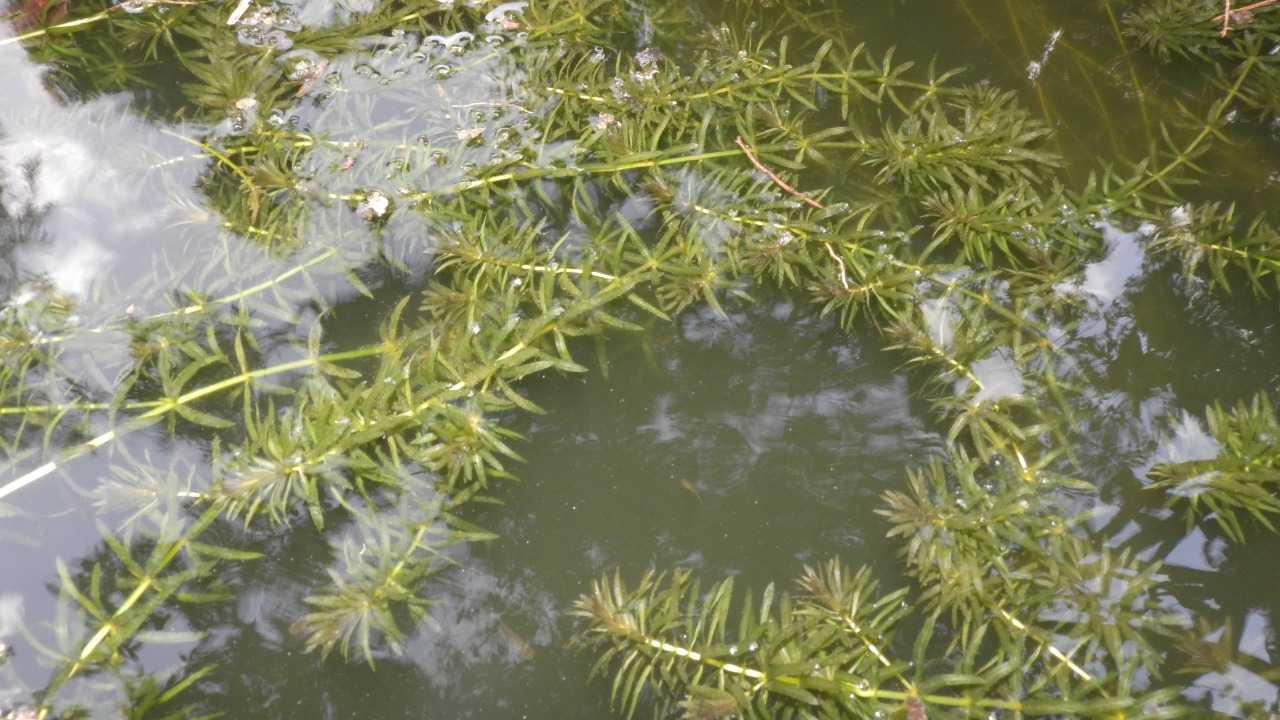
Among the most alarming invaders is Hydrilla, a submerged plant that looks harmless until it carpets a lake from shore to shore. In public briefings, specialists like Jul have stressed that Hydrilla is not just an aquatic weed but a direct threat to river ecology, boating access, and the fishing economy in any river or lake in the state where it takes hold. Once it forms dense mats at the surface, it can choke boat channels, block sunlight to native plants, and create stagnant pockets of low oxygen that stress or kill fish.
State agencies are now treating Hydrilla as a top-tier emergency, not a cosmetic nuisance. In Connecticut, officials have warned that Hydrilla is a fast-growing invasive plant that crowds out native species, damages aquatic ecosystems, and harms local communities, and they have turned to targeted herbicide applications as the most effective control method in the Connecticut River. That kind of intervention is controversial but underscores how quickly this plant can transform a public waterway into a green trap if managers wait too long.
Harmful algal blooms: when lake water itself turns dangerous
While invasive plants clog propellers, harmful algal blooms are turning clear water into a toxic hazard for swimmers, pets, and wildlife. On Lake George in New York, scientists have warned that the Arrival of Harmful Algal Blooms Calls For Unprecedented Protective Actions, noting that these outbreaks can push even a famously clean lake toward the same fate as more polluted waters without concerted action. The concern is not just the unsightly scum on the surface but the toxins some blooms release into the water column.
Public health agencies are increasingly blunt about the risks. The Centers for Disease Control and Prevention explains that Types of harmful algal blooms include cyanobacteria, dinoflagellates, and other algae that can irritate skin, trigger respiratory problems, or cause serious illness if ingested. On the Hudson River, regional alerts have emphasized that Some HABs can produce toxic byproducts that can make humans and animals sick through contact with contaminated water, fish, or aerosols, a reminder that the danger is often invisible until symptoms appear.
Why experts keep repeating the same urgent phrase: act now
Ecologists and lake managers are not using alarmist language lightly when they say communities must act now. In Washington State, officials reviewing a past herbicide program against Eurasian watermilfoil framed the lesson bluntly under the heading Why act now?, pointing out that a treatment applied in July 2019 was successful in eliminating much of the Eurasian watermilfoil in one lake, but only because it was deployed before the plant fully dominated the system. Waiting longer would have meant higher costs, more chemicals, and a longer recovery for native vegetation.
The same logic applies to other aquatic nuisance species, often grouped under the term ANS. In Oklahoma, wildlife officials have warned that In just a few years from first arriving in a waterbody, ANS can significantly infest the ecosystem, making later control efforts far more difficult. That is why they stress Preventative measures and strongly encourage every boater to follow a “Clean, Drain, Dry” procedure before leaving a reservoir, treating every outing as a potential vector for spread.
How nutrient pollution supercharges toxic blooms
Behind many harmful algal blooms is a quieter driver: excess nutrients washing into lakes from farms, lawns, and streets. Federal scientists note that One of the potential effects of excess nutrients in lakes is the overgrowth of cyanobacteria, also known as blue-green algae, which can produce toxins that kill fish, mammals, and birds. When warm temperatures and calm conditions line up with high phosphorus and nitrogen levels, a lake can shift almost overnight from safe swimming to posted warnings and closed beaches.
The agricultural sector is being urged to treat this as a livestock and business risk, not just an environmental issue. Conservation specialists warn that These organisms can produce toxins (known as cyanotoxins) that are harmful to humans, livestock, working animals, and pets, and they recommend reducing and treating nutrient losses to waterbodies as a frontline defense. For farmers and ranchers, that means better manure management, buffer strips along streams, and careful timing of fertilizer applications to keep runoff out of ponds and reservoirs.
Invasive invertebrates: tiny hitchhikers with outsized impacts
Not all harmful lake invaders are plants or algae. Some of the most disruptive are tiny invertebrates that cling to fishing lines, anchors, and waders, then establish new colonies far from their original range. In Lake George, the discovery of spiny water flea prompted urgent guidance telling anglers to INSPECT & CLEAN your fishing, boating and other water recreation equipment and gear and to Remove all mud, plants, and other material before leaving any waterbody known to contain an aquatic invasive species. Those instructions might sound tedious, but they are designed around the reality that a single clump of eggs or resting stages can seed a new infestation.
Lake Champlain is facing a similar challenge from fishhook waterflea, another small crustacean that tangles on lines and alters food webs. Managers there emphasize that Preventing the spread of fishhook waterflea depends on a simple but strict routine: Clean boats and trailers, Inspect and remove plants, animals, and mud from anchor lines and angling equipment, and let everything dry thoroughly between trips. Once these species are established, there is no practical way to remove them, so prevention is the only realistic strategy.
New Zealand mudsnails and viral fish diseases: threats you cannot see
Some harmful organisms are so small that lake users never realize they have carried them home. In California, wildlife officials reported that Boaters, anglers and others who may visit any body of water, within or outside of infested areas, are being asked to decontaminate their gear before entering a new waterway because of invasive New Zealand mudsnails in Lake Tahoe. These tiny snails can pass through fish digestive systems alive, outcompete native invertebrates, and rapidly reach enormous densities on streambeds.
Fish diseases add another layer of invisible risk. In the Great Lakes region, guidance on viral hemorrhagic septicemia urges anglers to Remove all mud, aquatic plants and animals (such as snails, zebra mussels, etc.) from all fishing gear, boats, motors and trailers before leaving a waterbody. The goal is to keep infected fish, water, and equipment from spreading the virus to new lakes, where it can trigger mass die-offs and long-term damage to sport fisheries.
Boaters and anglers on the front line of containment
For all the sophisticated lab work and mapping tools agencies now use, the most important decisions still happen at the boat ramp. In Arkansas, after an invasive plant outbreak at Millwood Lake, managers reminded the public that The boating and angling public can help with stopping the spread of this and other aquatic invasive species by cleaning vegetation from boats, draining livewells and bilges, and drying all compartments thoroughly. Those steps are not optional add-ons; they are the backbone of any serious containment plan.
Other states are delivering the same message in slightly different words. In Virginia, the Department of Wildlife Resources notes that Some aquatic invasive species that DWR is actively working to prevent the spread of can be moved on trailers, bait buckets, and even damp life jackets, and it stresses that boaters and anglers should always follow best practices to prevent the spread of aquatic invasive species. Local lake associations echo that advice, with groups on Black Lake in Michigan offering practical checklists and noting that Here is a really short summary of state boating guidelines that emphasize cleaning hulls, trailers, and other equipment before leaving the water body.
Public health warnings: from county beaches to backyard docks
As harmful algal blooms become more frequent, local health departments are shifting from occasional advisories to routine seasonal warnings. In western New York, one county’s message was unambiguous: County Health Department Urges Lake Users To Be Cautious Avoid or limit exposure to water where these algal blooms are occurring, especially for children and pets. That kind of language reflects a growing recognition that even short-term contact with contaminated water can carry real health risks.
Advocacy groups are trying to correct misconceptions about what a dangerous bloom looks like. One analysis notes that Harmful algal blooms aren’t the typical green surface ooze seen on the top of lake waters and that, While ugly to look at when they do form scums, they can also lurk below the surface or appear as streaks and clumps that many people mistake for harmless pollen. The advice is consistent: if there is any evidence of a bloom, people and pets should stay out of the water and avoid using it for drinking or cooking unless it has been properly treated.
What a coordinated response looks like on the ground
When harmful species are confirmed in a lake, the most effective responses combine science, enforcement, and public cooperation. On Lake George, the same organization tracking blooms has warned that without unprecedented protective actions, the lake could follow a similar fate to more degraded waters, a phrase that captures both the urgency and the possibility of avoiding worst-case outcomes. That means investing in stormwater upgrades, septic system repairs, and shoreline buffers to cut nutrient inputs before they reach the lake.
On the invasive species front, agencies are pairing treatment projects with aggressive outreach. In Arkansas and Oklahoma, managers have not only knocked back invasive plants but also pushed “Clean, Drain, Dry” campaigns that mirror the Preventative guidance at Robert S. Kerr Reservoir. In Virginia and California, decontamination stations and signage remind Boaters and anglers that they are part of the solution every time they scrub a hull or drain a livewell. The common thread is clear: harmful creatures may be spreading, but with consistent action from agencies and everyday lake users, their grip on America’s waters is not yet inevitable.
More from MorningOverview