
Tesla’s aggressive price cuts have done more than move metal off showroom floors. They have reset what Americans think an electric car should cost, jolting new-vehicle demand while knocking thousands of dollars off the value of used EVs almost overnight. The result is a market where bargain hunters are suddenly in control and long-time owners are discovering just how volatile electric-car economics can be.
What started as a strategy to keep factories humming has now flipped the script on the entire secondhand EV ecosystem, from suburban driveways to auction lanes. As prices for new Teslas slide and fresh incentives come and go, used models are piling up, dealers are rewriting their playbooks, and competitors are scrambling to keep up with a benchmark that keeps moving.
The price-cut strategy that set off a chain reaction
Tesla has spent the past two years turning price into its sharpest competitive weapon, trimming stickers on core models again and again to keep demand flowing. The company was already the dominant force in battery cars, and earlier in the EV boom, Data from research firm Motor Intelligence shows that Tesla accounted for about 65% of the total electric vehicle sales in the United States. When a company with that kind of share starts cutting deeply, the effects do not stay confined to its own order books.
Those cuts have not been a one-off clearance event but a rolling reset that keeps undercutting prior buyers. Each new round of discounts instantly reprices every similar car already on the road, and because Tesla sells directly, there is no dealer buffer to absorb the shock. As the company keeps leaning on lower prices to stimulate demand, it is effectively repricing the entire EV segment in real time, with used values taking the brunt of the adjustment.
From Fremont to the rest of America: how discounts reshaped demand
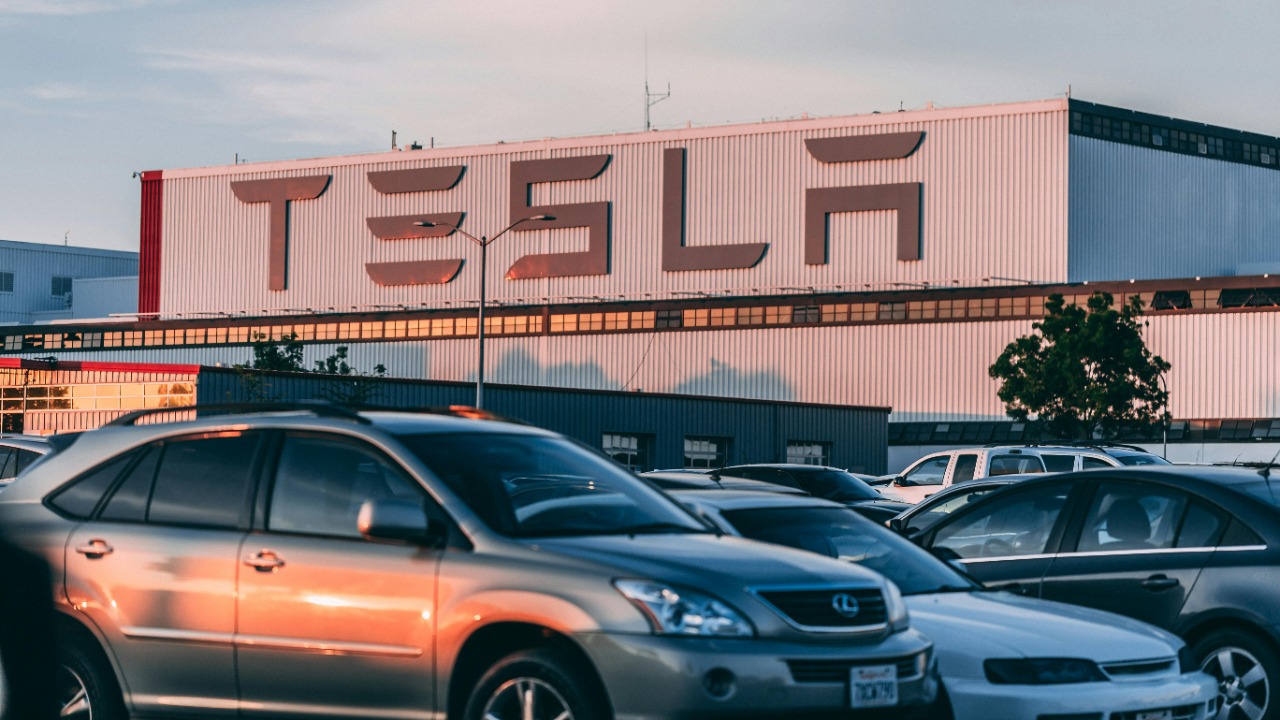
The impact of this strategy is visible right outside Tesla’s own facilities. In the city of Fremont, where the company runs one of its key plants, used EV lots have filled with trade-ins from owners chasing cheaper new models. That local pattern has spread across much of the United States, as retail sales of secondhand electric cars climb and shoppers who once saw EVs as out of reach now find them priced alongside mainstream gasoline sedans and crossovers.
At the same time, the lack of truly fresh Tesla nameplates has nudged some buyers toward the pre-owned market instead of waiting for a next-generation model that has yet to appear. With each new discount, the gap between a brand-new car and a lightly used one narrows, encouraging owners to swap out sooner and feeding more inventory into dealer pipelines. The cycle reinforces itself: more trade-ins, more supply, and more pressure to cut used prices further to keep vehicles moving.
Used EV prices are collapsing, and Tesla is at the center
As new Teslas get cheaper, the floor under used EV values has given way. Analysts tracking wholesale auctions and dealer listings describe a broad reset in which electric cars are losing value faster than comparable gasoline vehicles. One key driver is the sheer scale of Tesla’s reductions, with Tesla price cuts identified as the biggest single reason behind the slide in secondhand EV pricing.
Because Tesla effectively sets the reference point for what a modern electric car should cost, its discounts ripple into every other badge. When a new Model 3 or Model Y drops in price, used versions of those cars must follow, and rival EVs are forced to adjust as well to stay competitive. That dynamic has turned what might have been a gradual depreciation curve into a steep cliff, leaving some owners underwater on loans and making leasing residuals look wildly optimistic in hindsight.
Why owners feel burned while buyers see a windfall
For existing Tesla drivers, the speed of this repricing has been jarring. Many paid a premium for early access to long-range EVs and now see similar or better cars listed for far less than their outstanding balances. Some of the frustration is emotional, but the financial hit is real, especially for those who bought new shortly before a major discount round and then watched their equity vanish almost overnight.
On the other side of the transaction, shoppers are discovering deals that would have been unthinkable a few years ago. Analysts tracking trade-in data report that Used EV Prices Are Dropping enough that buyers can step into relatively new battery cars for the cost of a midrange gasoline SUV. That shift is expanding the EV audience beyond early adopters and high-income households, even as it leaves some first-wave owners feeling like they subsidized the discounts that newer customers now enjoy.
Demand problems behind the discounts
The price cuts are not happening in a vacuum. Tesla has been wrestling with slowing growth and policy headwinds, particularly in the United States, where the expiration of key tax credits has taken some of the shine off its lineup. According to fresh industry estimates, According to new estimates from Cox Automotive (via Reuters), Tesla sold approximately 39,800 vehicles in the US in November, a level described as the company’s lowest in years despite its best efforts to stimulate demand.
That kind of slowdown helps explain why the company keeps reaching for deeper discounts and new promotions. In Dec, But the company has been described as racing to avoid another year of declining sales, following Tesla‘s first-ever year-over-year drop in deliveries. With few brand-new models ready to soak up demand, cutting prices on existing cars has become the fastest lever to pull, even if it means sacrificing margins and destabilizing the used market.
When cheaper Teslas still do not clear the lot
Even with lower stickers, not every Tesla is flying out of inventory. Some of the company’s more basic trims have struggled to find an audience, suggesting that price alone cannot solve every demand problem. Commentators looking at sales of entry-level sedans have argued that Tesla Standard versions, while cheaper, may not offer enough perceived value or differentiation to justify a switch from better-equipped rivals or from used models that deliver more features for similar money.
That mismatch underscores a deeper shift in the EV market. Early adopters were willing to pay for novelty and performance, but mainstream buyers are more sensitive to compromises in comfort, range, and build quality. If a stripped-down new car feels like a downgrade from a well-optioned used one, shoppers will gravitate to the secondhand lot, reinforcing the glut of pre-owned inventory and keeping pressure on prices even as Tesla keeps trimming MSRP.
How the used Tesla brand is evolving
The flood of discounted cars has also started to reshape how people think about Tesla as a brand, particularly in the secondhand space. What was once a status symbol is now a common sight in online classifieds, and some shoppers are questioning whether the vehicles hold their value or their cultural cachet. Marketing experts note that it is easy to look at public outrage over price swings and assume the brand is weakening, but the reality is more nuanced.
In one analysis, assistant professor of marketing Ike Silver pointed out that while some owners feel burned, Tesla still commands strong recognition and interest among used-car shoppers. The challenge is that as more vehicles hit the market, buyers have the luxury of being choosier, comparing build years, battery health, and software features in a way that was not possible when supply was tight. That scrutiny can make flaws more visible, but it also reflects a maturing market where used EVs are judged like any other car, not as exotic tech products.
Competitors feel the squeeze from Tesla’s decisions
Tesla’s pricing moves have not only disrupted its own resale values, they have also put intense pressure on rival automakers. When the market leader slashes stickers, every other EV maker must decide whether to match the cuts, risk losing share, or pivot to a different value proposition. Analysts examining the ripple effects argue that How Tesla‘s decision to lower the price of its electric vehicles can put additional pressure on competitors that lack the same cost structure or brand pull.
Legacy manufacturers that only recently launched their first serious EVs now face a market where used Teslas, often with robust fast-charging access and over-the-air updates, are priced against their new offerings. That comparison can be brutal. A shopper weighing a discounted, two-year-old Model Y against a brand-new electric crossover from a traditional brand may decide the Tesla still feels more advanced, even if it is pre-owned. To compete, other automakers are being forced to sweeten lease deals, extend warranties, or bundle charging perks, all of which eat into margins and complicate their own path to profitability.
Winners and losers in the flipped EV market
The net effect of Tesla’s price war is a used EV landscape that looks nothing like the one early adopters expected. On the winning side are buyers who can now access long-range electric cars at prices that rival mainstream gasoline models, along with fleet operators and ride-hailing drivers who can justify EVs based on lower upfront costs and operating savings. Dealers who adapt quickly, using data to price aggressively and educate customers about battery health, can also thrive in a market where volume matters more than per-unit profit.
The losers are more scattered. Individual owners who bought high and now need to sell are absorbing steep losses, and lenders that misjudged residual values are recalibrating their risk models. Automakers that cannot match Tesla’s cost base or brand recognition are being dragged into a discounting spiral that threatens their EV business cases. As the market continues to adjust, the only constant is volatility, and the used EV segment is where that volatility is most visible, with Tesla’s pricing decisions still setting the pace for everyone else.
More from MorningOverview