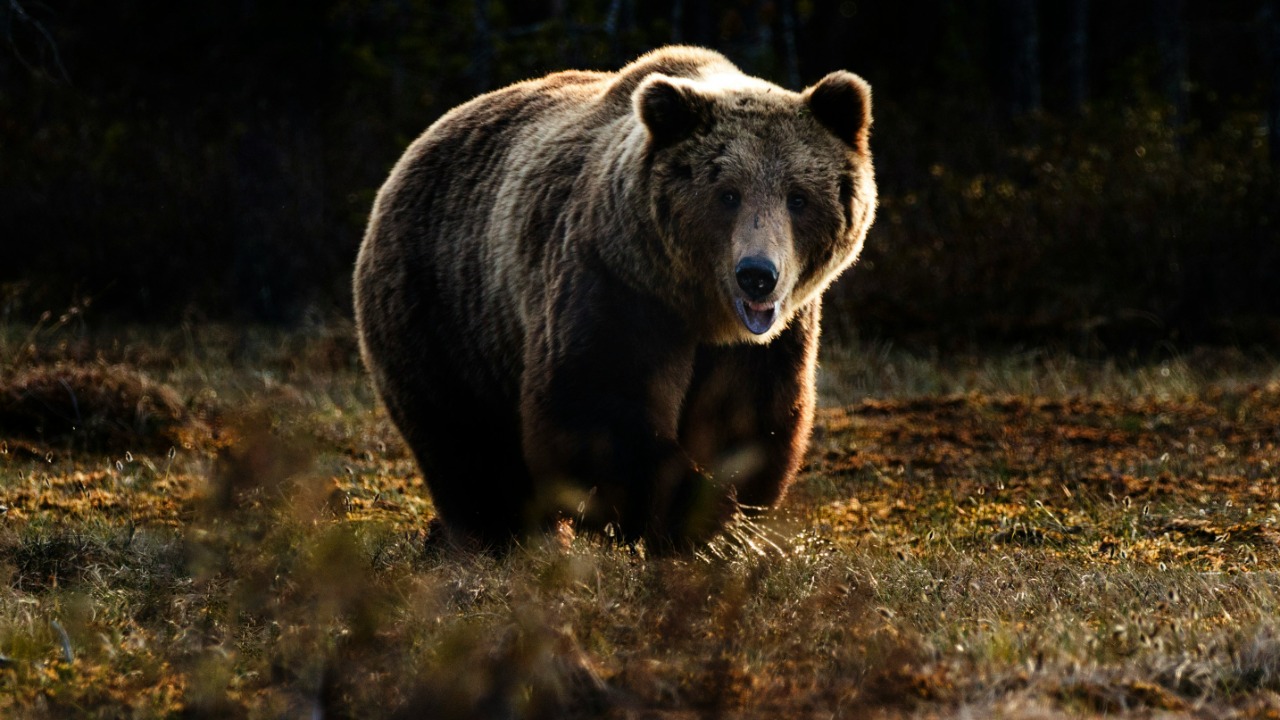

Across the Arctic, one bear stands apart from all the others, not just in size but in how it looks at us. While most large carnivores treat people as a threat to avoid, this predator is one of the few on Earth that can size up a human as straightforward prey, a walking bundle of calories in a frozen desert. To understand why, I need to look past the viral clips and campfire stories and into the biology, behavior and stark realities that have turned the polar bear into the planet’s most formidable bear for humans.
The story is not simply that polar bears are big and strong, although they are. It is that their entire design, from their skulls to their hunting instincts, has been honed for a world where missing a meal can mean death, and where curiosity about an unfamiliar shape on the ice can quickly become a lethal test bite. That survival logic, combined with shrinking sea ice and growing human presence in the Arctic, is what makes this animal uniquely dangerous.
Why polar bears sit at the top of the danger list
When people argue about the “most dangerous” bear, they often picture a charging grizzly or a black bear raiding a campsite. Yet the evidence points somewhere colder. Multiple lines of reporting describe polar bears as the most dangerous bears in the world, a status that reflects not just their size but their willingness to treat humans as potential food. Analyses of bear attacks note that grizzly bears account for a significant share of fatal encounters in North America, but they also emphasize that polar bears occupy a different category because of how they hunt and how rarely they encounter people compared with more abundant species like black bears and brown bears, including the grizzly, across the continent, a pattern highlighted in discussions of bear abundance.
That distinction matters. Grizzlies and black bears are dangerous largely when surprised, defending cubs or competing for food, which is why statistics show grizzly bears accounting for a notable share of serious attacks and why safety advice focuses on how to prevent those situations from happening in the first place, as detailed in breakdowns of grizzly encounters. Polar bears, by contrast, are apex predators that live in a landscape with few alternatives to meat and fat, and that ecological pressure shapes a more predatory relationship with anything they meet on the ice, including us.
The anatomy of an apex predator built for killing
To grasp why polar bears are so lethal, I start with their bodies. These animals are the largest bear species on Earth, with adult males that can weigh more than half a small car and stand higher than a person even on all fours. Their skulls are long and narrow, their necks powerful, and their jaws built to crush through thick blubber and bone. Analyses of bear species emphasize that polar bears have some of the strongest bite forces of any bear, a trait that lets them tear apart the heavy, fatty carcasses that sustain them and that underpins their ranking as the most dangerous bear.
The rest of the body matches that weaponry. Massive paws spread their weight over thin sea ice and double as paddles in frigid water, while long, curved claws hook into the hides of seals and other prey. Their fur and fat insulate them from temperatures that would kill a person in minutes, allowing them to stalk across open ice for hours without losing strength. Wildlife experts point out that these bears are designed for ripping apart blubbery seals, and that the same adaptations, from their muscle mass to their incredibly sharp teeth, make them devastatingly effective if they decide to test a human’s defenses, a reality that becomes clear in detailed profiles of polar bear power.
Predators that see humans as prey, not just intruders
Most large carnivores treat humans as a problem to avoid, not a meal to pursue. Polar bears are one of the few animals on Earth that break that rule. Wildlife explainers describe how even healthy, well fed polar bears can show a predatory interest in people, stalking them across the ice and testing barriers, and they stress that this species is one of the only land predators that routinely preys on humans when the opportunity arises, a pattern underscored in breakdowns of apex predator behavior.
That mindset is rooted in survival. Polar bears primarily hunt seals and rely on sea ice as a platform to ambush them, but when food is scarce they cannot afford to ignore any potential source of calories. Reports on their hunting instinct explain that polar bears are one of the few animals on Earth known to view humans as potential prey, and that unlike many other large predators they may actively approach and investigate people, especially when hunger overrides caution, a dynamic described in detail in analyses of how polar bears hunt.
How hunger and curiosity turn into attacks
In the Arctic, a starving predator cannot afford to be picky. Observers who have watched polar bears up close describe how a bear will sometimes fixate on a human, following slowly, testing fences or vehicles, and probing for weaknesses. One widely shared clip shows a polar bear trying to eat a person inside a protected observation pod, with experts explaining that this is not mindless aggression but a calculated attempt to access food, a behavior rooted in a mindset that comes from survival necessity and that is unpacked in explainers of polar bear hunting instinct.
Scientific and historical accounts of man-eating animals reinforce this picture. In discussions of Bears that have attacked people, polar bears, particularly young and undernourished ones, are singled out as predators that will hunt people for food when other options fail. These sources emphasize that although bears rarely attack humans compared with how often they encounter them, polar bears occupy a special place in that category because they are more likely to treat a lone person on the ice as a legitimate target, a pattern documented in entries on man-eating bears.
Deadliest bear versus most frequent attacker
It is important to separate how often a species attacks from how dangerous it is when it does. In parts of Europe, for example, brown bears have been responsible for a series of serious incidents. Between 2016 and 2021, Romania recorded multiple fatal bear attacks, a reminder that even species that generally try hard to avoid humans can become deadly when habitat loss, food shortages or habituation bring them into closer contact with people, a trend explored in depth in reviews of deadliest bear encounters.
Yet those statistics do not dethrone the polar bear as the most dangerous bear species. Analysts who compare different bears point out that the polar bear is considered the most dangerous bear species because of its sheer size, power and unpredictable nature, and because it is one of the few that will sometimes approach humans with the same intent it brings to a seal kill. They stress that although other bears may attack more often simply because they live closer to dense human populations, the polar bear’s combination of physical dominance and predatory mindset makes it uniquely risky for anyone who steps into its territory, a conclusion echoed in assessments of the most dangerous bear species.
Where you might actually meet the world’s top killer bear
For most people, polar bears exist at a distance, on documentaries and social media feeds. In reality, there are specific places where the risk of a close encounter is very real. Detailed guides to bear danger explain that polar bears are the most dangerous bears in the world and outline where you might encounter them, from remote Arctic islands to coastal settlements where bears come ashore when sea ice retreats. These reports note that polar bears will attack humans, and that in some high risk areas people carry rifles or other deterrents as standard equipment, a precaution described in discussions of where you might encounter polar bears.
These are not casual tourism destinations. In some Arctic communities, residents adjust daily routines around bear movements, using spotters, patrols and secure storage to reduce the chance of a surprise meeting. Expedition operators build entire safety protocols around the assumption that a curious bear could appear at any time, from setting up trip wires and flares around camps to training staff in how to respond if a bear tests a vehicle or tent. The underlying premise is simple: in polar bear country, a human on foot is not at the top of the food chain.
Why most bears avoid us, and why polar bears are different
To understand how unusual polar bears are, I compare them with their cousins. Black bears, for example, are widespread across North America and are involved in many human encounters, yet they rarely treat people as prey. Safety data show that black bears are more likely to bluff charge, retreat or focus on food sources like garbage than to stalk a person. Grizzly bears, a subspecies of brown bear, are more aggressive, and analyses of bear attacks note that grizzly bears account for a significant share of serious incidents, but they typically attack in defense of cubs, carcasses or territory rather than as part of a hunting strategy, a pattern that emerges clearly in breakdowns of grizzly bear attacks.
Polar bears break that mold because of where and how they live. Their main prey, seals, are calorie dense but hard to catch, and the bears rely on sea ice as a platform to ambush them. When that ice melts or prey becomes scarce, a polar bear cannot simply switch to berries or insects the way a brown bear might. That ecological trap pushes them to investigate any potential food source, including humans, with a level of persistence that other bears rarely show. Wildlife explainers describe how even healthy, well fed polar bears can still show interest in people, reinforcing the idea that this species is one of the only land predators that routinely preys on humans when the opportunity arises, a point underscored in analyses of polar bear predation.
Living with the planet’s most dangerous bear in a warming world
As the Arctic warms, the relationship between polar bears and people is changing. Shrinking sea ice forces bears to spend more time on land, closer to human settlements, research camps and shipping routes. Wildlife commentators note that polar bears are one of the few animals on Earth known to view humans as potential prey and that, unlike many other large predators, they may actively approach and investigate people when food is scarce, a behavior that becomes more likely as their traditional hunting grounds disappear, as described in explainers on how sea ice loss affects polar bears.
For communities and travelers in polar bear country, that means adapting fast. Some Arctic towns now run regular patrols to haze bears away from homes and schools, while expedition operators refine their safety briefings to emphasize that a polar bear encounter is not a photo opportunity but a potentially lethal situation. Educational content on apex predators stresses that even healthy, well fed polar bears can pose a serious threat and that they are one of the only land predators that routinely preys on humans, a warning that underpins modern guidance on how to behave in areas where apex predators still rule.
Respecting a killer without turning it into a monster
Calling the polar bear the planet’s top killer bear risks turning it into a caricature, a white-furred villain prowling the ice in search of humans. The reality is more complicated. These animals are apex predators, but they are also specialists trapped in a rapidly changing environment, forced to push the boundaries of their behavior to survive. Commentators who unpack their hunting instinct emphasize that the mindset that leads a polar bear to test a human enclosure comes from survival necessity, not malice, a nuance that emerges in explainers of polar bear behavior.
For anyone venturing into their world, the lesson is clear. Respect for polar bears starts with acknowledging what they are: the most dangerous bears in the world for humans, equipped with the size, strength and instincts to treat us as prey when circumstances demand it. That does not mean demonizing them, but it does mean planning every trip, every camp and every coastal settlement around the possibility that a curious shape on the horizon is not just passing through. It is a predator that has survived on the edge of extinction for millennia, and that still, in the right conditions, sees us as easy prey.
More from MorningOverview