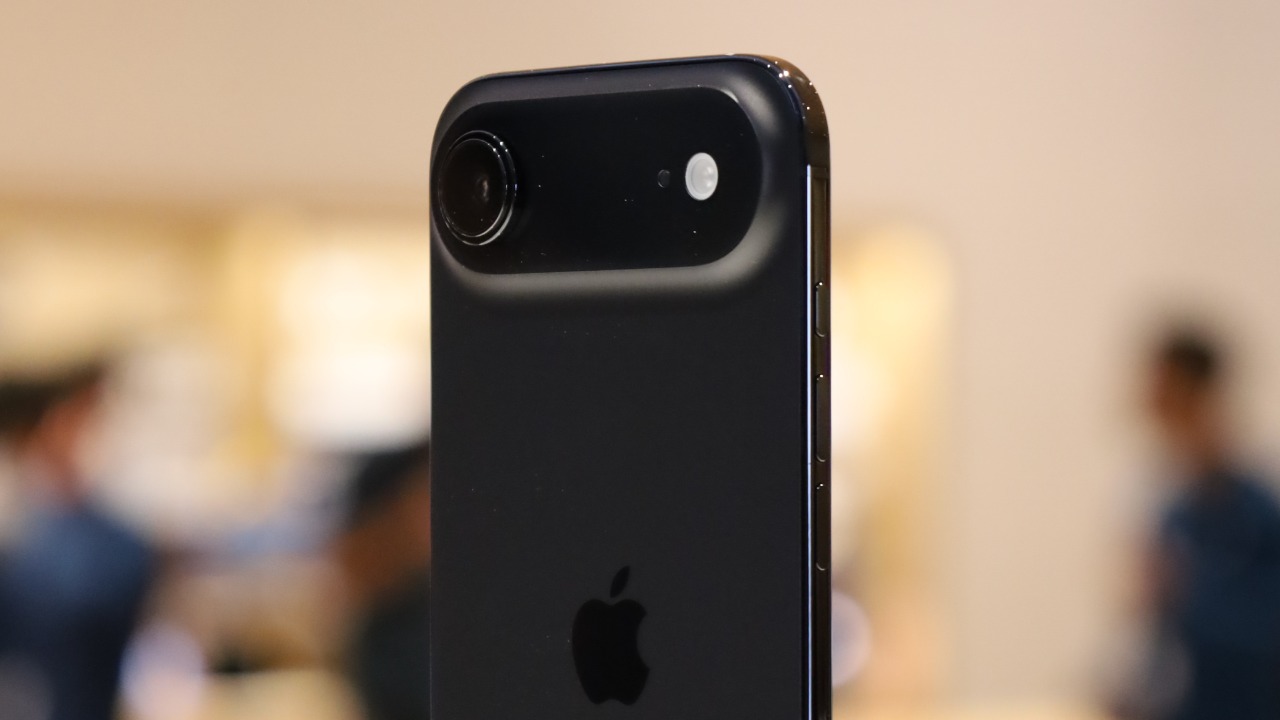

Apple’s hardware roadmap is entering a dense stretch of launches, with a handful of flagship devices poised to redefine the company’s core product lines. From a slimmer iPhone Air to a rugged Apple Watch Ultra 3 and a next-generation Apple Watch 11, the near-term calendar is packed with hardware that could shape how people upgrade in 2025 and beyond. I will walk through four Apple product launches to watch closely, focusing on what the reporting already confirms and what those moves signal for the broader ecosystem.
1. The iPhone Air Debut
The iPhone Air is expected to be unveiled at the Apple event 2025 in Cupertino, where coverage has already centered on a new, slimmer iPhone design sitting alongside the iPhone 17 Pro. That positioning matters, because it suggests Apple is not replacing its premium flagship but rather adding a parallel line that emphasizes thinness and portability over sheer specification brute force. In practical terms, a thinner chassis could mean a lighter device that appeals to users who have found recent Pro models too heavy, especially when paired with camera bumps and rugged cases. It also hints at Apple’s confidence in maturing technologies like stacked batteries and more efficient chipsets, which are needed to maintain all‑day battery life in a slimmer frame. By placing the iPhone Air on the same stage as the iPhone 17 and AirPods Pro 3, Apple is clearly signaling that this is not a niche experiment but a central pillar of its 2025 phone strategy.
For consumers and developers, the stakes around the iPhone Air are straightforward: it could reset expectations for what a mainstream premium iPhone looks and feels like. A thinner device with modern internals would likely share the same app compatibility and ecosystem hooks as the rest of the iPhone 17 family, which means developers can target one performance baseline while users choose based on form factor. Broader reporting on upcoming Apple hardware, including roundups of Apple product launches expected into early 2026, underscores how the company is layering new models rather than retiring old categories, creating more granular price and feature tiers. If the iPhone Air lands at a slightly lower price than the iPhone 17 Pro while still offering modern cameras and connectivity, it could become the default upgrade path for people coming from older non‑Pro models. That would pressure rivals like Samsung’s Galaxy S series and Google’s Pixel line to respond with their own ultra‑thin flagships, reinforcing how a single new iPhone variant can ripple across the broader smartphone market.
2. Apple Watch Ultra 3 Refresh
Apple Watch Ultra 3 is set for a major refresh, with its reveal tied directly to the same Apple Watch Ultra 3 introduction that describes it as the most advanced Apple Watch, offering even more health, fitness, safety, and connectivity features. That official positioning confirms Apple Watch Ultra 3 as the spearhead of the company’s wearable strategy, not just a niche device for climbers and divers. The Cupertino event coverage of the next 10 Apple products rumored to be coming soon reinforces that Ultra 3 sits in a broader wave of hardware, but its focus on rugged features makes it stand out. The Ultra line already emphasizes a larger display, extended battery life, and specialized modes for endurance sports; a third‑generation model that adds more advanced health metrics and connectivity tools would deepen its appeal to serious athletes, first responders, and outdoor professionals who need a device that can survive harsh conditions while staying tightly integrated with iPhone.
The implications for the wearables market are significant, because Apple Watch Ultra 3 pushes the category further into the territory once dominated by dedicated sports watches from brands like Garmin and Suunto. By framing Apple Watch Ultra as both a rugged tool and a full‑featured Apple Watch, Apple is effectively arguing that users no longer need to choose between a smartwatch and a specialized fitness device. That strategy aligns with broader expectations for every new Apple product launching in 2025 and beyond, where health and ambient computing features are increasingly central. For stakeholders such as app developers in fitness, navigation, and safety, a more capable Ultra 3 means a larger addressable market for advanced features like offline maps, multi‑band GPS, and incident detection. It also raises the bar for competitors, who must now match not only rugged hardware but also the depth of Apple’s health and safety ecosystem, from fall detection to emergency SOS, if they want to keep high‑end users from switching platforms.
3. Apple Watch 11 Upgrade
The Apple Watch 11 is emerging as one of the most closely watched wearables in Apple’s pipeline, thanks in part to a massive Apple leak that exposed 10 new products, including this next‑generation watch. That leak places Apple Watch 11 alongside a new Apple TV, a new iPad mini, and other hardware, suggesting Apple is planning a coordinated refresh across several product families rather than a one‑off update. Within that context, Apple Watch 11 looks like the mainstream counterpart to Apple Watch Ultra 3, likely inheriting some of the Ultra’s health and performance improvements while staying in a more compact and affordable form factor. The fact that Apple Watch 11 appears in the same leaked lineup as multiple other devices indicates that Apple sees the watch as a core driver of ecosystem engagement, from Fitness+ subscriptions to Apple Pay usage. For users who have been holding onto older models like Apple Watch Series 6 or Series 7, the combination of a new design, updated sensors, and a fresh chip could finally justify an upgrade.
From a broader industry perspective, Apple Watch 11 underscores how central wearables have become to Apple’s long‑term strategy. Reporting that tracks new Apple products coming in 2025, including devices like Apple Vision Pro, M5 iPad Pro, AirTag 2, and the next Apple TV, shows that Apple is building a mesh of screens and sensors around the user. In that mesh, Apple Watch 11 is the always‑on, always‑with‑you node that can collect health data, deliver notifications, and authenticate identity. For healthcare providers experimenting with remote monitoring, insurers exploring wellness incentives, and enterprise IT teams rolling out secure authentication, a more capable Apple Watch 11 could expand what is possible without requiring users to carry extra hardware. At the same time, the presence of Apple Watch 11 in a 10‑product leak raises expectations among investors and analysts that Apple will use this cycle to drive higher average selling prices and deeper service attachment, since each new watch sold is also a potential subscriber to services like Fitness+, iCloud, and Apple Music.
4. 2025 Product Lineup Expansion
The 2025 product lineup expansion is not a single device but a coordinated wave of hardware that, taken together, helps explain why the next few Apple launches are so important. Detailed rundowns of 17 new Apple products coming in 2025 describe a portfolio that stretches from the iPhone 17 Pro’s powerful zoom to upcoming M5 devices and smart home expansion, framing 2025 as the start of Apple’s next big wave. That same theme appears in coverage that invites readers to discover four Apple product launches to expect in the near future, which reinforces the idea that the company is staggering major releases across late 2025 and early 2026 rather than clustering them in a single season. Within this broader roadmap, the iPhone Air, Apple Watch Ultra 3, and Apple Watch 11 are early anchors, but they are surrounded by other key devices like updated Macs, new iPads, and refreshed accessories that keep users locked into the ecosystem. For example, reports that Apple has five products coming next year that are already generating excitement highlight how the company is pacing its innovation to maintain constant attention.
Looking slightly further out, the expansion also includes products that bridge categories, such as the M5 Apple Vision Pro and the next Apple TV, which appear in lists that invite readers to discover the new Apple products coming in 2025. Those devices, combined with more traditional updates like new Macs and iPads, show how Apple is building a continuum from pocket devices to living‑room screens and immersive headsets. Video breakdowns like New Apple Products Coming Soon emphasize that there are four new iPhone models, big AirPods and Apple Watch updates, new iPads, new Macs and even some surprises, which aligns with written reporting that catalogs every new Apple product launching in 2025 and beyond. For stakeholders such as app developers, accessory makers, and enterprise IT buyers, this breadth means planning for a more heterogeneous Apple environment where users might move fluidly between an iPhone Air, an Apple Watch Ultra 3, an Apple Watch 11, and an Apple Vision Pro in a single day. That, in turn, raises the importance of cross‑platform design, cloud‑based data sync, and subscription models that follow users across devices, ensuring that each new hardware launch is not just a one‑time sales event but part of a longer‑term relationship with Apple’s expanding ecosystem.
More from MorningOverview