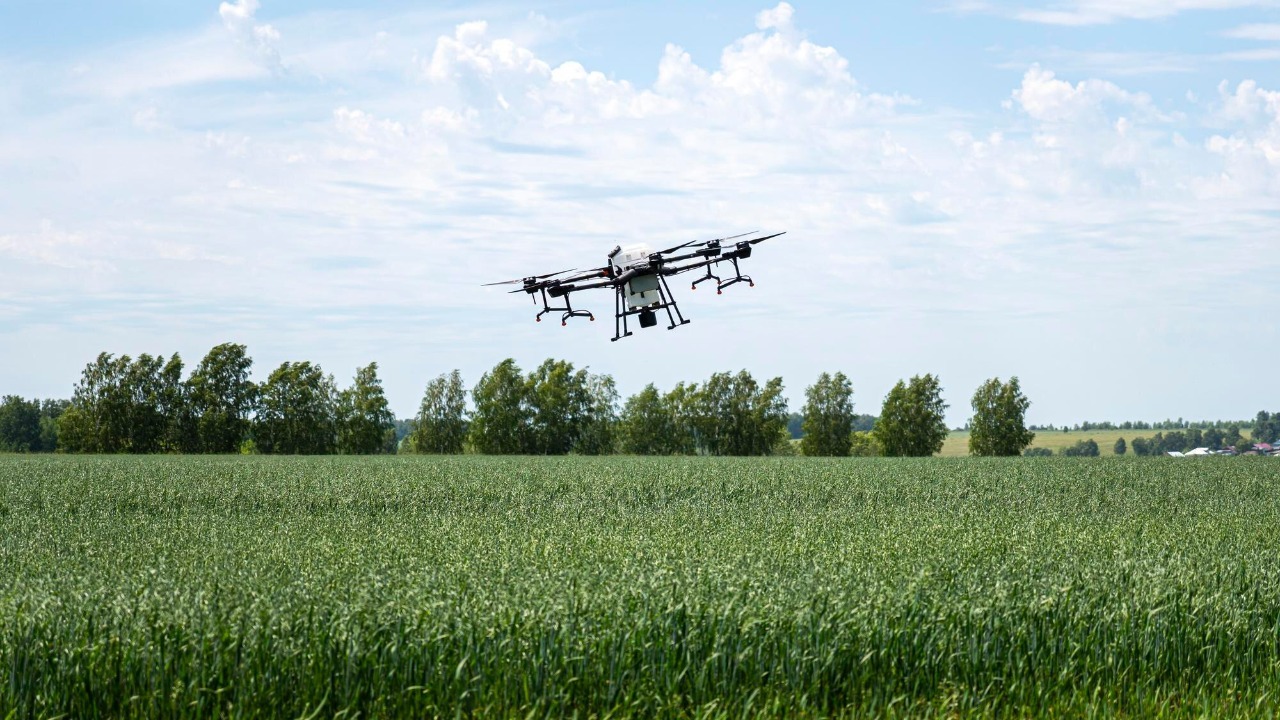

With DJI drones facing bans, import hurdles and outright sales restrictions in parts of the United States, many pilots are scrambling for capable alternatives that do not depend on the company’s ecosystem. I set out to identify five top non-DJI drones that pro reviewers consistently recommend, focusing on models that keep you flying legally while still delivering strong imaging, smart features and real value.
Autel EVO Nano+
The Autel EVO Nano+ is the compact, sub-250 g drone that comes up again and again when professionals are asked what to buy if you cannot purchase a DJI model. In a detailed guide to the best non-DJI drones, reviewers single out the EVO Nano+ as a portable favorite for U.S. users who are running into DJI bans or import complications, precisely because it slips under the 250 g registration threshold while still offering serious imaging. That weight class matters for casual flyers who want to avoid extra paperwork, and it also gives creators a travel-friendly tool that can live in a jacket pocket or camera sling without adding bulk. The Nano+ uses a 1/1.28-inch sensor with a fast lens, so it can capture detailed 4K footage and high-resolution stills in the kind of mixed light where cheaper toy drones fall apart, and its three-axis gimbal helps keep that footage stable in gusty conditions that would rattle lighter craft.
Pro buyers’ guides also emphasize that the EVO Nano+ is a practical choice for beginners who want to sidestep DJI’s software restrictions and geo-fencing while still getting intelligent flight modes. Autel’s app supports subject tracking, quick cinematic presets and return-to-home safety features that mirror what many pilots expect from DJI, but with a different ecosystem and firmware roadmap. At the same time, community discussions such as the thread titled Autel Evo Nano and Nano Plus – DJI Mini 2 Killer? show that experienced owners are candid about quirks, including in-app bugs and issues like random loss of focus on larger Autel models like the EVO 2 Pro. I read those criticisms as a reminder that no brand is flawless, yet the Nano+ still stands out in professional roundups as one of the most balanced non-DJI options for travelers and first-time pilots who want strong image quality without stepping into DJI’s increasingly complicated regulatory shadow.
Skydio 2+
The Skydio 2+ is widely praised as the most capable autonomous alternative to DJI’s compact drones, particularly for pilots who value obstacle avoidance and tracking over manual cinematic flying. In a guide to the best alternatives to DJI drones, reviewers highlight Skydio’s AI-driven navigation as a standout, describing how the 2+ can weave through trees, buildings and other clutter while keeping a subject framed with minimal pilot input. That capability is not a party trick, it is the core of the aircraft’s design, with multiple cameras feeding a real-time 3D map that lets the drone anticipate obstacles instead of simply reacting when it is already too close. For mountain bikers, trail runners or solo filmmakers who need a drone to follow them through complex terrain, that autonomy makes the Skydio 2+ a credible replacement for DJI’s Mini series, which has traditionally leaned on more conservative avoidance systems.
Another reason the Skydio 2+ is gaining traction in pro reviews is its status as a U.S.-made platform at a time when Chinese-built drones are under intense scrutiny from regulators and enterprise buyers. As state and federal agencies debate restrictions on foreign-made aircraft, a domestically produced model with strong autonomy gives commercial operators a way to keep flying without running afoul of procurement rules or future bans. The 2+ also benefits from a growing ecosystem of accessories, including beacon controllers and extended-range antennas, that expand how far and how confidently it can operate in the field. For independent creators, that means a single pilot can capture complex tracking shots that once required a dedicated camera operator and a skilled drone pilot working in tandem. In the broader non-DJI landscape, the Skydio 2+ shows how advanced software and local manufacturing can combine into a compelling alternative for both hobbyists and professionals who want to future-proof their fleets against shifting rules.
Parrot Anafi USA
The Parrot Anafi USA has become a go-to recommendation when buyers need a non-Chinese drone that can handle thermal imaging and meet government-friendly compliance expectations. In a detailed comparison of what to buy now that the DJI Mini 5 Pro is not available in the United States, reviewers point to the Anafi USA as a direct replacement for pilots who need advanced sensors but cannot legally import DJI’s latest hardware, listing it among the drones you should buy instead. That recommendation is rooted in the Anafi USA’s dual visible and thermal cameras, which allow public safety teams, infrastructure inspectors and search-and-rescue volunteers to spot heat signatures, assess building envelopes or monitor wildfires in ways that a standard 4K camera cannot. Because the airframe is designed with enterprise and government users in mind, it also aligns more easily with procurement rules that limit or exclude Chinese-made aircraft.
The stakes around this model have only grown as the DJI Mini 5 Pro has run into legal and regulatory headwinds in the U.S. Analysts examining the Mini 5 Pro’s specifications have noted that the aircraft’s weight and configuration create problems for compliance, with one technical breakdown explaining that the DJI Mini 5 Pro series is over weight for certain categories that previously made DJI’s Mini line so attractive. At the same time, practical guides on how to buy a DJI Mini 5 Pro drone in the United States underline how convoluted it has become to acquire that model at all, involving workarounds that many institutional buyers simply cannot use. Against that backdrop, the Anafi USA’s clear supply chain, thermal capability and regulatory positioning make it more than a niche tool, it is a strategic choice for agencies and contractors who need aerial data without risking program shutdowns or future forced retirements tied to origin-of-manufacture rules.
Holy Stone HS720E
The Holy Stone HS720E has emerged as a favorite in entry-level and value-focused reviews, particularly for hobbyists who want 4K video without paying DJI prices or dealing with DJI-specific restrictions. In a comprehensive roundup of the best drones for photos and video of 2025, the HS720E is singled out in non-DJI categories for delivering strong value, pairing electronic image stabilization with a 4K-capable camera and GPS-assisted flight at a price that undercuts many premium competitors. That combination makes it appealing to new pilots who want to film family trips, real estate exteriors or social media content without worrying that a crash will destroy a four-figure investment. Foldable arms and a compact carrying case also help the HS720E slot into the same backpack-friendly niche that has made DJI’s Mini line so popular, but with a different software stack and a simpler feature set that some beginners actually prefer.
Community comparisons reinforce that positioning by pitting the HS720E directly against DJI’s budget models. In one discussion titled Holy Stone HS720E vs DJI Mini SE : r/drones, users note that The Potensic Atam has a solid 4.5 star Amazon rating and advise readers to Check out Youtuber Alien Drones for reviews on both the Potensic Atom and DJI 2 SE, framing the HS720E as part of a broader field of non-DJI contenders. I see that as evidence that buyers at this price point are actively cross-shopping multiple brands rather than defaulting to DJI, especially when they want to avoid geo-fencing or account requirements. For stakeholders like small content creators, local real estate agents or weekend pilots, the HS720E’s mix of 4K recording, GPS return-to-home and accessible pricing makes it a practical tool to learn aerial filming, build a portfolio and decide later whether to step up to more advanced, and more heavily regulated, platforms.
Potensic ATOM SE
The Potensic ATOM SE rounds out the list as a lightweight, sub-250 g drone that reviewers increasingly recommend as a budget-friendly alternative to restricted DJI models. In a guide to the best drones for filmmaking and flying, the ATOM SE is endorsed for delivering pro-leaning video features without tying users to DJI’s ecosystem, with particular praise for its ease of use and travel-ready design. That matters for creators who want to shoot 4K footage on hiking trips, city walks or road journeys while staying under the registration threshold in many jurisdictions, and it also helps students or early-career filmmakers experiment with aerial storytelling on a tight budget. The ATOM SE’s foldable design, intuitive app and GPS stabilization give it a familiar feel for anyone who has flown a compact DJI drone, but its controls and firmware are tuned by a different manufacturer, which can be a selling point for pilots wary of future DJI-specific bans.
Head-to-head comparisons show that the Potensic ATOM SE is not just a cheaper option, it is competitive on core performance metrics. A detailed breakdown titled Holy Stone HS720 vs Potensic Atom SE explains Why Potensic Atom SE better than Holy Stone, listing advantages such as a 3 km longer flight distance (4 km vs 1 km), a 5 min longer flight time (31 min vs 26 min) and the fact that it Shoots raw for more flexible post-production. Those numbers matter for filmmakers who want to fly farther from the controller, stay in the air long enough to capture multiple takes and grade their footage with the same tools they use for mirrorless or cinema cameras. When combined with the community feedback that The Potensic Atam holds a 4.5 star rating on Amazon and the encouragement to Check Youtuber Alien Drones for hands-on reviews of the Potensic Atom and DJI competitors, the ATOM SE’s appeal becomes clear. It is a lightweight, regulation-friendly drone that gives budget-conscious pilots room to grow their skills and their visual ambitions without locking them into a single, increasingly contested brand.
More from MorningOverview