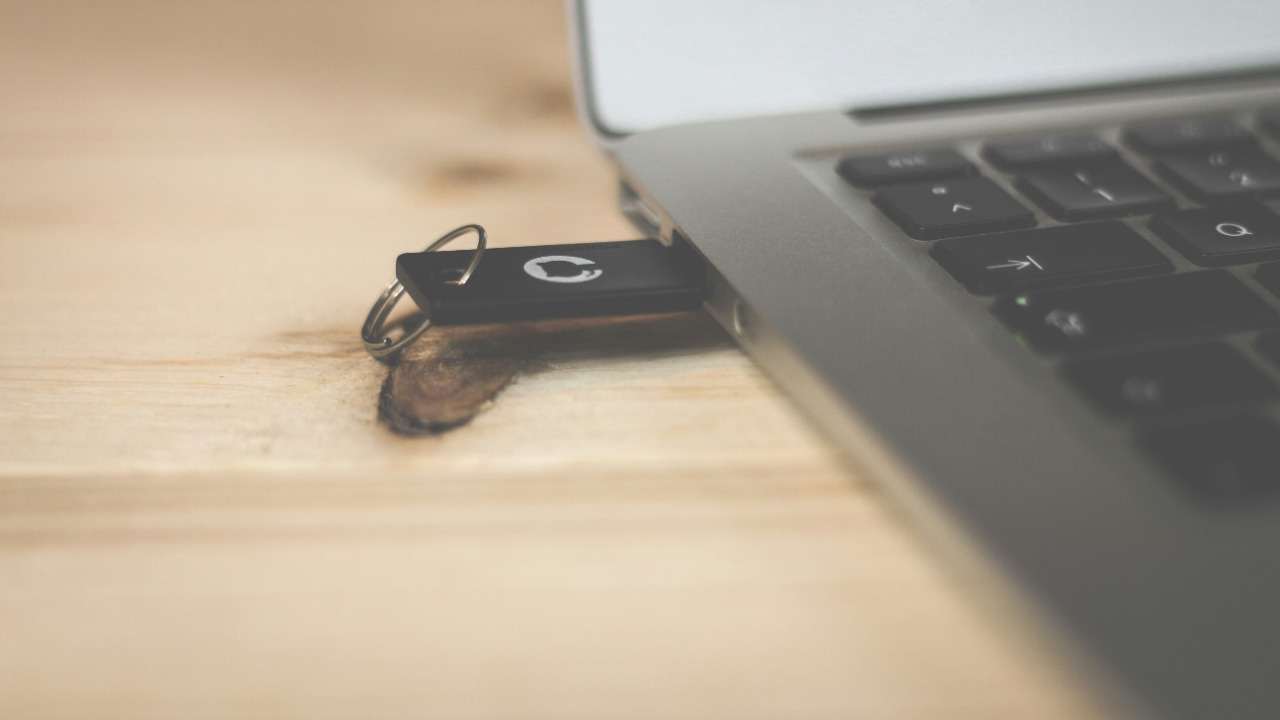

A tiny USB stick can be the difference between being stuck on a locked-down computer and quietly fixing problems, opening files, or rescuing data in minutes. With the right free tools on hand, I can turn almost any machine into a workable workstation, even if I am not allowed to install software or change system settings.
Instead of cramming a drive with random utilities, I focus on a small, curated set of portable apps that cover the essentials: file management, documents, media, security, and system recovery. The five picks below are all free, run directly from a flash drive, and are backed by reporting that highlights how portable software can transform a simple USB stick into a powerful, pocket-sized toolkit.
Why portable apps belong on every USB stick
When I talk about “must-have” USB tools, I am really talking about portable apps, software that runs directly from the flash drive without needing to be installed on the host PC. That distinction matters, because many shared or work machines block new installations, yet they will happily run a self-contained executable from removable storage. Guidance on creating bootable drives explicitly recommends using this kind of setup so you can Carry portable Applications on a USB and launch them without touching the underlying system.
That flexibility is not just a convenience, it is a way to standardize your working environment wherever you go. Reporting on Thankfully portable USB apps notes that these tools remove the need for traditional installation on each computer, which is exactly what you want when you are bouncing between office desktops, school labs, and relatives’ aging laptops. With a single flash drive, I can bring my own office suite, media player, password vault, and repair utilities, then unplug and leave no trace when I am done.
7-Zip: the compression workhorse that always earns its place
Any serious USB toolkit starts with a file archiver, and I reach for 7-Zip because it solves several problems at once. It opens and creates a wide range of archive formats, handles massive compressed folders that older tools choke on, and often squeezes files down smaller than built-in utilities can manage. Coverage of essential USB apps highlights that 7-Zip is a very capable Zip utility, and that is exactly why I treat it as non‑negotiable on a flash drive.
In practice, 7-Zip earns its keep in all the unglamorous moments: unpacking a client’s .rar file on a locked-down office PC, compressing a folder of photos so they fit into an email attachment limit, or cracking open an obscure archive format that Windows refuses to touch. Because it is free and lightweight, I can keep both the standard installer and a portable build on the same stick, ready for whichever environment I encounter. When someone hands me a USB drive full of oddly packaged files, having a robust Zip tool ready to run directly from my own stick often turns me into the person who can actually get their data open.
LibreOffice Portable: a full office suite in your pocket
Documents are still the backbone of most workflows, which is why I always reserve space for LibreOffice Portable. It is a complete office suite that runs from a flash drive, so I can open and edit text documents, spreadsheets, and presentations even on machines that only have a bare-bones viewer installed. Lists of go-to flash drive tools point out that LibreOffice Portable lets you work on almost any document anywhere, and that portability is exactly what makes it indispensable.
What I value most is that LibreOffice Portable is not a stripped-down viewer, it is the same open-source suite I would install on a desktop, just repackaged to live on a USB stick. Expert roundups of the best portable utilities describe LibreOffice Portable as the Best portable office app, which matches my experience when I am handed a .docx or .pptx file on a conference room PC that has nothing but a web browser. I can plug in my drive, launch the suite without admin rights, and get real editing tools, from track changes in a contract to slide transitions in a pitch deck, then close everything and walk away with my work saved back to the stick.
VLC Portable: media playback that just works
Media files are notoriously finicky, and that is why I keep a portable build of VLC Media Player on my USB stick. Whether I am dealing with a training video in an odd codec, an audio recording from a meeting, or a quick clip I need to show on a projector, VLC’s broad format support means I spend less time hunting for missing codecs and more time actually watching or listening. Reviews of top portable software consistently single out VLC as the Best portable media app, precisely because it brings the full VLC experience to any compatible PC without installation.
Running VLC from a flash drive is especially useful in locked-down environments where I cannot install new players or browser plugins. I can plug in my USB stick, open VLC Portable, and play local files, network streams, or even DVDs on older hardware, all while leaving the host system untouched. For anyone who regularly presents video in classrooms, boardrooms, or community spaces, having a reliable media player that lives on your own drive is the difference between a smooth session and a scramble to convert files at the last minute.
KeePass: portable password security that follows you
Security is often the weakest link when people hop between shared computers, which is why I rely on KeePass to keep my credentials under control. Instead of reusing weak passwords or typing sensitive logins into unfamiliar browsers, I store them in an encrypted KeePass database that travels with me on the USB stick. Guidance on password management stresses that KeePass is a free, open source, light-weight and easy-to-use password manager that can even run on a USB stick, which is exactly the combination of traits I want in a portable security tool.
Because KeePass is available for Windows and Linux, I can move between different operating systems without leaving my passwords behind or syncing them through a cloud service I do not control. I keep the database file on the USB drive, protect it with a strong master password, and open it only when I need to log in to a service on a temporary machine. That way, even if I am using a borrowed laptop in a hotel business center, my actual credentials remain encrypted and portable, instead of scattered across browser autofill caches I will never see again.
Portable browsers: your own web environment on any PC
Web browsers are deeply personal tools, packed with bookmarks, extensions, and privacy settings that rarely exist on shared machines. To bridge that gap, I keep a portable browser on my USB stick so I can carry my own configuration from one computer to another. The broader trend toward Thankfully portable applications that do not need to be installed on the host PC makes this approach straightforward, and it means I can browse with my preferred privacy add-ons even on a locked-down office desktop.
In practice, a portable browser lets me keep a consistent set of tools, from passwordless login bookmarks to developer consoles, without leaving a trail of history or cookies behind. I can plug in the USB stick, launch the browser directly from the drive, and work inside a familiar environment that lives entirely in that self-contained folder. When I eject the drive, my browsing session, saved tabs, and extensions come with me, which is especially valuable when I am handling sensitive research or logging into accounts on machines I do not fully trust.
System utilities: diagnostics and recovery in your pocket
Beyond everyday apps, a good USB stick doubles as a first-aid kit for misbehaving computers. I load it with portable system utilities that can check disk health, scan for malware, and gather system information without installing anything on the host machine. Guides to building flexible flash drives emphasize that you can Carry USB tools that run directly from the drive without installation on the host system, which is exactly what you want when you are troubleshooting a family PC or a colleague’s laptop.
These utilities are the ones that quietly save the day: a portable disk checker that spots a failing drive before it dies, a hardware info tool that identifies an obscure graphics card, or a lightweight antivirus scanner that can run even when the installed security suite is broken. Because they are portable, I can launch them even on systems where I do not have admin rights, gather the data I need, and then unplug without leaving behind new software or configuration changes. Over time, that combination of discretion and capability turns a simple flash drive into a trusted diagnostic companion.
Why five apps are enough for a powerful USB toolkit
It is tempting to cram a USB stick with dozens of utilities, but in practice a focused set of five categories covers almost every scenario I encounter. A strong Zip tool like 7-Zip handles archives, LibreOffice Portable takes care of documents, VLC Portable plays media, KeePass secures passwords, and a portable browser plus diagnostics round out the environment. The common thread is that each of these tools is designed to run as a Portable app that does not need to be installed, which keeps the toolkit lean and reliable.
By keeping the lineup tight, I avoid the clutter and confusion that come with carrying a bloated collection of overlapping utilities. I know exactly where to turn when I need to open a strange file, edit a contract, play a training video, log in securely, or diagnose a sluggish PC. That clarity is what turns a simple flash drive into a dependable everyday companion, ready to plug into almost any machine and quietly provide the tools I need to get work done.
More from MorningOverview