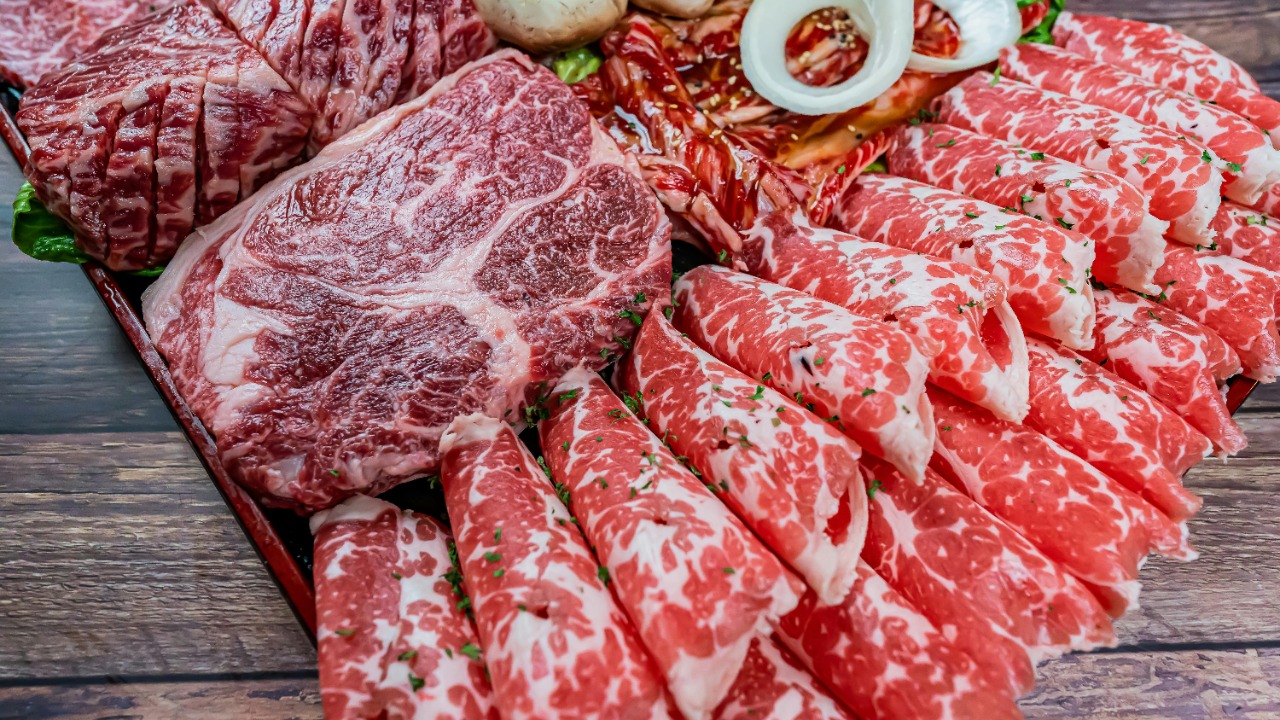

Wagyu beef’s signature richness has long been treated as a kind of culinary magic, but geneticists are now mapping the specific DNA that makes those steaks taste unlike any other. By decoding the cattle’s genome and linking it to fat composition, muscle structure, and even umami intensity, researchers are turning that mystique into measurable biology and revealing the genes behind Wagyu’s most coveted traits.
I see a clear shift underway, from tradition and intuition toward a data driven understanding of how particular genes, feeding regimes, and breeds combine to produce Wagyu’s velvety texture and deep flavor. The result is a new playbook for breeders, ranchers, and chefs who want to protect the heritage of Japanese bloodlines while pushing quality and consistency even further.
Inside the new Wagyu genome: a richer genetic map for flavor
The latest genetic work on Wagyu cattle is not just filling in gaps, it is rewriting how precisely scientists can connect DNA to taste. A new, highly complete Wagyu cattle genome has given researchers a far more detailed view of the variants that influence fat deposition, muscle fiber structure, and metabolism, the traits that ultimately shape how a steak feels and tastes on the plate. In that work, scientists have highlighted “hidden” genes that help explain why Wagyu’s intramuscular fat forms such fine, even streaks rather than the coarse seams seen in many other breeds, a structural difference that diners experience as tenderness and juiciness.
By pairing this genomic map with sensory and biochemical data, researchers can now track how specific alleles correlate with marbling scores, fatty acid profiles, and flavor intensity. The new reference genome, described in detail in a report on Why Wagyu Tastes So Good, underpins that effort by giving breeders a clearer target when they select sires and dams for the next generation. Instead of relying solely on visual appraisal or carcass records, they can now look directly at the “Hidden Genes” that drive marbling and flavor, turning what used to be an art into a more predictable science.
From Japan’s Breed Unique Origins to global demand
To understand why these genetic discoveries matter, it helps to go back to where Wagyu began. The cattle’s story starts in Japan, where a tightly managed breeding system produced a Breed with Unique Origins and a distinctive balance of muscle and fat. Over generations, Japanese breeders selected animals that naturally deposited more intramuscular fat, favoring a softer, more finely grained marbling pattern that would later become synonymous with luxury beef. That long, deliberate process is why modern Wagyu cattle carry a dense cluster of genes that predispose them to high marbling and a velvety mouthfeel.
As exports expanded and crossbreeding programs took off in North America, Australia, and Europe, that genetic legacy became a global commodity. Producers outside Japan now work to preserve core Japanese bloodlines while adapting animals to different climates and feeding systems, a balancing act that depends heavily on understanding which DNA segments are non negotiable for quality. Reports on The DNA of Wagyu emphasize that Wagyu cattle possess specific genes for marbling and fat composition that are difficult to replicate with other beef varieties, which is why breeders guard those lineages so closely even as demand surges in high end restaurants from Tokyo to New York.
The Four Major Wagyu Breeds and Their Characteristics
Within the Wagyu family, not all cattle are created equal, and the flavor story starts with the four core Japanese breeds. The most famous is Kuroge Washu, also known as Japanese Black, the breed that dominates high end Wagyu markets because of its exceptional marbling potential. Alongside it sit Japanese Brown, Japanese Shorthorn, and Japanese Polled, each with its own balance of fat, muscle, and flavor intensity. A detailed overview of The Four Major Wagyu Breeds and Their Characteristics underscores how Kuroge Washu, or Japanese Bla lines, are especially prized for the kind of intricate marbling that underpins the most sought after steaks.
These breed differences are not cosmetic, they are genetic blueprints that shape everything from fat melting point to how flavor compounds are released as the meat cooks. Breeders track heritability and lineage preservation with almost genealogical precision, because crossing the wrong lines can dilute the very traits that make Wagyu distinctive. That is why serious producers still treat pure Kuroge Washu genetics as a gold standard, using them as a reference point when they evaluate crossbred herds and calibrate how far they can push yield or hardiness without sacrificing the sensory profile that defines premium Wagyu.
How specific genes sculpt Wagyu’s marbling
At the molecular level, Wagyu’s signature marbling is the product of genes that control how fat cells form and where they settle inside the muscle. One of the best studied examples is the FASN gene, which encodes fatty acid synthase, a key enzyme in fat production. Research led by Abe and colleagues, cited as Abe et al [52], revealed that different FASN genotypes significantly affect the fatty acid composition of dorsal, intramuscular, and intermuscular fat, shifting the balance between saturated and unsaturated fats. Those shifts translate directly into how soft the fat feels at room temperature and how quickly it melts on a hot grill, two of the sensory cues that set Wagyu apart.
Broader genetic surveys reinforce that Wagyu cattle carry a cluster of alleles that favor intramuscular fat deposition over subcutaneous fat, a pattern that is unusual among beef breeds. Analyses of The Science Behind Wagyu Marbling describe how these genes influence both the number and size of fat cells within the muscle, creating the fine, lace like marbling that consumers associate with top grade Wagyu. When combined with the “Hidden Genes” identified in the new genome work, the picture that emerges is of a breed whose DNA has been tuned over centuries to prioritize marbling density and quality in a way that is difficult to reproduce in other cattle.
Why Wagyu fat tastes different from other beef
Wagyu’s appeal is not just about how much fat there is, it is about what that fat is made of. Compared with many conventional beef breeds, Wagyu intramuscular fat tends to contain a higher proportion of monounsaturated fatty acids, which have a lower melting point and a cleaner, more buttery flavor. That composition helps explain why a thin slice of Wagyu seems to dissolve on the tongue, releasing a wave of savory richness without the waxy residue that heavy saturated fat can leave behind. Reports on The Truth about Wagyu Fat emphasize that the fine marbling distributes this healthy fat evenly throughout the muscle tissue, ensuring every bite delivers consistent flavor and an intense and satisfying eating experience.
That even distribution matters because it changes how flavor compounds are delivered as the meat cooks. As the intramuscular fat melts, it bastes the surrounding muscle fibers from within, carrying aromatic molecules and Maillard reaction products into every corner of the steak. Scientists who study Wagyu have highlighted how this unique fat distribution underpins a broad flavor spectrum, from leaner cuts with a gentle sweetness to ultra marbled slices that deliver a concentrated burst of umami. That spectrum is not random, it is the direct expression of the breed’s genetic wiring for fat type, placement, and behavior under heat.
Marbling, tenderness and the science of mouthfeel
For diners, the most immediate expression of Wagyu genetics is texture. The same intramuscular fat that carries flavor also acts as a physical buffer between muscle fibers, reducing resistance as teeth cut through the meat. Studies on Wagyu marbling explain how this structure enhances tenderness, juiciness, and overall palatability, turning what could be a chewy bite into something closer to a custard like texture. When marbling is fine and evenly distributed, the fat melts gradually during cooking, lubricating each bite and preventing the muscle from drying out even at higher doneness levels.
That same research on rich marbling links these sensory qualities back to genetics, noting that the breed’s DNA sets the upper limit on how much intramuscular fat can be achieved even with optimal feeding. In other words, no amount of grain finishing can turn a typical beef breed into Wagyu if the underlying genes for marbling are not present. That is why producers who want to deliver a consistent mouthfeel focus on both sides of the equation, pairing high marbling genotypes with feeding programs that allow those genes to fully express themselves rather than pushing animals in ways that add external fat without improving the eating experience.
Feeding, metabolism and the role of energy in flavor
Genetics may set the stage, but diet and metabolism decide how fully Wagyu’s flavor potential is realized. Nutritional strategies for Wagyu often aim to support steady, moderate growth so that intramuscular fat can accumulate without excessive stress on the animal, a balance that influences both marbling and meat chemistry. Analyses of Genetics, feeding, and flavor in Wagyu break down how energy dense rations interact with the four main breeds of Wagyu to produce different marbling outcomes, underscoring that even the best DNA needs the right nutritional environment to translate into premium beef.
Experimental work with Japanese Black cattle has gone further, testing how specific feed ingredients can tweak flavor by altering muscle energy stores. In one study of Japanese Black Wagyu fed with sake lees, researchers found that enhanced energy metabolism induced by SL feeding contributed to glycogen retention or synthesis in muscle, which in turn was associated with higher levels of umami in the SL group. Those findings, detailed in a report on Taste Enhancement in Japanese Black Wagyu, suggest that feed can be used as a fine tuning tool to adjust not just marbling but also the savory depth of the meat, provided the underlying Wagyu genetics for marbling and fat quality are already in place.
From lab to plate: measuring flavor with science
As genetic and nutritional research advances, sensory science is stepping in to translate those findings into language chefs and consumers can use. In Australia, for example, researchers working with premium Wagyu have developed a structured flavor wheel that breaks the eating experience into specific attributes, from buttery and nutty notes to levels of juiciness and umami. The Quality assurance offered by this flavor wheel reinforces the provenance of premium Wagyu beef and gives producers a common vocabulary to describe what their genetics and feeding programs are actually delivering.
That framework also helps connect the dots between lab based metrics and real world eating experiences. When Prof Smyth and colleagues talk about using the flavor wheel to drive education in this space, they are effectively turning subjective impressions into data points that can be correlated with marbling scores, fatty acid profiles, and specific gene variants. Over time, that feedback loop allows breeders to see which genetic lines consistently hit the sensory targets that matter most to high end buyers, and it gives chefs a clearer sense of how to select and cook different Wagyu cuts to showcase those traits rather than masking them.
Wagyu’s flavor spectrum and the future of selective breeding
One of the most striking insights from recent research is that Wagyu does not offer a single flavor profile, it spans a spectrum from relatively lean, gently marbled cuts to intensely rich, high grade steaks. Analysts who track this range, such as those behind the “From Lean to Lush” framework, note that Scientists studying Wagyu have highlighted the genetic underpinnings of its unique fat distribution and how that creates distinct experiences across the spectrum. For consumers, that means “Wagyu” is not a monolith, it is a category where genetics, feeding, and grading interact to produce very different steaks under the same label.
For breeders, that diversity is an opportunity. With tools like genomic selection and detailed carcass data, they can now decide whether to push herds toward ultra high marbling for niche luxury markets or aim for slightly leaner, more versatile animals that still carry the core Wagyu traits. Insights from Feb and Mar analyses of Wagyu marbling, combined with the genomic mapping described in Dec reports on Hidden Genes, suggest that the next phase of Wagyu breeding will be more targeted than ever. The goal is not simply more fat, but the right kind of fat in the right place, guided by a growing understanding of how specific genes, such as those identified in Abe et al [52] and in Apr analyses of The DNA of Wagyu, shape the eating experience from the genome up.
More from MorningOverview