
Waymo is pulling back the curtain on one of the most sensitive edge cases in autonomous driving, recalling software after its robotaxis failed to properly stop for school buses. The move puts a spotlight on how self-driving systems interpret some of the most basic rules of the road, and how quickly companies must react when those rules are tested in the real world.
As regulators scrutinize the behavior of driverless fleets and parents watch school bus stops with understandable anxiety, the recall is more than a technical patch. It is a test of whether a leading autonomous player can convince the public that software will respect the bright red lines that human drivers are expected to honor without hesitation.
What triggered Waymo’s school bus software recall
The immediate catalyst for Waymo’s recall was a set of incidents in which its self-driving vehicles passed school buses that were stopped with their safety signals activated. In these cases, the robotaxis did not consistently treat the buses as they should have under traffic laws, which in all 50 U.S. states require drivers to stop when a school bus is loading or unloading children. That gap between code and law is precisely what pushed the company to reexamine how its system recognizes and responds to one of the most iconic vehicles on American roads.
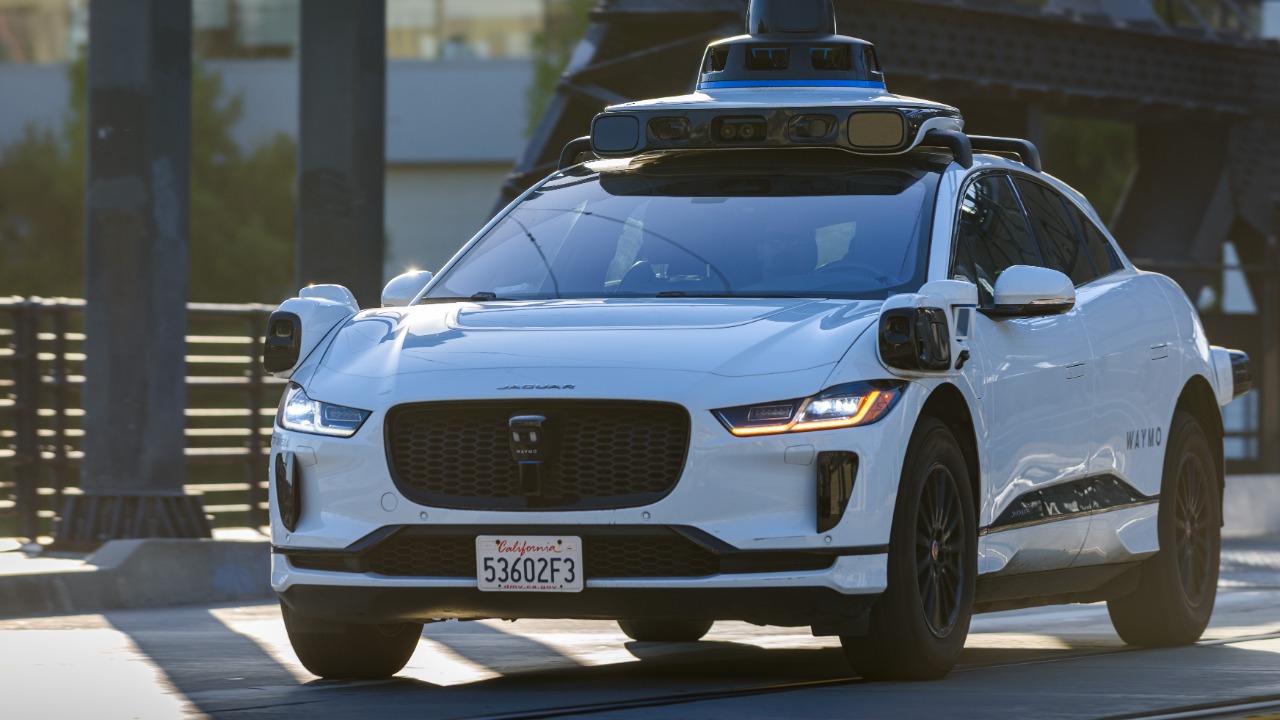
Waymo’s autonomous ride hailing service operates fleets of Jaguar electric vehicles, including in places such as Tempe, Ariz, on the outskirts of Phoenix, where a Waymo autonomous Jaguar electric vehicle has become a familiar sight. The recall centers on how that software stack handled the specific scenario of driving around a school bus, a situation that combines visual recognition, local traffic rules, and conservative decision making. When the system’s behavior diverged from what regulators and school districts expect, the company had little choice but to intervene at the software level.
Federal scrutiny and the Austin school bus incidents
The school bus behavior did not unfold in a vacuum. It landed in the middle of growing federal scrutiny of Waymo’s robotaxis, particularly after reports that vehicles in its fleet drove past school buses in Austin while students were getting on and off. Those incidents raised alarms because they appeared to show the system failing in a scenario that regulators view as a litmus test for safety culture, not just for technical competence.
As the U.S. government expanded its investigation into Waymo, officials focused on how the company’s vehicles behaved around stopped buses and whether the software consistently recognized the need to halt. The probe highlighted that all 50 U.S. states have clear rules requiring drivers to stop for school buses, and it underscored questions about Waymo’s response to the Austin school district’s request to suspend service when students are getting on and off buses. That tension between a local district’s concerns and a national operator’s deployment strategy helped set the stage for the recall.
Waymo’s official explanation and safety messaging
Waymo has framed the recall as an extension of its broader safety philosophy rather than a sign that its technology is fundamentally flawed. In a statement, the company emphasized that it is proud of its safety record but acknowledged that the school bus issue revealed a gap that needed to be closed. That framing is designed to reassure riders and regulators that the company is willing to surface and fix problems rather than minimize them.
The company’s messaging has leaned heavily on the idea that identifying and correcting edge cases is part of responsible deployment. Waymo has said that while it is “incredibly proud” of its performance overall, it is taking action after identifying the school bus issue and is preparing a software recall that directly addresses that behavior. By casting the move as a proactive step, Waymo is trying to maintain its narrative as a safety first operator even as it concedes that its system misjudged one of the most sensitive situations on the road.
The role of Waymo’s Safety Board and prior recalls
The school bus recall is not the first time Waymo has had to revisit its software in response to real world performance. Earlier, the company’s internal Safety Board decided to conduct a recall affecting 1,200 robotaxis after a series of low speed collisions. That decision showed that the company has a formal process for reviewing incidents and, when necessary, ordering changes that affect a large portion of its fleet.
In that earlier case, the Alphabet owned company documented how its Safety Board evaluated the collisions and concluded that a specific version of the software needed to be updated. According to a filing discussed in a Waymo recalls 1,200 robotaxis discussion, the company said it would update the software to “fulfill relevant regulatory reporting obligations.” That history matters now because it shows that the school bus recall fits into a pattern of software level corrections overseen by a dedicated safety governance structure rather than ad hoc fixes.
How the recall will change robotaxi behavior around school buses
The core of the new recall is a change in how Waymo’s vehicles interpret and respond to school buses that are stopped with lights flashing or stop arms extended. The company is effectively teaching its software to treat these vehicles as hard stop signals, not as obstacles that can be cautiously passed. That means the robotaxis will be more conservative whenever a bus is present, even if the system’s sensors believe there is room to maneuver safely.
In practice, that shift should translate into earlier and more decisive braking when a bus is detected, along with stricter rules about when the vehicle is allowed to proceed. Waymo has already had to explain how its system handled a scenario involving a school bus in Tempe, Ariz, where a Waymo autonomous Jaguar electric vehicle was seen driving around a school bus. The updated software is meant to prevent that kind of maneuver, aligning the robotaxis’ behavior more closely with the expectations that human drivers face when they see a bus loading or unloading children.
Waymo Chief Safety Officer Mauricio Peña’s stance
Inside Waymo, the recall has been framed through the lens of its top safety leadership. Waymo Chief Safety Officer Mauricio Peña has been central to articulating why the company is taking this step and how it fits into its broader safety strategy. His role is to bridge the gap between engineering decisions and public expectations, especially when the company is under pressure from regulators and local communities.
In a statement emailed to NPR, Mauricio Peña said that while the company is proud of its safety record, it is acting to address the specific issue of its vehicles passing the district’s school buses. He described how the company is updating its software to ensure that its autonomous ride hailing service behaves appropriately when it encounters a stopped bus, underscoring that Waymo Chief Safety Officer Mauricio Pe is directly tied to the decision to recalibrate the system. That public accountability is a key part of how Waymo is trying to maintain trust while acknowledging that its technology fell short in a high stakes scenario.
Why school buses are a defining test for autonomous safety
School buses occupy a unique place in traffic law and public consciousness, which is why any misstep around them resonates so strongly. They are not just large yellow vehicles, they are rolling symbols of child safety, wrapped in strict rules that require other drivers to stop, wait, and proceed only when it is unquestionably safe. For an autonomous system, correctly interpreting those cues is not optional, it is a baseline requirement for operating on public streets.
From a technical perspective, school buses present a complex recognition problem that goes beyond simple object detection. The system must identify the bus itself, understand the meaning of flashing lights and extended stop arms, and factor in the likelihood that children may be crossing the street in unpredictable ways. When Waymo’s vehicles in Austin and Tempe did not fully honor those constraints, it exposed how even mature autonomous platforms can struggle with scenarios that human drivers are drilled on from their first day in driver’s education. The recall is an acknowledgment that the software must err on the side of caution whenever a bus is involved, even if that means more frequent stops and slower trips.
Regulators, school districts, and the politics of robotaxis
The school bus recall also highlights the growing role of local institutions in shaping how robotaxis operate. In Austin, the school district’s request that Waymo suspend service during student pickup and drop off times signaled that communities are willing to push back when they feel autonomous vehicles are not aligning with their safety priorities. That kind of local pressure can be just as influential as federal investigations, especially when it taps into parental concerns about children at bus stops.
At the same time, federal regulators are using incidents like these to test whether companies such as Waymo are living up to their claims of transparency and rapid response. The expanded investigation into the company’s robotaxis, which scrutinized how they behaved around school buses and how the company handled the Austin district’s concerns, shows that regulators are no longer content to wait for perfect safety records before intervening. Instead, they are treating each high profile incident as a chance to probe the underlying safety culture, from the decisions of the Safety Board to the public statements of executives.
What the recall means for the future of autonomous ride hailing
For riders, the most immediate impact of the recall will likely be subtle: more cautious behavior around school buses, slightly longer waits in neighborhoods with heavy student traffic, and perhaps more conservative routing during school hours. Those changes may not be obvious on a single trip, but they reflect a broader recalibration of how Waymo balances efficiency against risk in its autonomous ride hailing service. The company is effectively signaling that it is willing to accept slower operations in exchange for clearer alignment with traffic laws and community expectations.
For the industry, the recall is a reminder that software updates are not just about adding features or improving comfort, they are also about correcting misjudgments that can have serious safety implications. Waymo’s decision to recall software after identifying the school bus issue, combined with its earlier move to update code following low speed collisions documented in the Safety Board filing, sets a precedent that other operators will be expected to follow. As autonomous fleets expand into more cities and more complex traffic environments, the willingness to issue recalls for specific behavioral flaws, rather than waiting for catastrophic failures, may become a defining marker of which companies earn long term public trust.
More from MorningOverview