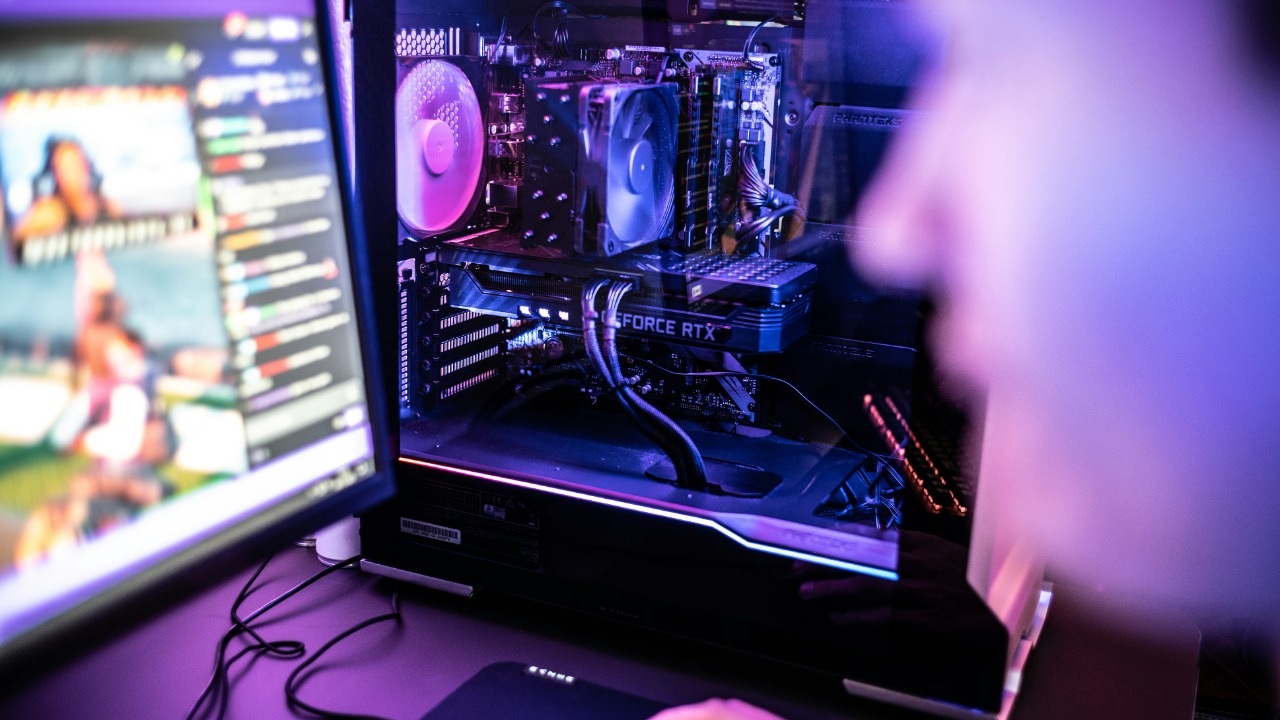

For the first time in years, the default advice for PC gamers has flipped: buying a ready-made rig is often cheaper than piecing one together. A historic spike in RAM costs, driven by AI demand and deepening component shortages, has turned memory into the budget killer in any new build. In this new landscape, prebuilt gaming PCs, once dismissed as overpriced compromises, are suddenly the value play.
The shift is not just about sticker prices, it is about who can still get affordable memory at scale. Big system builders are locking in RAM at older contract rates and bundling it into aggressively specced machines, while DIY shoppers face eye-watering prices for the same capacity. For anyone planning a gaming upgrade, the question is no longer whether to build, but how long this prebuilt advantage will last.
RAM has become the new bottleneck for PC gamers
The core of the problem is simple: RAM is no longer a cheap afterthought, it is the most volatile line item in a gaming budget. Earlier this year, DDR5 and DDR4 RAM prices spiked as memory makers shifted factories toward high-margin chips for artificial intelligence servers. One consumer memory pack that previously sold for $52 now costs several times that, a jump that instantly wrecks the math for anyone trying to build a mid-range gaming PC.
Tracking data from PCPartPicker backs up how extreme the swing has become. According the According the memory price trends, entry-level DDR5 32 GB kits that hovered around ~ $75 in May 2025 have surged toward ~ $200 by Dec, while 256 GB DDR4 kits now retail for over $3000. For gamers, that means the same 32 GB that used to be a sensible upgrade is suddenly a luxury, and any build that aims for high-end performance is punished hardest.
AI demand and supply shocks are driving a long crisis, not a blip
What makes this moment different from past memory cycles is how entrenched the demand looks. AI companies are buying vast quantities of high-bandwidth memory, and manufacturers are prioritizing those lucrative orders over consumer DIMMs. Analysts tracking the supply chain warn that DDR5 and DDR4 shortages are not a short-term glitch, with projections that memory constraints will last till at least Q4 2027 and that higher prices are expected throughout 2026 and 2027 according the According the same pricing data.
Other trackers paint a similar picture on the ground. When one outlet kicked off its coverage by saying, “Let us kick things off with that most generic of memory brands, Crucial,” it was not to mock the company, but to show how even basic kits are now expensive. Their standard and unadorned 32 G DDR5 kit has climbed sharply, and the report notes that panic buying by system builders is compounding the crunch. For gamers, that means waiting for prices to “normalize” is likely to be a multi-year gamble, not a matter of months.
Prebuilts are shielded from the worst of the RAM spike, for now
While DIY shoppers are exposed to every uptick in retail memory prices, big system integrators are still working through contracts signed before the worst of the spike. That is why several analysts now argue that it is cheaper to buy a pre-built gaming PC than building one yourself, especially once you factor in the inflated cost of 32 GB kits and above. One detailed investigation into current deals concludes that the RAM price crisis is only going to get worse, and that prebuilt systems are the rare place where those increases have not yet fully landed, a point underscored in a long-form Dec analysis.
That same report starts by breaking down a Skytech Azure Gaming desktop that pairs an AMD Ryzen 7 7700 CPU with an RTX 5060 Ti GPU and 16 GB of RAM, and shows how replicating it part by part now costs more than the full system. The author notes that the Skytech Azure Gaming configuration, with its AMD Ryzen CPU and RTX graphics card, is priced so aggressively that the DIY equivalent cannot compete once RAM is added at current rates, a conclusion backed by the detailed Skytech Azure Gaming breakdown.
Gamers are already feeling the shift in their wallets
The change is not just theoretical, it is playing out in real buying decisions. On enthusiast forums, long-time builders are telling each other that the old wisdom has flipped. One widely shared comment from a user named Substantial-Singer29, posted in Dec, bluntly states that “yes prebuilts are currently better because the ram prices hasnt changed them yet,” capturing the mood among DIY veterans who are used to squeezing value out of every component. That sentiment, echoed in the Substantial thread, reflects a reluctant but growing consensus.
Even brands that built their identity around DIY culture are acknowledging the new reality. A recent discussion on whether Building your own PC is still worth it in 2025 notes that the badge-of-honor appeal of assembling a rig by hand is now colliding with a market where memory and other parts are heavily marked up. The piece, framed around the question of Building your own PC, concedes that But the economics have changed, and that gamers need to weigh the satisfaction of DIY against the hard numbers laid out in the Building analysis.
Component makers and system builders are warning of more price hikes
Behind the scenes, the companies that assemble gaming rigs are already bracing for higher costs. CyberPowerPC has told partners that it will raise prices across all systems after a massive surge in memory costs, and that the trigger is a 500% jump in RAM pricing tied directly to AI demand. One report notes that CyberPowerPC plans system-wide price increases starting December 7th because RAM prices have surged by 500%, and warns that AI companies’ massive orders are turning once-affordable computer components into luxury goods.
Other boutique builders are sounding similar alarms. In one detailed report on how these prebuilt PCs are about to cost more due to rising RAM prices, CyberPowerPC and Maingear both describe how their margins are being squeezed. CyberPowerPC CEO Wallace Santos explains that the company has no choice but to pass some of the RAM cost increases on to customers, a point highlighted in the coverage of rising RAM costs. For gamers, that means the current window where prebuilts undercut DIY may narrow as contracts renew and new inventory reflects the higher memory prices.
Why prebuilt pricing still beats DIY in late 2025
Even with looming hikes, the numbers today still favor prebuilt systems for most buyers. A broad market overview titled Is It Cheaper To Build Your Own Pc Than Buy Prebuilt In 2025 notes that, in this cycle, prebuilt vendors are using their scale to absorb some of the RAM shock while bundling competitive GPUs and CPUs. The analysis of Prebuilt (2025 Market Trends) points out that while some vendors cut corners on RAM speed, the overall package, including warranty and support, often comes in below the cost of sourcing equivalent parts individually, a conclusion laid out in the Is It Cheaper To Build Your Own Pc Than Buy Prebuilt In breakdown.
Traditional DIY champions are also revisiting their assumptions. A guide comparing Prebuilt PC vs building your own frames Price as the category where builders used to win easily, but now notes that On the surface, the gap has narrowed or even reversed. The piece explains that a Prebuilt PC can sometimes be cheaper because the company that is selling it buys components in bulk and negotiates better rates than any individual shopper, a point made explicitly in the Prebuilt PC comparison.
Real-world rigs: what you get from today’s prebuilt deals
The value proposition is easiest to see in concrete machines. At the mass-market end, the iBUYPOWER SCA7R77XT01 gaming desktop pairs an AMD Ryzen 7 8700F with an AMD Radeon RX 7700 XT, 32 GB of DDR5, and a 1 TB NVMe SSD in a tower with air cooling and Windows 11 Home. That configuration, sold as a complete system through major retailers, shows how much RAM and storage you can still get when a vendor is buying memory in bulk, as seen in the listing for the iBUYPOWER-SCA7R77XT01.
Higher up the stack, The Alienware Aurora line illustrates how premium prebuilts are balancing cutting-edge parts with the new memory economics. One current configuration uses an Intel Core Ultra 7 265F 2025 processor, 32 GB of memory, an Nvidia GeForce RTX 5060 Ti 8 GB graphics card, and 1 TB of storage in a sleek black chassis, a combination that would be punishingly expensive to replicate with retail RAM. The full specification sheet for The Alienware Aurora shows how much performance is being bundled into a single price that still undercuts a comparable DIY build once memory is factored in.
Expert advice: forget DIY, at least until the memory storm passes
Some of the most pragmatic guidance right now comes from voices that normally celebrate tinkering. A recent set of tips on how to ride out the RAM pricing apocalypse includes a blunt recommendation at point four: Forget DIY. Buy a prebuilt or a gaming laptop before prices increase. The author argues that if you are not dead-set on building your own PC, the smartest move is to grab a complete system during a good sale, especially one that already includes 32 GB of RAM, as highlighted in the section labeled Forget DIY.
Broader component coverage echoes that logic. One deep dive into the current PC component crisis concludes that, right now, if you want a new PC, building is not really the way to go. However, the better option is to buy a prebuilt because there is still a long road to travel before memory prices and CPU rumors settle down. The piece frames the choice starkly as “buy a new PC now, or wait until 2027,” and argues that the safer bet for most gamers is to lock in a prebuilt while vendors are still honoring older contracts, a view laid out in the Dec analysis.
How long the prebuilt advantage can last
The catch is that prebuilt vendors are not immune to the same forces squeezing DIY builders, they are just lagging behind. CyberPowerPC’s planned price increases after the 500% RAM surge show how quickly contract advantages can evaporate once new inventory is ordered. A separate report on RAM prices surging 500% as AI demand hits the PC gaming market hard warns that AI companies’ massive orders are turning computer components into luxury goods, and that system-wide price hikes are inevitable as those costs filter through, a dynamic spelled out in the RAM coverage.
For now, though, there are still pockets of value where prebuilt pricing reflects last season’s memory costs. Listings for the iBUYPOWER ESA7R77XT01, for example, emphasize that you can Level up your setup with a configuration that would be far pricier to assemble from scratch, as seen in the product description for Level. Similarly, promotional material for the Alienware Aurora line leans on Top-tier gaming versatility and a streamlined design, but the real story is that 32 GB of RAM and a current-generation GPU are still bundled at a price that beats DIY, as detailed in the overview of Top.
What buyers should do right now
For anyone on the fence, the most important step is to compare full-system deals against a realistic parts list that includes current memory prices. A comprehensive market guide titled Is It Cheaper To Build Your Own Pc Than Buy Prebuilt In 2025 stresses that, in 2025, the personal computing landscape has evolved rapidly and that both paths have trade-offs. The analysis notes that in 2025, the personal computing market forces buyers to weigh not just cost but also time, warranty, and upgrade paths for both paths in 2025, a framework laid out in the Is It Cheaper To Build Your Own Pc Than Buy Prebuilt In overview.
At the same time, it is worth remembering that not all prebuilts are created equal. Some vendors still cut corners on power supplies, motherboards, or RAM speed, even as they advertise big GPU numbers. Shoppers should scrutinize listings like the detailed spec sheets for the Ibuypower Esa7r77xt01 Gaming PC Desktop and the configuration details for the Alienware Aurora Gaming Desktop to ensure they are getting quality components, not just flashy branding. In a market where RAM has become the new bottleneck, the smartest move is to let the big players eat the worst of the price spike, while you focus on finding the prebuilt that gives you the most frames per dollar before the next round of increases hits.
More from MorningOverview