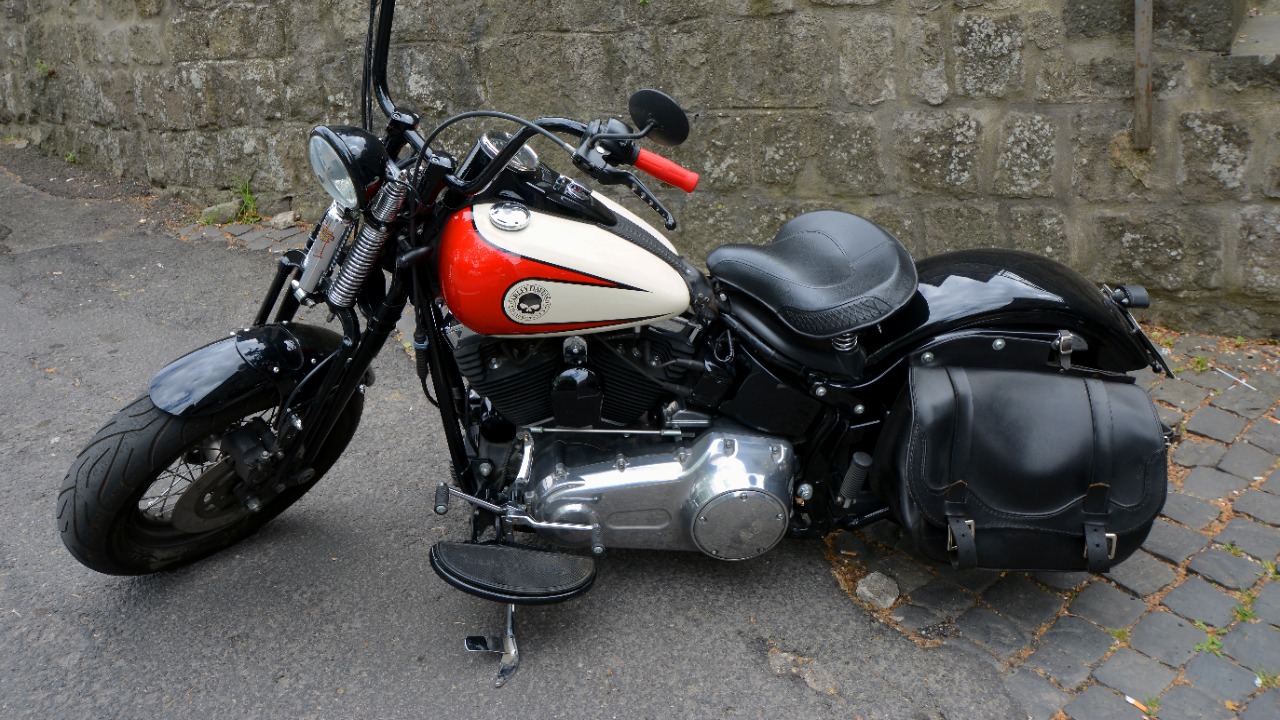

Harley-Davidson is betting that a smaller, sleeker and far more approachable machine can do what decades of chrome and cubic inches no longer can: pull a new generation into the fold and stabilize a brand built on aging riders. The company’s new entry-level Sprint motorcycle, pitched as affordable and easy to ride, is being positioned as a gateway that could quietly become one of the most important products in Harley’s modern history.
If the strategy works, this light, friendly bike will not just broaden the showroom mix, it could reset how riders think about Harley itself, from intimidating heavyweight icon to everyday companion. The stakes are high, and the early details suggest a calculated attempt to blend comfort, fun and brand heritage into a single, deceptively simple package.
The problem Harley needs this bike to solve
The core challenge facing Harley-Davidson is demographic, not mechanical. Analysts such as Kim have pointed out that Harley’s traditional buyer has aged dramatically, with the median motorcycle owner’s age climbing from 27 in 1985 to a much older profile by the early 2000s, a shift that left the brand heavily dependent on riders who grew up idolizing big V-twins rather than lightweight commuters. That aging base, combined with a reputation for heavy, expensive machines, has made it harder to bring in younger riders who are more likely to live in cities, juggle student debt and prioritize practicality over nostalgia, a dynamic that has been central to the documented rise and fall of Harley’s market dominance.
Dealers and brand historians have also noted that Harley faces intense competition from rivals that offer cheaper, easier bikes to ride, especially in the entry and midrange segments where new riders typically start. One detailed comparison of Harley Davidson vs. Honda describes how an aging customer base and increased competition from both domestic and international manufacturers has forced Harley to rethink its lineup and appeal to a broader audience, rather than relying solely on heavyweight cruisers and touring bikes. That same analysis argues that the company must expand its product range and modernize its image to stay relevant, a point that underscores why an accessible new model is not a side project but a strategic response to an aging customer base and shifting expectations.
Why so many Harleys still intimidate new riders
For all the romance around big twins and long-haul touring, Harley’s current catalog can be daunting for someone who has never thrown a leg over a motorcycle. Enthusiast breakdowns of the lineup highlight that some models are commonly considered the most difficult to ride, with weight, seat height and power delivery combining to create a steep learning curve for beginners. One such overview notes that, while Harley offers bikes for every type of rider, certain machines stand out as particularly challenging, a reality that reinforces why a new rider might see the brand as aspirational but not immediately accessible, especially when confronted with the kinds of heavyweight cruisers singled out in a Sep analysis of difficult Harleys.
Harley has tried to soften that perception with more approachable models, and the 2025 Harley-Davidson Nightster is a clear example of that effort. A detailed new rider’s guide describes the Nightster as a top choice for first-time owners, emphasizing that picking a very first motorcycle used to mean compromising between style and manageability, whereas this bike aims to deliver both. That guide frames the Nightster as a Harley designed from the ground up for new riders, with ergonomics and power tuned for confidence rather than bravado, a positioning that shows the company already understands the need for a friendlier on-ramp and is willing to label a specific model as a best beginner Harley.
The Sprint: Harley’s $6,000 swing at a new generation
Into this context steps the Sprint, a small-displacement motorcycle that Harley-Davidson is launching at a price point that would have been unthinkable for the brand not long ago. Reporting on the project explains that Harley-Davidson is introducing a $6,000 bike called the Sprint, a machine explicitly designed to be smaller, more affordable and easier to ride than the company’s traditional offerings. The same coverage notes that Harley-Davidson is aiming to accomplish something it has largely failed at over the years by using this model to break into a lower price tier, a move that signals how seriously the company takes the need for a $6,000 Sprint that can compete with entry-level machines from other brands.
The strategic intent behind the Sprint is even clearer when looking at how Harley describes its target buyer. In a follow-on report, the company is explicit that Harley-Davidson hopes the Sprint will attract younger riders who may eventually upgrade to more expensive models, effectively turning the bike into a feeder for the rest of the lineup. That same reporting underscores that the Sprint is not just about unit sales, it is about lifetime value and brand conversion, with the company betting that a rider who starts on a friendly, low-cost Harley is more likely to move up to a larger cruiser or touring bike later. In that sense, the Sprint is being positioned as a deliberate youth magnet, a machine Harley expects will draw in riders who might otherwise never walk into a dealership, a role spelled out in detail in the company’s own hope that the Sprint will attract younger riders.
What Harley has already learned from “approachable and fun”
The Sprint is not Harley’s first attempt to build a bike that feels less like a lifestyle statement and more like a daily companion. Recent coverage of Harley’s surprising new models has highlighted a shift toward machines that are equal parts affordable, approachable and just plain fun, a trio of qualities that would have sounded almost subversive in the era when displacement and chrome were the main selling points. That reporting describes how one of Harley’s new bikes has been praised for its balance of price and playfulness, suggesting that the company has already seen how a lighter, more nimble machine can resonate with riders who want the badge without the bulk, a lesson that clearly informs the push toward a more affordable and approachable Sprint.
Harley has also been experimenting with how it talks about beginner-friendly performance, as seen in the way the Nightster is framed as a top choice for new riders rather than a compromise. The guide that positions the 2025 Harley-Davidson Nightster as a best beginner Harley-Davidson for new riders emphasizes that picking a first motorcycle no longer has to mean settling for something bland or underpowered, a message that dovetails with the Sprint’s promise of being both easy to ride and genuinely enjoyable. By learning how to market a bike like the Nightster as aspirational yet accessible, Harley has built a playbook it can now apply to the Sprint, using the same language of confidence and fun to make a smaller machine feel like a legitimate Harley rather than a training tool, a shift that is already evident in how the company presents the Nightster for new riders.
Inside Harley’s Sprint strategy: price, positioning and timing
The Sprint is also notable for how openly Harley has discussed it with investors, which offers a rare window into the company’s thinking. During an investors’ call, executives announced the development of an entry-level Sprint motorcycle and tied it directly to the need to reach a market dominated by riders aged 40 and above, a demographic reality that has constrained growth. That briefing made clear that the whole idea behind the new entry-level Harley is to break into a segment where the brand has historically been underrepresented, and that the Sprint is meant to serve as a bridge between the company’s heavyweight heritage and a younger, more price-sensitive audience, a goal spelled out in the description of an entry-level Sprint motorcycle aimed at a market dominated by older riders.
Harley’s leadership has reinforced that message by talking up the Sprint’s character and pricing in public forums. Chief executive Jochen Zeitz has confirmed that the Sprint will debut in 2026 and has described it as having rugged and fun appeal, language that signals the company wants the bike to feel adventurous rather than utilitarian. In the same context, Zeitz has discussed how the Sprint’s price will take Harley into a place where the brand has never been before, a clear reference to the sub-$10,000 territory that has long been the domain of smaller competitors. That combination of rugged styling, fun performance and unprecedented affordability is central to the Sprint’s positioning, and it is captured in the confirmation that the bike will debut in 2026 with a price that pushes Harley into a place where the brand has never been before.
Designing a Harley that rides as easy as it looks
To succeed, the Sprint has to feel as unintimidating as its price tag, which means Harley must lean into design cues that signal comfort and control rather than sheer presence. In the broader world of two wheels, step-through electric bikes have shown how much demand there is for sleek designs, upright riding positions and ergonomic detailing that make a bike a stylish choice for any rider looking to combine practicality with comfort. One overview of these machines notes that such features help riders find the perfect fit for daily use, a lesson Harley can apply by giving the Sprint a relaxed stance, low seat and intuitive controls that echo the sleek designs and upright positions that have made step-through e-bikes popular among commuters and seniors alike.
Harley has already shown that it understands the power of design storytelling through its work on the Serial 1 e-bike. The Serial 1 Cycle Company and its inaugural two-wheeler, Serial 1, were both named after the very first motorcycle Harley-Davidson built, a move that connects a modern electric bicycle to the company’s earliest history. That project also deliberately broke from the big, raked-out choppers that have become synonymous with Harley, opting instead for a clean, almost minimalist look that still carries the brand’s DNA. By drawing on the same instincts that shaped The Serial 1 Cycle Company and its Serial 1 model, Harley can give the Sprint a visual identity that feels modern and approachable without abandoning the cues that make a Harley instantly recognizable, a balance already explored in the way The Serial, Cycle Company and Serial 1 reinterpreted the brand’s origin story.
What Harley’s electric experiments reveal about the future Sprint rider
Harley’s push into electric mobility offers another clue about the kind of rider the Sprint is meant to attract. The company’s LiveWire division has been developing smaller electric prototypes that it describes as 125cc equivalents, a reference that lines up with popular mini-motos like the Grom and signals a focus on urban agility rather than highway dominance. These prototypes are said to go from 0 to 30 mph in roughly 3 seconds, with a top speed of 53 mph and a range of 100 miles, performance figures that speak directly to city riders who value quick acceleration and manageable speed over long-distance touring, a profile captured in the description of 125cc equivalents that rival the Grom.
Those LiveWire experiments show that Harley is already thinking about riders who might never have considered a traditional cruiser but are open to a nimble, tech-forward machine that fits into dense urban life. The Sprint, while not electric based on current descriptions, is clearly aimed at a similar mindset: riders who want something light, quick off the line and easy to park, with enough style to feel special but not so much mass that it becomes a chore. By aligning the Sprint’s mission with the lessons from LiveWire’s small-bike prototypes, Harley can tap into the same appetite for compact, city-friendly performance that has driven interest in 125cc-class machines, effectively using the Sprint as a combustion-powered counterpart to the LiveWire 125cc equivalents that already target Grom-style urban riders.
Can a “Sprint” mindset really rescue Harley?
Beyond the hardware, the Sprint reflects a broader shift in how Harley approaches product development and risk. In the world of innovation, the concept of a sprint is associated with rapid experimentation, quick feedback and the ability to test ideas with targeted customers before making expensive commitments, a philosophy laid out in detail in a book review that describes how Sprint gives superpowers to organizations and teams. That framework emphasizes fast-forwarding into the future to see how customers respond, then iterating based on real-world reactions, a mindset that Harley appears to be adopting as it pilots smaller, cheaper bikes aimed at new demographics, echoing the way Sprint gives superpowers to teams that test with targeted customers.
Harley’s willingness to move into unfamiliar territory with the Sprint, from its $6,000 price to its entry-level positioning, suggests that the company is finally treating new riders as a distinct audience rather than a byproduct of its core business. If the bike delivers on its promise of being sleek, easy to ride and genuinely fun, it could become a quiet workhorse that feeds the rest of the lineup and stabilizes sales as older riders age out. The risks are real, from brand dilution to the possibility that traditionalists will dismiss the Sprint as not a “real” Harley, but the alternative is to watch the customer base continue to gray. In that light, embracing a sprint-style approach to both the model and the mindset behind it may be Harley’s best chance to turn a single approachable motorcycle into the catalyst that keeps the bar-and-shield relevant for the next generation.
More from MorningOverview