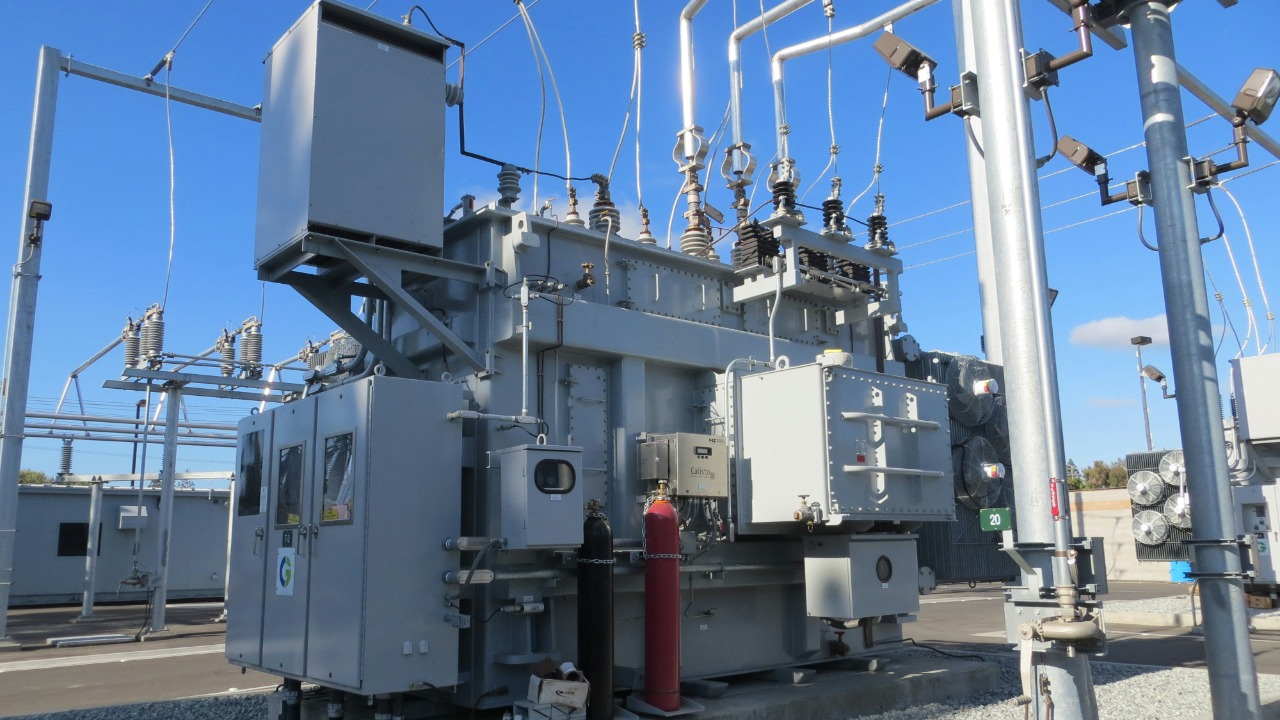

Power stations and generators are often mentioned in the same breath, but they occupy very different roles in the energy chain. One is a sprawling industrial system that turns fuel or natural forces into grid power, the other is a specific machine that converts mechanical motion into electricity. Understanding how they differ is not just a matter of vocabulary, it shapes how we plan infrastructure, regulate safety and emissions, and even choose backup power for a home or business.
In practice, confusing a power station with a generator can blur the line between a single device and an entire facility, between a component and the system that surrounds it. I want to unpack that distinction, tracing how engineers, operators, and even mapping standards define each term, and why the difference matters from a suburban construction site to a national grid control room.
What a power station actually is
At its core, a power station is an industrial facility, not a single piece of hardware. It is a site where primary energy sources such as coal, natural gas, nuclear fuel, wind, or flowing water are converted into electrical energy at scale and then fed into an interconnected network. In technical definitions, a power station (also called a power plant, generating station, or generating plant) is described as an industrial facility for the generation of electric power, with its outputs generally connected to an electrical grid that distributes that power to homes, factories, and public infrastructure across large regions, a scope that goes far beyond any standalone machine on a job site or in a basement.
That system-level view is echoed in how infrastructure professionals classify these sites. In mapping and engineering documentation, a power plant is explicitly treated as a facility that includes all the structures and equipment needed to convert an energy source into a usable form, typically electricity, and this definition is codified with the identifier 601 to distinguish it from individual devices. In other words, when engineers talk about a power station, they are talking about the entire site and its role in the grid, not just the generator units inside it.
How a generator is defined in engineering terms
A generator, by contrast, is a specific machine that performs one job: it converts mechanical energy into electrical energy. In electrical engineering language, when an electric machine is designated to produce electrical energy from another source, the term “generator” is typically used, and when the same hardware is used in reverse to absorb electrical energy and deliver mechanical power, it is treated as a motor. That is why technical texts often fall back on the more general term “machine” when they want to describe equipment that can operate in either direction, but reserve “generator” for the mode where electricity is being produced from mechanical input, such as a spinning turbine shaft or a diesel engine crank.
This machine-level focus is also reflected in how generators are built and maintained. A generator is a heavy piece of rotating machinery that includes a rotor, stator, excitation system, and control components, and because generators are heavy pieces of machinery, they are prone to overheating, wear and tear from constant use, speed fluctuations, and other stresses that must be monitored through dedicated systems that track functions such as oil and coolant temperature, vibration, and electrical loading. That operational reality, captured in detailed breakdowns of Because the parts of a generator and how they work, underscores that a generator is a component, not a facility.
Power station versus generator: system versus component
Once those definitions are clear, the distinction between a power station and a generator comes into focus as a matter of scale and integration. A power station is the entire system that takes in fuel or natural energy, manages combustion or conversion, handles steam or gas flows, spins turbines, houses generators, and then steps up voltage for transmission to the grid. A generator is one of the critical machines inside that chain, but it is only one link, sitting downstream of boilers, turbines, and control systems and upstream of transformers and switchyards. Treating the two as interchangeable is like calling an entire data center a “server,” when in reality the server is just one device inside a much larger facility.
Engineering and legal frameworks reinforce that separation. In one legal dispute over industrial equipment, a court had to decide whether large generators installed at a site were merely ancillary pieces of equipment or the core means by which electricity was produced, and the analysis turned on the fact that the electricity was generated at the power station, while the generators themselves were specific assets within that station. The reasoning in that case, which emphasized that the generators were not ancillary pieces of equipment but rather the core means by which the electricity was generated at the power station, shows how law and engineering both recognize a hierarchy: the station is the site, the generator is the machine.
Inside a thermal power station: more than just generators
The difference becomes even clearer when I look at a conventional thermal power station, the kind that burns coal, oil, or gas to make electricity. A thermal power station comprises all of the equipment and systems required to produce electricity by using a steam generating boiler, a steam turbine, a generator, and associated auxiliaries, and it is designed for large scale and continuous operation so that it can feed power into the grid around the clock. That means the station includes fuel handling systems, water treatment plants, high pressure boilers, condensers, cooling towers, and complex control rooms, all of which must work in concert before the generator even sees mechanical input on its shaft.
In that layout, the generator is a vital but downstream component. The boiler converts chemical energy in the fuel into thermal energy in high pressure steam, the turbine converts that thermal energy into mechanical rotation, and only then does the generator convert that mechanical energy into electrical power that can be stepped up in voltage and transmitted. Educational material on sources of energy makes this sequence explicit, describing how a thermal power station comprises all of these elements and is designed for continuous operation at large scale, which is a very different concept from a standalone generator set that might run intermittently on a construction site.
How professionals define a power plant in practice
For operators and regulators, the term “power plant” is not a casual label, it is a precise description of a complex installation. Training material for plant operators spells this out by noting that essentially, the term “power plant” refers to a generation station in its entirety, which comprises all structures, hardware, gear, and systems used to produce energy, regardless of the kind of energy produced. That definition covers everything from fossil fuel plants to hydroelectric dams and solar farms, and it treats the plant as a coordinated whole that must be designed, operated, and maintained as a single entity, even though it contains many different machines.
This whole-of-facility view aligns with how technical references describe a power station as an industrial facility for the generation of electric power, also referred to as a power plant, generating station, or generating plant, with outputs generally connected to an electrical grid that distributes electricity to end users. When I link those perspectives together, the picture that emerges is consistent: a power plant is the entire generation station, not just the generator hall, and professional training materials such as a Certified Power Plant Operator course emphasize that operators must understand the full system, from fuel delivery to grid interconnection, rather than focusing solely on the generator units.
Energy generation versus energy storage
Another way to see the difference between power stations and generators is to look at how they relate to energy generation versus energy storage. A power station is fundamentally a generation facility, designed to convert primary energy into electricity in real time and feed it into the grid, while many devices that people casually call “power stations” in consumer marketing are actually battery-based storage units. Portable power stations, for example, do not generate electricity from fuel or mechanical motion, they store energy in a battery that has been charged from the grid or another source and then release it later through inverters and outlets.
By contrast, a generator is a true energy conversion device, taking mechanical energy from an engine, turbine, or other prime mover and turning it into electrical power on demand. Technical comparisons between portable power stations and generators highlight this difference under the heading of Energy Generation, explaining that portable power stations store energy in a battery, while generators use mechanical energy to create electricity and can deliver outputs on the order of 4,000 to 12,000 watts per hour for typical consumer units. That distinction, captured in detailed guides on Energy Generation, reinforces why it is misleading to call a battery pack a “power station” in the same sense as a grid-connected plant.
How generators fit inside power stations
Within a power station, generators sit at a very specific point in the process, and their role is tightly defined. After fuel is burned in a boiler or gas turbine, or after water or wind turns a turbine runner, the resulting mechanical rotation is delivered to the generator shaft, where electromagnetic induction produces alternating current at a controlled voltage and frequency. In engineering texts, this is exactly the situation where the term generator is used, because when an electric machine is designated to produce electrical energy from another source, the term “generator” is typically used, and the same machine might be called a motor if it were instead consuming electrical power to drive a mechanical load.
That duality is why some technical references prefer the neutral term “machine” when describing rotating electrical equipment in general, but they are careful to reserve “generator” for the mode where electricity is being produced. In a power station, that means the generator is the endpoint of the energy conversion chain, but it is still only one component among many, and its behavior is constrained by upstream steam or gas conditions and downstream grid requirements. Detailed discussions of wind power generator systems and local power system interconnection make this point explicit, noting that When an electric machine is designated to produce electrical energy from another source, it is treated as a generator, which is exactly the role these machines play inside a power station.
Visual confusion: when a generator looks like a “power station”
Part of the public confusion comes from how generators are portrayed visually and in marketing language. Stock footage libraries, for instance, often label clips of large industrial generator sets as “power stations,” even when the shot clearly shows a single diesel generator in an enclosure rather than an entire plant with boilers, turbines, and grid interconnections. One example describes a 4K clip of a diesel powered generator and refers to the power station as an independent, complete power generation device and system, treating the generator set itself as a standalone source of electricity rather than as one component in a larger facility.
That kind of description blurs the line between a generator and a power station by suggesting that any self-contained generator package is equivalent to a full plant. In reality, even a sophisticated generator set with its own controls and fuel supply is still just a machine that converts fuel into electricity at a single point, not a grid-connected station with transmission infrastructure and system-level responsibilities. The language used in some visual catalogs, which talk about a Diesel powered generator and call it a power station and a Source of electrical power, illustrates how easy it is for terminology to drift when images are divorced from technical context.
Why the distinction matters for grids, policy, and consumers
Getting the terminology right is not just pedantic, it has real consequences for how energy systems are planned and regulated. A power station, as an industrial facility for the generation of electric power, is generally connected to an electrical grid and must comply with stringent standards on reliability, emissions, safety, and grid stability, because its failure can affect thousands or millions of customers. A generator, whether it is a small portable unit or a large industrial machine, is subject to equipment standards and local safety rules, but it does not carry the same system-level obligations unless it is integrated into a plant that feeds the grid.
For consumers and businesses, understanding the difference helps in making informed choices about backup power and energy investments. A homeowner buying a portable power station is purchasing a battery-based storage device, not a generator, and should not expect it to run indefinitely on fuel, while a contractor renting a generator is getting a machine that converts fuel into electricity but not a full-scale facility. At the policy level, regulators who classify facilities correctly, using definitions that match those in technical references on what a power station is and how a power plant is tagged in infrastructure databases, can design rules that distinguish between system operators and equipment owners, which is essential for a stable and transparent energy transition.
More from MorningOverview