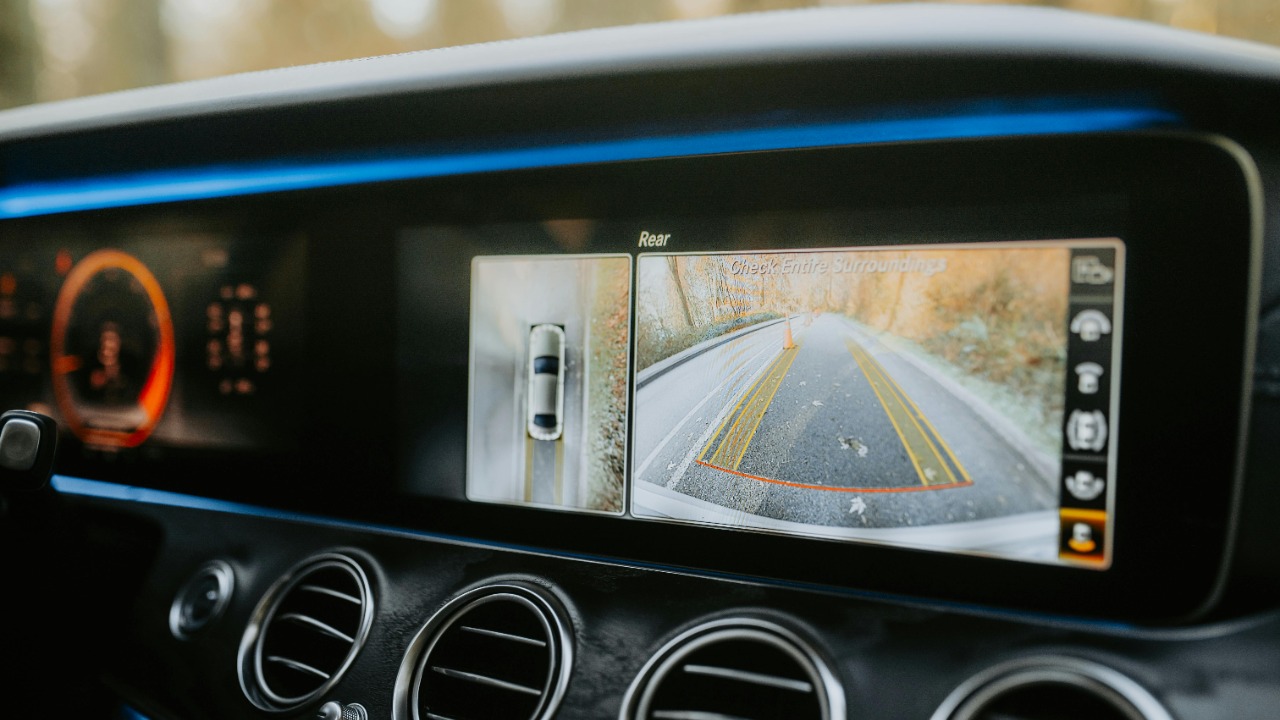

Toyota is recalling more than a million vehicles in the United States because the backup camera image can fail just when drivers rely on it most, turning a key safety feature into a potential hazard. If you own a newer Toyota, Lexus, or Subaru Solt model, this is not just a technical bulletin, it is a safety recall that triggers specific legal protections and free repair rights for you. I want to walk through what is going wrong, which vehicles are affected, and how to use federal rules to make sure you are not left paying for a defect the manufacturer is obligated to fix.
What exactly is wrong with the backup cameras?
The core problem sits in the software that controls the parking assist and rearview display, which can cause the camera image to cut out or never appear at all when the vehicle is shifted into reverse. Instead of a clear view of what is behind the car, drivers can be left staring at a blank or frozen screen, which defeats the purpose of a system that is supposed to reduce backing crashes. According to recall documents, the defect is tied to the way the parking assist software handles the signal from the rear camera, and a glitch in that logic can interrupt the feed that should show up on the center display.
Federal filings describe how this failure of the rearview image increases the risk of a collision because drivers may rely on the camera to spot children, pedestrians, or low obstacles that are hard to see in mirrors alone. In its notice, Toyota Motor Engineering & Manufacturing (Toyota) is recalling about 1,024,407 vehicles because a software error in the parking assist software can prevent the rearview camera image from displaying and increase the risk of a crash. That figure, 1,024,407, is not an estimate, it is the precise number of affected vehicles identified in the defect report, underscoring how widespread the issue is across the company’s recent lineup.
Which Toyota, Lexus, and Subaru Solt models are affected?
The recall sweeps in a broad range of 2022 through 2026 models, including some of Toyota’s most popular sedans and SUVs. Owners of the Toyota bZ4X, Camry, Crown, Crown Signia, and several large crossovers and trucks are among those being contacted, along with drivers of related Lexus models that share the same camera and software architecture. The scope is not limited to one body style or price point, which means both mainstream and luxury buyers are dealing with the same underlying defect in the rearview display.
Regulators have also flagged that certain Subaru Solt vehicles are part of the same campaign because they use the same or closely related components supplied through Toyota’s engineering network. In its summary of the action, one consumer-focused analysis notes that Toyota and Lexus are recalling over a million 2022 through 2026 Toyota bZ4X, Camry, Crown, Crown Signia, and related models, and that Subaru Solt vehicles built on the same platform are also being repaired to prevent the camera image from disappearing. If you drive any of these nameplates from the affected years, you should assume you are covered until you confirm your vehicle identification number, or VIN, in an official database.
How big is this recall and why does it matter?
In raw numbers, this is one of the larger safety campaigns Toyota has launched in recent years, and it comes on top of other airbag and electronics issues that have already sent many owners back to the service bay. Federal filings and company statements converge on the same scale: more than a million vehicles in the United States alone, all tied to the same rear camera failure pattern. That volume reflects how quickly a software design can propagate across an entire product family when multiple models share the same electronic architecture.
One detailed breakdown notes that Toyota Motor North America has recalled over 1 million vehicles because a software error in the parking assist system can stop the display that shows the rearview camera image. Another report, citing federal safety filings, specifies that the vehicles involved, some 1,024,407 in total, are being recalled by Toyota because the rear camera flaw can leave drivers without a view behind the car. When a defect reaches seven figures, it is not just a technical footnote, it is a systemic issue that touches resale values, insurance risk, and public confidence in the brand’s technology.
How the recall process works under federal safety law
When a defect like this is identified, the process is governed by federal safety law, not just corporate goodwill. Automakers must report the problem to regulators, outline the affected vehicles, and propose a remedy that will be provided to owners at no cost. The National Highway Traffic Safety Administration, better known by its acronym, oversees these steps and maintains the public database that tracks every open safety recall in the country.
As the regulator explains, NHTSA is the federal agency that enforces vehicle safety standards, investigates defects, and monitors recalls so that issues like failed rearview camera displays are identified and corrected. Once a recall is launched, the manufacturer is required to notify registered owners by mail, describe the risk, and explain how the repair will be performed. In the case of this Toyota campaign, that repair is expected to involve updated parking assist software that restores a reliable camera image whenever the vehicle is shifted into reverse.
How to check if your car is included
Even if you have not received a letter yet, you do not have to wait passively to find out whether your car is part of the backup camera recall. The fastest way to confirm is to plug your 17 character VIN into an official lookup tool that cross checks your specific vehicle against the list of affected models. That number appears on your registration, insurance card, and at the base of the windshield on the driver’s side, and it is the key that ties your individual car to any open safety campaigns.
The federal recall portal explains in its owner guidance that under the section titled How Will I Know If There Is a Recall, you can enter your VIN to see any open safety recalls and even download a mobile app to receive alerts. Toyota also maintains its own search tool where owners can enter a VIN or select a model to see whether a campaign like the rear camera fix applies to their vehicle, and that information is available on the company’s dedicated recall information page that aggregates current safety actions across Toyota and Lexus. Between the federal database and the manufacturer’s site, you can verify your status in a few minutes without waiting for the mail.
What Toyota must provide for free
Once your vehicle is confirmed as part of the recall, the law is clear that the repair itself must be performed at no charge to you. That includes the updated software or hardware needed to restore a reliable backup camera image, as well as any related labor at the dealership. You should not be billed for diagnostic time or for the reprogramming procedure, even if your warranty has expired, because safety recalls sit in a separate category from routine service.
Dealerships are already preparing to handle the flow of affected vehicles, and some are advertising that owners can use the Toyota of Greenville Recall Repair Center to Schedule Your Free Repair and Simply confirm that the manufacturer information is up to date. Toyota’s owner portal also spells out that if you paid out of pocket to fix the same defect before the recall was announced, you may be eligible for reimbursement. In its recall support section, the company highlights a Reimbursement Request process that begins with the question Did you recently receive a recall notice regarding your vehicle and allows you to Submit Reimbursement Request for prior repairs. That is a crucial right for drivers who sought a fix early, only to learn later that the problem was a recognized safety defect.
Your rights if you already paid for a camera or screen repair
Many owners of late model Toyotas and Lexus vehicles have already spent money chasing intermittent camera or display glitches, often being told that the issue was a one off failure rather than a broader defect. If your repair invoice describes a rearview camera replacement, display unit swap, or software update tied to the parking assist system, you should gather that paperwork now. Once you receive an official recall notice, you can use those records to seek reimbursement for qualifying expenses that match the defect description.
The company’s own language makes clear that prior out of pocket work is not automatically lost money. Through its online recall support, Toyota invites owners who have already fixed a covered issue to use the Reimbursement Request channel to submit receipts and documentation for review when a safety recall notice arrives. The key is to align your claim with the specific problem identified in the campaign, in this case the software error that can prevent the rear camera image from appearing, rather than unrelated infotainment or navigation complaints that fall outside the recall’s scope.
How this fits into Toyota’s broader safety record
This is not the first time Toyota has had to call back a large group of vehicles for electronic safety issues, and it likely will not be the last as cars become more software driven. Earlier this year, the company acknowledged that a loose connection in the steering wheel spiral cable could cause the airbag warning light to illuminate and potentially keep the driver’s airbag from deploying in a crash. That problem affected both Toyota and Lexus models and required another round of free repairs and owner notifications.
In its corporate communication on that issue, the company stated that a loose connection in the spiral cable can cause the airbag warning light to illuminate, and the driver’s airbag may not deploy, prompting Toyota to recall certain Toyota and Lexus vehicles and provide contact numbers for owners. When you place the airbag campaign alongside the current backup camera recall, a pattern emerges in which critical safety systems are increasingly dependent on wiring and software that must be rigorously tested. For owners, that means staying alert to recall notices is no longer optional, it is a core part of keeping a modern vehicle safe to drive.
What to expect from your dealer visit
Once you have confirmed that your car is covered and your local dealer has the remedy available, the actual repair visit should be relatively straightforward. For a software based defect like this, technicians typically connect a diagnostic tool to the vehicle’s onboard port, load the updated parking assist program, and verify that the rearview image appears reliably when the transmission is shifted into reverse. In many cases, the work can be completed in under an hour, although appointment backlogs can stretch the total time your car spends at the dealership.
Some owners may first hear about the campaign through local news coverage that explains how Toyota is recalling more than 1 million vehicles for a backup camera issue and that owners will be notified by mail when the fix is ready at dealers. Others will see the recall appear in their online service account or through a VIN check before any letter arrives. In either case, you have the right to schedule the repair at an authorized dealer of your choice, and you should not be pressured into paying for unrelated maintenance as a condition of getting the safety work done.
Why you should not ignore a “simple” camera defect
It can be tempting to treat a camera glitch as a minor annoyance, especially if you are comfortable using mirrors and turning your head to check blind spots. Yet federal regulators required backup cameras on new vehicles precisely because they reduce backover crashes that often involve children and pedestrians in driveways and parking lots. When the image fails without warning, drivers who have grown accustomed to relying on that view can be caught off guard, and the margin for error shrinks dramatically in tight spaces.
One detailed summary of the recall underscores that Toyota is recalling more than 1 million vehicles because the backup camera issue can leave drivers without a rear view image, which regulators say increases the risk of a crash. Another analysis notes that the software error in the parking assist system can interrupt the display that shows the rearview camera image, undermining a safety feature that drivers are encouraged to use. In practical terms, that means treating the recall notice with the same seriousness you would give to an airbag or brake campaign, even if the defect lives in a screen rather than a mechanical part.
How to stay ahead of future recalls
The backup camera campaign is a reminder that recall notices can arrive long after you drive a new car off the lot, and that staying informed is part of owning a modern vehicle. I recommend making a habit of checking your VIN in official databases a few times a year, especially if you own a model that has already been the subject of one safety campaign. Keeping your mailing address and email current with both your state motor vehicle agency and the manufacturer also helps ensure that letters and digital alerts reach you promptly.
Alongside the federal VIN lookup, Toyota encourages owners to use its online tools to monitor open campaigns, and the company’s recall information hub provides a central place to see current Toyota and Lexus safety actions by VIN or model. By pairing that resource with the federal NHTSA database that tracks all automaker recalls and investigations, you can build a simple routine that keeps you ahead of the next notice rather than surprised by it. In an era when a single software bug can affect 1,024,407 vehicles at once, that vigilance is not paranoia, it is just smart ownership.
More from MorningOverview