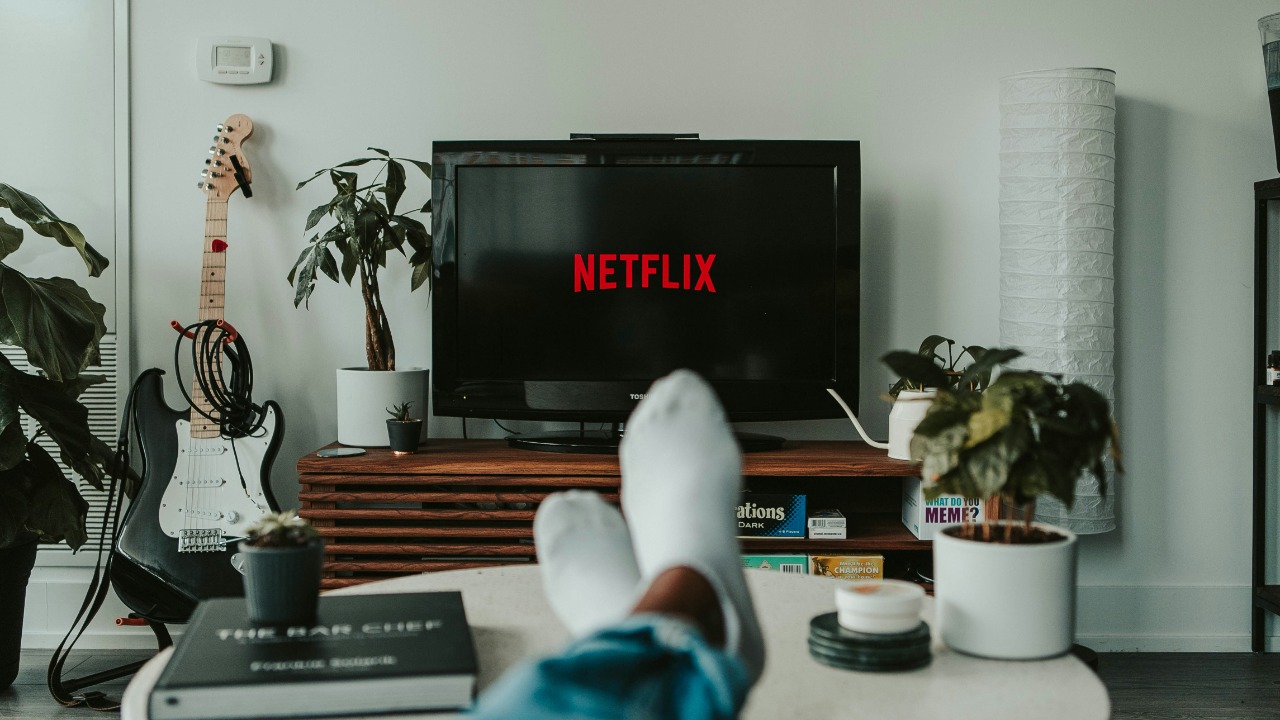

Netflix has quietly stripped out one of the most useful tools in its mobile app, removing the ability to cast shows and films from a phone to most modern TVs and streaming devices. The change hits exactly where Netflix has trained people to watch, on their phones first and then on the biggest screen available, and it is already sparking anger from subscribers who relied on that handoff at home and while traveling.
I see this as more than a technical tweak, because it reshapes how people move between devices, pushes viewers toward specific hardware, and raises fresh questions about how much control Netflix wants over the way its service is used.
What exactly Netflix just turned off
The core change is simple but far reaching: Netflix has removed the familiar Cast button from its mobile app for most living room screens, so you can no longer tap an icon on your phone and send a show directly to a compatible TV or streaming stick. Multiple reports describe the feature being stripped from the app’s interface, with Netflix’s own support language now stating that it no longer supports casting shows from a mobile device to most TVs, which confirms that this is a deliberate policy shift rather than a temporary glitch.
Where subscribers once saw a Cast icon next to the playback controls, they are now being told to open Netflix directly on their smart TV or streaming box instead, a move that effectively sidelines the phone as a remote control for the big screen. An updated help page, highlighted in a widely shared support explanation, spells out that Netflix no longer supports casting shows from a mobile device to most TVs, and that users should instead rely on built in apps and traditional remotes to manage playback.
How the change affects everyday viewing
For many people, casting was not a niche trick but the default way to watch, especially in homes where the phone is the first screen and the TV is just a bigger display waiting to be summoned. Losing that option means a familiar routine, browsing on a phone, tapping Cast, then tossing the device aside while the TV takes over, is suddenly broken, and that disruption is especially jarring for households that had built family habits around it.
Subscribers who used casting as a bridge between older TVs and newer phones are now being pushed to juggle multiple remotes or navigate clunky TV menus instead, which feels like a step backward in usability. One detailed breakdown of the change notes that Netflix has quietly removed the option for its subscribers to cast content from its mobile app to most TVs and streaming devices, a shift that is already frustrating subscribers who had come to see the feature as a basic part of the service rather than a bonus.
Why travelers are hit especially hard
The loss of casting lands even harder once you leave your living room, because hotels, Airbnbs, and guest rooms are exactly where the feature did its most important work. When you are on the road, you often cannot sign in to your own apps on a shared TV, so being able to cast from your phone to a compatible screen was a simple way to bring your own queue with you without leaving an account behind on a stranger’s device.
Now, travelers who open the Netflix app on their phones in a hotel room or rental property are finding that the Cast option is gone, even when the TV supports casting protocols, which forces them back to smaller screens or awkward workarounds. Reporting on the change notes that Netflix has quietly removed the ability to cast content from phones to most smart TVs, a move that particularly affects people trying to watch in hotels and Airbnbs while they travel, and that this shift comes even after the company added more than 9 million subscribers in an earlier quarter, underscoring how confident Netflix now feels about dictating how and where its service is used.
What Netflix says, and what it is not saying
Officially, Netflix is framing the move as a support decision rather than a crackdown, pointing users toward native apps on smart TVs and streaming boxes as the preferred way to watch. The updated help language, which spells out that the streamer no longer supports casting shows from a mobile device to most TVs, suggests the company wants to simplify its device matrix and focus on platforms where it can control the full experience, from interface design to playback performance.
What Netflix is not doing is offering a detailed technical explanation, such as a specific security concern or a licensing constraint, which leaves subscribers to infer the motives from the pattern of changes. One report notes that the change was first spotted by users on Reddit and then confirmed in an updated Netflix support page, with the company presenting it as part of an effort to improve the customer experience, a framing that sits uneasily with viewers who see the removal of casting from the mobile app to most modern TVs as Netflix killing a feature they actually liked.
Subscriber backlash and the sense of a broken promise
The reaction from subscribers has been swift and emotional, because casting is not just a technical capability, it is part of how people feel ownership over their viewing. When a company removes a feature that has been available for years, especially without a prominent warning or opt out, users often interpret it as a breach of trust, and that is exactly what is playing out as people discover the missing Cast button mid binge.
Reports describe customers expressing outrage at the change, with some calling it a major downgrade and others accusing the company of quietly eroding value while prices and ad tiers shift around them. One account notes that Netflix Removes the Cast Option that had long allowed users to send what they were watching from their phones to the TV, and that this sudden absence has sparked outrage among customers who built their nightly routines around that simple tap.
Why this feels different from past Netflix changes
Netflix has a long history of tweaking its service, from password sharing crackdowns to new ad supported plans, but those moves mostly targeted how people pay and who can log in, not the basic mechanics of watching. Removing casting from the mobile app cuts closer to the core experience, because it changes the way people physically interact with the service, and that makes it feel more intrusive than a price rise or a new tier.
Subscribers are also comparing Netflix’s decision to the behavior of its rivals, and noticing that other streaming apps still offer casting from phones to TVs, which makes this look less like an industry wide shift and more like a unilateral choice. One analysis spells out that you can no longer cast Netflix from your phone to your TV while other streaming apps still offer similar features, framing the move as Netflix quietly killing a major feature that many people relied on even as competitors keep it in place.
The technical and business logic behind the move
Under the surface, there are clear technical and strategic incentives for Netflix to steer people away from casting and toward native apps. Supporting casting across a fragmented landscape of smart TVs, streaming sticks, and older Chromecast style devices means dealing with inconsistent firmware, variable Wi Fi performance, and a long tail of bugs that Netflix cannot fully control, all of which can degrade the perceived quality of the service even when the app itself is not at fault.
By contrast, pushing viewers to open Netflix directly on their smart TV or streaming device lets the company optimize for a smaller set of platforms, negotiate deeper integrations, and collect more consistent data on how people watch. One detailed report notes that today Google has moved beyond the remote free Chromecast experience and that most TVs now have their own standalone Netflix app, a context in which Netflix has quietly dropped support for casting to most TVs, effectively nudging users toward those native apps instead of relying on Chromecast style casting from phones.
What this means for Netflix games and interactive experiences
The casting change also has ripple effects for Netflix’s growing push into games and interactive content, which often rely on the phone as a controller while the TV acts as the main display. Titles like Pictionary, Boggle Party, Tetris, and LEGO Party are designed around that dual screen setup, where the mobile device handles input and the television shows the shared action, and removing casting complicates that vision for households that do not have the latest smart TV apps or game ready hardware.
Some reports point out that the update appears to have removed the casting feature that many subscribers used to launch these games on their TVs, leaving them to navigate directly through TV interfaces that may not surface the titles as prominently. One account notes that Netflix quietly removed a popular casting feature that had been used to play games such as Pictionary, Boggle Party, Tetris, and LEGO Party on smart TVs and streaming devices, a change that is already frustrating subscribers who saw those party style experiences as a key reason to keep the app on their phones.
How the change plays out across devices and regions
One of the more confusing aspects of the shift is that it does not affect every device in exactly the same way, which leaves users guessing about what will work in their particular setup. Reports describe casting being removed from the Netflix mobile app to most modern TVs and streaming devices, while some older or less common configurations may behave differently, at least for now, which only adds to the perception that the feature has been taken away in a piecemeal and opaque fashion.
In the United Kingdom, for example, coverage notes that Netflix no longer lets you cast from your phone to TVs, explaining that the company has quietly removed the option to cast from mobile devices to most televisions and streaming hardware, and that users are being directed to rely on built in apps instead. That account, which spells out that Netflix no longer lets you cast from your phone to TVs in a way that mirrors the experience elsewhere, underlines how the change is rolling out across markets rather than being confined to a single region, leaving viewers in places like Hereford and beyond to discover the missing feature only when they try to use their phones as remotes.
What subscribers can realistically do next
For viewers who depended on casting, the immediate options are limited, because this is a server side and app level decision rather than a setting you can toggle back on. In practical terms, that means leaning more heavily on the Netflix app built into your smart TV, a streaming box like a Roku or Apple TV, or a game console such as a PlayStation 5 or Xbox Series X, and then using those devices’ remotes or companion apps to browse and control playback instead of starting everything from the phone.
Some subscribers will inevitably look for workarounds, from screen mirroring features on Android and iOS to third party casting apps, but those alternatives often introduce lag, lower video quality, or extra complexity that undermines the simplicity that made native casting so appealing. One widely shared explanation of the change notes that Netflix has quietly removed the option for its subscribers to cast content from its mobile app to most TVs and streaming devices, and that the company is steering people toward native apps as the primary way to watch, a direction that leaves users with little leverage beyond voicing their frustration and deciding how central casting really is to their relationship with Netflix.
More from MorningOverview