
Japanese cars have a reputation for reliability, but that does not mean every model is a joy to live with. Owners can end up hating the daily drive when comfort, usability, or long-term ownership costs fall short of expectations. Drawing on real-world ownership experiences and broader regret patterns in the car market, I focus here on 15 Japanese cars that, for various reasons, leave drivers wishing they had chosen differently.
1. Toyota Prius (third generation)
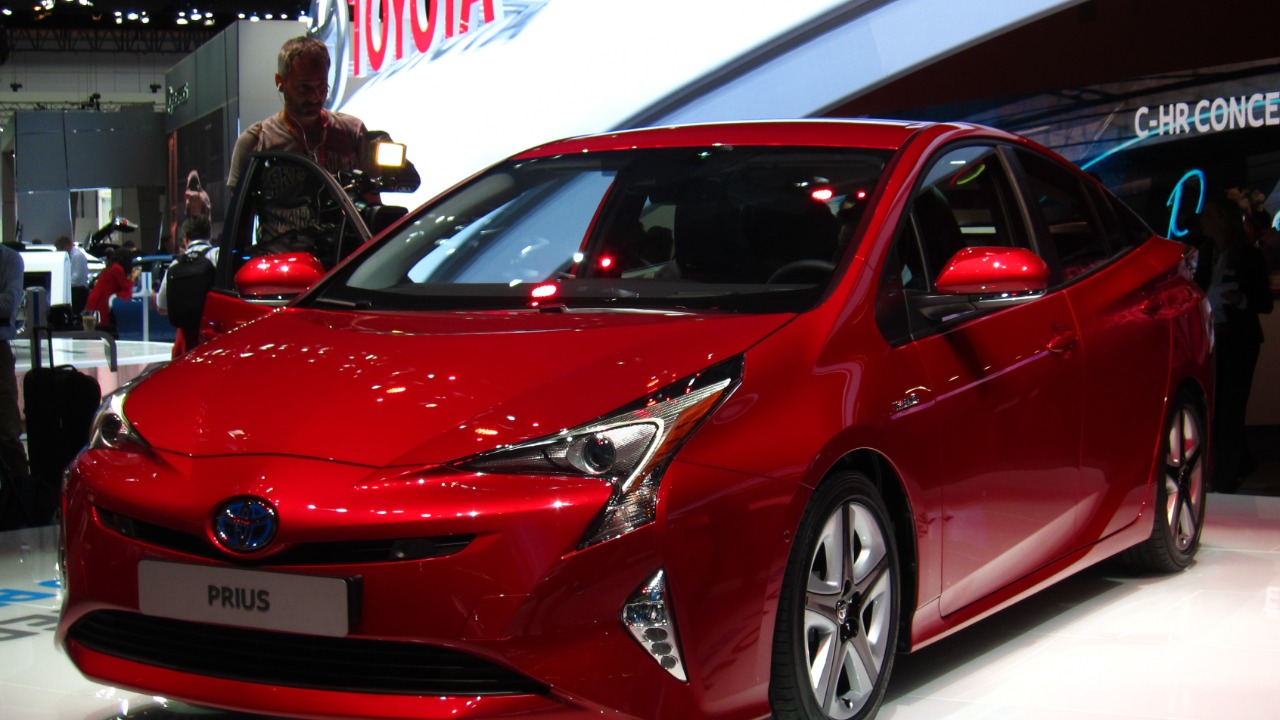
The Toyota Prius (third generation) is often praised for efficiency, yet many owners quietly dislike driving it. The car’s focus on fuel economy leads to a numb steering feel and a droning powertrain that can make highway trips tiring. In broader regret surveys about cars people wish they had not parted with, hybrids rarely appear among the most-missed vehicles, which hints that the Prius is more of a rational purchase than an emotional one, a pattern echoed in lists of cars people regret selling.
That lack of emotional connection matters because drivers spend years with these vehicles. When the cabin feels plasticky and the driving position is awkward, the daily commute becomes a chore rather than a pleasure. Owners who move on to more engaging Japanese models, such as a Mazda3 or a Honda Civic, often report that they finally enjoy driving again. The Prius shows how a car can excel at saving fuel yet still end up on the list of vehicles people hate to drive.
2. Nissan Juke
The Nissan Juke divides opinion from the moment people see it, and that polarizing styling often foreshadows a disappointing drive. Inside, the high beltline and thick rear pillars create poor visibility that makes city parking stressful. The compact footprint suggests agility, but the steering can feel vague and the suspension busy, so the car fidgets over rough roads instead of smoothing them out. Owners who expected a playful crossover frequently discover that the quirky looks are not matched by a satisfying driving experience.
Long-term, the Juke’s cramped rear seats and small cargo area frustrate families who need flexibility. Drivers who later switch to more conventional Japanese crossovers, such as a Honda HR-V or Toyota C-HR, tend to appreciate the better packaging and calmer ride. The Juke illustrates how a bold design can attract initial attention yet leave owners wishing they had chosen something more comfortable and easier to live with every day.
3. Mitsubishi Pajero Sport (older generation)
The Mitsubishi Pajero Sport, particularly in older generations, is built for toughness rather than comfort, which can make owners dread long drives. A detailed ownership thread comparing decade-old German and Japanese cars notes that the Pajero Sport trades refinement for durability, with a heavy steering feel and a firm ride that wear drivers down in urban traffic. The ladder-frame construction and off-road suspension tuning help on rough trails but transmit more vibration into the cabin on paved roads.
As the vehicle ages, the clatter from the diesel engine and the dated interior design can further erode owner satisfaction. Drivers who bought the Pajero Sport for its rugged image sometimes find themselves avoiding it for daily errands, preferring smaller, more car-like crossovers. For families, the high step-in height and limited third-row comfort add to the frustration. The Pajero Sport shows how a capable off-roader can become a car that owners hate to drive once the novelty of adventure fades.
4. Toyota FJ Cruiser
The Toyota FJ Cruiser is beloved by off-road enthusiasts, yet many owners admit it is a pain to drive in normal conditions. The retro styling creates massive blind spots, especially at the rear quarters, which makes lane changes and parking nerve-racking. Its short wheelbase and off-road suspension tuning lead to a choppy ride on highways, so passengers feel constant motion rather than a settled, comfortable cruise. The heavy steering and large turning circle also make tight city streets more work than they should be.
Inside, the upright windshield and narrow side windows reduce outward visibility, which can be tiring on long trips. The rear-hinged back doors complicate access for passengers and child seats, turning school runs into a hassle. Owners who initially fall for the FJ’s character often end up using it only for weekend adventures, relying on a second, more civilised Japanese car for daily use. That split usage is a clear sign that, for many, the FJ Cruiser is a vehicle they love to own but hate to actually drive every day.
5. Nissan GT-R (R35)
The Nissan GT-R (R35) is a performance icon, yet its daily usability can make owners resent time behind the wheel. The dual-clutch transmission shifts brutally in traffic, and the stiff suspension that delivers track precision also crashes over potholes. Road noise and tire roar are constant companions, especially on coarse asphalt, so long journeys become fatiguing. While the GT-R’s acceleration is addictive, the car’s size and limited visibility make it stressful in crowded cities and tight parking garages.
Many owners discover that the GT-R feels happiest at speeds they cannot legally sustain, which means most drives never tap its potential. Insurance costs and attention from other motorists add to the pressure, turning simple errands into events. Some drivers eventually trade the GT-R for more balanced Japanese performance cars, such as a Lexus RC F or a Subaru WRX STI, that offer excitement without the same compromises. The GT-R proves that raw speed alone does not guarantee a car is enjoyable to live with.
6. Honda Civic Type R (FK8)
The Honda Civic Type R (FK8) is widely respected for its track capability, but its aggressive setup can make owners dread everyday commutes. The firm suspension, low-profile tires, and tightly bolstered seats transmit every bump and expansion joint into the cabin. In dense traffic, the heavy clutch and short-throw shifter that enthusiasts love can become tiring, especially for drivers who spend hours in stop-and-go conditions. The large rear wing and extroverted styling also attract attention that some owners find unwelcome.
Practicality is another sore point. The low front splitter scrapes on steep driveways and speed bumps, forcing drivers to creep at awkward angles. Road noise at highway speeds is noticeably higher than in regular Civics, which makes conversations and phone calls harder. Owners who bought the Type R as a single do-it-all car often realize it is better suited as a weekend toy than a daily driver. That mismatch between capability and comfort lands it on many lists of cars people respect but do not actually enjoy driving every day.
7. Subaru WRX (VA generation)
The Subaru WRX (VA generation) offers all-wheel-drive performance, yet its compromises can leave owners frustrated. The turbocharged engine delivers strong power, but the lag at low revs and the notchy manual gearbox make smooth city driving tricky. Road and wind noise are higher than in many rivals, so the cabin feels less refined on long journeys. The firm suspension that keeps body roll in check on twisty roads can feel harsh over broken pavement, especially with factory 18-inch wheels.
Interior quality is another common complaint. Hard plastics and dated infotainment graphics make the WRX feel older than it is, which undermines owner satisfaction over time. Fuel economy also suffers when drivers use the performance on tap, leading to frequent fuel stops. Many owners eventually move to more polished Japanese sedans or crossovers that deliver better comfort and technology. The WRX shows how a car can be thrilling in short bursts yet exhausting as a daily companion.
8. Toyota 86 / Subaru BRZ (first generation)
The Toyota 86 and Subaru BRZ, in their first generation, are celebrated for handling, but that focus on purity can make owners dislike daily driving. The naturally aspirated engine needs to be revved hard to feel quick, which is fun on back roads but frustrating in traffic. Cabin noise is high, and the ride can feel jittery on rough city streets. The low seating position and long doors complicate entry and exit in tight parking spaces, especially for taller or older drivers.
Practicality is minimal, with tiny rear seats and a small trunk that limit the car’s usefulness for road trips or family duties. In markets where insurance and fuel costs are significant, owners sometimes conclude that the compromises outweigh the occasional weekend fun. Many later trade into more rounded Japanese hatchbacks or sedans that still offer some driving enjoyment without the same sacrifices. The 86 and BRZ highlight how a focused sports car can become a car people love in theory but dislike in everyday reality.
9. Nissan Leaf (first generation)
The first-generation Nissan Leaf was a pioneer in affordable electric mobility, yet its limitations can make owners hate longer drives. Early models have modest real-world range, especially as batteries age, which forces drivers to plan trips carefully and live with range anxiety. Charging infrastructure has improved in many regions, but slow charging speeds on older Leafs mean that even short detours can become logistical puzzles. The soft suspension and light steering, while comfortable at low speeds, make highway driving feel vague and uninvolving.
Interior materials and sound insulation also lag behind newer electric rivals, so wind and road noise are more noticeable. As battery degradation reduces range further, owners may find themselves using the Leaf only for short errands, relying on another car for anything beyond the city. That split usage undercuts the promise of an all-purpose daily driver. The Leaf’s pioneering status does not shield it from owner frustration when real-world usability falls short of expectations.
10. Mitsubishi Lancer (late production years)
The Mitsubishi Lancer in its late production years suffered from neglect, and that stagnation shows in how owners feel behind the wheel. While rivals received updated platforms and modern interiors, the Lancer soldiered on with an aging cabin, coarse engine options, and limited safety technology. The steering and suspension tuning feel dated, with less precision and comfort than contemporary Japanese sedans. Road noise and engine drone at highway speeds can make long trips tiring, especially compared with quieter competitors.
Owners who bought the Lancer for its once-sporty image often discover that the driving experience no longer matches that reputation. Infotainment systems feel clunky, and interior plastics scratch easily, which accelerates the sense of age. As other brands introduced advanced driver-assistance features, Lancer drivers were left without similar support, affecting both convenience and perceived safety. Over time, many come to resent the car’s lack of evolution, wishing they had chosen a more up-to-date Japanese alternative.
11. Suzuki Jimny (older models)
Older Suzuki Jimny models are adored for their off-road ability, yet they can be punishing to drive on regular roads. The short wheelbase and tall body make the Jimny feel nervous at highway speeds, with noticeable body sway in crosswinds. The steering requires constant small corrections, which is tiring on long journeys. Inside, the narrow cabin and upright seating position limit comfort, especially for taller drivers, and the basic sound insulation lets in significant engine and road noise.
Practicality is also limited, with a tiny cargo area and cramped rear seats that make family use difficult. Owners who initially buy the Jimny for its charm and go-anywhere image often end up using it only for weekend trails, relying on a more comfortable Japanese hatchback or sedan for daily duties. That reliance on a second car is a clear sign that the Jimny, while lovable, is a vehicle many owners eventually hate to drive in everyday conditions.
12. Honda Fit / Jazz (first generation)
The first-generation Honda Fit, also known as the Jazz in many markets, is praised for its clever interior packaging, yet some owners dislike the driving experience. The small, high-revving engine can feel strained on highways, especially when fully loaded with passengers and luggage. Road and wind noise are more pronounced than in larger Japanese compacts, which makes long trips less relaxing. The light steering and soft suspension, while easy in the city, can feel imprecise at higher speeds, reducing driver confidence.
Seats in early models offer limited lumbar support, leading to back fatigue on extended drives. As owners’ needs evolve, particularly with growing families, the Fit’s narrow cabin and modest power output can become sources of frustration. Many eventually move to slightly larger Japanese hatchbacks or crossovers that retain practicality but add refinement and comfort. The Fit demonstrates that smart packaging alone is not enough to keep owners happy behind the wheel over many years.
13. Toyota Yaris (entry-level trims)
Entry-level trims of the Toyota Yaris often leave owners underwhelmed, even if the car is mechanically reliable. Basic versions can feel underpowered, with small engines and long gearing that make highway merging and overtaking stressful. Interior materials in these trims are typically hard plastics with minimal sound insulation, so the cabin becomes noisy at speed. The simple suspension setup, while durable, can transmit bumps and vibrations into the seats, especially on rough urban roads.
Drivers who choose the Yaris primarily for low running costs sometimes discover that the lack of comfort and features wears on them over time. Long commutes in a sparse cabin with limited infotainment options can feel monotonous. When owners later upgrade to better-equipped Japanese compacts, they often remark on how much more pleasant daily driving becomes. The Yaris in its most basic form shows how cost-cutting can turn a dependable car into one people quietly hate to drive.
14. Mazda CX-3
The Mazda CX-3 aims to blend sporty handling with crossover practicality, yet its compromises can frustrate owners. The firm suspension and tight chassis tuning deliver sharp responses, but they also make the ride noticeably stiff over potholes and rough surfaces. Rear-seat space is limited, with a sloping roofline that reduces headroom, so adult passengers feel cramped on longer journeys. The small cargo area further undermines the crossover promise, especially for families who expected more versatility.
On the highway, road noise can be higher than in larger Mazda models, which detracts from the otherwise upscale cabin design. The driving position is low for a crossover, which some owners find awkward when they expected a more commanding view. As needs change, many CX-3 drivers move to roomier Japanese crossovers that sacrifice a bit of agility for comfort and space. The CX-3 illustrates how a stylish, fun-to-drive package can still become a car owners dislike using every day.
15. Lexus CT 200h
The Lexus CT 200h combines a premium badge with hybrid efficiency, yet its driving experience often disappoints owners. The powertrain, closely related to earlier Toyota hybrid systems, prioritizes economy over performance, resulting in sluggish acceleration and a droning engine note under load. The suspension is firmer than many expect from a Lexus, so the ride can feel busy on imperfect roads. Inside, while materials are generally high quality, the cabin layout and infotainment controls feel dated compared with newer Japanese premium models.
Owners who choose the CT 200h expecting traditional Lexus comfort and quietness sometimes feel shortchanged. Highway noise levels are higher than in larger Lexus sedans, and the compact dimensions limit rear-seat and cargo space. Over time, the combination of modest performance and only average refinement leads some drivers to regret not choosing a more conventional Japanese hatchback or a larger hybrid sedan. The CT 200h underscores how mismatched expectations can turn a seemingly sensible choice into a car people hate to drive.
More from MorningOverview