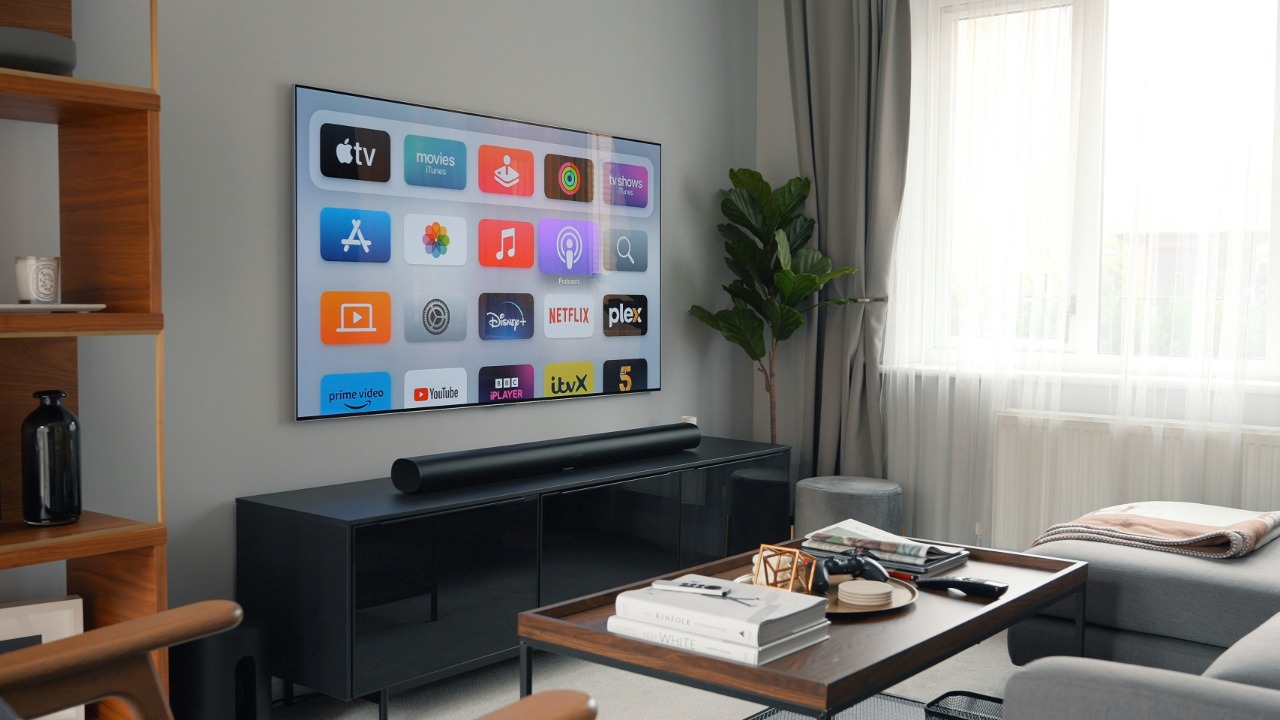

Old TV soundbars do not have to gather dust or head straight for the landfill. With a few smart tweaks, I can turn that long, low-profile speaker into a surprisingly versatile audio upgrade around the house. These four ideas keep the focus on clever repurposing so the soundbar earns a second life instead of becoming clutter.
Turn Your Old Soundbar into a Standalone Bluetooth Speaker
Turn Your Old Soundbar into a Standalone Bluetooth Speaker by pairing it with a compact wireless adapter or smart speaker. Guides on reusing older audio gear show that even basic speakers can become portable entertainment when connected to a Bluetooth puck, much like the creative setups used for old Bluetooth speakers. I can plug a Bluetooth receiver into the soundbar’s Aux input, then stream music from a phone, tablet, or laptop without touching the TV.
Some smart speakers also support wired output, and one walkthrough notes that I can “simply use an Aux cable” to connect the smart speaker to my soundbar so the output is automatically rerouted. With that approach, voice assistants such as Alexa or Google Assistant effectively turn the soundbar into a room-filling smart speaker. For renters or dorm residents, this repurposing avoids buying a new stereo while still delivering stronger sound for playlists, podcasts, and audiobooks.
Connect It to an Older Flat-Screen TV for Enhanced Audio
Connect It to an Older Flat-Screen TV for Enhanced Audio by treating the soundbar as a low-cost upgrade for legacy displays. Advice on refreshing aging screens shows that even non-smart sets can feel modern again when paired with better speakers, similar to how enthusiasts give old flat-screen TVs new life with external gear. I can run an optical, HDMI ARC, or analog cable from a 2010s-era Samsung or LG into the soundbar and instantly improve dialogue clarity and bass.
For especially sluggish smart TVs, performance guides recommend offloading apps to external hardware so the screen becomes a simple display, a tactic that also works when I combine a soundbar with a faster streaming box. Tutorials on speeding up older sets explain that using a dedicated streamer can dramatically cut menu lag, and pairing that with the soundbar’s audio creates a double upgrade compared with the TV’s built-in apps and speakers, as seen in advice on speeding up an old smart TV.
Use It as a Media Streaming Audio Hub with Streaming Devices
Use It as a Media Streaming Audio Hub with Streaming Devices by wiring the soundbar directly to a compact streamer. Creative repurposing guides show how small HDMI dongles can anchor whole-home setups, and the same logic applies when I plug a Roku, Fire TV Stick, or Apple TV into the soundbar’s HDMI input or an intermediary adapter, echoing the flexibility described for old Chromecasts. In some tutorials, a project titled How To Repurpose Your Old TV With a Roku Smart Sound Bar even shows a $900 plasma TV revived through a soundbar-centered setup.
Once the streamer is connected, I can tuck the soundbar under a monitor or wall-mount it beneath a basic display to create a compact media station for a bedroom, office, or kitchen. Tutorials on reusing older soundbars explain that routing all audio through one bar simplifies cabling and lets me control volume with a single remote, similar to the streamlined approach described for old TV soundbars. For households juggling multiple devices, this hub-style configuration reduces clutter while extending the useful life of both the soundbar and the streamer.
Donate or Recycle It Responsibly at Designated Tech Drop-Offs
Donate or Recycle It Responsibly at Designated Tech Drop-Offs when the soundbar no longer fits my setup or has failed completely. E-waste experts stress that old electronics should not go in household trash, and they highlight 7 places to recycle tech that accept speakers, TVs, and accessories. Retail programs note that “no matter where you bought it, we’ll help recycle it,” and some offer Haul services with a $49.99 haul-away option so I can clear out bulky gear without a car.
Before recycling, I can also check whether local schools, community centers, or shelters accept working soundbars as donations, which extends their life and supports underfunded programs. Guides on responsible disposal emphasize that diverting even a single device from the landfill reduces toxic materials in the waste stream and supports refurbishment jobs. By treating donation and certified recycling as the final step in a soundbar’s lifecycle, I align my home upgrades with broader efforts to cut e-waste and encourage manufacturers to design more sustainable hardware.
More from MorningOverview