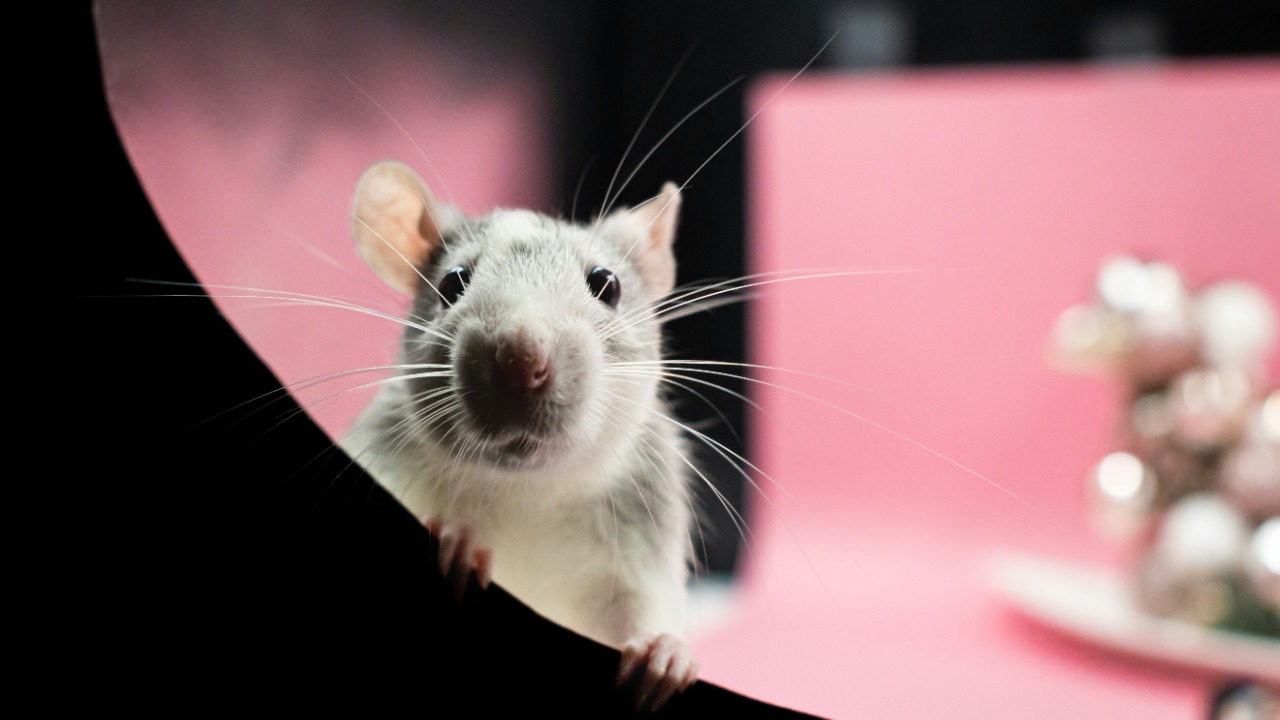

Researchers have achieved a clean reversal of Type 1 diabetes in mice by rebuilding their immune systems and restoring insulin-producing cells, all without the toxic chemotherapy or radiation that usually accompanies such a reset. Instead of suppressing immunity across the board, the team used a carefully calibrated transplant strategy that appears to retrain the body to tolerate its own pancreas again. For a disease long managed with insulin pumps and glucose monitors rather than curative therapies, the work marks one of the clearest demonstrations yet that the underlying autoimmunity can be switched off.
The findings do not change care for people with diabetes today, and the approach still has to clear major safety and feasibility hurdles before any human trial. But the proof of concept in animals, combined with early data from a small group of people with related immune problems, suggests that a future in which Type 1 diabetes is prevented or reversed at its roots is no longer purely theoretical.
Why Type 1 diabetes has been so hard to cure
Type 1 diabetes is not simply a shortage of insulin, it is a full-scale case of mistaken identity in which the immune system destroys the beta cells that make that hormone. Even when doctors replace those cells through pancreatic islet transplants, the same rogue immune response tends to attack the new tissue, which is why recipients usually need lifelong immune-suppressing drugs. Those medications blunt the body’s defenses against infection and cancer, and they still do not guarantee that transplanted islets will survive for the long haul.
For decades, scientists have chased the idea of an immune “reset” that would erase this destructive memory and allow new beta cells to thrive, but the standard way to reboot immunity has been brutal. Traditional bone marrow transplants rely on high dose chemotherapy or radiation to wipe out a patient’s existing immune system, a process that can be lethal and is typically reserved for life threatening blood cancers or rare immune disorders. As one analysis of the new work notes, the field has been searching for a way to achieve that reset without those toxic drugs, particularly for people who need solid organ transplants and for conditions like Type 1 diabetes that are not immediately fatal, a challenge that frames the significance of the gentler approach now reported in mice and summarized in recent coverage.
The Stanford team’s “gentle” immune reset
The new study centers on a deceptively simple idea, which is to partially replace the blood and immune system of diabetic mice with donor cells while simultaneously giving them fresh islets. Instead of obliterating the animals’ existing immunity, the researchers used a milder conditioning regimen that allowed donor blood stem cells to take hold alongside some of the host’s own cells. The goal was not to create a blank slate, but to tip the balance toward a tolerant immune environment in which transplanted beta cells would no longer be seen as targets.
According to the detailed description of the work, the solution the researchers found was a combination of blood stem cell and islet transplantation that functioned as an “immune system reset” without the usual toxic preconditioning. In the diabetic mice, this paired transplant strategy led to stable blood sugar control and durable survival of the donor islet cells in the pancreas, a result that is laid out in the primary report on the experimental protocol.
How the transplant combination actually works
At the heart of the approach is a choreography between two different donor tissues that are usually handled separately in clinical practice. First, the mice received blood stem cells from healthy donors, which seeded their bone marrow and began generating new immune cells. Then, once that new immune system was in place, the animals were given donor islet cells that could produce insulin in response to rising glucose. The key was that both the blood stem cells and the islets came from the same donor strain, so the emerging immune system would be educated from the start to see those pancreatic cells as “self.”
In technical terms, the team used a combination blood stem cell and pancreatic islet transplant to induce a state of mixed chimerism, in which donor and host immune cells coexist. This mixed state is known to promote tolerance in organ transplantation, and in the diabetic mice it allowed the donor islet cells in the pancreas to function without being attacked, as described in the section on the combination transplant strategy.
What “cured in mice” really means
In the controlled setting of the lab, the results were strikingly clear. Every mouse that received the full protocol, including the gentle conditioning, donor blood stem cells, and matched islet cells, achieved normal blood sugar levels and maintained them over time. The animals no longer needed insulin injections, and their glucose control looked indistinguishable from that of non diabetic mice, which is why the investigators describe the disease as having been cured in this model rather than simply improved.
The report notes that Type 1 diabetes was cured in mice with gentle blood stem cell and islet transplantation, and that this outcome was achieved without the lethal doses of chemotherapy or radiation that usually accompany such immune system overhauls. The work involved a team that spans immunology, gerontology, endocrinology and metabolism, and it is summarized in the section explicitly titled “Type 1 diabetes cured in mice with gentle blood stem cell and islet transplantation” within the broader overview of the mouse experiments.
Resetting the immune system without toxic drugs
What sets this work apart from earlier transplant based attempts is the way it sidesteps the harshest elements of immune ablation. Traditional bone marrow transplants often rely on full myeloablation, which strips away the recipient’s blood forming cells and leaves them profoundly vulnerable to infection until donor cells engraft. In the new protocol, the conditioning was intentionally “gentle,” designed to open enough space in the bone marrow for donor stem cells to settle without erasing the host’s entire immune repertoire. That nuance matters, because it could make the difference between a therapy that is acceptable for a chronic disease and one that is too dangerous to justify.
Analyses of the work emphasize that the scientists have found a way to cure Type I diabetes in mice without toxic drugs by avoiding the lethal doses of radiation or chemotherapy that usually accompany an immune reset. Instead, the transplant regimen uses a more targeted approach that still allows donor cells to dominate the immune landscape, a shift that is highlighted in coverage of how the team achieved an immune system reset without the conventional toxic preconditioning in their description of the solution.
The scientists and the science behind the breakthrough
The work did not emerge from a single lab working in isolation, but from a collaboration that brought together expertise in stem cell biology, immunology, and pancreatic development. A team at Stanford Medicine led the effort, drawing on long running programs in both blood stem cell transplantation and islet biology. By pairing those strengths, the researchers were able to design a protocol that addressed the two core problems of Type 1 diabetes at once, the loss of insulin producing cells and the immune system’s refusal to tolerate them.
Reporting on the study notes that Stanford researchers cured Type 1 diabetes in mice by resetting the body’s immune system, and it highlights the roles of Stephan Ramos and Seung Kim and their colleagues in orchestrating the experiments. The description of how the team at Stanford Medicine used an immune system reset to stop the autoimmune attack that destroyed the beta cells is laid out in detail in coverage of the Stanford led study.
What the mouse data can and cannot tell us
As impressive as the mouse results are, they sit within a long history of animal studies that have not always translated cleanly to human disease. The immune systems of inbred lab mice are more uniform and more easily manipulated than those of people, and the logistics of finding matched donors for both blood stem cells and islets are far more complex in the clinic than in a controlled breeding colony. The conditioning regimen that is “gentle” for a mouse may still carry significant risks for a person with Type 1 diabetes who is otherwise healthy apart from their need for insulin.
The researchers are acutely aware of that gap, which is why they also examined a small group of people with related immune problems to see whether similar transplant principles might apply. In a separate analysis, they studied nine individuals who had undergone stem cell transplantation and tracked how their immune systems responded, looking for signs that autoimmunity could be dialed back without complete immune depletion. That human data is still preliminary, but it hints that the same basic strategy of partial immune replacement could be feasible, a point that is underscored in reporting on how the researchers also studied nine people in the context of a landmark study paving the way for human trials.
How this fits into the broader search for gentler immune therapies
I see this work as part of a wider shift in medicine toward interventions that reshape the immune system with precision rather than blunt force. In cancer, for example, CAR T cell therapies and checkpoint inhibitors have shown that it is possible to redirect immunity against tumors without shutting it down entirely. In autoimmune disease, drugs that target specific pathways, such as IL 17 inhibitors for psoriasis or JAK inhibitors for rheumatoid arthritis, have already begun to replace older, more toxic chemotherapies. The Stanford protocol extends that logic into the realm of curative transplants, using mixed chimerism to retrain the immune system instead of erasing it.
Other fields are moving in a similar direction, even when the diseases look very different on the surface. In hair loss research, for instance, scientists have reported that a sugar based gel can boost regrowth by 90 percent in male mice, a dramatic effect that still comes with the caveat that all tests so far have been performed only on male animals and will need to be expanded to female mice and eventually human clinical trials. That work, described in coverage of a hair loss breakthrough, underscores a common pattern, bold results in mice that demand careful, incremental translation to people.
From lab bench to clinic: the road ahead
For the Type 1 diabetes work, the next steps will likely focus on refining the conditioning regimen, testing the durability of the immune reset over longer periods, and exploring whether similar results can be achieved with human cells in more complex models. Any move toward clinical trials will have to weigh the risks of even a gentle transplant protocol against the benefits of freeing people from lifelong insulin therapy. That calculus may look different for a child newly diagnosed with Type 1 diabetes than for an adult who has lived with the disease for decades, and regulators will expect robust data on safety before approving first in human studies.
At the same time, the conceptual breakthrough is already reshaping how researchers think about curative strategies. Instead of treating autoimmunity and beta cell loss as separate problems, the Stanford team has shown that they can be tackled together through a coordinated transplant that rebuilds both the immune system and the pancreas. The detailed account of how the solution the researchers found involved a carefully balanced stem cell and islet transplantation protocol is captured in the sections of the primary report that describe the immune reset strategy, and it will likely serve as a template for future efforts to turn temporary remissions into lasting cures.
Why this mouse cure still matters for people with diabetes
Even if the exact protocol used in these mice never becomes a standard therapy for people, the study answers a question that has hovered over the field for years, whether it is biologically possible to restore normal glucose control in an organism whose immune system has already destroyed its beta cells. The answer, at least in this model, is yes. That alone is a powerful motivator for continued investment in immune engineering, stem cell biology, and transplant science aimed at Type 1 diabetes.
For families living with the daily grind of blood sugar checks, carb counting, and the constant risk of hypoglycemia, the prospect of an eventual cure can feel distant and abstract. But each time researchers demonstrate that autoimmunity can be reversed in a living organism without resorting to lethal toxicity, the path from concept to clinic becomes a little clearer. The Stanford team’s work, detailed across multiple sections of their report on Type 1 diabetes in mice, does not change the reality of care today, yet it meaningfully shifts the horizon of what might be possible in the years ahead.
More from MorningOverview