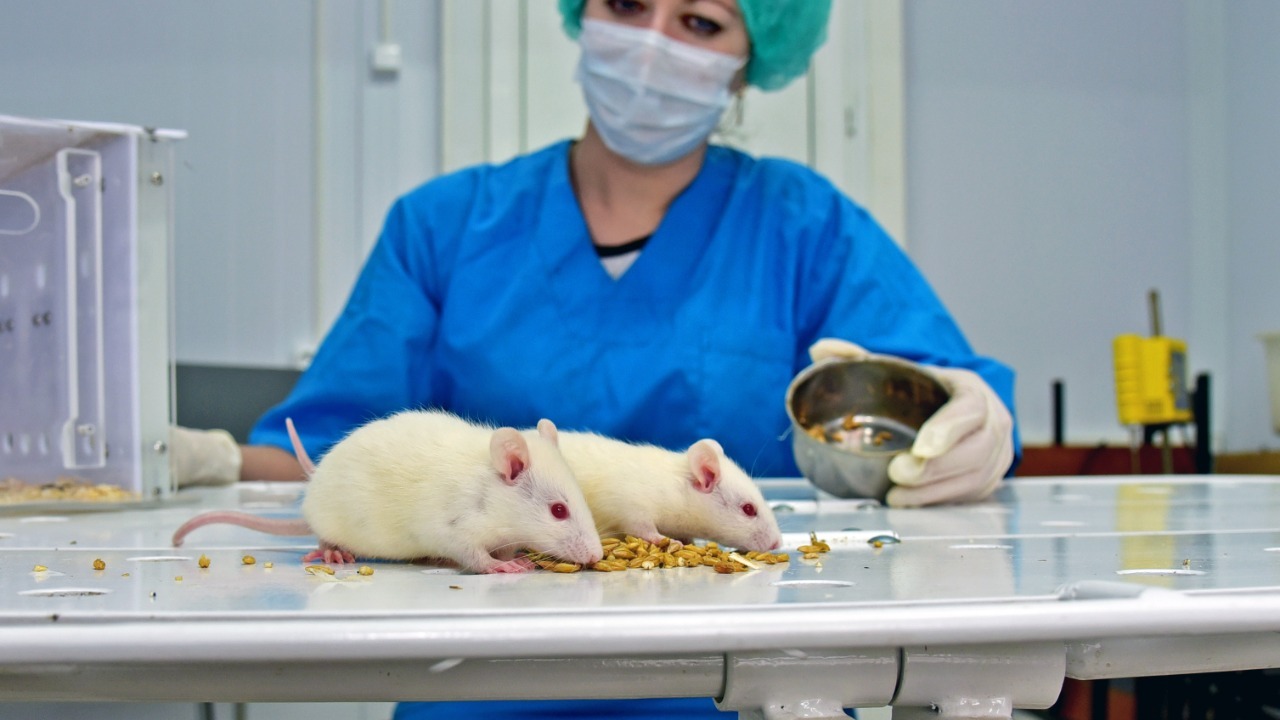

Stanford scientists have taken a striking step toward reimagining type 1 diabetes treatment, using a carefully calibrated “immune reboot” to restore normal blood sugar in mice that had already developed the disease. Instead of endlessly replacing lost insulin with injections or pumps, the approach aims to rebuild the immune system so it stops attacking the pancreas in the first place.
By combining a gentle form of blood stem cell transplant with donor insulin-producing cells, the team reports that they reversed type 1 diabetes in every treated mouse and kept it from coming back. If the same strategy can be made safe and practical for people, it could shift type 1 diabetes from a lifelong condition to something closer to a one-time reset.
Why an immune reset matters for type 1 diabetes
Type 1 diabetes is fundamentally an autoimmune problem, not just a hormone deficiency, and that distinction is what makes this new work so compelling. In the disease, the body’s own immune cells destroy the pancreatic islet cells that make insulin, leaving people dependent on constant monitoring, injections, and devices even when their overall health is otherwise robust.
Most current treatments focus on replacing insulin or shielding transplanted islets from attack, but they rarely change the underlying immune misfire that started the disease. The Stanford group set out to address that root cause by resetting the immune system itself, then pairing it with new islet cells so the body could maintain normal glucose without relapsing into autoimmunity, a strategy described as an “immune system reset” in a blood stem cell and islet transplantation approach.
Inside the Stanford mouse experiment
The core of the experiment was deceptively simple: first quiet the faulty immune system, then rebuild it alongside new insulin-producing cells. Researchers used a conditioning regimen that depleted the mice’s existing immune cells without the kind of harsh, full-intensity chemotherapy that is typically associated with bone marrow transplants, aiming for a “gentle” reset that would be more realistic for eventual human use.
After this immune depletion, the mice received blood-forming stem cells from healthy donors along with donor pancreatic islet cells, effectively giving them both a new immune system and a new source of insulin at the same time. The immune system reset cures type 1 diabetes in mice report notes that Graduate and medical student Preksha Bhagchandani served as lead author, and that the design was meant to test whether a synchronized transplant of immune and islet cells could prevent the usual autoimmune relapse.
Who led the work and how it fits into Stanford’s broader push
Every ambitious experiment needs a clear architect, and in this case Graduate and medical student Preksha Bhagchandani helped drive the project from concept to execution. Her role as lead author underscores how much of the innovation is emerging from trainees who are comfortable blending immunology, stem cell biology, and clinical thinking in a single study.
The work sits within a broader Stanford Medicine effort to rethink autoimmune disease as a problem of immune “memory” that can be erased and rewritten, rather than something to be endlessly suppressed. A detailed highlight on the project describes how the team, in a section explicitly labeled “Setting the table,” framed type 1 diabetes as an ideal proving ground for this kind of immune engineering, because the target cells (pancreatic islets) and the destructive immune response are both well characterized in Setting the table for a new class of therapies.
What “100% of mice” cured actually means
Claims of a cure in animals can sound overblown, so it is worth unpacking what the Stanford team actually observed. In this case, the researchers reported that type 1 diabetes was reversed in 100% of the treated mice, and that the animals maintained normal blood sugar without returning to a diabetic state over the course of the study.
That level of consistency is unusual in complex immune experiments, where partial responses and relapses are common. A detailed account of the work notes that the mice received bone marrow cells from other mice along with donor islet cells, and that this combination led to durable reversal of disease in every animal that underwent the protocol, with the researchers also studied nine additional animals to understand how immune depletion shaped the outcome.
How the immune reboot actually works
At the heart of the strategy is a simple idea: if the immune system has learned the wrong lesson, wipe that memory and teach it again. The conditioning regimen used in the mice depleted key immune cells that were responsible for attacking pancreatic islets, creating a window in which new blood stem cells could engraft and rebuild a more tolerant immune repertoire.
By transplanting donor islet cells at the same time as the blood stem cells, the researchers effectively introduced the new insulin-producing tissue as “self” to the developing immune system. A Stanford summary explains that the solution the researchers found was to pair this immune reset with islet transplantation so that the rebuilt immune system would recognize the donor cells as normal, a concept described in detail in the solution the researchers found for combining stem cell and islet transplantation.
Why this approach is different from past transplants
Transplanting pancreatic islets is not a new idea, but historically it has run into two major problems: the same autoimmune attack that caused type 1 diabetes in the first place, and the added risk of transplant rejection. Patients who receive donor islets typically need lifelong immunosuppressive drugs, which can carry serious side effects and still do not guarantee that the graft will survive.
The Stanford protocol tries to sidestep both issues by rebuilding the immune system around the new islets instead of forcing the old, misdirected immune cells to tolerate them. A detailed description of the work notes that a team at Stanford Medicine delivered a treatment that not only restored insulin production but also replaced the immune system that had destroyed it, effectively resetting the body’s defenses so they no longer targeted the pancreas, as described in a report on how a team at Stanford Medicine reset the immune system that destroyed them.
What outside coverage reveals about the stakes
Outside accounts of the study have emphasized just how disruptive a true immune reset could be for people living with type 1 diabetes. One report described the work as a potential cure identified in a milestone mouse study, highlighting that researchers at Stanfor were able to restore normal glucose control in animals that already had established disease, not just prevent it from developing in the first place.
That same coverage underscored that the approach could, in principle, be adapted to other autoimmune conditions if the safety profile holds up, since the basic logic of erasing and retraining immune memory is not unique to diabetes. The description of a milestone mouse study framed the work as a template for tackling diseases where the immune system has turned against a specific organ.
How the story spread beyond the lab
Scientific breakthroughs often move from technical reports to mainstream coverage and then into patient communities, and this study has followed that arc quickly. Detailed news write-ups have walked through the protocol step by step, while also stressing that the work is still confined to animals and that human trials will need to address safety, feasibility, and cost.
The excitement has spilled into online forums where people track advances in longevity and biotechnology, with one widely shared post noting that Type 1 diabetes was just permanently cured in mice and pointing to the potential for similar immune engineering in other autoimmune and transplant-related diseases. That discussion, captured in a thread titled Type 1 diabetes was just cured in mice, reflects how quickly the idea of an immune reboot has resonated with people who follow cutting-edge medical research.
From mice to humans: promise and hard questions
Moving from a cleanly controlled mouse experiment to a therapy for people is never straightforward, and that is especially true for something as invasive as a blood stem cell transplant. Even in its “gentle” form, conditioning the immune system carries risks of infection, organ toxicity, and other complications that would need to be weighed against the daily burden of type 1 diabetes, particularly for children and young adults who are otherwise healthy.
Researchers have already begun thinking about how to adapt the protocol, including whether partial immune depletion or targeted antibodies could replace some of the more toxic elements of conditioning. Reports on the study note that scientists are exploring how immune depletion shapes long term tolerance, and that they have examined additional animals to understand how different levels of conditioning affect outcomes, as described when the researchers also studied nine mice to probe the role of immunity depletion.
Why the language of “cure” needs careful handling
It is tempting to declare victory when a disease disappears in every treated animal, but the word “cure” carries a heavy weight for people who live with type 1 diabetes. In mice, the combination of immune reset and islet transplant appears to have eliminated the disease for as long as the animals were followed, which is why some coverage has used that term so confidently.
For humans, though, a cure would need to mean durable, complication-free remission over many years, with an acceptable safety profile and access that does not depend on extraordinary resources. One widely circulated account described how Scientists identify potential type 1 diabetes cure in a mouse model, but even that framing stressed that the next phase will be careful human studies rather than immediate clinical use.
What comes next for immune reboots in medicine
The Stanford work lands at a moment when medicine is increasingly comfortable with the idea of resetting biological systems rather than just nudging them. From CAR-T therapies that reprogram immune cells to attack cancer, to gene editing tools that rewrite faulty DNA, the idea of a one-time, high impact intervention is gaining traction across specialties.
An analysis of the diabetes study shared in a technology-focused community noted that the same immune reset logic could eventually be applied to other autoimmune and transplant-related diseases, not just type 1 diabetes. The post, which highlighted that autoimmune and transplant-related diseases might benefit from similar strategies, captured the broader sense that this is less a one-off trick and more a blueprint for how to rebuild the immune system when it has gone badly off course.
More from MorningOverview