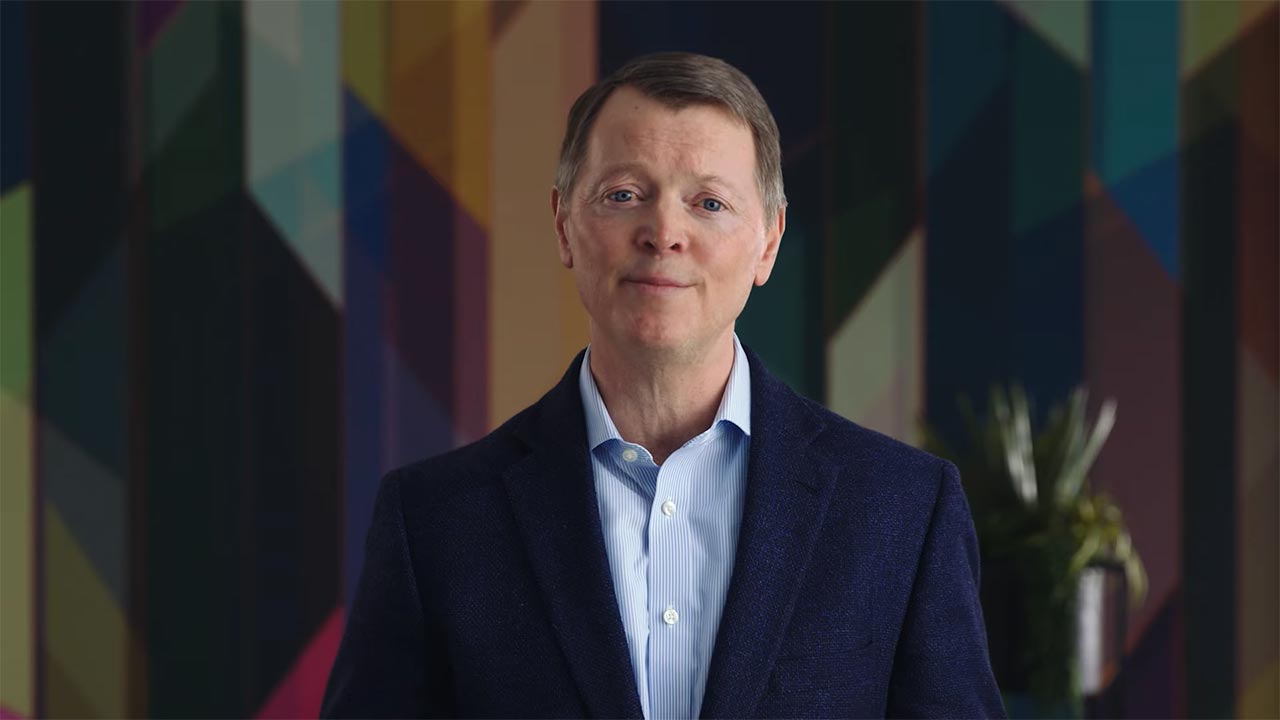

The phrase “Great Wealth Transfer” suggests a single tidal wave of money crashing from one generation to the next, but the reality looks more like a long, uneven tide. Northwestern Mutual executive Tim Gerend is arguing that the projected $124 trillion shift in baby boomer assets will unfold gradually, reshaping family finances and the advisory business over decades rather than in one dramatic moment. That slower pace could be both a risk and an opportunity, depending on how prepared younger households and their financial partners really are.
Why the $124 trillion handoff will be a slow burn
The headline number around the Great Wealth Transfer is staggering: analysts expect as much as $124 trillion in baby boomer wealth to move to heirs and charities. It is easy to imagine that figure as a single event, a kind of financial eclipse that suddenly remakes who owns what in the United States. Gerend, who helps steer strategy at Northwestern Mutual, is pushing back on that mental picture, arguing that the shift will be stretched out over many years as families navigate retirement, health care and estate decisions at different speeds.
In his view, the mechanics of how older Americans actually spend, save and bequeath money make a sudden “big bang” unlikely. Many boomers will draw down portfolios to fund longer retirements, while others will prioritize supporting spouses or covering late-life medical costs before any inheritance is finalized. That is why he frames the Great Wealth Transfer as a long transition rather than a single turning point, even though the aggregate value of assets expected to change hands still reaches $124 trillion.
How family dynamics shape the pace of inheritance
When people talk about generational wealth, they often skip over the fact that most families do not move money in a straight line from parents to children. Gerend has emphasized that in many households, assets will first pass to surviving spouses, who may live for years or even decades before the next transfer occurs. That alone slows the timetable, since the first priority for older couples is usually protecting each other’s standard of living rather than rushing to fund the next generation’s goals.
Those internal family choices matter as much as market performance or tax law in determining when younger adults actually see any benefit. A boomer who spends heavily on long term care or who chooses to downsize and consume more of their savings will leave a very different legacy than one who preserves principal for heirs. The much discussed Great Wealth Transfer is therefore less a single pipeline and more a patchwork of individual decisions, each with its own timing and trade offs.
The preparedness gap facing younger generations
Even as the dollar figures grow, the people expected to receive this money often look underprepared for the responsibility. Gerend has warned that many younger adults lack basic financial safety nets, including adequate insurance coverage and emergency savings, which leaves them vulnerable long before any inheritance arrives. That mismatch between future expectations and present reality raises the risk that windfalls, when they do come, could be mismanaged or quickly depleted.
He has also pointed to a broader advisory gap. According to his assessment, many potential heirs either do not work with professional planners at all or do not have the kind of long term, trust based relationships that help families navigate complex transitions. As he put it, They often lack both the protection products and the advisory infrastructure that would allow them to turn inherited assets into durable security rather than short lived consumption.
Why Gerend is betting on multi generational advisory teams
For Northwestern Mutual, the answer to that preparedness gap is not a single new product but a different way of organizing advice. Gerend has described a strategic focus on building advisory teams that can work with parents, children and even grandchildren under one coordinated plan. The idea is to move away from one to one relationships that end when a client dies and toward multi generational partnerships that can survive the handoff of assets and responsibility.
Those teams are designed to blend experience with relatability. A senior advisor might handle complex estate structures or tax questions, while younger colleagues connect more naturally with millennial or Gen Z clients who are still juggling student loans, first homes and young families. Gerend has said that the company is actively investing in these multi generational advisory teams so that relationships can persist as wealth moves gradually rather than being rebuilt from scratch with each new heir.
What a non “big bang” transfer means for markets
If the Great Wealth Transfer plays out slowly, the impact on markets and asset prices is likely to be more muted and uneven than some of the more breathless forecasts suggest. A gradual reallocation of portfolios from older to younger owners gives institutions and companies time to adapt, whether that means shifting product mixes, rethinking marketing or adjusting risk models. It also reduces the odds of a sudden, inheritance driven shock to sectors like housing or equities, since there is no single moment when trillions of dollars are suddenly freed up for new uses.
At the same time, a drawn out process does not mean the effects will be trivial. Younger investors tend to have different preferences, from a greater comfort with digital platforms to more interest in environmental or social themes, and those preferences will still shape demand over time. The difference is that asset managers, insurers and banks will have years to watch those patterns emerge and to recalibrate, rather than scrambling to respond to a one time event that instantly reshuffles who holds the nation’s wealth.
The policy and planning stakes of a decades long shift
Public policy is another arena where the slow motion nature of the transfer matters. Lawmakers and regulators often respond to visible shocks, but a gradual change in who owns capital can be harder to track and address. As assets move from boomers to their heirs, questions about estate taxation, retirement security and the social safety net will surface repeatedly, not just once, and the answers may evolve as each cohort’s needs become clearer.
For individual households, that extended timeline can be both a blessing and a trap. On one hand, it gives families more time to talk openly about intentions, to update wills and beneficiary designations, and to align expectations across generations. On the other, it can encourage procrastination, with parents and children assuming there will always be another year to get organized. Gerend’s warning that the Great Wealth Transfer will not arrive in a single, dramatic wave is therefore also a call to treat planning as an ongoing process rather than a last minute paperwork sprint.
How technology and advice could intersect in the transfer era
The advisory model Gerend describes is emerging at the same time that digital tools are reshaping how people interact with money. Younger adults are already comfortable using apps like Robinhood, Betterment or Fidelity’s mobile platform to trade, save and monitor portfolios in real time. That creates both competition and opportunity for traditional firms that want to stay relevant as wealth slowly migrates to a more tech native generation.
In practice, the most effective responses are likely to blend human guidance with digital convenience. A multi generational advisory team that can meet clients on Zoom, share real time dashboards and integrate data from multiple custodians will be better positioned to manage a decades long transfer than one that relies solely on annual in person reviews. The firms that thrive in this environment will be those that treat technology as a way to deepen relationships across generations, not as a substitute for the trust and continuity that Gerend is trying to institutionalize.
Why the narrative around the Great Wealth Transfer needs nuance
The phrase “Great Wealth Transfer” has become a kind of shorthand for every anxiety and hope tied to generational change, from fears of inequality to dreams of financial freedom. That shorthand can be useful, but it also risks flattening a complex, multi decade process into a single headline. Gerend’s insistence that the shift will not be a sudden explosion of new money in younger hands is a reminder to treat the story with more nuance, especially when the stakes involve real families and their long term security.
For advisors, policymakers and would be heirs, the more realistic narrative is one of incremental change. Some households will see meaningful inheritances, others will watch expected windfalls shrink under the weight of health care costs or longer lifespans, and many will continue to rely primarily on their own earnings and savings. The $124 trillion figure may capture attention, but the real work lies in building systems, habits and relationships that can handle a slow, uneven transfer of responsibility as much as a transfer of assets.
More from MorningOverview