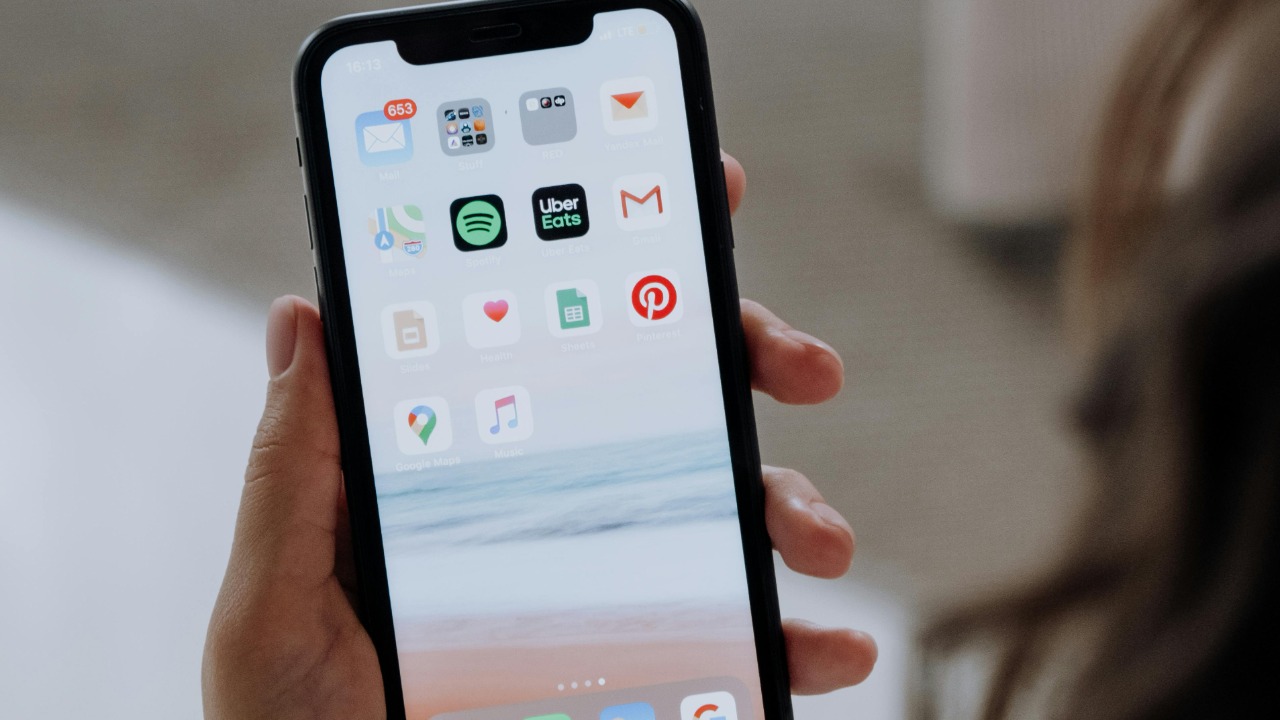

Productivity apps promise focus and efficiency, yet a growing body of research shows they can quietly undermine both. I look at five hidden drawbacks that rarely surface in marketing copy but increasingly shape how people work, decide and even relax. Together, these findings suggest that the very tools meant to optimize our time can fuel stress, erode privacy and weaken our own internal drive to get things done.
1. The Notification Overload That Fuels Decision Fatigue
The Notification Overload That Fuels Decision Fatigue is not just a feeling, it is measurable. A 2023 study in the American Psychological Association’s Journal of Applied Psychology reported that users of productivity apps such as Todoist and Asana experienced a 25% increase in decision fatigue linked to constant notifications, which in turn drove higher stress levels. Every ping about a task, comment or deadline forces another micro choice, from whether to respond to how to re-order priorities.
That cumulative strain lands in a workplace where, in March, 80% of American employees already reported “productivity anxiety” and lower well-being, according to a separate study on productivity anxiety. When decision fatigue from apps stacks on top of that baseline pressure, workers can become more reactive and less strategic, defaulting to whatever notification shouts loudest. For employers, the hidden cost is poorer judgment on high-stakes work, even as dashboards suggest everyone is “busy” and engaged.
2. Sneaky Data Collection Eroding User Privacy
Sneaky Data Collection Eroding User Privacy is another under-discussed tradeoff. A 2022 report from the Electronic Frontier Foundation found that note-taking and workspace tools such as Evernote and Notion collect user data including keystroke patterns and location history without explicit consent, affecting 68% of surveyed users. Keystroke patterns can reveal how quickly someone types, when they hesitate and even potential health or accessibility issues, while location history maps daily routines.
For individuals, that level of tracking turns private planning into a rich behavioral profile that can be stored, analyzed or shared far beyond the original task list. For organizations, it raises compliance and security questions when sensitive project notes or client details sit inside platforms that quietly log metadata about every interaction. The privacy risk is not only about a single breach, it is about long-term exposure of patterns that workers never knowingly agreed to hand over.
3. Hidden Ads Lurking in Free App Features
Hidden Ads Lurking in Free App Features show how “free” productivity tools can carry invisible costs. Internal documents leaked in 2021 revealed that Microsoft To Do integrates with advertising networks and serves targeted ads to free users based on their task data. According to that reporting, more than 10 million accounts were affected, meaning everyday entries about bills, health appointments or client work could influence which ads appear elsewhere.
Once task content feeds into ad systems, the line between a personal organizer and a marketing channel blurs. Users may assume their to-do lists are purely functional, yet the underlying business model rewards extracting as much commercial insight as possible. For professionals handling confidential projects, this integration raises difficult questions about what information should ever be typed into a free app that monetizes attention in the background.
4. App Overload Stealing More Time Than It Saves
App Overload Stealing More Time Than It Saves is increasingly visible in remote work. A 2024 survey in the Gartner Digital Workplace Trends report found that 40% of remote workers using tools like Trello and Slack experienced “app overload,” where juggling multiple platforms cut actual productivity by an average of 15 hours per week. Time that should go to focused work instead gets spent switching tabs, updating boards and reconciling conflicting notifications.
That 15-hour weekly loss effectively removes almost two full workdays from a remote employee’s schedule, even as managers see a flurry of status updates. The fragmentation also makes it harder to build deep expertise, because workers must constantly relearn interfaces and workflows. For companies, the hidden drawback is that investments in more tools can paradoxically dilute output, especially when each team layers its own preferred app on top of existing systems.
5. Gamification’s Trap of Lost Intrinsic Motivation
Gamification’s Trap of Lost Intrinsic Motivation highlights a psychological cost that is easy to miss amid streaks and badges. Research published in the Journal of Consumer Research in 2023 examined gamified productivity platforms such as Habitica and found that 32% of users became unable to complete tasks without app prompts. The study linked this dependency to decreased intrinsic motivation, meaning people grew less likely to act from personal values or goals and more likely to chase external rewards.
Once task completion is tied to points, avatars or virtual loot, the brain can start treating everyday responsibilities as chores that only matter when the app validates them. That shift may be especially risky for students and early-career workers who are still forming long-term habits. Over time, the reliance on gamified cues can weaken self-discipline, leaving users feeling oddly helpless whenever the app is unavailable or a streak breaks.
More from MorningOverview