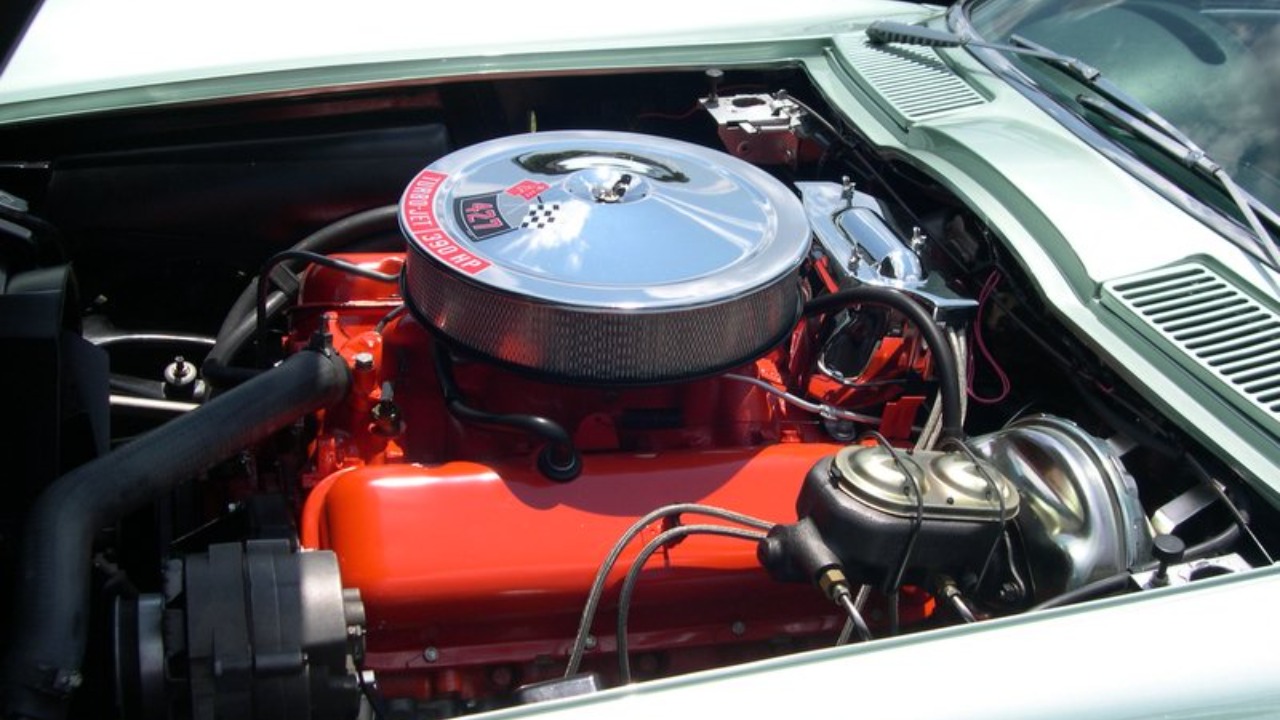

Big-block engines sit at the heart of some of the most iconic American performance cars and trucks, yet the term is often used loosely, as if it were just a synonym for “big horsepower.” In reality, a big-block is a specific approach to engine architecture that shapes everything from weight and packaging to how a vehicle feels on the road. Understanding what separates a big-block from a small-block, and why that distinction still matters, is essential if you want to make sense of classic muscle, modern swaps, or the way enthusiasts talk about power.
Instead of treating “big-block” as a nostalgic label, I look at it as a set of engineering and cultural choices that evolved together over decades. The physical dimensions, internal layout, and intended use case all feed into the way these engines are perceived, and those perceptions have been amplified by media, online communities, and political storytelling around cars and energy that reach far beyond the garage.
Defining a big-block engine in practical terms
At its core, a big-block engine is a physically larger V8 family designed from the outset for higher displacement and torque than its small-block counterpart. The key is not just cubic inches, but the size of the block casting, the spacing between cylinders, and the strength of the internal structure, which allow engineers to run bigger bores, longer strokes, or both. That is why a 396 cubic inch Chevrolet V8 is considered a big-block while a 400 cubic inch small-block from the same brand is not, even though the latter technically has more displacement.
Manufacturers historically created big-block families to handle heavier vehicles, towing, and racing classes that demanded sustained high loads, so the blocks typically use thicker main webs, larger bearing journals, and more robust cooling passages. In practice, this means a big-block is heavier and bulkier, but it can tolerate the kind of stress that would quickly expose the limits of a lighter small-block design. When enthusiasts talk about “big-block torque,” they are really describing the way this architecture supports large displacement and strong low-end pull without sacrificing durability.
How big-blocks differ from small-blocks in size and architecture
The most obvious difference between big-block and small-block engines is physical size, which shows up in deck height, bore spacing, and overall mass. A big-block’s taller deck height gives room for longer connecting rods and crankshaft stroke, while wider bore spacing lets engineers increase cylinder diameter without compromising the water jackets or cylinder wall strength. The result is an engine that often weighs several dozen kilograms more than a comparable small-block, with a broader, taller profile that affects how it fits in an engine bay and how it shifts a car’s weight balance.
Internally, big-blocks often use larger diameter main bearings and beefier crankshafts, which help them survive the high cylinder pressures associated with big displacement and heavy-duty use. That extra strength comes at a cost in friction and rotating mass, which is one reason small-blocks tend to rev more freely and feel more responsive at lower displacements. When I compare the two, I see big-blocks as optimized for brute force and longevity under load, while small-blocks are optimized for packaging efficiency and responsiveness, especially in lighter vehicles.
Displacement, torque, and the driving feel of a big-block
Displacement is where big-blocks earn their reputation, because the larger architecture makes it straightforward to build engines in the 6.0 to 7.5 liter range and beyond. That extra swept volume translates directly into more air and fuel per revolution, which in turn produces higher torque at low and midrange engine speeds. On the road, this shows up as effortless acceleration with only modest throttle input, the ability to pull steep grades in a taller gear, and a sense that the engine is barely working even when the car is moving quickly.
From a driver’s perspective, the character of a big-block is defined less by peak horsepower and more by how early and how consistently it delivers torque. A small-block can be tuned to make similar peak numbers, especially with modern induction and valvetrain technology, but it often does so higher in the rev range and with a different, more urgent feel. Big-blocks tend to encourage short-shifting and relaxed cruising, because the engine’s broad torque plateau makes it unnecessary to chase redline to access performance.
Weight, packaging, and handling trade-offs
The same physical size that makes big-blocks so capable also creates real compromises in vehicle dynamics and packaging. Dropping a heavy iron big-block into the nose of a mid-size car shifts the center of gravity forward, which can dull steering response and increase understeer if the suspension is not re-engineered to compensate. In classic muscle cars, this trade-off was often accepted as the price of straight-line speed, with chassis tuning lagging behind the engine’s potential.
Packaging constraints also matter, especially in modern vehicles with tighter engine bays and more complex accessory drives. A big-block’s width and height can limit header design, intake routing, and even steering and brake component placement, which is why many contemporary performance builds favor compact, all-aluminum small-block–style engines that deliver big power without the bulk. When I evaluate whether a big-block makes sense in a given project, I weigh the torque and durability benefits against the impact on weight distribution, cooling airflow, and serviceability.
Big-blocks in trucks, towing, and heavy-duty work
Big-block engines found some of their most natural homes in trucks, vans, and heavy-duty commercial vehicles, where their torque and durability could be fully exploited. In these applications, the extra mass of the engine is a smaller concern relative to the overall vehicle weight, and the ability to pull large trailers, haul heavy loads, or maintain speed on long grades is paramount. The thicker castings and stronger bottom ends that define big-block architecture are well suited to the sustained high-load operation that would quickly fatigue a lighter design.
Even as modern diesel engines and turbocharged smaller gasoline units have taken over much of the heavy-duty market, the legacy of big-block truck engines still shapes how drivers think about workhorse powerplants. When people recall older three-quarter-ton pickups or motorhomes that “pulled like a freight train,” they are often remembering the feel of a large displacement big-block V8 operating comfortably within its design envelope. That association between big-blocks and serious work continues to influence how enthusiasts choose powertrains for tow rigs and classic haulers.
Muscle cars, media myths, and the big-block image
The cultural image of the big-block was forged in the muscle car era, when manufacturers used large displacement V8s as headline-grabbing proof of performance. Advertising, enthusiast magazines, and later television and online video turned engines like the 426 Hemi and 454 into shorthand for raw power, often glossing over the nuances of chassis balance or braking capability. That storytelling helped cement the idea that a “real” performance car needed a big-block, even when smaller, lighter engines could deliver similar or better real-world results.
Over time, that mythology has been reinforced by enthusiast media that treats big-block swaps and dyno pulls as spectacle, with the camera lingering on the size of the intake and the shake of the car at idle. In some cases, the narrative around big-blocks intersects with broader political and cultural debates about energy use, regulation, and national identity, as performance cars become symbols in arguments about freedom and control. I see that dynamic reflected in how some commentators frame big-displacement engines as a stand-in for resistance to perceived overreach, a pattern that parallels the way other cultural flashpoints are amplified in modern political communication.
Online communities and the evolution of big-block knowledge
The internet has transformed how enthusiasts learn about and debate big-block engines, shifting authority from a handful of print outlets to sprawling online communities. On forums and discussion boards, detailed build threads and dyno charts circulate alongside opinionated takes, creating a hybrid space where hard data and anecdote constantly collide. A long-running thread on a site like Hacker News shows how even technically minded communities can veer into cultural arguments when mechanical topics touch on identity or policy.
Video platforms have added another layer, letting builders document big-block projects in real time, from machining and assembly to first fire and road testing. A single well-produced clip of a big-block on the dyno can reach hundreds of thousands of viewers, shaping expectations about what these engines sound like, how they behave, and what kind of numbers they “should” make. When I watch a detailed teardown or build series such as one hosted on YouTube, I see not just technical instruction but also a form of storytelling that reinforces the mystique of large displacement power.
Big-block nostalgia, politics, and media narratives
Big-block engines do not exist in a vacuum; they are wrapped in stories about the past, about national strength, and about who gets to define progress. Some commentators use the decline of large displacement gasoline engines as a symbol of broader cultural loss, tying it to grievances about regulation, globalization, or changing social norms. That framing can be powerful because it taps into personal memories of cars and trucks as markers of adulthood, independence, or family history, turning a technical topic into a proxy for political identity.
Scholars of media and politics have documented how symbols like cars and engines are woven into narratives that mobilize audiences, especially when they are linked to ideas of freedom and control. In analyses of modern political communication, researchers show how everyday objects become touchpoints in larger struggles over meaning, with automotive culture often serving as a stage for those conflicts. A detailed study of these dynamics in digital environments, such as the work collected in one volume on political communication, helps explain why debates about big-blocks and fuel economy can feel so emotionally charged.
How commentary and criticism shape the big-block story
Commentators and critics have long used automotive culture as a lens for examining broader social and political trends, and big-block engines often feature in that analysis. Writers who focus on media figures and their influence sometimes trace how personalities on radio, television, or online platforms deploy car talk as a way to connect with audiences and signal shared values. In profiles of political communicators, for example, you can see how references to classic muscle or large trucks are used to project authenticity or defiance, even when the policy stakes are elsewhere.
Some long-form essays dig into the careers of media activists and provocateurs, showing how they blend pop culture, including car references, with aggressive political messaging. A close reading of work that tracks figures like Andrew Breitbart, such as the reporting archived at this investigative blog, reveals how cultural symbols are recruited into partisan storytelling. When I map that pattern onto the way big-blocks are discussed in certain circles, I see engines becoming more than hardware; they become props in a narrative about who is on which side of a cultural divide.
Technical literacy, misinformation, and the big-block label
As with many specialized topics, the gap between technical reality and popular perception around big-block engines can be wide, and that gap is often filled with confident but inaccurate claims. Misunderstandings about what qualifies as a big-block, how displacement relates to power, or what emissions regulations actually require can spread quickly when they align with existing beliefs. In some cases, those misconceptions are harmless bench racing; in others, they feed into broader skepticism about expertise and institutions, especially when they are framed as evidence that “they” are trying to take something away.
Researchers who study digital discourse have noted how technical subjects become vehicles for broader mistrust, particularly when they intersect with identity and ideology. Detailed analyses of online argumentation, such as those found in recent essays on digital rhetoric, highlight how selective facts and emotionally resonant anecdotes can overpower nuanced explanation. When I see debates about big-blocks devolve into absolutist claims about freedom or conspiracy, I recognize the same patterns that appear in other contested domains, from health to climate policy.
Why big-blocks still matter in an era of downsizing
Modern powertrain technology has made it possible for relatively small engines to deliver the kind of power that once required a big-block, thanks to turbocharging, direct injection, and advanced engine management. Yet the appeal of a large displacement naturally aspirated V8 persists, not only for its sound and feel but also for its mechanical simplicity and the way it responds to modification. For many enthusiasts, the big-block represents a kind of mechanical transparency that contrasts with the complexity of contemporary systems, even if that perception glosses over the sophistication involved in making any engine reliable and efficient.
At the same time, the conversation around big-blocks is increasingly shaped by broader debates about energy, climate, and regulation, which are mediated through a dense web of media channels and political messaging. Analysts of communication have shown how narratives about technology and progress are constructed and contested in public discourse, with transportation often serving as a focal point. Work that examines these processes in depth, such as the research compiled in studies of digital-age politics, helps clarify why the future of big-block engines is not just an engineering question but also a cultural and political one.
Reading big-block debates with a critical eye
When I parse arguments about big-block engines, I try to separate the technical claims from the symbolic weight they carry. On the technical side, the distinctions are clear: a big-block is a larger, heavier, more robust engine family designed for high displacement and torque, with real implications for performance, packaging, and efficiency. On the symbolic side, big-blocks have become shorthand for a particular vision of power, freedom, and resistance to change, a vision that is constantly reinforced and contested across media platforms.
Recognizing that dual role makes it easier to evaluate both engineering choices and the stories told about them. It allows enthusiasts to appreciate the genuine strengths and limitations of big-block architecture without turning it into a litmus test for identity, and it encourages a more informed conversation about how performance, regulation, and culture intersect. In a media environment where even engine terminology can be pulled into larger battles over meaning, that kind of critical literacy is as important under the hood as it is in the comment section.
More from MorningOverview