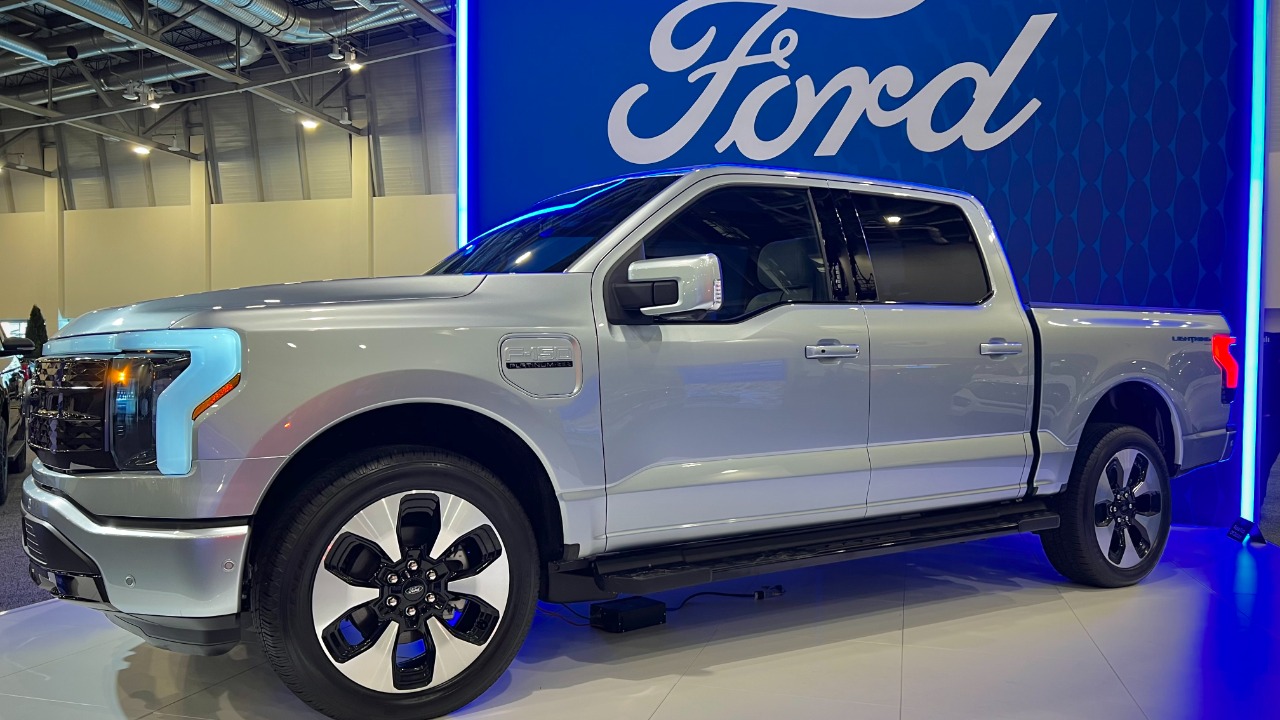

Ford is facing a wave of online criticism from truck shoppers who say the company’s marketing promised a feature their vehicles do not actually have. The dispute centers on a glossy ad that highlights a specific capability, then runs into the hard reality of what is (and is not) installed on the truck that shows up in a buyer’s driveway. At stake is more than one option code on a window sticker, it is the basic question of whether drivers can trust what they see in a national campaign.
As complaints circulate across social platforms, I see a pattern that goes beyond one frustrated owner or one confusing brochure. The posts describe a gap between the truck Ford depicted and the truck people say they received, and that gap is now being dissected frame by frame, screenshot by screenshot, by an audience that is used to catching fine print and calling it out in public.
How a single truck ad turned into a flashpoint
The controversy starts with a Ford advertisement that, according to viewers, showcases a truck performing with a specific feature that is not actually present on the configuration many customers can buy. In the clips and screenshots being shared, the truck is presented as if this capability is part of the package, with no obvious on-screen caveat that it might be optional, region-specific, or limited to a different trim. That framing is what has turned a routine marketing spot into a flashpoint for accusations that Ford is overselling what its trucks can do.
Owners and enthusiasts have been replaying the ad and comparing it to their own vehicles, pointing out that the hardware or software they expected is missing or behaves differently in real use. In one discussion thread, commenters focus on how the visual emphasis in the commercial leads viewers to assume the feature is standard, even though the actual truck they received does not match that impression, a mismatch that has fueled the broader claim that Ford’s promotion of the capability is misleading and potentially unfair to buyers who relied on it.
What owners say they were promised versus what they got
Across multiple communities, truck shoppers describe a similar experience: they saw Ford’s marketing, believed a particular feature was part of the deal, and only discovered after delivery that their vehicle did not include it. In detailed posts, some owners recount going back through the ad and their order paperwork, trying to reconcile why the capability that was so prominently showcased is absent from their trucks. That sense of being sold on something that never materialized is driving much of the anger now directed at the company.
In one owners’ group, members trade screenshots of the commercial alongside photos of their own trucks, highlighting the missing element and debating whether the ad’s wording and imagery cross the line from optimistic sales pitch into misrepresentation, a debate that plays out in long comment chains under the shared truck advertisement. Others describe conversations with dealers where sales staff appeared to rely on the same marketing materials, reinforcing the impression that the feature was part of the package, only for everyone involved to discover later that the actual build sheet told a different story.
The online backlash and why this ad struck a nerve
The reaction has not been confined to niche forums. Clips of the ad and owner complaints have spread across broader social feeds, where users who may never have considered buying a Ford truck are weighing in on what they see as a textbook case of overpromising in automotive marketing. The criticism is not only about one missing feature, it is about a perception that a major manufacturer is comfortable letting consumers fill in the blanks in ways that favor the sale, even if those assumptions are not backed up by the spec sheet.
In a larger truck-focused community, members dissect the language and visuals of the campaign, arguing that the way the feature is woven into the story of the ad leaves little room for viewers to understand it as an optional extra, a concern that surfaces repeatedly in a widely shared group discussion. That conversation has been amplified by non-owners who see the episode as part of a broader pattern in which carmakers lean heavily on cinematic imagery and fine print, then act surprised when buyers expect the vehicle in their driveway to match what they saw on screen.
Video breakdowns and frame-by-frame scrutiny
As the dispute has grown, some creators have taken to video platforms to break down the Ford ad in granular detail, pausing on specific shots to show exactly how the contested feature is presented. These breakdowns typically start by playing the commercial straight through, then rewinding to highlight the moments where the truck appears to demonstrate the capability that owners say they never received. The goal is to show how a typical viewer, watching at normal speed, would reasonably come away believing that the feature is part of the advertised configuration.
One such analysis walks through the sequence of shots, pointing out how the camera lingers on the truck while the voiceover describes its abilities, then contrasts that with the reality of what buyers report finding on their own vehicles, a contrast that is laid out in a detailed video breakdown. Commenters under that video echo the frustration seen elsewhere, with some saying they had considered ordering the truck based on the ad but now feel wary of trusting any claims that are not explicitly spelled out in the official build and price tools.
Design details and the credibility problem
The credibility issue is not limited to the disputed feature itself. Some critics have zeroed in on the visual design of Ford’s promotional materials, arguing that even small details in the ad undercut the sense that the company is being meticulous and transparent. In one widely shared example, viewers point out that the lettering in a Ford truck advertisement appears misaligned or oddly spaced, a seemingly minor flaw that has become a symbol of what they see as a slapdash approach to how the product is presented.
That design quirk has been highlighted in a popular thread where users mock the typography and question how such an obvious issue made it through review, a thread that centers on the uneven letters in the ad. For critics already upset about the missing feature, details like this feed a narrative that Ford is not paying close enough attention to the accuracy and polish of its marketing, which in turn makes it harder for the company to persuade skeptical buyers that any confusion about the truck’s capabilities was an honest mistake rather than a calculated risk.
How social media turned one complaint into a pattern
What might once have been a private dispute between a buyer and a dealer has, in this case, been amplified by the speed and reach of social platforms. A single post from a frustrated owner can be shared into multiple groups, stitched into short videos, and cross-posted into general-interest feeds where users with no direct stake in the truck market still weigh in on the fairness of the ad. That amplification has helped transform the missing feature from a niche grievance into a talking point about how modern car marketing works.
Short-form clips have been especially effective at spreading the story, with creators summarizing the complaint in a few seconds, overlaying screenshots of the ad and the truck’s actual controls, and inviting viewers to decide whether the promotion crossed a line, a format that is evident in a widely circulated social reel. As those clips rack up views, they attract comments from other owners who say they had similar experiences, which in turn reinforces the perception that the issue is not an isolated misunderstanding but part of a broader pattern in how the feature has been marketed.
What Ford’s silence and fine print mean for buyers
So far, the public conversation around this ad has been driven largely by owners, enthusiasts, and commentators, rather than by detailed explanations from Ford itself. In the absence of a clear, widely shared response from the company, buyers are left to parse the fine print that appears briefly at the bottom of the screen or in small-type disclaimers attached to online versions of the campaign. Those disclaimers typically reserve the right to change features, note that options may vary by trim or region, and remind viewers that the vehicle shown may be equipped with available equipment.
For consumers who feel misled, those caveats do little to resolve the core complaint, which is that the overall impression created by the ad does not match the reality of the trucks they received. The gap between the bold claims in the main visuals and the cautious language in the fine print is where much of the current anger lives, and unless Ford addresses that gap directly, the company risks having every new campaign met with the same skeptical question: does the truck on screen actually exist in the form most buyers can order, or is it a carefully curated exception that only appears in marketing materials?
Why this dispute matters beyond one Ford truck
The stakes in this fight extend beyond a single model year or one contested feature. Automotive brands increasingly rely on complex technology packages, software-driven capabilities, and subscription-based add-ons to differentiate their vehicles, and that complexity makes it easier for marketing to blur the line between what is standard, what is optional, and what may never reach certain markets at all. When a high-profile company like Ford is accused of advertising a capability that many buyers cannot access, it raises broader questions about how the industry communicates these distinctions.
For regulators and consumer advocates, episodes like this provide fresh examples to examine when considering whether existing rules on advertising are sufficient for a world where a truck’s most touted features may depend on software versions, connectivity, or regional approvals. For buyers, the lesson is more immediate and practical: no matter how compelling a commercial may be, the only reliable guide to what a specific truck will include is the detailed order sheet and the official documentation that comes with the vehicle, not the cinematic moments that first caught their eye.
How owners are adapting their expectations
In the wake of the controversy, some truck shoppers say they are changing how they approach the buying process. Instead of relying on brand reputation or the emotional pull of a national campaign, they describe spending more time in online communities, asking existing owners to confirm whether specific features are actually present on their trucks and how they work in practice. That peer-to-peer verification is becoming a kind of informal quality control layer on top of whatever the manufacturer and dealer claim.
Others say they now treat every impressive moment in a commercial as a starting point for research rather than a promise, pausing videos, looking up option codes, and cross-referencing what they see with official spec sheets and real-world owner reports. In that sense, the dispute over Ford’s missing feature may end up reshaping expectations across the market, encouraging buyers to assume that if a capability is not clearly listed in writing for their exact configuration, it should not be counted on, no matter how prominently it appears in a glossy ad.
The unresolved questions Ford still has to answer
Despite the volume of online criticism, several key questions remain unresolved based on the available sources. It is not yet clear how many buyers were directly affected, whether Ford has offered any targeted remedies, or if internal guidance to dealers has been updated to clarify how the disputed feature should be described. Those gaps in the public record leave room for speculation, but without verifiable information, the only safe conclusion is that the company has not yet provided a comprehensive, widely shared explanation that addresses the specific claims circulating in owner communities.
Until that happens, the narrative will continue to be shaped by the posts, videos, and comment threads that brought the issue to light in the first place, from the detailed owner accounts in private groups to the viral breakdowns and design critiques that have spread across larger platforms. What started as a complaint about one truck feature has become a test of how much trust buyers are willing to place in Ford’s marketing, and how quickly the company is prepared to respond when that trust is called into question.
More from MorningOverview