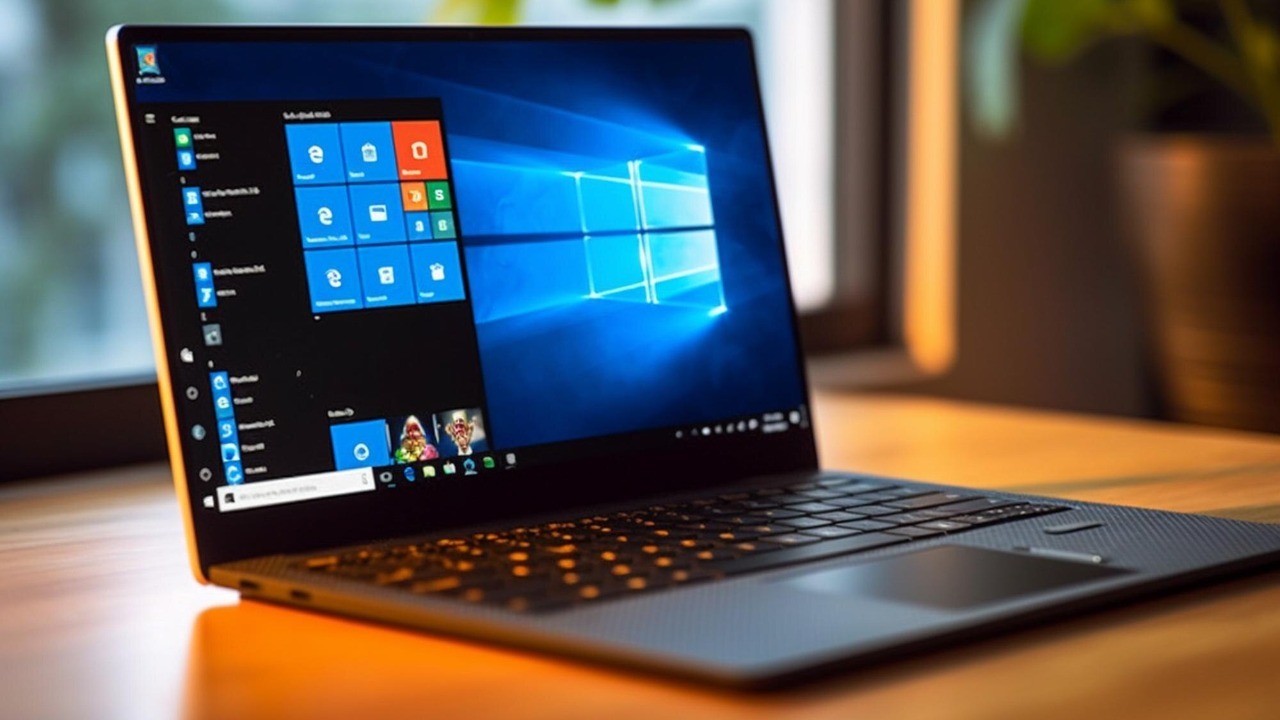

Microsoft’s latest Windows 11 glitch has turned what should be a frictionless sign-in into an obstacle course, undercutting one of the operating system’s most heavily promoted conveniences. Instead of a quick glance at a webcam or a tap on a fingerprint reader, some users are finding themselves locked out of their usual biometric shortcuts and forced back to old‑fashioned passwords and PINs. The disruption is temporary at the device level, but it lands at a moment when Microsoft is already under pressure over reliability, security, and the aggressive way it pushes new features.
The result is a small but telling failure: a bug that does not just break a feature, but breaks the promise that Windows 11 would make everyday tasks like logging in simpler and more secure. I see it as part of a broader pattern in which rapid updates, AI experiments, and cloud‑tied services keep colliding with the basic expectation that a PC should simply let you sign in and get to work.
What the new Windows 11 sign‑in bug actually breaks
The core of the problem is straightforward: a recent Windows 11 update has caused Windows Hello to stop working properly for some users, which means facial recognition and fingerprint sign‑ins suddenly fail on devices that previously worked without issue. Instead of the usual instant unlock, affected PCs fall back to password or PIN prompts, turning a one‑step biometric check into a multi‑step detour. Reporting on the issue describes users who had relied on Hello for months or years suddenly being told their face or fingerprint is not available, even though nothing changed in their hardware or environment.
Technical details vary by configuration, but the pattern is consistent enough that it has been framed as one of Windows 11’s “newest” bugs, with the sign‑in flow becoming noticeably more cumbersome for people who had fully embraced biometrics. Coverage of the issue notes that the glitch appears after installing a specific update and that it can affect both consumer laptops and business machines that depend on Hello for quick, policy‑compliant access, turning a flagship convenience into a point of daily friction for anyone who had grown used to logging in with a glance or a touch, as described in detailed reports on the bug.
How the bug forces users back to passwords and PINs
Once Windows Hello fails, Windows 11 does not leave you completely locked out, but it does force a regression to older, less seamless methods. Users are being pushed back to typing long account passwords or relying on PIN codes they may not have used in months, which can be especially disruptive on shared or family PCs where multiple profiles depend on quick biometric access. For people who had set up their systems to auto‑unlock with a webcam or fingerprint sensor, the sudden need to remember and enter credentials every time feels like a step backward in both usability and perceived security.
That regression is more than a minor annoyance for those who chose Windows Hello precisely to avoid password fatigue and shoulder‑surfing risks. In some cases, people who had forgotten their local PIN or rarely used their Microsoft account password are having to go through recovery flows, adding extra delays to what used to be a near‑instant sign‑in. Social posts amplifying the issue highlight how jarring it is to be told to “say goodbye” to Hello, even if only temporarily, and note that the fallback to passwords and PINs can be the only way to regain access until Microsoft ships a fix, a point underscored in coverage of the temporary loss of Windows Hello.
Why this glitch hits Microsoft’s security story so hard
Microsoft has spent years telling users that Windows Hello is not just more convenient than passwords, but also more secure, because biometric data is stored locally and never transmitted as a reusable secret. When that system fails after a routine update, it undercuts the narrative that Windows 11 is a stable, trustworthy platform for modern authentication. Even if the bug does not expose biometric data or directly weaken encryption, it erodes confidence in the idea that the operating system can be relied on to keep critical security features working day after day.
The timing is particularly awkward because Microsoft is simultaneously promoting new AI‑driven capabilities and “agentic” assistants that can act on a user’s behalf, which raises the stakes for strong, reliable sign‑in controls. Security warnings about experimental AI features that could be abused to install malware or perform unwanted actions make it even more important that the front door to the system, the login screen, behaves predictably and securely. Reports that Microsoft has had to caution users about how its new AI tools might be misused, including concerns that an agentic AI in Windows 11 could install malware, only sharpen the contrast between the company’s ambitious feature roadmap and its struggle to keep basic authentication rock solid.
Community frustration: when “modern” Windows feels hostile
For many Windows 11 users, the Hello bug is not an isolated annoyance but another entry in a growing list of frustrations with how the operating system behaves. Complaints on official forums and community Q&A pages describe the platform as unnecessarily intrusive, with aggressive prompts, forced online accounts, and frequent changes to default settings that make the system feel like it is working against the user instead of for them. When a key convenience like biometric sign‑in breaks, it reinforces the perception that Windows 11 is more interested in funneling people into Microsoft’s ecosystem than in delivering a stable, respectful desktop experience.
Some of the sharpest criticism comes from technically savvy users who say they feel boxed in by design decisions that prioritize telemetry, cloud integration, and upsells over straightforward control. In that context, a bug that disables Hello can feel less like a random glitch and more like another symptom of a platform that has become, in their words, “obnoxious” and “intentional” in how it nudges behavior. Those sentiments are captured in threads where people dissect how Windows 11 handles sign‑ins, privacy, and account requirements, including one widely shared discussion that labels the system “unnecessarily obnoxious and intentional” in its design.
Social media amplifies the sign‑in backlash
As with many modern tech missteps, the Windows Hello disruption has been magnified by social media, where screenshots of broken sign‑in screens and sarcastic commentary spread quickly. Posts highlighting how a routine update suddenly made logging in “so much harder” have drawn significant engagement, with users trading tips, venting about lost time, and comparing notes on which hardware and configurations are affected. The tone ranges from resigned humor to outright anger, but the common thread is a sense that something as basic as logging into a PC should not be this fragile.
Coverage of the bug has been shared widely across platforms, including short, punchy updates that summarize the issue for people who might not read a full technical breakdown. One such post on X distills the frustration into a concise warning that the latest Windows 11 change has made signing in more painful, prompting replies from users who report similar experiences and from others who say they are delaying updates as a result. That dynamic is visible in a widely circulated X thread that calls out the sign‑in problem and helps turn a niche bug into a broader talking point about Windows 11’s reliability.
Reddit and forums: a longer history of Windows 11 missteps
Beyond quick social posts, longer discussions on Reddit and other forums place the Hello bug in a wider pattern of Windows problems that users feel Microsoft has been slow to acknowledge. Threads catalog a series of issues across multiple versions, from performance regressions to printer failures and networking glitches, and argue that the company often downplays or delays admitting the scope of these problems. For people who have followed that history, a broken biometric login is not surprising, but it is especially galling because it affects the very first interaction they have with their PC each day.
One heavily upvoted Reddit discussion focuses on how Microsoft communicates about major Windows bugs, with commenters arguing that the company tends to minimize impact until user reports become impossible to ignore. In that conversation, participants point to the Hello disruption as another example of a critical feature that should have been protected by more rigorous testing and clearer messaging. The thread’s title bluntly accuses Microsoft of finally admitting that almost all major Windows versions have shipped with serious flaws, a sentiment that frames the current sign‑in issue as part of a long‑running pattern, as seen in the widely discussed Reddit post on Windows bugs.
AI ambitions collide with basic reliability
At the same time that users are wrestling with broken biometrics, Microsoft is pushing hard to position Windows 11 as the home for advanced AI features, from on‑device copilots to background agents that can automate tasks. Those tools promise to watch over your system, summarize content, and even take actions on your behalf, which only raises the bar for how trustworthy the underlying platform needs to be. When the operating system cannot consistently keep a webcam‑based login working, it becomes harder for users to feel comfortable handing more control to opaque AI systems that run with deep access to their files and settings.
Security experts and commentators have already raised alarms about how these AI features could be abused if not carefully constrained, warning that malicious actors might trick or hijack them to perform harmful actions. Reports that Microsoft has had to issue explicit cautions about new AI capabilities in Windows 11, including warnings that they could be leveraged to install unwanted software or worse, highlight the tension between innovation and stability. One analysis notes that Microsoft itself has warned that its new AI additions might open the door to malware if misused, a concern echoed in coverage of how new AI features in Windows 11 prompted a security warning.
Security warnings and the risk of update fatigue
The Hello bug also lands in an environment where users are already wary of Windows updates that seem to introduce as many problems as they solve. Each new patch or feature drop is supposed to improve security, but when it breaks something as visible as sign‑in, people start to question whether installing updates promptly is worth the risk. That skepticism is dangerous, because delaying patches can leave systems exposed to real threats, yet it is an understandable reaction from users who feel like unpaid testers for unfinished software.
Recent coverage of Microsoft’s AI push has underscored that some of the most eye‑catching Windows 11 additions may carry security trade‑offs that are not fully understood. Reports that a new AI‑driven agent could, under certain conditions, be used to load malware onto a PC have fueled concerns that the operating system is becoming a more complex and potentially fragile environment. One outlet notes that Microsoft has warned that a Windows 11 update could load malware through its AI features, a reminder that every new capability layered onto the platform increases the importance of rock‑solid fundamentals like reliable authentication and predictable updates.
How Microsoft is responding, and what users can do now
Microsoft’s typical playbook for issues like the Hello bug is to acknowledge the problem in support documentation, work on a fix, and in some cases offer temporary workarounds such as rolling back a specific update or re‑enrolling biometric data. For affected users, that means the immediate options are limited: they can switch to passwords or PINs, try to reset their Hello configuration, or, if they are comfortable doing so, uninstall the update that triggered the problem. None of those options are ideal, especially for business environments where IT departments must balance security policies with user frustration.
In the meantime, community guides and explainer videos have stepped in to help people navigate the disruption, walking through steps like checking device drivers, verifying camera and fingerprint sensor settings, and confirming that Hello is still enabled in account options. Some creators have produced detailed walkthroughs that show how the bug manifests and what partial fixes are available, giving less technical users a clearer sense of what is happening to their PCs. One such video breakdown of Windows 11’s behavior, including its sign‑in quirks and update side effects, has been shared widely as a practical reference, as seen in a popular YouTube explanation of Windows 11 issues.
Trust, transparency, and the future of Windows sign‑ins
For Windows 11 to live up to its promise as a secure, AI‑enhanced platform, Microsoft will need to treat incidents like the Hello bug as more than isolated glitches. Reliable sign‑in is foundational to everything else the operating system wants to do, from protecting sensitive data to enabling powerful assistants that act on a user’s behalf. Each time an update breaks that foundation, it chips away at the trust users place in the platform and makes them more hesitant to embrace new features that depend on deep integration with their accounts and devices.
Rebuilding that trust will require not just technical fixes, but also clearer communication about what went wrong and how similar problems will be prevented in the future. Users are already sharing their own narratives of Windows 11’s evolution, from social posts that mock broken sign‑ins to Facebook threads that debate whether the latest bug is the last straw. One such discussion highlights how the new sign‑in problem has made daily use of Windows 11 more frustrating, with commenters trading stories about failed logins and workarounds, as reflected in a widely shared Facebook post on the sign‑in bug. If Microsoft wants its vision of passwordless, AI‑assisted computing to stick, it will have to show that it can keep the basics, like logging in, as simple and dependable as it promised from the start.
More from MorningOverview