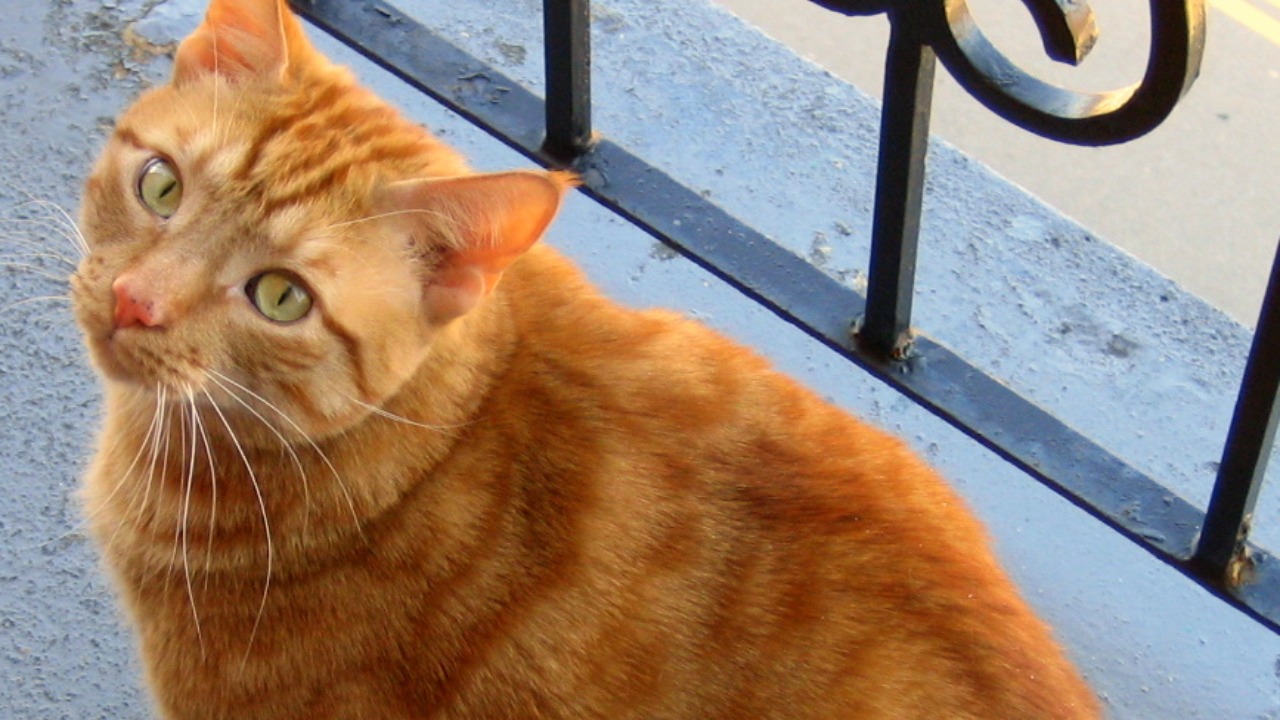

Orange cats have always stood out in the living room, but new research shows they also stand apart in the mammal family tree. Scientists have now traced their vivid coats to a genetic arrangement that appears to be unlike anything documented in other mammals, revealing a molecular oddity hiding in plain sight on the couch.
By mapping the DNA behind ginger fur, researchers have uncovered a mutation that rewires how pigment is controlled on the X chromosome, reshaping long‑held assumptions about coat color, sex differences, and even how genes can be repurposed in evolution. The findings turn a familiar household pet into a case study in how far biology is willing to bend its own rules.
The mystery that made orange cats a genetic outlier
For decades, biologists could explain most cat coat patterns with a handful of pigment genes, yet orange cats stubbornly refused to fit the template. Classic models of fur color predicted how black, brown, and dilute shades would appear, but they did not account for the intense, uniform orange that shows up so reliably in tabbies and some calicos. That mismatch between theory and reality pushed researchers to suspect that something unusual was happening at the chromosomal level, particularly on the X chromosome where key color genes reside.
Recent work finally confirmed that suspicion by tying the ginger coat to a specific mutation that alters how pigment instructions are switched on and off in developing hair follicles. Instead of a simple on–off signal, the orange trait appears to hijack a regulatory region on the X chromosome and use it in a way that has not been seen in other mammals, according to detailed genetic mapping described in new feline genomics research. That structural twist is what elevates orange cats from a quirky color variant to a genuine genetic outlier.
How a single mutation rewires the X chromosome
The core of the discovery is a mutation that does not simply tweak pigment chemistry, but instead changes how a stretch of DNA on the X chromosome behaves as a control switch. In most mammals, pigment genes are regulated by well‑characterized promoters and enhancers that turn melanin production up or down in specific cells. In orange cats, scientists have identified a rearranged segment that appears to convert a previously obscure region into a powerful driver of pheomelanin, the reddish pigment that produces ginger fur.
Geneticists who traced this change report that the mutation effectively reprograms a regulatory element so it acts in hair cells where it normally would not, creating a strong, consistent signal for orange pigment across large patches of the coat. That unusual repurposing of DNA control circuitry, described in detail in analyses of the orange‑specific mutation, is what sets these cats apart from other mammals, where comparable regions have not been found to drive such a dramatic color shift.
ARHGAP36, the “freak” gene that should not control color
At the center of the story is a gene with a name that sounds more like a lab code than a celebrity pet: ARHGAP36. In humans and other animals, ARHGAP36 is known for roles in cell signaling and development, not for anything to do with pigment. Yet in orange cats, researchers have shown that a mutation near this gene turns it into an unexpected master switch for ginger fur, effectively drafting a developmental gene into the job of color control.
What makes this so striking is that no other mammal has been found using ARHGAP36, or a similar gene, in this way. Comparative studies indicate that the orange‑linked mutation creates a new regulatory context that ties ARHGAP36 activity to pigment cells, a connection that does not exist in other species examined so far. One team went so far as to describe orange cats as genetic “freaks” in the technical sense, because the ARHGAP36‑based mechanism appears to be a one‑off evolutionary experiment rather than a shared mammalian strategy.
Why orange cats are mostly male
The same X‑linked quirk that makes orange cats genetically distinctive also explains why so many of them are male. Because the orange trait sits on the X chromosome, males, who carry only one X, need just a single copy of the orange version to show the full ginger coat. Females, with two X chromosomes, must inherit the orange variant from both parents to be fully orange, which is statistically less likely and helps skew the visible population toward males.
Researchers who combined pedigree data with DNA sequencing have quantified that bias and tied it directly to the structure of the orange locus on the X chromosome. Their work shows that the mutated region behaves as a dominant signal in males but competes with other color variants in females, leading to mosaics and calico patterns when only one X carries the orange allele. Detailed explanations of this sex‑linked pattern, including why male orange cats are so common and fully orange females relatively rare, are laid out in analyses of the X‑chromosome inheritance of ginger coats.
Calicos, mosaics, and the strange behavior of X inactivation
Female cats add another layer of complexity because they undergo X inactivation, the process in which each cell randomly silences one X chromosome to avoid doubling gene dosage. In most mammals, this produces subtle effects, but in cats it becomes visible as patches of color, especially in calicos and tortoiseshells. When one X carries the orange mutation and the other carries a non‑orange variant, the random inactivation pattern creates a mosaic of ginger and darker fur across the body.
What sets orange cats apart is that the mutated regulatory region appears to interact with X inactivation in a way that sharpens those patches and amplifies the contrast between orange and non‑orange areas. Studies of coat patterning in calicos have shown that the orange locus sits in a genomic neighborhood that is particularly sensitive to inactivation boundaries, which helps explain the crisp blocks of color seen in many tricolor cats. Genetic mapping of these patterns, including the role of the orange mutation in shaping calico fur, is detailed in work on the gene mutation that underlies orange and calico coats.
Why scientists say no other mammal does this
To claim that orange cats are unlike any other mammal is a strong statement, so researchers have backed it with broad comparisons across species. By scanning genomic databases from humans, dogs, mice, cattle, and other domesticated animals, teams have looked for similar rearrangements near ARHGAP36 or equivalent pigment‑related regions. So far, they have not found another case where a developmental gene has been co‑opted in quite the same way to control coat color, nor a parallel example of an X‑linked regulatory switch that produces such a distinctive, sex‑skewed pattern.
Those cross‑species checks are what allow geneticists to argue that the orange cat mechanism is genuinely unique rather than just under‑reported. One synthesis of the available data describes the orange locus as a “one‑of‑a‑kind” configuration in mammals, noting that the combination of X‑linkage, ARHGAP36 involvement, and the specific regulatory mutation has not been documented elsewhere. That conclusion, laid out in a broad review of why orange cats are genetically unlike other mammals, is careful to leave room for future discoveries, but it reflects how unusual the current evidence already looks.
The X‑chromosome twist that rewrites coat‑color rules
Part of what fascinates geneticists is that the orange mutation does not simply sit on the X chromosome, it appears to reshape how that chromosome is organized and read in skin cells. Structural analyses suggest that the rearranged segment changes the three‑dimensional folding of the X, bringing ARHGAP36 into contact with pigment‑related enhancers that it normally would not encounter. That physical proximity then allows the gene to influence melanin production, effectively rewiring the chromosome’s internal circuitry.
This kind of architectural change is rare in mammalian color genetics, where most known variants involve small sequence tweaks rather than large‑scale reconfigurations. The orange cat case has therefore become a model for how structural variants can have outsized effects on visible traits, especially when they occur on sex chromosomes. Detailed descriptions of this chromosomal reshaping, including how the orange locus alters X‑linked regulation, appear in technical breakdowns of the X‑chromosome twist behind ginger coats.
From lab bench to living room: how the puzzle was finally solved
Cracking the orange cat code required a mix of old‑fashioned observation and cutting‑edge sequencing. Geneticists began by collecting DNA from large numbers of domestic cats with carefully documented coat colors, then used genome‑wide association studies to narrow down regions linked to orange fur. Once the X chromosome emerged as the key, they zoomed in on candidate genes and regulatory elements, eventually pinpointing the rearranged segment near ARHGAP36 as the consistent marker of ginger coats.
Functional tests then confirmed that this region was not just correlated with orange fur but actively driving it. By inserting the mutated sequence into cell models and tracking pigment gene activity, researchers showed that the rearranged DNA could switch on pheomelanin production in a way that matched what they saw in living cats. The step‑by‑step process, from broad genomic scans to targeted functional assays, is laid out in reports that describe how scientists traced a strange mutation to the mystifying color of orange cats.
What the discovery reveals about evolution and “junk” DNA
Beyond the charm of explaining a popular pet, the orange cat story forces a rethink of how evolution uses the raw material of the genome. The key mutation does not invent a brand‑new gene, it repurposes existing DNA and regulatory elements in an unexpected way, turning a developmental gene into a pigment switch. That kind of functional recycling suggests that regions once dismissed as “junk” or background sequence may be poised to take on new roles when structural changes bring them into the right context.
Evolutionary biologists point to this as a vivid example of how small structural shifts can open up new phenotypic possibilities without requiring wholesale invention. The orange trait likely persisted because it was neutral or mildly advantageous in certain environments, but its underlying mechanism shows how flexible genomic architecture can be. Commentaries that frame orange cats as a case study in evolutionary tinkering highlight how the genetically unique ginger coat emerged from rearranging existing parts rather than adding new ones.
Why decoding orange cats matters for human genetics
Although the immediate payoff is a better understanding of feline fur, the implications reach into human genetics and medicine. The same kinds of structural variants and regulatory rewiring that create orange coats can also underlie human traits and diseases, from developmental disorders to cancer. By studying a visible, non‑lethal example in cats, researchers gain a clearer picture of how chromosomal architecture influences gene expression, which can inform how we interpret similar patterns in people.
Some of the teams involved in the orange cat work have already drawn parallels between the ARHGAP36 rearrangement and structural variants seen in human genomic studies, arguing that the feline case offers a clean model for testing hypotheses about regulatory changes. Their analyses emphasize that understanding how a single mutation can reshape an entire regulatory landscape in cats may help decode more complex, less visible effects in human cells. Overviews of the project describe how scientists finally decoded what makes orange cats so unique and why that knowledge feeds back into broader genomic research.
A familiar pet, recast as a genetic landmark
What began as a curiosity about why some cats are ginger and others are not has ended up redrawing part of the map of mammalian genetics. The discovery that a single structural mutation on the X chromosome can enlist ARHGAP36 into pigment control, interact with X inactivation to shape calico mosaics, and skew the sex ratio of orange cats reframes a common household animal as a rare genomic experiment. In a field that often focuses on mice and humans, the domestic cat has quietly claimed a starring role in showing how far chromosomes can bend their own rules.
For pet owners, the science adds a new layer of appreciation to the orange cat stretched across the sofa. Behind the stripes and swirls lies a genetic configuration that, as far as current evidence shows, no other mammal shares. As researchers continue to mine feline DNA for clues about regulation, evolution, and disease, the ginger coat that once seemed like a simple splash of color now reads as a bright, living marker of how inventive genomes can be.
More from MorningOverview