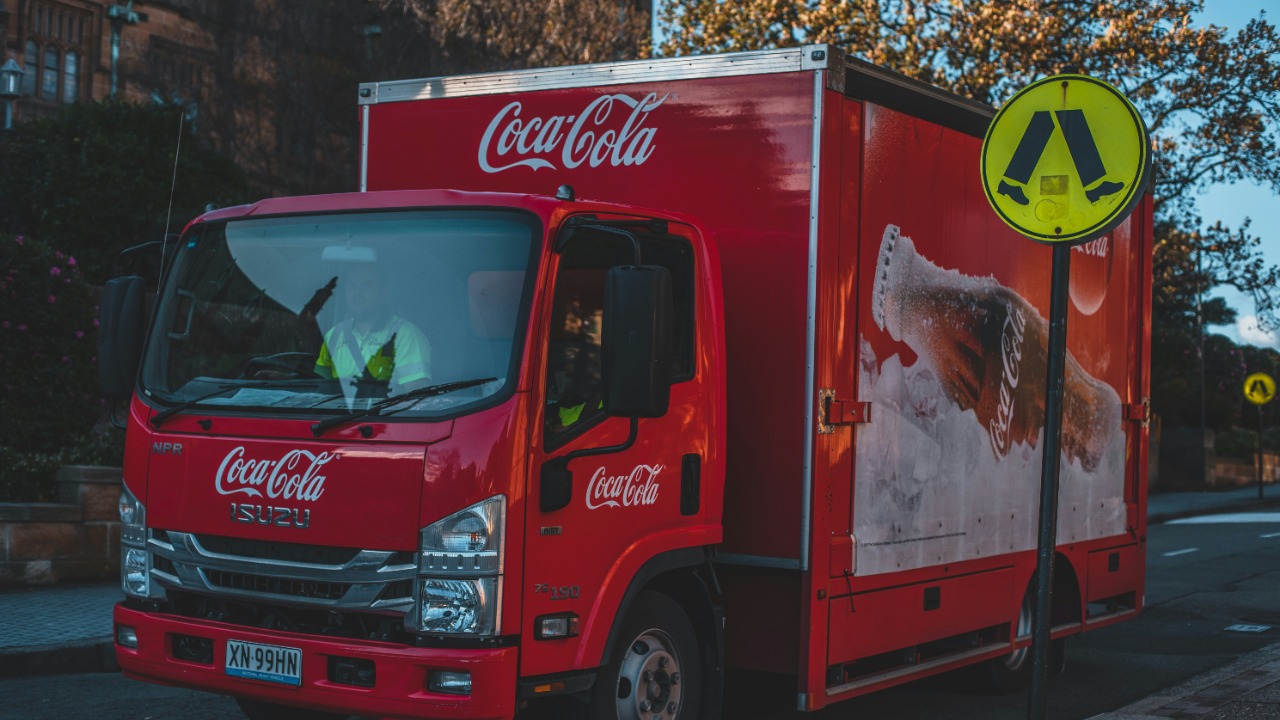

Diet Cherry Coke is officially stepping out of the vault and back into Coca‑Cola’s permanent lineup, ending years of uncertainty for fans who treated every remaining can like a collector’s item. After a long stretch when the flavor was either missing from shelves or confined to a few fountain machines, the company is now committing to a full-scale, ongoing return rather than another fleeting nostalgia play.
The move caps a five‑year saga that turned a niche zero‑calorie cherry cola into a minor pop‑culture cause, complete with social media campaigns, rumor‑tracking, and careful hoarding of old stock. By locking the drink back into its core portfolio instead of a limited run, Coca‑Cola is signaling that the era of Diet Cherry Coke as an endangered species is over, and that the brand sees strategic value in giving its most vocal loyalists exactly what they have been asking for.
From quiet disappearance to full‑fledged comeback
Diet Cherry Coke did not vanish overnight, but over the past several years it slipped from national ubiquity into a patchwork of regional sightings and fountain‑only appearances that left many shoppers convinced it had been discontinued. Reporting on the new rollout notes that Coca‑Cola is now positioning the flavor as a permanent part of its catalog again, reversing the gradual pullback that began roughly five years ago and restoring it to the same status it held when it first built a cult following in the 1990s and 2000s. Several outlets describe the decision as a direct response to sustained demand, with the company confirming that the cherry‑flavored diet cola will return to shelves across the United States rather than as a one‑off seasonal experiment.
Early coverage framed the news as more than a simple product update, casting it as the resolution of a long‑running fan campaign that had turned Diet Cherry Coke into a symbol of how quickly beloved flavors can disappear. One detailed report on the relaunch explains that Coca‑Cola is not only reviving the drink but doing so “permanently,” language that matters to consumers who have watched other nostalgic sodas come and go in short bursts of hype. That same reporting on the flavor’s return highlights how the company is leaning into the emotional connection around the drink, treating it as a comeback story rather than a quiet SKU addition, a framing echoed in coverage that describes the brand as bringing back a “beloved” flavor to its everyday lineup and confirms that the relaunch is intended to be ongoing rather than time‑limited, as outlined in new product details.
Why Diet Cherry Coke mattered so much to its fans
For a drink that was never Coca‑Cola’s top seller, Diet Cherry Coke inspired an intensity that many mainstream colas never quite matched. Fans gravitated to its specific balance of cola and cherry flavor, its zero‑calorie profile, and its association with a particular era of mall food courts, movie theaters, and early‑2000s road trips. Reporting on the comeback repeatedly describes the soda as “nostalgic,” underscoring how its absence turned it into a memory object as much as a beverage, especially for people who grew up pairing it with fast‑casual chains or stocking it in office fridges before it quietly disappeared from multipacks.
That nostalgia is not just anecdotal. Coverage of the relaunch notes that the company is explicitly tapping into the emotional pull of the flavor, with one report characterizing it as a “nostalgic soda flavor” that Coca‑Cola is bringing back to satisfy long‑time loyalists who never stopped asking for it. The same reporting points out that the brand is leaning on that history to differentiate Diet Cherry Coke from the crowded field of newer zero‑sugar colas, treating it as a legacy product with a built‑in fan base rather than a risky experiment. By framing the drink as a return to something familiar rather than a novel twist, Coca‑Cola is betting that the affection described in coverage of this “nostalgic soda flavor” will translate into repeat purchases once it is back in coolers and on shelves, a strategy detailed in regional reporting on the comeback.
A five‑year gap that turned into a marketing asset
The gap between Diet Cherry Coke’s quiet retreat and its formal revival is central to why this story resonates. Several reports emphasize that the drink is returning after roughly five years off the mainstream market, a stretch long enough for scarcity to set in but short enough that many consumers still remember exactly how it tasted. That timeline has become part of the narrative, with coverage repeatedly noting that Coca‑Cola is bringing back a “fan favorite” after a five‑year absence, effectively turning what could have been a liability into a built‑in hook for the relaunch.
Financial and business‑focused reporting goes further, framing the five‑year hiatus as a case study in how legacy brands can use absence to stoke demand. One analysis of the move describes Diet Cherry Coke as a “fan favorite” that is being restored to the lineup after five years, and situates the decision within a broader pattern of companies reviving discontinued products once social media proves there is still a market. By highlighting the exact length of the gap and pairing it with the “fan favorite” label, that coverage suggests Coca‑Cola is not simply correcting a past mistake but capitalizing on the pent‑up demand that built up while the drink was gone, a dynamic spelled out in business analysis of the relaunch.
Hints, leaks, and the Snackolator effect
The official announcement did not arrive in a vacuum. For months, fans had been parsing hints, retailer chatter, and social posts from snack‑tracking accounts that specialize in spotting new products before they hit shelves. One report on the lead‑up to the news describes how a “fan favorite drink brand” dropped a pointed hint about Diet Cherry Coke’s return, sparking speculation that the flavor was headed back to stores in more than a limited test. That early signal helped prime the online conversation, turning what might have been a straightforward press release into a rolling reveal as more details trickled out.
Social media accounts dedicated to snacks and beverages amplified those hints, with one particularly influential post describing the comeback as “the return of the king” and specifying that Diet Cherry Coke would be back in early 2026, this time as a permanent offering. That post, which circulated widely among soda enthusiasts, framed the news as a definitive victory for fans who had been lobbying for the flavor’s return, and it helped lock in the idea that the relaunch would not be a short‑term stunt. The language in that viral update, which celebrated Diet Cherry Coke’s early‑2026 comeback and stressed that it would be permanent, is captured in a widely shared Snackolator post that many fans treated as the unofficial soft launch.
How market pressure and competition shaped the decision
Behind the fanfare, Coca‑Cola’s move fits into a more sober business context in which legacy soda brands are under pressure from shifting tastes, health concerns, and a wave of flavored waters and energy drinks. Industry reporting on the Diet Cherry Coke decision notes that the company is navigating “market pressures and rising competition,” and that bringing back a “legendary” flavor on a permanent basis is part of a broader strategy to shore up its core portfolio. By leaning on a proven formula with a loyal following, Coca‑Cola can reinforce its presence in the diet cola segment without the risk and marketing spend that come with entirely new product lines.
That same analysis points out that the permanent return of Diet Cherry Coke is not happening in isolation but alongside a wider effort to balance innovation with heritage. As newer zero‑sugar colas and limited‑edition flavors crowd store shelves, a familiar option like Diet Cherry Coke gives retailers a dependable anchor that still feels special to a specific audience. The reporting that describes Coca‑Cola as bringing back a “legendary soda flavor permanently” argues that this move helps the company respond to both competitive threats and consumer nostalgia at once, positioning the drink as a differentiator in a crowded category, a strategy laid out in brand‑strategy coverage.
Mixed reactions: excitement, skepticism, and sugar‑free fatigue
Not everyone greeted the news with unqualified enthusiasm. Lifestyle coverage of the announcement notes that reactions have been mixed, with some consumers thrilled to see a favorite drink return after five years and others questioning whether the formula or branding will match their memories. That reporting highlights how nostalgia can be a double‑edged sword: the more people romanticize a discontinued product, the higher the bar when it finally comes back. Some commenters celebrated the comeback as a long‑overdue correction, while others expressed fatigue with what they see as a constant churn of limited flavors and rebrands in the soda aisle.
Other outlets captured a similar split, describing how the promise of a permanent return sparked both joy and eye‑rolling in equal measure. One widely cited piece on the announcement emphasizes that the drink is returning after five years and that “reactions are mixed,” with some readers questioning whether a diet cherry cola is the right answer in an era of sparkling waters and functional beverages. That framing underscores the risk Coca‑Cola is taking by betting on a legacy diet soda at a time when some consumers are moving away from artificial sweeteners, even as others remain fiercely loyal. The tension between those camps is reflected in coverage that explicitly notes the five‑year gap and the divided response, as detailed in reports on the mixed reactions.
What the permanent label really means for shoppers
For consumers, the key word in all of this is “permanent,” a term that has been used loosely in the beverage world but carries specific expectations when attached to a comeback like this. Food and drink coverage of the Diet Cherry Coke news stresses that Coca‑Cola is not framing the relaunch as a limited‑time promotion, but as a full restoration of the flavor to its regular lineup. That distinction matters to shoppers who have grown wary of chasing down short‑run products that vanish just as they find them, and it suggests that the company is committing to consistent production and distribution rather than a one‑off nostalgia spike.
One detailed explainer aimed at home cooks and grocery shoppers spells this out clearly, noting that Coca‑Cola is bringing back Diet Cherry Coke “permanently” and that fans can expect to see it return to shelves as a standard option rather than a seasonal oddity. That same coverage frames the move as a relief for people who had resorted to hunting down remaining stock online or mixing their own cherry‑flavored diet colas at home. By emphasizing the permanent nature of the relaunch, the reporting reassures readers that they will not need to hoard cases or track obscure store inventories, a point underscored in consumer‑focused explainers on the return.
The broader wave of fan‑favorite revivals
Diet Cherry Coke’s comeback is part of a larger pattern in which major beverage companies revive discontinued or sidelined products once online chatter proves there is still demand. Coverage of the announcement situates it alongside other “fan favorite” returns, noting that Coca‑Cola has increasingly leaned on its back catalog to generate buzz without the risk of untested flavors. In that context, bringing back a cherry‑flavored diet cola that already has name recognition and a vocal fan base looks less like a gamble and more like a calculated way to harness nostalgia in a crowded market.
Some reporting on the move explicitly uses the “fan favorite” label and again highlights the five‑year gap, framing the decision as a response to consumer pressure rather than a top‑down innovation push. That framing suggests a feedback loop in which social media campaigns and snack‑tracking accounts help set the agenda for what comes back next, giving fans a sense of ownership over the products they champion. By restoring Diet Cherry Coke to its lineup after five years and branding it as a fan‑driven victory, Coca‑Cola is reinforcing that dynamic, a trend described in detail in coverage of fan‑favorite revivals.
What comes next for Diet Cherry Coke and Coca‑Cola’s flavor playbook
The permanent return of Diet Cherry Coke raises a practical question: how will Coca‑Cola support the flavor once the initial wave of nostalgia fades? Business and marketing commentary on the move suggests that the company will likely treat the drink as a steady, mid‑tier performer rather than a blockbuster, using it to round out its diet portfolio and appeal to a specific slice of consumers who prefer cherry cola but want a zero‑calorie option. That approach would mirror how other revived products have been handled, with modest promotion at launch followed by a quieter, long‑term presence on shelves.
Some analysts also see the comeback as a test case for how far Coca‑Cola can lean into its archives to counter competition from newer beverage categories. One overview of the decision describes the return of an “iconic soda flavor” on a permanent basis as a sign that the company is willing to mine its history for growth, rather than relying solely on new formulations and brand extensions. If Diet Cherry Coke’s relaunch proves successful, it could encourage the company to revisit other sidelined flavors or packaging formats, using the same playbook of social media hints, nostalgic framing, and a promise of permanence that has defined this rollout, a strategy outlined in recent brand commentary.
Why this particular comeback captured so much attention
Among all the discontinued or hard‑to‑find sodas that fans have campaigned to revive, Diet Cherry Coke stands out because it sat at the intersection of nostalgia, habit, and identity. For many people, it was not just an occasional treat but a daily staple, the drink they grabbed at the gas station, kept on their desk, or ordered at the movie theater. When it faded from shelves, that absence was felt in everyday routines, which helps explain why the campaign for its return persisted long after the initial disappointment.
Coverage that tracked the early hints of a comeback captured that intensity, noting how even a small suggestion from a “fan favorite drink brand” about Diet Cherry Coke’s return was enough to ignite speculation and detailed sleuthing among fans. Those same reports highlighted how the conversation quickly moved from “if” to “when,” as more concrete details emerged about timing and the promise of permanence. By the time Coca‑Cola confirmed that the flavor would be restored to its lineup for good, the story had already taken on a life of its own, shaped by months of rumor‑tracking and social media excitement that began with subtle signals like the ones described in early hint‑driven coverage.
More from MorningOverview