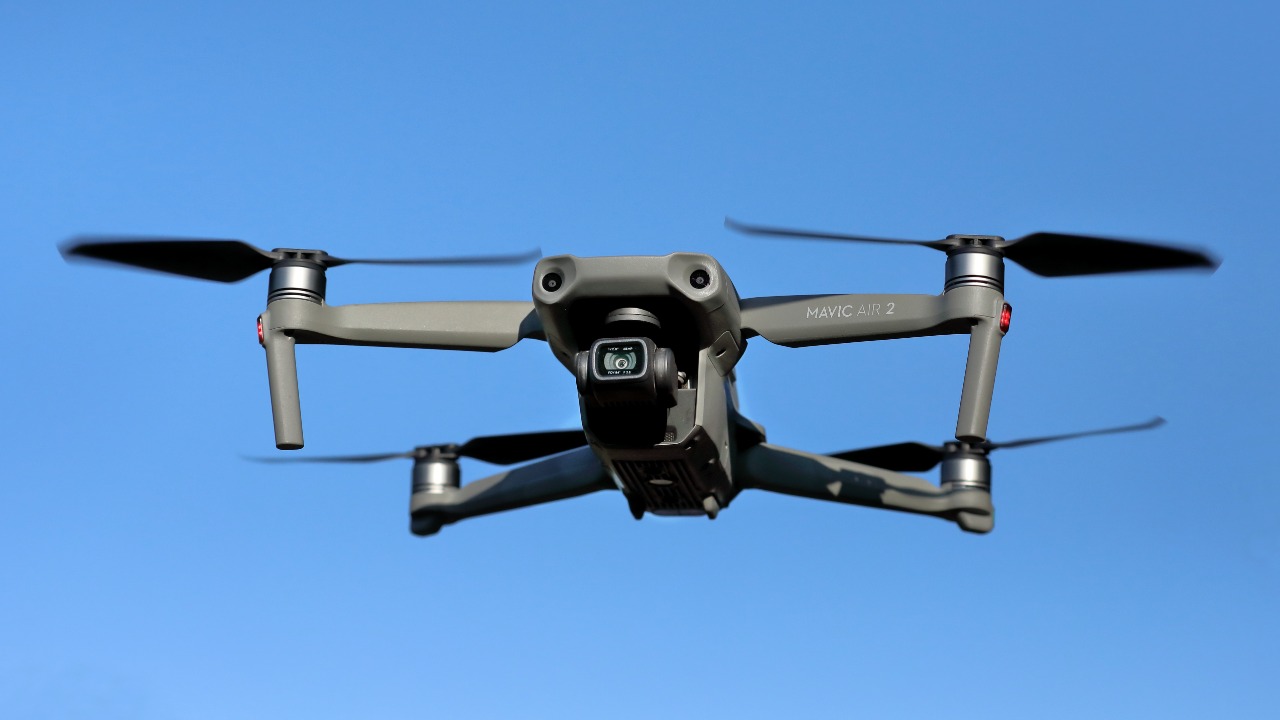

The United States is moving closer to cutting DJI out of the federal supply chain and potentially the broader consumer market, a shift that would reshape everything from weekend hobby flights to Hollywood aerials. Lawmakers and regulators are weighing security claims against the reality that DJI aircraft dominate shelves, fleets and film sets, leaving pilots to wonder what a ban would actually change for the drones they already own. I want to walk through what is known, what remains uncertain and how different parts of the drone world are preparing for impact.
How the DJI backlash in Washington gathered momentum
The political push against DJI has been building for years, driven by concerns that a Chinese manufacturer controls a large share of the drones used by U.S. consumers, businesses and public agencies. Critics in Congress argue that aircraft built by a company headquartered in Shenzhen could expose sensitive imagery and flight data, especially when those drones are flown over critical infrastructure or used by law enforcement. Supporters of new restrictions frame the issue as a national security risk that justifies phasing DJI out of government and possibly commercial use.
DJI has tried to counter that narrative by stressing how its products operate in the United States and what data they actually collect. In its own public messaging, the company has detailed how features such as local data modes, on-device processing and optional cloud services are designed to keep flight logs and imagery under user control, and it has pushed back on claims that it is a tool of any government by outlining its corporate structure and compliance practices in the U.S. market in a detailed company briefing. That clash between security hawks and the manufacturer’s assurances is the backdrop for the current legislative and regulatory moves that could culminate in a far-reaching ban.
What a federal ban would and would not do to existing DJI drones
For pilots who already own a Mavic, Mini or Air series drone, the most immediate question is whether a U.S. ban would suddenly ground their aircraft. The clearest throughline in current proposals is that they target future sales, federal procurement and network access rather than retroactively outlawing private ownership. In practical terms, that means a consumer who bought a DJI Mini 4 Pro for real estate work or a Mavic 3 Pro for travel footage would likely still be allowed to fly under Federal Aviation Administration rules, as long as they comply with registration, Remote ID and airspace restrictions.
The bigger risk for existing owners lies in how a ban might affect software updates, app store availability and after-sales support. Reporting on the policy debate has emphasized that restrictions could make it harder for DJI to push firmware updates or maintain its apps in U.S. app stores, which would eventually affect features and security patches for aircraft already in the field. Analysts who have walked through different legislative drafts note that some versions would cut off federal agencies and possibly telecom networks from supporting DJI systems, while others would go further and pressure retailers to stop stocking new units, a scenario that has been unpacked for consumers and holiday shoppers in a detailed consumer-focused explainer. For now, the consensus is that owners should expect a gradual squeeze on ecosystem support rather than an overnight grounding order.
DJI’s public campaign to head off the harshest restrictions
As the policy fight has intensified, DJI has shifted from quiet lobbying to a more public campaign aimed at both lawmakers and the pilots who rely on its gear. The company has framed the looming restrictions as a move that would hurt small businesses, first responders and creative professionals who have built workflows around its aircraft. In public statements and outreach, DJI has urged users to contact representatives and argue that a blanket ban would be a blunt instrument that punishes operators rather than addressing specific security concerns.
That messaging has been amplified in coverage of the company’s latest warnings about what could happen if the most aggressive proposals become law. In one widely shared account, DJI is described as making an urgent plea that a U.S. crackdown would disrupt fleets used by firefighters, surveyors and content creators, and that it would ripple through repair shops and accessory makers that depend on its ecosystem, a scenario laid out in an overview of the company’s plea. DJI’s argument is that targeted safeguards, such as stricter data controls for government users, would be more proportionate than cutting off a platform that has become deeply embedded in U.S. aerial work.
How the drone community is parsing the fine print
Within the drone community, pilots, educators and industry analysts have been poring over bill text and agency guidance to understand how far a ban might reach. Many of those conversations are happening in public, where instructors and commentators walk through the difference between federal procurement bans, restrictions on critical infrastructure use and broader measures that could affect retail sales. The tone in those discussions tends to be pragmatic rather than panicked, with a focus on what operators can control now, such as documenting fleets, backing up flight logs and planning for alternative platforms if they work in sensitive sectors.
Some of the most detailed breakdowns have come from educators who specialize in helping new pilots navigate regulation and hardware choices. One widely viewed analysis from a drone training outlet walks through how proposed rules could affect public safety agencies, Part 107 operators and hobbyists differently, and it stresses that many scenarios under discussion would still allow existing DJI aircraft to fly while cutting off new federal purchases, a distinction that has been unpacked in depth by industry-focused educators. On video platforms, creators have also been dissecting the legislative language and offering practical advice on fleet planning, with one popular breakdown of the ban debate highlighting how operators might phase in non-Chinese aircraft over time while still relying on DJI for specific missions, as seen in a detailed video analysis.
What filmmakers and creative pros stand to lose
Few sectors are as exposed to a DJI clampdown as the film and content industry, where aircraft like the Inspire series, Mavic 3 Cine and Air 3 have become standard tools. Cinematographers and YouTube creators have built shot lists, rigging setups and color workflows around DJI’s cameras and codecs, and many productions rely on the company’s ecosystem of gimbals, monitors and transmission systems alongside its drones. A U.S. move that restricts new DJI imports or cuts off software support would not erase those tools overnight, but it would complicate long-term planning for studios and freelancers who need predictable gear lifecycles.
Specialist coverage aimed at filmmakers has already started mapping out contingency plans. Analysts in that space have noted that while alternatives from Autel, Skydio and other manufacturers are improving, they do not yet match the breadth of DJI’s lineup or the integration between aircraft, controllers and post-production tools. One deep dive aimed at production crews walks through how a U.S. ban could affect rental houses, insurance requirements and the availability of specific models on set, and it urges filmmakers to audit their fleets, lock in critical firmware versions and test non-DJI options before any restrictions take full effect, guidance laid out in a comprehensive filmmaker-focused briefing. For creative professionals, the looming policy shift is less about legality of current flights and more about whether their go-to tools will still be serviceable and insurable several years from now.
“Disguised” DJI hardware and the push to close loopholes
As lawmakers have tightened their focus on DJI, attention has also turned to white-label and rebranded aircraft that share core components with the company’s products. The concern among some policymakers is that even if federal agencies are barred from buying DJI-branded drones, they could still end up operating hardware that relies on the same flight controllers, radios or software under a different badge. That has led to calls for rules that target underlying technology and supply chains, not just the logo on the shell.
Recent reporting has highlighted how some drones marketed under other names still trace back to DJI designs or manufacturing, and it has described efforts in Washington to identify and restrict those platforms alongside the company’s own catalog. One detailed account of the latest legislative push notes that proposals are being refined to capture both DJI-branded aircraft and models that incorporate its core systems, a tightening of the net that has been described as bringing both branded and “disguised” drones closer to a U.S. cutoff in a recent policy-focused report. For agencies and contractors, that means compliance will likely hinge on understanding component origins, not just the name on the invoice.
Why American manufacturers are not seeing an automatic windfall
On paper, sidelining the market leader should open a clear lane for U.S. and allied drone makers, yet the expected boom has been slower to materialize. Domestic manufacturers have made strides in specialized niches such as defense, inspection and public safety, but they often struggle to match DJI’s combination of price, feature set and supply chain scale in the consumer and prosumer tiers. For a wedding videographer or roof inspector who can buy a feature-rich DJI kit off the shelf, switching to a more expensive and less polished alternative is not an easy call, even with policy headwinds.
Industry observers tracking the commercial drone market have pointed out that uncertainty itself is a drag on investment and fleet upgrades. Many operators are reluctant to commit to new platforms until they know exactly how U.S. rules will treat DJI and its competitors, which has left some American manufacturers waiting for orders that have not yet arrived. A detailed market analysis has explored why the prospect of a DJI ban has not automatically translated into a surge of demand for U.S.-made aircraft, citing factors such as higher unit costs, limited model ranges and the inertia of existing training and workflows, a dynamic unpacked in a recent commercial market review. The result is a more complicated picture than a simple handoff from one dominant supplier to a domestic replacement.
How pilots are preparing on the ground
While lawmakers argue over bill language, pilots are quietly making contingency plans. Some are diversifying fleets by adding at least one non-Chinese aircraft for work that touches critical infrastructure or government contracts, while keeping DJI drones for creative and lower-risk jobs. Others are stockpiling spare batteries, props and key accessories for models they expect to fly for several more years, on the assumption that parts may become harder to source if imports tighten.
Creators and educators have been sharing practical checklists in long-form videos that walk through steps like exporting flight logs, downloading offline versions of control apps and documenting firmware versions in case future updates are restricted. One widely circulated breakdown urges pilots to think in terms of “resilience” rather than panic, suggesting they treat a potential ban as a reason to sharpen regulatory knowledge and backup plans, advice laid out in a detailed pilot planning guide. Another video aimed at newer hobbyists focuses on how to keep flying legally and safely if app store access changes, including sideloading where appropriate and maintaining paper copies of registration and Remote ID documentation, guidance that has been shared in an accessible beginner-focused walkthrough. Across those conversations, the message is consistent: DJI’s future in the U.S. is uncertain, but pilots who understand the rules and prepare their fleets now will be in the best position to adapt.
More from MorningOverview