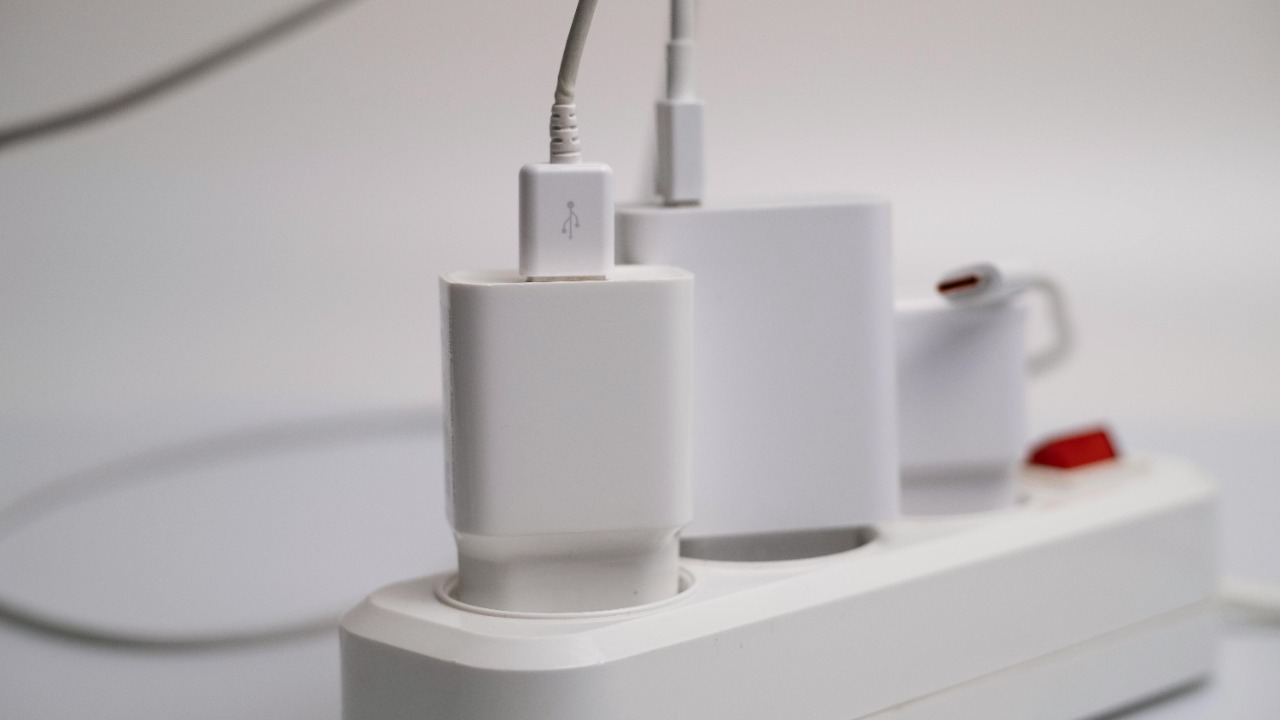

House fires that start with a single overloaded cord rarely look dramatic at first. A warm plug, a faint plastic smell, a power strip tucked behind a sofa or under a desk, and suddenly a convenience becomes a serious hazard. When I look at the data and the guidance from electricians and safety specialists, one pattern is clear: some devices should never be connected to extension cords or power strips, no matter how sturdy they appear.
The risk is not just about how many gadgets share one outlet, but about how much power each one draws and how long it runs. High‑wattage appliances, motor‑driven equipment, and anything that must stay on continuously belong directly in a wall receptacle that is properly rated and grounded. Understanding which devices fall into that category, and why, is one of the simplest ways to cut the odds of an electrical emergency at home.
Why extension cords and power strips are a hidden fire risk
At a glance, a power strip or extension cord looks like a harmless way to multiply outlets, but it is usually the weakest link in the circuit. The internal wiring and plastic housing are often rated for a lower current than the permanent wiring in the wall, so when several hungry devices share that strip, heat builds up faster than most people realize. I find that the most important starting point is to treat these cords as temporary tools for low‑demand electronics, not as permanent infrastructure for major appliances.
Electrical pros repeatedly warn that many household fires trace back to overloaded cords, damaged insulation, or daisy‑chained strips that were never designed to carry that much load. Guidance collected in homeowner safety explainers stresses that extension cords are meant for short‑term use and light devices, while fixed outlets and dedicated circuits are intended for anything that heats, cools, or runs a motor for long periods, a distinction that is reinforced in detailed lists of things to never plug in. When those lines blur, the cord becomes a bottleneck, and that is where insulation can melt, plugs can scorch, and nearby furniture or dust can ignite.
Space heaters and portable air conditioners
Among the most dangerous pairings in any home are space heaters and extension cords. Portable heaters often draw 1,500 watts or more on a standard 120‑volt circuit, which means they are already close to the maximum safe load for a typical 15‑amp breaker before anything else is plugged in. When that current is forced through a thin, coiled cord or a budget power strip, the resistance in the wiring converts directly into heat, which can quickly exceed what the plastic housing can tolerate.
Safety guidance aimed at everyday users repeatedly singles out space heaters as devices that must be plugged directly into a wall outlet, never into a strip tucked under a rug or behind curtains, because the combination of high heat output and flammable surroundings is so volatile. Several consumer‑focused rundowns of things you should never plug into a power strip put space heaters at the top of the list, and home‑improvement explainers echo that warning when they walk through common winter fire hazards. The same logic applies to portable air conditioners and large dehumidifiers, which use compressors and fans that draw heavy current for hours at a time, a pattern that extension cords are not built to handle safely.
Refrigerators, freezers, and other always‑on appliances
Refrigerators and freezers do not feel like power hogs because they cycle on and off, but each time the compressor starts, it pulls a surge of current that can stress a marginal cord. Over months or years of continuous service, that repeated surge can loosen plug connections, wear down insulation, and create hot spots at the outlet or strip. I see a consistent message from electricians and appliance technicians: anything that must stay on 24/7 to protect food or medicine should have its own dedicated, grounded wall outlet.
Home maintenance guides that walk through kitchen and laundry room safety point out that refrigerators, chest freezers, and similar appliances are designed with the assumption that they will be connected directly to a properly wired receptacle, not to a portable cord that can be pinched behind a cabinet or run under a mat. One detailed breakdown of what you should never plug into a power strip notes that these always‑on appliances can easily overload a strip, especially when combined with toasters, microwaves, or coffee makers on the same bar. If a cord fails or a strip trips while you are away, you are not just facing a fire risk, but also spoiled food and costly damage.
Microwaves, toaster ovens, and other high‑heat kitchen gear
Countertop cooking appliances compress a lot of power into a small footprint, which is exactly why they do not belong on extension cords. A typical microwave oven can draw between 1,000 and 1,800 watts while running, and toaster ovens, air fryers, and electric griddles are often in the same range. When several of these share a strip, the combined load can exceed what the cord is rated to carry, even if each device is used for only a few minutes at a time.
Consumer safety explainers that catalog everyday electrical mistakes consistently highlight microwaves and toaster ovens as poor candidates for power strips, grouping them with other high‑heat devices that should have direct access to a wall outlet. One widely shared list of devices that should never be connected to power strips points out that heating elements draw steady, intense current that can overtax surge protectors and basic bars. Regional home‑life coverage that looks at what not to plug into a strip in the kitchen reinforces that advice, warning that even a single powerful appliance can push a strip past its safe limit when the wiring is old, damaged, or covered by clutter.
Hair dryers, curling irons, and bathroom power hogs
Bathrooms are already tricky environments for electricity because of moisture, so adding overloaded cords to the mix is asking for trouble. Hair dryers, curling irons, and straighteners often pull close to the maximum allowed on a standard circuit, especially models marketed as “salon‑grade” or “fast‑drying.” When those tools are plugged into a lightweight extension cord draped across a damp floor or a crowded strip balanced on a vanity, the risk of overheating and shock rises sharply.
Home safety roundups that focus on personal‑care devices caution that these tools should be used with grounded wall outlets, ideally those protected by ground‑fault circuit interrupters, rather than with portable cords that can be easily splashed or dropped. One practical guide to things to never plug into a power strip specifically calls out hair dryers and irons, noting that their high wattage and frequent on‑off cycling can wear out the internal contacts of a strip. Social media posts that circulate electrical safety tips have amplified that message, urging people not to run multiple styling tools from a single bar in small bathrooms where steam and water are constant factors.
Washing machines, dryers, and other motor‑driven equipment
Anything with a substantial motor, from a full‑size washing machine to a portable air compressor, draws a heavy inrush of current when it starts. That surge is exactly what can cause an extension cord to heat up, especially if the cord is long, coiled, or undersized for the load. I have seen repeated warnings that laundry appliances, in particular, should never be run from a cord or strip, because their cycles last long enough for any weak point in the wiring to become dangerously hot.
Detailed safety lists that walk through common household devices explain that washers, dryers, and dishwashers are designed to be hard‑wired or plugged directly into dedicated outlets, often on their own circuits, to handle both the steady draw and the starting surge. One breakdown of high‑demand devices that do not belong on strips groups these motor‑driven appliances with space heaters and refrigerators, underscoring that the combination of mechanical load and long run times is especially punishing for portable cords. Another set of extension‑cord safety tips that covers garages and workshops adds power tools, shop vacuums, and similar equipment to the list of items that should be used with properly rated outlets instead of improvised chains of cords.
Power strips are not permanent wiring
One of the most persistent misconceptions I encounter is the idea that a surge protector or heavy‑duty strip can stand in for permanent wiring. In reality, even robust strips are classified as temporary devices, meant to serve low‑power electronics like laptops, phone chargers, and desk lamps. When they are used as semi‑permanent fixtures behind entertainment centers or under beds, they are more likely to be covered by dust, blocked by furniture, or forgotten when they start to show signs of wear.
Home‑improvement explainers that break down safe use of strips emphasize that they should never be daisy‑chained, run through walls, or hidden under carpets, because those practices trap heat and make it harder to spot damage. One widely shared guide to safe power strip use notes that even when the load is modest, cords should be inspected regularly for cracks, discoloration, or loose plugs. Video demonstrations from electricians show how quickly a strip can overheat when overloaded, especially when it is feeding multiple adapters and chargers, and they stress that if you routinely need more outlets in one area, the real solution is to have a licensed professional install additional receptacles.
How to spot unsafe setups and fix them quickly
Recognizing a risky arrangement is often as simple as looking behind your furniture. If you see a power strip buried under dust bunnies, a cord running under a rug, or several adapters stacked on a single outlet, that is a red flag. Warm plugs, scorch marks, or a faint burning smell are urgent signs that something is wrong, and in those cases the safest move is to unplug devices immediately and let everything cool before rethinking the setup.
Practical checklists that circulate in community safety groups encourage people to walk room by room and identify where high‑wattage appliances are sharing strips with smaller gadgets, then move those heavy loads to dedicated wall outlets instead. One widely shared post in a home‑safety discussion group, for example, walks through seven devices that should never be on a strip and urges readers to relocate them to proper outlets, advice that mirrors the guidance in more formal rundowns of devices you should never plug into a power strip. When a room simply does not have enough outlets in the right places, the consistent recommendation from professionals is to invest in additional receptacles or upgraded circuits rather than leaning on longer and more complex chains of cords.
What extension cords and strips are actually good for
Despite their risks, extension cords and power strips do have a safe role when they are used within their limits. Low‑wattage electronics like phone chargers, routers, game consoles, and LED desk lamps typically draw far less current than heating appliances or motors, which makes them suitable candidates for a quality strip with built‑in overload protection. I always look for cords that are properly rated for indoor or outdoor use, have a clear amperage rating printed on the jacket, and include a resettable breaker that will trip before the wiring overheats.
Consumer guides that separate safe uses from unsafe ones suggest reserving strips for clusters of small devices that are used intermittently, such as computer peripherals or TV accessories, and keeping the total load well below the maximum printed on the device. One practical overview of extension cord safety recommends adding up the wattage of everything on a strip and comparing it to the cord’s rating, then leaving a margin rather than running at the limit. Video explainers from electricians echo that approach, showing how to read labels and choose cords with thicker wire (lower gauge numbers) for slightly heavier but still appropriate loads, while still steering clear of the high‑demand appliances that belong on dedicated outlets.
The role of surge protectors and what they cannot do
Surge protectors are often misunderstood as cure‑alls for electrical risk, but their job is narrow: they are designed to absorb or divert voltage spikes, not to handle excessive current from too many or too powerful devices. A strip with surge protection can shield sensitive electronics like computers and televisions from brief surges, such as those that follow a nearby lightning strike or a utility switching event. It cannot, however, make it safe to plug in a space heater, microwave, or refrigerator that draws more current than the strip’s wiring can safely carry.
Technical explainers that walk through the inner workings of surge protectors point out that the protective components inside, often metal oxide varistors, degrade over time and can fail silently, leaving the strip functioning as a basic outlet multiplier without any surge protection at all. One detailed rundown of inappropriate uses for surge strips stresses that even high‑end models are not rated for major appliances or heating devices, and that plugging those in can still lead to overheating and fire. Video demonstrations from electricians reinforce that message by showing how quickly a surge strip can be pushed past its thermal limits when loaded with high‑wattage devices, even if the surge components are working exactly as designed.
Why social media warnings about cords keep going viral
In recent years, posts about extension cord dangers have spread widely on social platforms, often sparked by photos of scorched outlets or melted strips. While some of these posts can be alarmist, many are grounded in real incidents where a single overloaded cord behind a couch or under a bed triggered a serious fire. I see value in these viral warnings when they prompt people to look behind their own furniture and reconsider how they are powering their homes.
One widely shared discussion thread in a home‑safety group, for example, walks through specific cases where plugging heaters, refrigerators, and other heavy appliances into strips led to near‑misses or actual fires, then urges readers to move those devices to dedicated outlets instead. That kind of peer‑to‑peer advice aligns closely with more formal lists of dangerous extension cord habits compiled by electricians and safety advocates. When social media anecdotes match the guidance from professionals, they can be a powerful nudge to change habits that feel convenient but carry far more risk than most people realize.
Simple rules that keep your wiring out of the headlines
After sifting through expert guidance, incident reports, and practical checklists, the safest pattern comes down to a few clear rules. Anything that heats, cools, or runs a substantial motor should go straight into a wall outlet on an appropriate circuit, not into an extension cord or power strip. Cords and strips should be reserved for low‑wattage electronics, used in the open where heat can dissipate, and inspected regularly for wear.
Lists that spell out things never to plug into a power strip consistently include space heaters, refrigerators, microwaves, hair dryers, washing machines, and other high‑demand devices, and they urge homeowners to call an electrician if they find themselves relying on multiple strips or long cords to make a room functional. Video explainers that dramatize what happens when cords are overloaded, such as demonstrations of overheated power strips and dangerous extension setups, drive home the point that the convenience of one extra outlet is never worth the risk of a preventable fire. By treating cords and strips as temporary, limited tools instead of permanent solutions, it becomes much easier to keep your home’s wiring out of the emergency reports and your family out of harm’s way.
More from MorningOverview