

NASA’s Curiosity Rover has reached a new exploration site on Mars, marking a significant milestone in the ongoing exploration of the Red Planet. This advancement has led to an unprecedented discovery that could reshape our understanding of the planet’s history. The rover’s analysis of the terrain revealed promising evidence of ancient water, and it also detected organic molecules in a rock formation, suggesting potential building blocks for life. These findings, reported in early October 2025, highlight the rover’s advanced capabilities in detecting geological and chemical signatures.
The Curiosity Rover’s Latest Mission Milestone
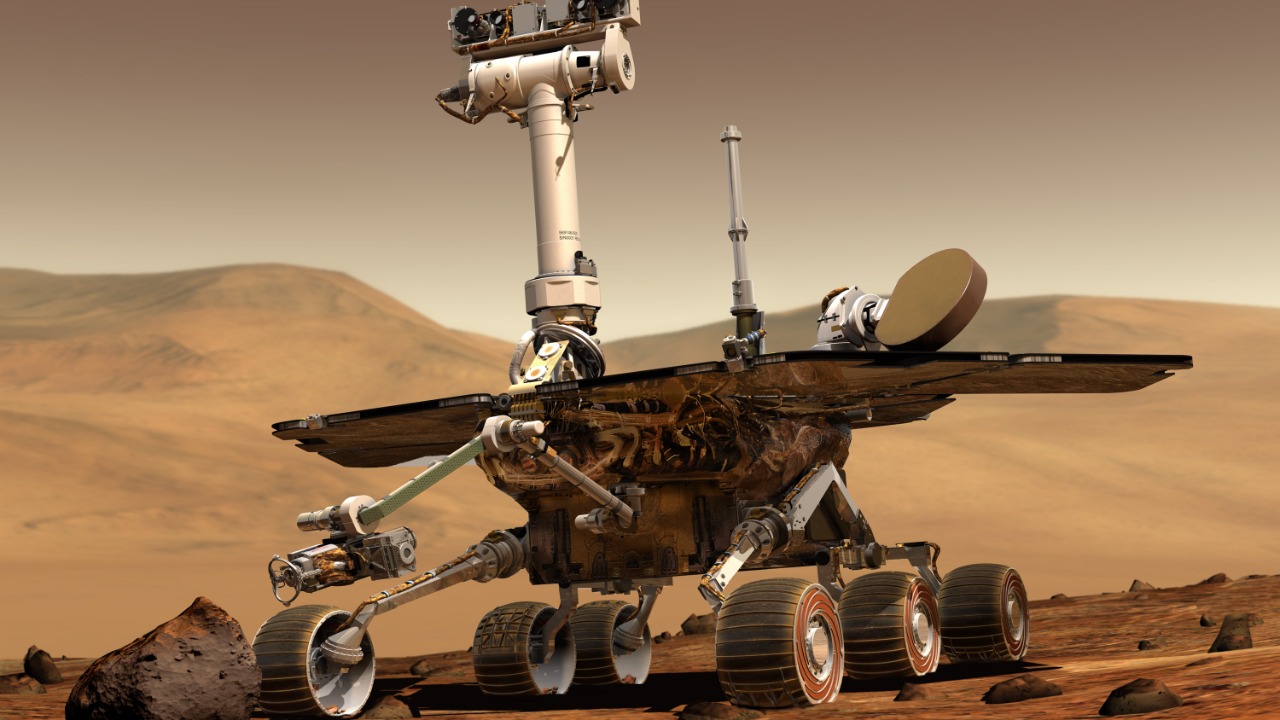
The Curiosity Rover, NASA’s long-term explorer on Mars, has been operational since its initial deployment in 2012. Recently, it reached a new site on the Martian surface, a move that underscores its enduring role in planetary exploration. The selection of this new location was based on targeted scientific investigation goals, aiming to uncover more about Mars’ geological history and potential habitability. The rover’s operational status remains robust, enabling it to continue its mission of exploring the Martian landscape and conducting scientific experiments [MSN].
The timeline of this significant event was captured in reports from October 6, 2025. This milestone not only highlights the rover’s continued success but also its ability to adapt and thrive in the challenging Martian environment. The new site was chosen for its potential to yield insights into the planet’s past, particularly regarding the presence of water and organic compounds.
Unprecedented Discovery in Martian Terrain
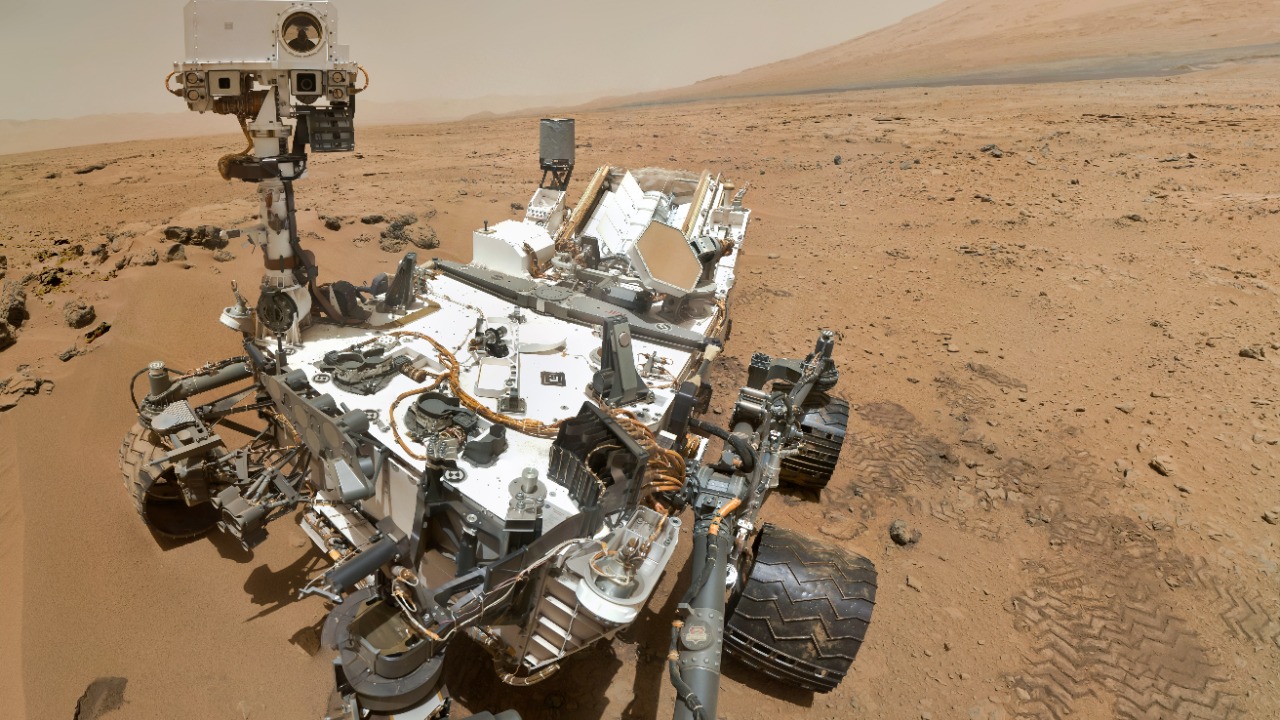
Upon reaching the new site, the Curiosity Rover made an unprecedented discovery that has significant implications for Mars exploration. The rover’s instruments detected anomalies in the geology of the area, which could provide new insights into the planet’s history. This discovery is crucial as it may offer clues about the conditions that existed on Mars billions of years ago, potentially reshaping our understanding of the planet’s capacity to support life [MSN].
The rover’s sophisticated suite of instruments played a key role in identifying these geological anomalies. By analyzing the composition of rocks and soil, the rover was able to detect variations that suggest a more complex history than previously understood. This breakthrough was initially announced on October 6, 2025, highlighting the rover’s ongoing contributions to our knowledge of Mars.
Evidence of Ancient Water Uncovered
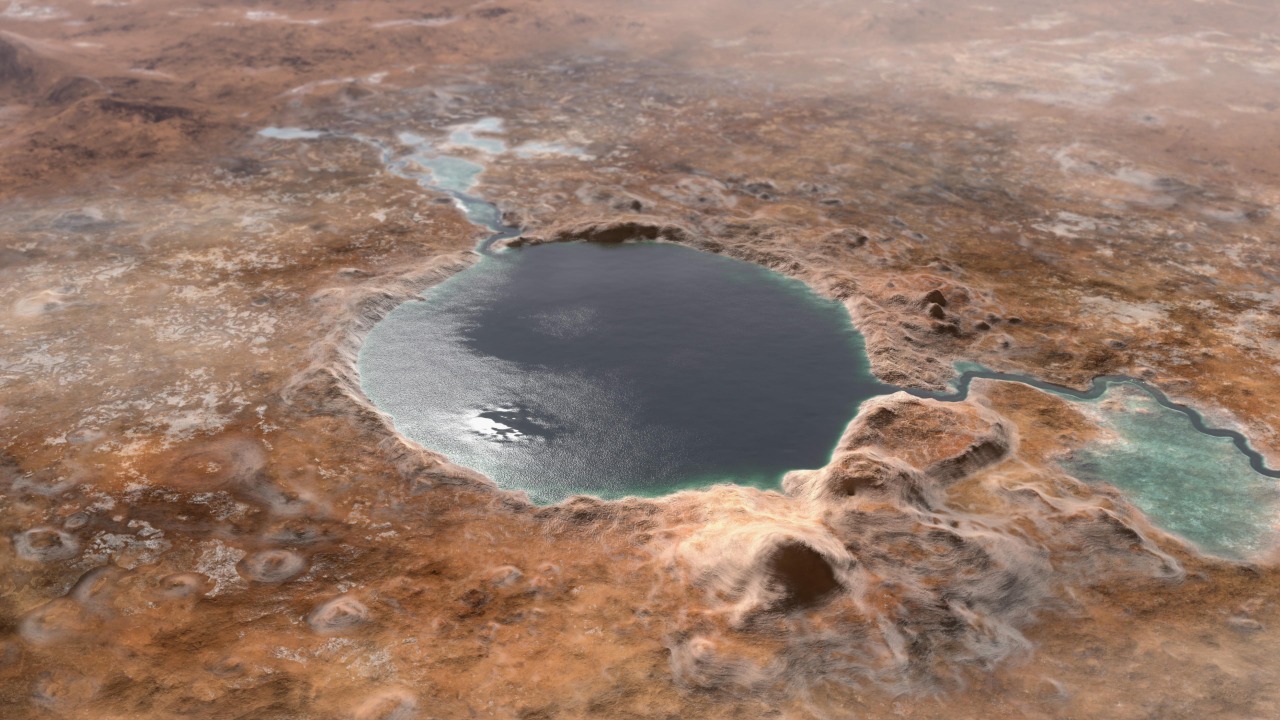
NASA’s Curiosity Rover has uncovered promising evidence of ancient water on Mars through detailed surface and subsurface analysis. This discovery was made possible by examining sediment layers and mineral deposits that indicate the past presence of water. Such findings are crucial as they suggest that Mars may have once had conditions suitable for life [SSBCRACK].
The geological indicators, such as specific mineral formations and sedimentary structures, point to a history of water activity on the planet. These findings were reported on October 6, 2025, and they provide valuable insights into the environmental conditions that existed on Mars in the distant past. Understanding these conditions is essential for piecing together the planet’s climatic and hydrological history.
Further analysis of the sediment layers has revealed intricate patterns that suggest the presence of ancient riverbeds and lake deposits. These formations are characterized by their stratified nature, indicating that water once flowed and pooled in these regions, potentially creating environments that could have supported microbial life. The presence of clay minerals, which typically form in the presence of water, further supports the hypothesis of a wetter Martian past. This discovery aligns with previous findings from other missions, reinforcing the theory that Mars had a significantly different climate billions of years ago.
Moreover, the rover’s findings contribute to the broader understanding of Mars’ geological timeline. By studying the mineralogical composition of these layers, scientists can infer the duration and extent of water activity on the planet. This information is crucial for reconstructing the planet’s climatic history and assessing its potential for past habitability. The implications of these findings extend beyond Mars, offering insights into planetary evolution and the conditions necessary for life elsewhere in the solar system. These discoveries continue to fuel the scientific community’s interest in Mars as a key target for future exploration and study.
Detection of Organic Molecules in Rocks
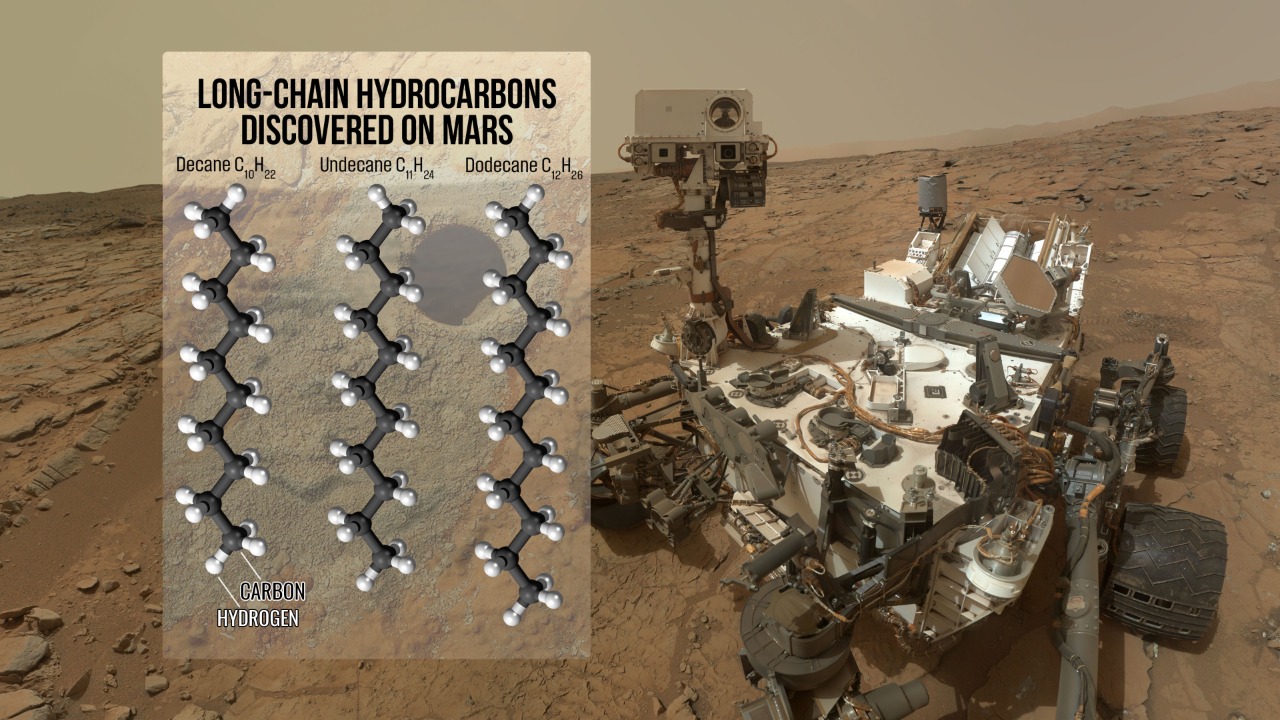
In addition to evidence of ancient water, NASA’s Mars Rover has spotted organic molecules in a rock formation at the new site. These molecules are significant as they are considered potential precursors to life. The rover’s spectroscopic data revealed the presence of these organic compounds, which could offer clues about the chemical processes that occurred on Mars [Daily Galaxy].
The detection of organic molecules is a major step forward in the search for life on Mars. These compounds, while not evidence of life itself, are essential building blocks that could have supported biological processes in the planet’s past. The initial spotting of these molecules was reported on October 5, 2025, underscoring the rover’s capability to uncover critical information about Mars’ potential for habitability.