

Smartphones have become an integral part of our daily lives, with their use becoming increasingly prevalent worldwide. However, a recent revelation has raised eyebrows and concerns about privacy, as it appears these devices may be uploading user data as frequently as every six hours.
The Prevalence of Smartphone Usage

Smartphones are no longer a luxury but a necessity in today’s digital age. According to Demand Sage, the use of these devices has skyrocketed globally, with millions of people relying on them for various tasks. From communication and entertainment to shopping and banking, smartphones have become an indispensable tool in our daily lives.
Notably, the time spent on smartphones, especially among adolescents, is staggering. A study from Stony Brook University found that adolescents spend nearly a quarter of their school day on these devices. This extensive usage underscores the importance of understanding the implications of the recent discovery regarding data uploading.
Smartphones and User Data Uploading

The recent discovery that smartphones could be uploading user data every six hours is alarming. This process could potentially involve various types of data, including personal information, location data, browsing history, and app usage details. Such frequent data uploading raises questions about the security and privacy of user data.
There have been incidents in the past where data breaches related to smartphones have led to significant privacy concerns. These incidents underscore the potential risks associated with this frequent data uploading and highlight the need for robust data protection measures.
The Impact on User Privacy

The implications of this discovery on user privacy are profound. The frequent uploading of user data could potentially expose users to various risks and threats. These could range from identity theft and fraudulent activities to unwanted targeted advertising and invasion of privacy.
Smartphone companies have been quick to respond to these concerns. Many are taking steps to address these privacy issues, including implementing stronger data encryption methods, providing clearer privacy policies, and giving users more control over their data. However, the effectiveness of these measures remains to be seen.
Regulating Smartphone Usage

Existing regulations on smartphone usage, such as the model legislation from the Manhattan Institute, aim to control the use of these devices, especially in educational settings. However, these regulations do not specifically address the issue of data uploading.
The recent discovery could potentially lead to new regulations aimed at protecting user data and privacy. These could include stricter rules on data collection and uploading, mandatory disclosure of data uploading practices, and stronger penalties for data breaches. However, the role of users in protecting their own data and privacy cannot be overstated.
What This Means for Future Smartphone Use
The potential impact of this discovery on future smartphone usage patterns is significant. Users may become more cautious about the apps they install and the permissions they grant. This could also lead to changes in smartphone design and functionality to ensure better data protection.
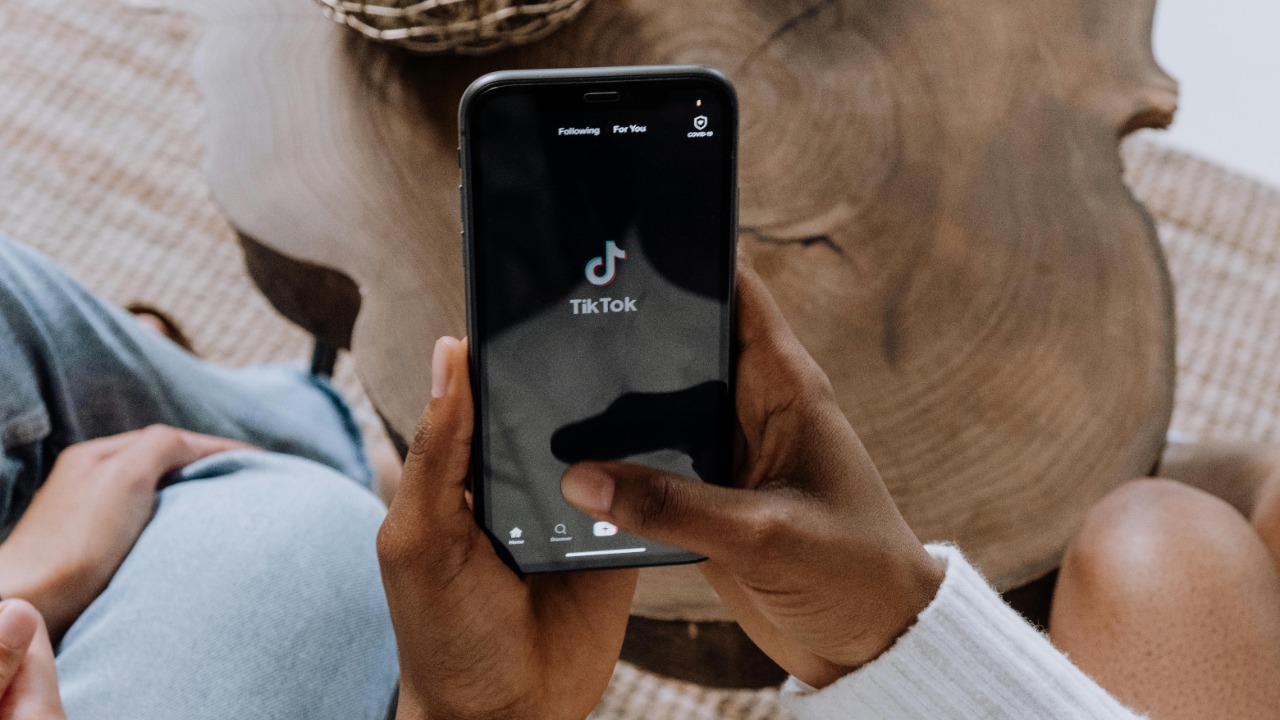
Furthermore, this discovery might influence the way users engage with their smartphones, especially on social media platforms. According to a blog post on Shopify, the timing of posts on platforms like TikTok can significantly affect their reach and engagement. With the knowledge of frequent data uploading, users may adjust their social media usage to protect their privacy.