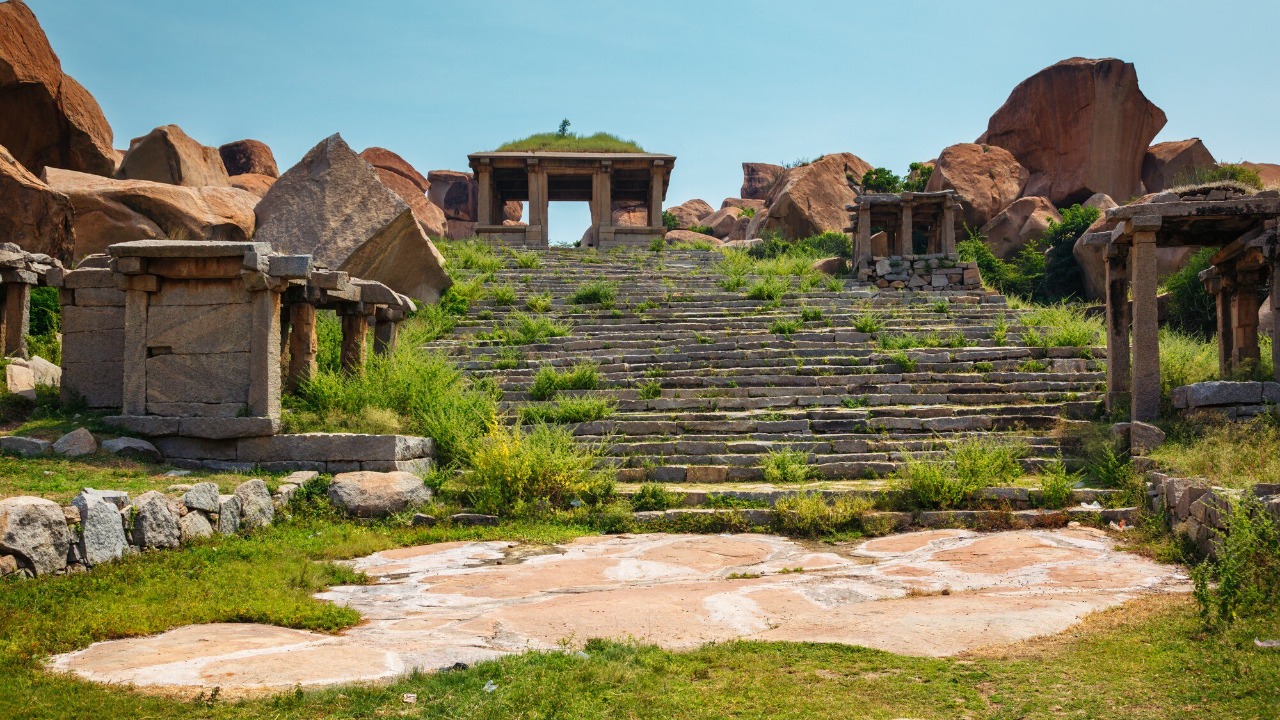

Unearthing the mysteries of our planet’s past, ancient maps offer a unique window into the world as it once was, depicting continents that have long since disappeared. These maps, coupled with modern geological evidence, have reshaped our understanding of Earth’s history and geography.
The Intriguing World of Ancient Maps
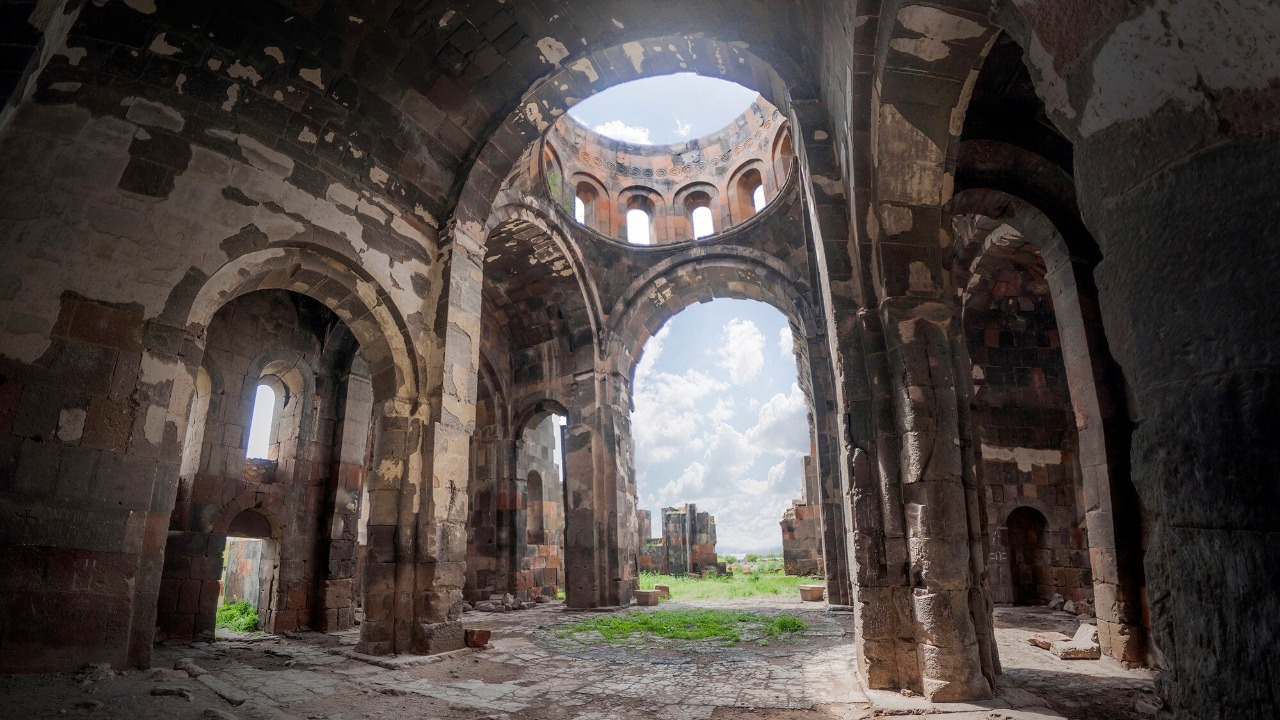
Mapmaking is an ancient art, with techniques and styles evolving over centuries. The significance of these maps extends beyond mere navigation; they provide a snapshot of the world as perceived by our ancestors. Ancient maps often depict lands that no longer exist, offering tantalizing clues about Earth’s geological past.
These maps have played a crucial role in shaping our current understanding of the world. They have guided explorers, influenced geopolitics, and sparked scientific discoveries. Some of the most famous ancient maps even depict now-lost continents, further fueling our fascination with the world’s hidden history.
Lost Continents Depicted on Ancient Maps
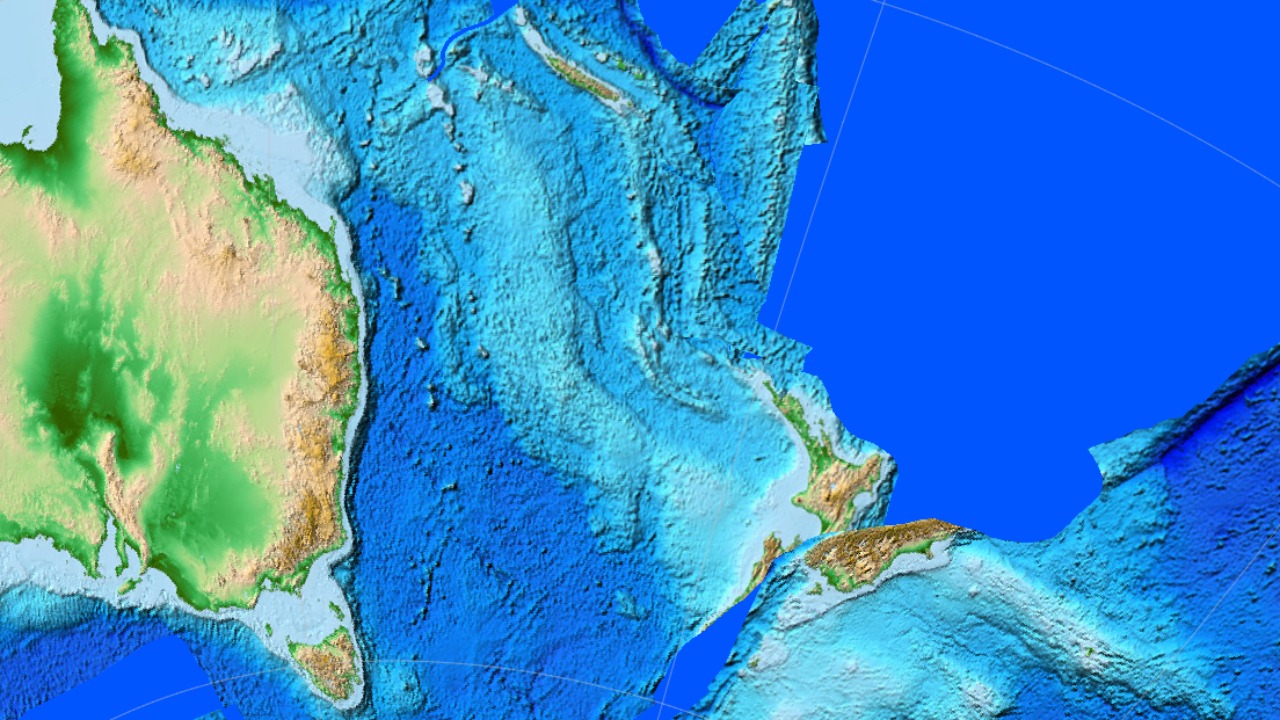
One such lost continent is Zealandia. Once dismissed as a collection of islands and submerged landmasses, Zealandia is now recognized as Earth’s hidden eighth continent. Recent mapping efforts have brought Zealandia into the spotlight, revealing its vast expanse and unique geological features.
Another intriguing discovery is the lost continent under Antarctica. This ancient landmass, hidden beneath miles of ice, was only recently detected. Evidence of long-lost giant rivers that once flowed across Antarctica supports the existence of this lost continent. Furthermore, ancient maps have also hinted at the presence of super-continents, massive landmasses that once dominated the Earth.
Scientific Evidence of Lost Continents
Modern science has provided compelling evidence for these lost continents. Geological and seismological studies have confirmed the existence of Zealandia, validating its depiction on ancient maps. Similarly, the discovery of giant rivers under Antarctica, which flowed up to 80 million years ago, provides strong evidence for a lost continent beneath the ice.
Even more intriguing is the evidence of super-continents hidden within Earth’s mantle and magma. Seismological studies have revealed mysterious structures deep within the Earth, challenging traditional theories and hinting at the existence of long-lost super-continents.
The Legacy of Lost Continents in Today’s World
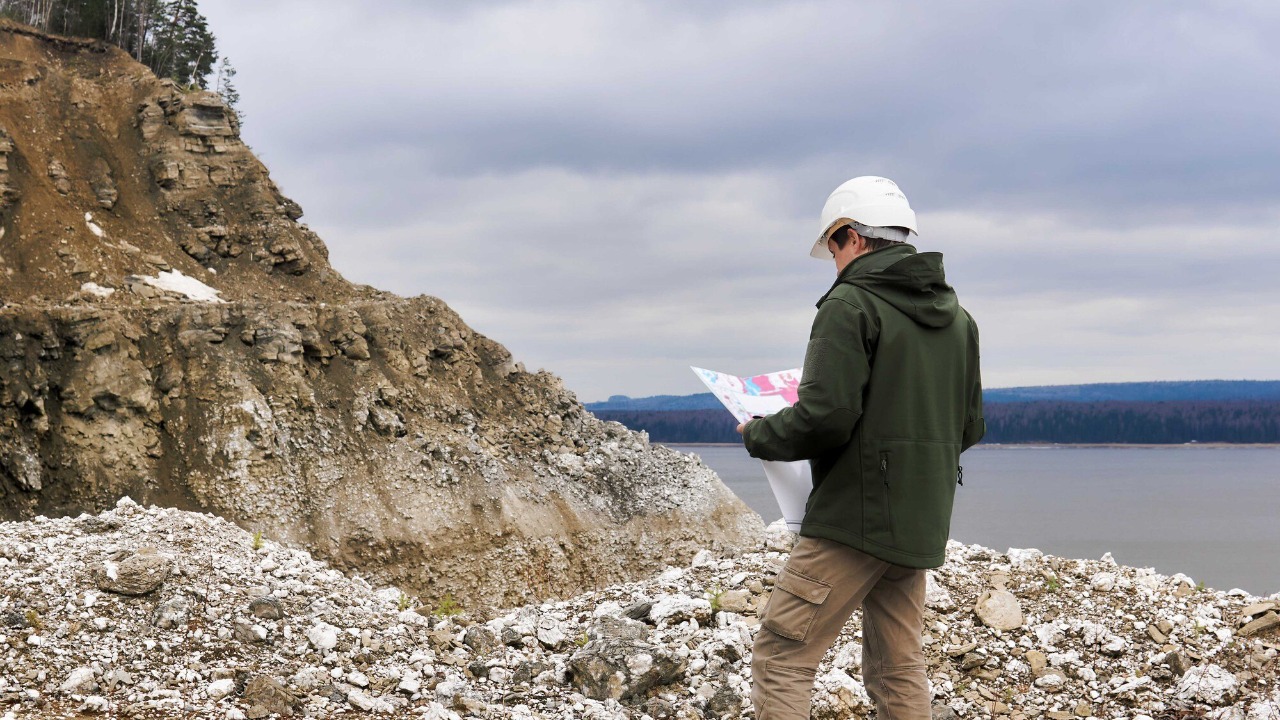
The existence of these lost continents has had a profound impact on modern geography. They have reshaped our understanding of Earth’s geological history, influencing everything from plate tectonics to climate models. The discovery of Zealandia and the lost continent under Antarctica, in particular, have revolutionized the field of earth sciences.
Moreover, these discoveries have opened up new avenues for exploration and research. With the aid of ancient maps and modern technology, scientists continue to uncover the secrets of our planet’s past. Who knows what other lost continents await discovery beneath the Earth’s surface?