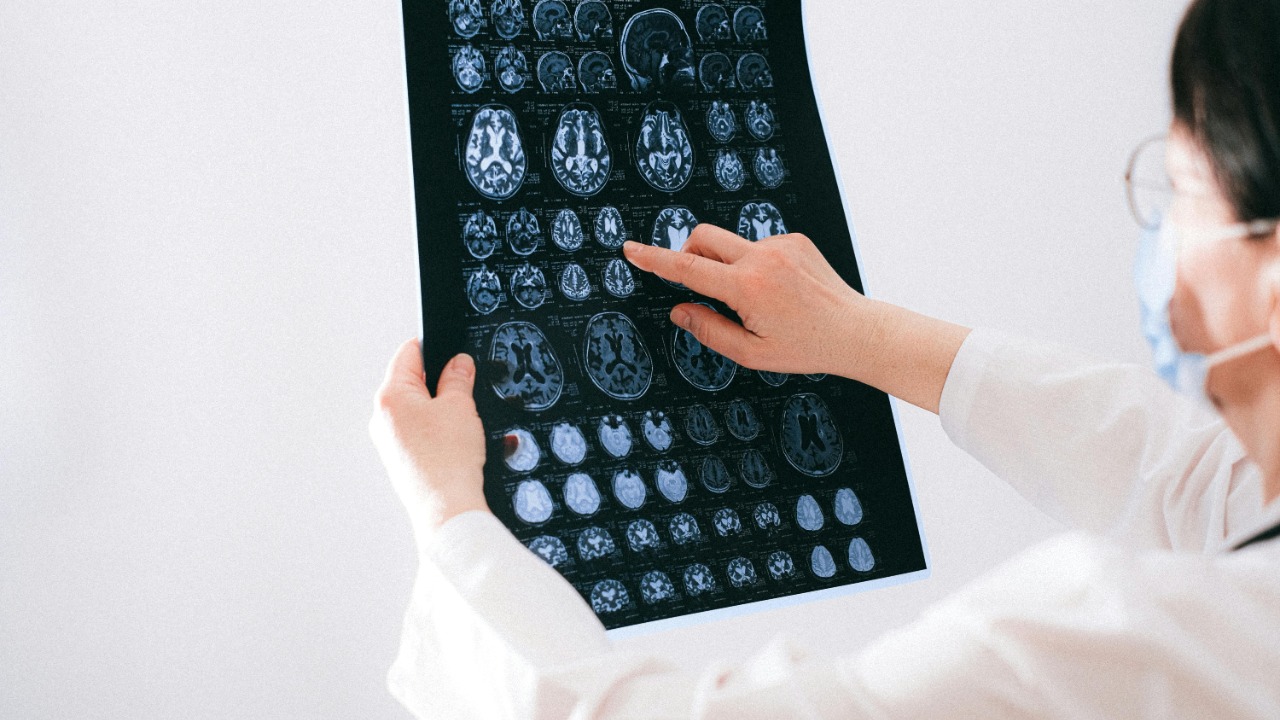

The intersection of artificial intelligence and neuroscience has led to a groundbreaking development: the ability to read dreams from brain scans. This technological advancement, which involves the interpretation of brain activity during sleep, has opened up new possibilities and sparked intriguing debates.
1. Understanding the Technology
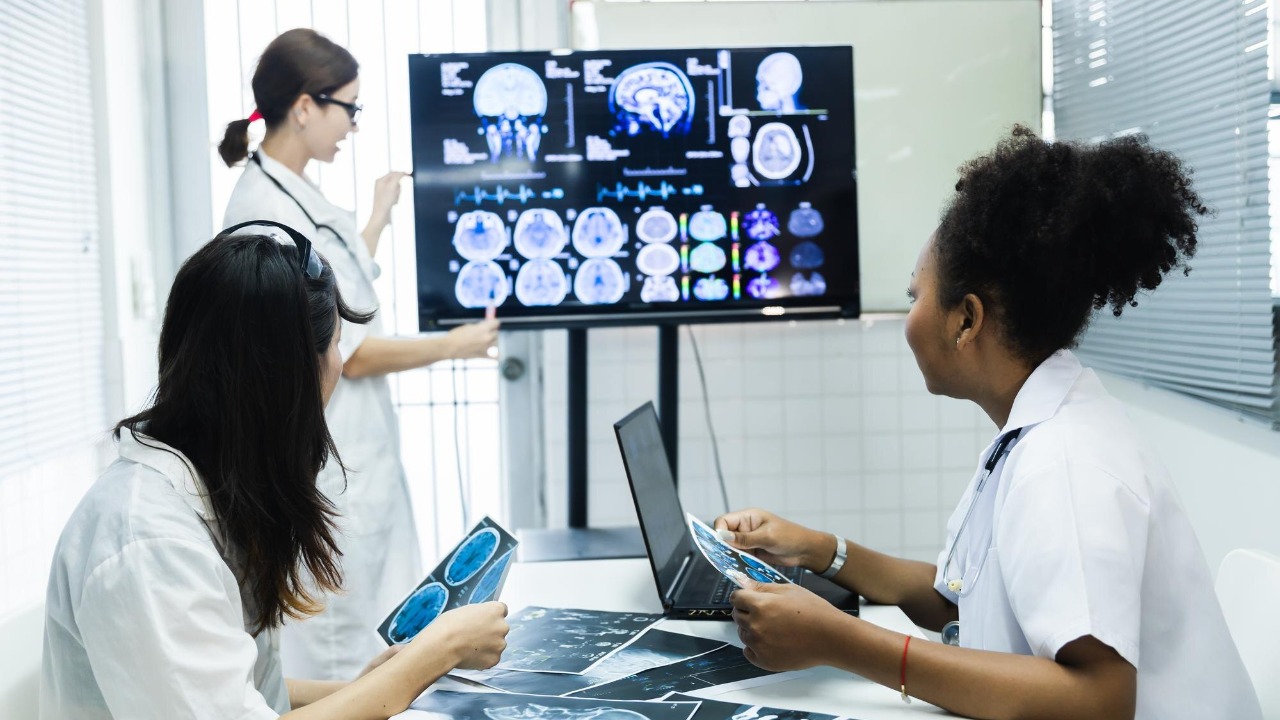
Artificial intelligence (AI) has made significant strides in various fields, and neuroscience is no exception. The application of AI in interpreting brain scans has led to fascinating discoveries, such as the ability to recreate what people see by reading their brain scans. This technology involves complex algorithms that analyze brain activity and translate it into visual data.
The AI system works by training on a vast amount of data, learning to recognize patterns and correlations between brain activity and visual stimuli. This process, known as machine learning, allows the AI to make accurate predictions about what a person is seeing based solely on their brain activity.
2. The Process of Reading Dreams
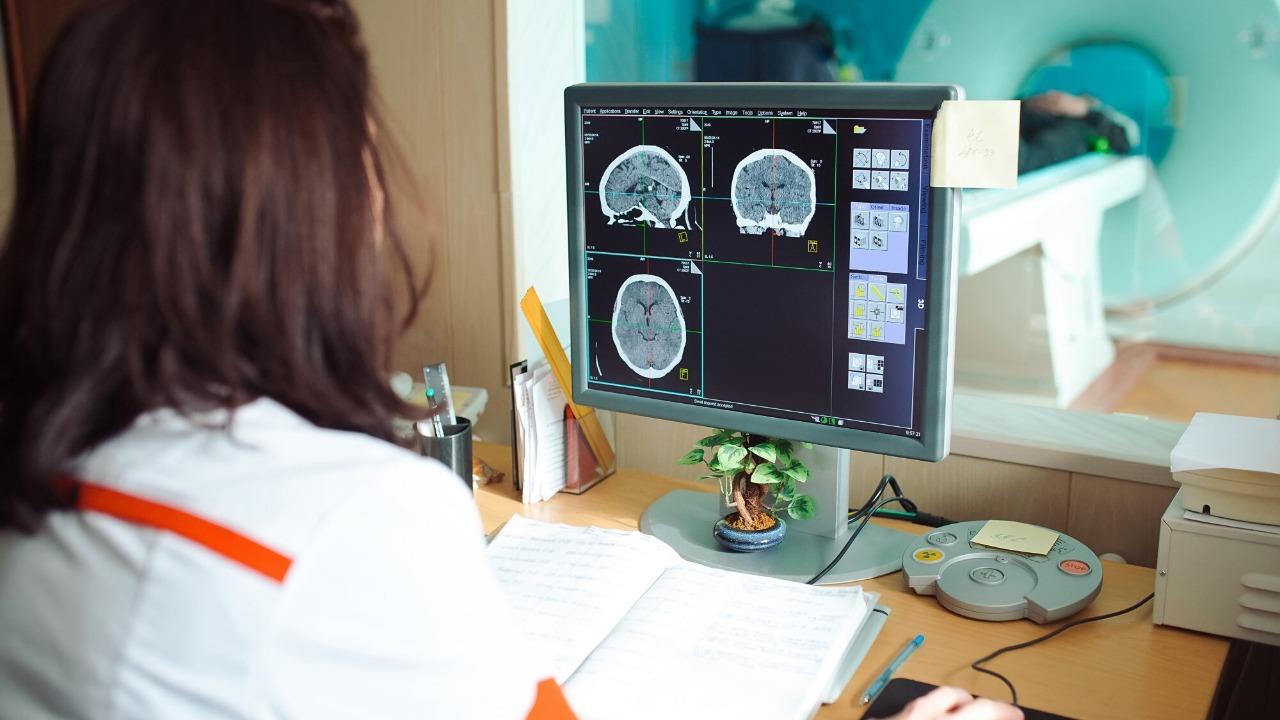
The process of reading dreams involves capturing brain activity during sleep. This is achieved using neuroimaging techniques that record the electrical activity of the brain. The AI then translates this data into visual representations, effectively turning dreams into videos, as reported by the Greek City Times.
However, this technology is not without its limitations. The accuracy of the visual representations depends on the quality of the brain scan data and the sophistication of the AI algorithms. Furthermore, the technology currently cannot capture the full richness and complexity of human dreams, but it represents a significant step towards understanding our subconscious minds.
3. Case Studies and Experiments
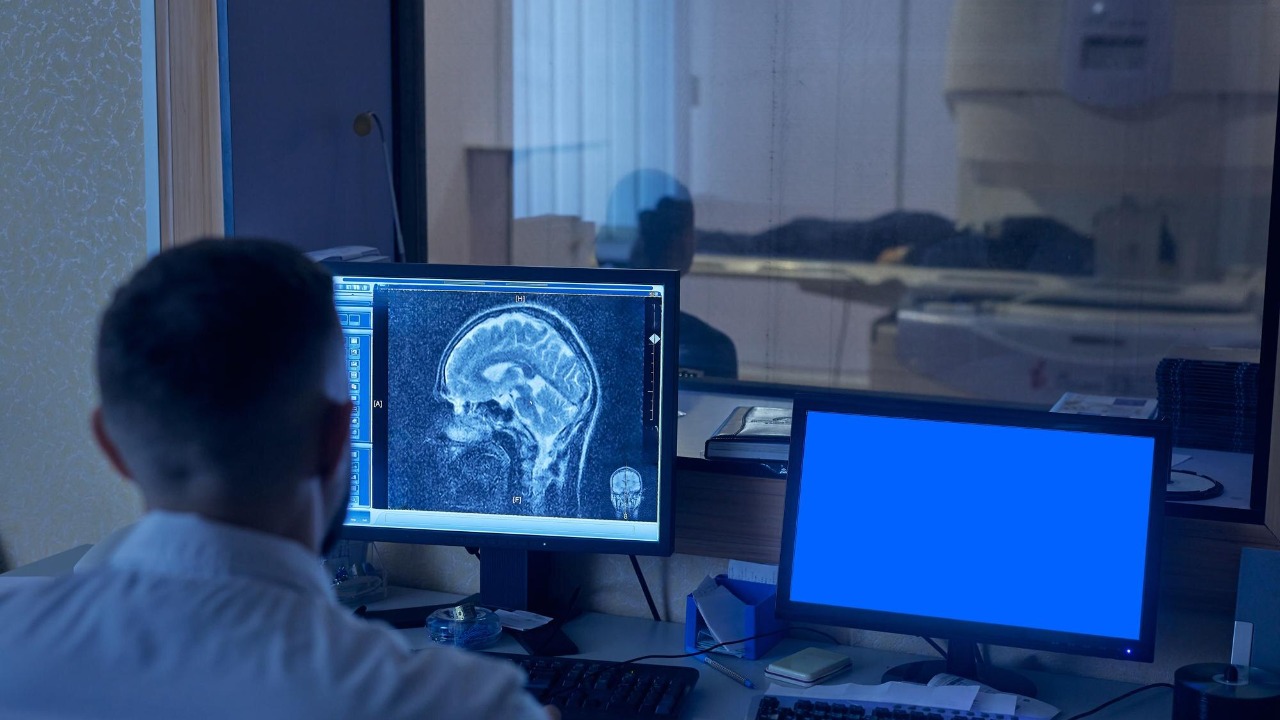
Several research studies have explored the potential of AI in decoding brain activity. One notable experiment was conducted by the University of Texas, which developed a brain activity decoder that can reveal stories in people’s minds. This research demonstrated the potential of AI in understanding not only visual experiences but also more complex cognitive processes.
Another significant experiment was conducted by the Smithsonian Institute, which used AI to recreate images that people saw based on their brain scans. This study further validated the potential of AI in interpreting brain activity and provided valuable insights into how our brains process visual information.
4. Potential Applications and Implications
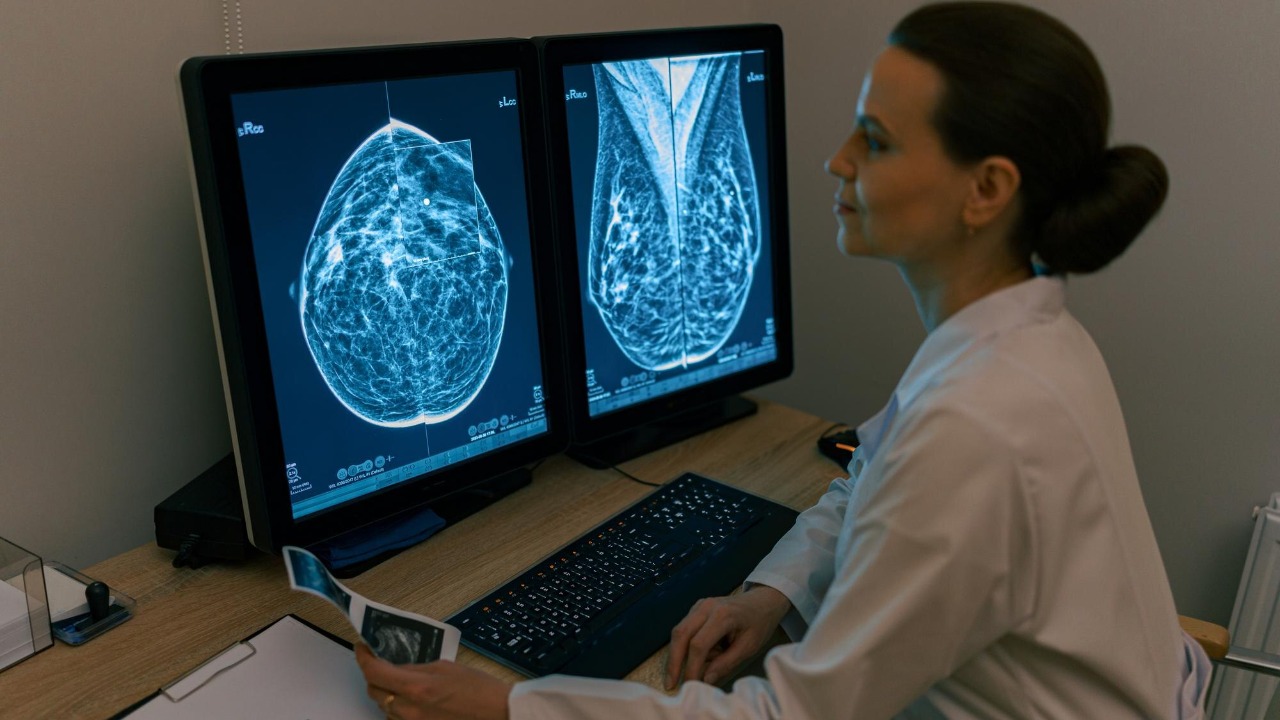
The potential applications of this technology extend beyond the realm of neuroscience. In psychology, it could provide a new way to explore the subconscious mind and understand the role of dreams in our mental health. In sleep research, it could shed light on why our sleeping brain replays new rewarding experiences. And in the entertainment industry, it could open up new possibilities for immersive and personalized content.
However, the technology also raises important ethical questions. The ability of AI to read our dreams touches on issues of privacy and consent. As this technology continues to evolve, it will be crucial to establish guidelines and regulations to protect individuals’ rights and ensure ethical use.
5. Public Reaction and Criticism

The public’s reaction to this technology has been mixed. While many are excited about the potential applications, others express concern about privacy and ethical boundaries. The idea of AI having access to our most private thoughts and dreams can be unsettling for some, raising questions about how this technology should be regulated.
These concerns are not unfounded. As with any powerful technology, the potential for misuse exists. It is therefore essential to have an ongoing public dialogue about these issues, to ensure that the development and use of this technology is guided by ethical considerations and respect for individual privacy.