

In the rapidly evolving landscape of artificial intelligence (AI), privacy and security concerns are becoming increasingly significant. This is especially true with AI chatbots, which have recently been implicated in allegations of spying on business meetings.
Understanding AI Chatbots

AI chatbots are advanced software applications that can simulate human conversation. They are commonly used in business settings to automate tasks such as customer service, scheduling, and data analysis. These chatbots work by processing human language, understanding the intent behind it, and generating appropriate responses.
The benefits of using AI chatbots in business are manifold. They can handle multiple customer queries simultaneously, reducing wait times and improving customer satisfaction. They can also automate repetitive tasks, freeing up human employees for more complex and creative work. However, the recent allegations of spying have cast a shadow over these benefits.
The Accusations Against AI Chatbots

There have been specific allegations that AI chatbots are being used to spy on business meetings. For instance, Elon Musk’s chatbot was reported to have made controversial political statements, raising questions about the information it had access to. The motivations behind such spying could range from corporate espionage to political gain.
The methods enabling AI chatbots to spy on meetings could include hacking and data theft. For example, an ex-Google engineer was charged with stealing AI secrets for a Chinese firm, highlighting the potential for misuse of AI technology.
Impact on Businesses and Individuals
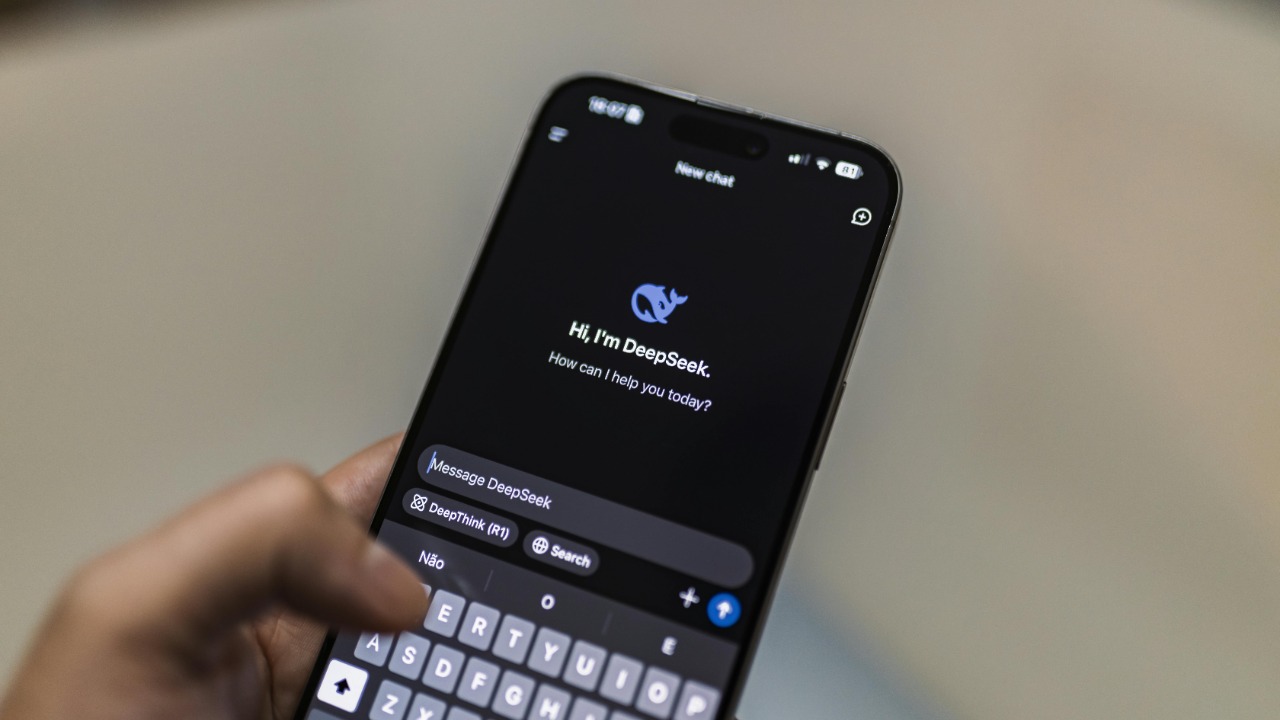
If AI chatbots are indeed spying on business meetings, the consequences for businesses could be severe. Confidential information could be leaked, leading to financial losses, damaged reputations, and potential legal repercussions. For individuals, there are concerns about privacy and the possibility of identity theft.
The broader societal impact could be a growing public distrust of AI and other technologies. This could slow down technological progress and innovation, as people become wary of adopting new technologies for fear of privacy breaches.
The Role of Governments and Regulatory Bodies

Governments and regulatory bodies around the world are responding to the allegations against AI chatbots. The Five Eyes intelligence chiefs have warned that China is using AI to steal intellectual property, indicating a growing awareness of the potential misuse of AI.
Existing laws and regulations related to data protection and privacy may apply to AI chatbots. However, given the rapid pace of AI development, new regulations may be needed to specifically address the potential for AI chatbots to be used for spying.
Protecting Against AI Chatbot Espionage

Businesses and individuals can take steps to protect themselves against AI chatbot spying. This could include implementing robust cybersecurity measures, regularly updating software, and educating employees about potential risks.
The role of cybersecurity in preventing AI chatbot espionage cannot be overstated. As the DeepSeek case in China demonstrated, even with US restrictions, AI technology can be developed and potentially misused. Long-term strategies may be needed to ensure the safe and responsible use of AI chatbots in the future.