
Scientists have uncovered a revolutionary method to harness energy from one of the universe’s most enigmatic phenomena: black holes. This groundbreaking discovery could potentially solve some of Earth’s most pressing energy challenges while offering insights into the capabilities of advanced alien civilizations.
The Enigma of Black Holes

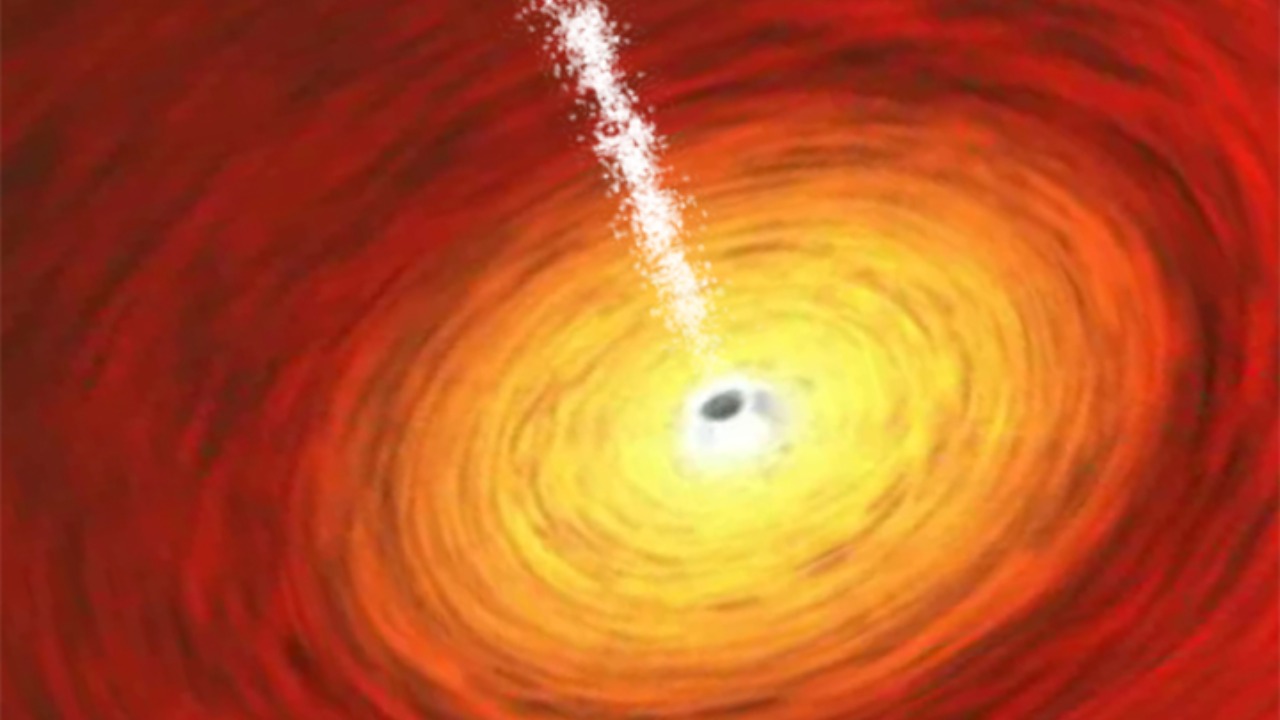
Black holes are formed when massive stars collapse under their own gravity, creating regions in space where the gravitational pull is so strong that nothing, not even light, can escape. These cosmic entities are characterized by their event horizons, the boundary beyond which nothing can return. The immense gravitational forces at play make black holes some of the most intriguing and mysterious objects in the universe. Their formation and characteristics have been a subject of fascination and study for decades, as scientists strive to understand their complex nature.
Historically, black holes have captivated the scientific community, leading to significant milestones in research. From the theoretical predictions by Albert Einstein’s general relativity to the first photographic evidence captured by the Event Horizon Telescope, black holes have continually challenged our understanding of physics. Recent advancements, such as the detection of the most massive black hole merger ever observed, further highlight the dynamic and evolving nature of black hole research.
Current observations have been significantly enhanced by technological advancements, such as the James Webb Space Telescope. This powerful instrument has provided new insights into black holes, including a rapid-fire light show from the Milky Way’s central black hole. These observations are crucial in expanding our understanding of these cosmic phenomena and their potential applications.
Unveiling the Energy Harvesting Method

The theoretical foundations for extracting energy from black holes have been laid out by scientists through concepts such as the Penrose Process. This theory suggests that energy can be harnessed from a rotating black hole by exploiting its ergosphere, a region outside the event horizon where objects cannot remain in place. By sending particles into this region, it is theoretically possible to extract energy as some particles escape with more energy than they entered.
Technological innovations are now making the once theoretical possibility of energy extraction from black holes more plausible. Advances in space exploration technology and energy conversion methods are paving the way for practical applications. These innovations could potentially allow us to tap into the immense energy reserves of black holes, providing a virtually inexhaustible power source.
However, the challenges associated with harnessing energy from black holes are significant. Technical hurdles include the need for advanced spacecraft capable of withstanding extreme gravitational forces and radiation. Ethical considerations also arise, as the manipulation of such powerful cosmic entities could have unforeseen consequences. Addressing these challenges will require careful consideration and collaboration across multiple scientific disciplines.
Implications for Earthly Energy Needs
Harnessing energy from black holes could revolutionize our approach to sustainability and environmental impact. This clean, inexhaustible energy source could significantly reduce our reliance on fossil fuels, helping to mitigate climate change and its associated effects. The potential for black hole energy to provide a sustainable solution to our energy needs is an exciting prospect for the future of energy production.
Economically, access to black hole energy could lead to significant shifts in global power dynamics. Countries and corporations that can harness this energy source may gain substantial economic advantages, potentially altering geopolitical landscapes. The implications of such a potent energy source could lead to new alliances and rivalries as nations vie for control over this revolutionary technology.
Integrating black hole energy into existing energy systems will require significant changes to infrastructure and technology. Current energy grids and distribution networks may need to be adapted to accommodate this new power source. The transition to black hole energy could also drive innovation in energy storage and transmission technologies, further enhancing its viability as a mainstream energy solution.
Comparative Analysis with Alien Civilizations
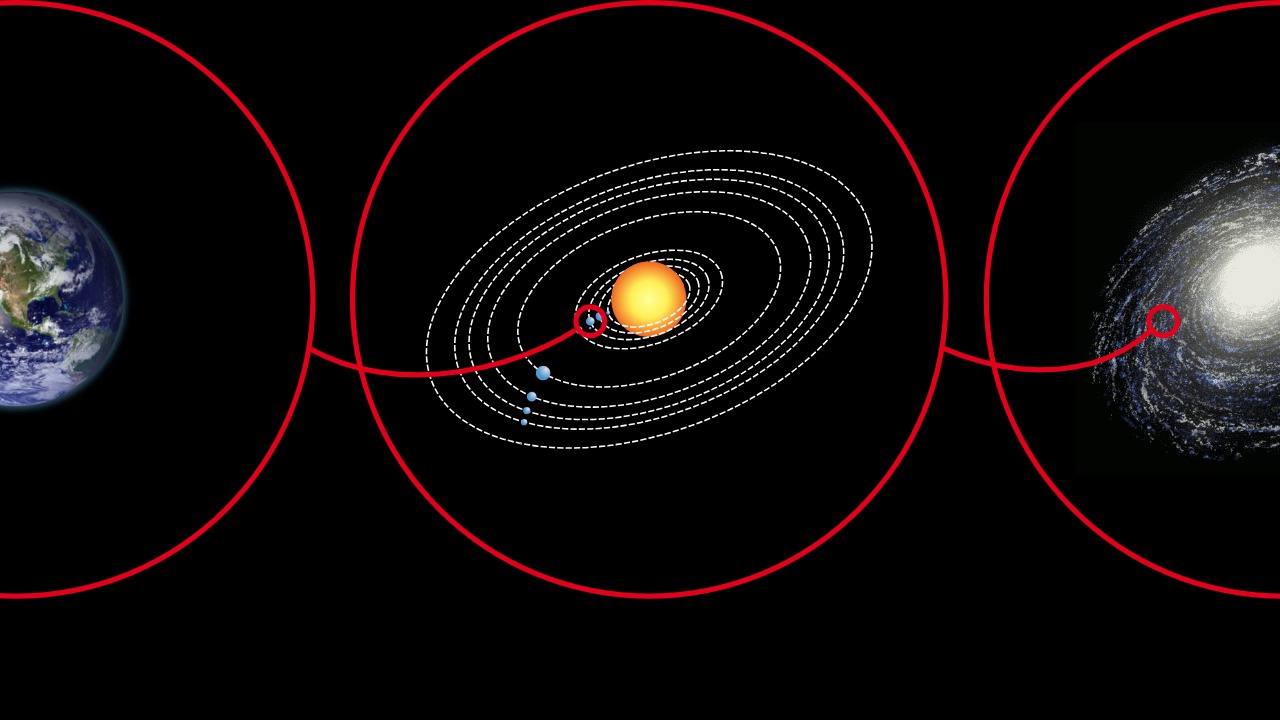
The Kardashev Scale, a method of measuring a civilization’s level of technological advancement based on its energy consumption, provides a framework for understanding how advanced alien civilizations might utilize black hole energy. A civilization capable of harnessing such energy would likely be classified as a Type II or even Type III civilization, indicating a level of technological sophistication far beyond our current capabilities.
This discovery could have significant implications for the Search for Extraterrestrial Intelligence (SETI). If advanced civilizations are indeed using black hole energy, detecting their energy signatures could provide evidence of their existence. This possibility adds a new dimension to SETI efforts, as scientists look for signs of advanced extraterrestrial life in the cosmos.
By studying hypothesized alien technologies, humanity can gain valuable insights and inspiration for future innovations. The technological parallels between our efforts to harness black hole energy and the potential capabilities of alien civilizations highlight the importance of continued research and exploration. These insights could drive future advancements in energy technology and space exploration.
Future Prospects and Research Directions

Ongoing research projects are focused on further understanding and developing methods for black hole energy harvesting. These projects involve collaborations between astrophysicists, engineers, and other scientists, emphasizing the interdisciplinary nature of this field. As research progresses, new discoveries and innovations are likely to emerge, bringing us closer to realizing the potential of black hole energy.
Interdisciplinary collaborations are essential for advancing the study of black hole energy. By bringing together experts from various fields, we can address the complex challenges associated with this technology and develop innovative solutions. These collaborations will be crucial in overcoming the technical and ethical hurdles that currently stand in the way of practical applications.
Looking to the future, the prospect of black hole energy becoming a viable reality offers a vision of a world with abundant, sustainable energy. As research continues and technology advances, the dream of harnessing the power of black holes may one day become a reality, transforming our approach to energy production and consumption.
