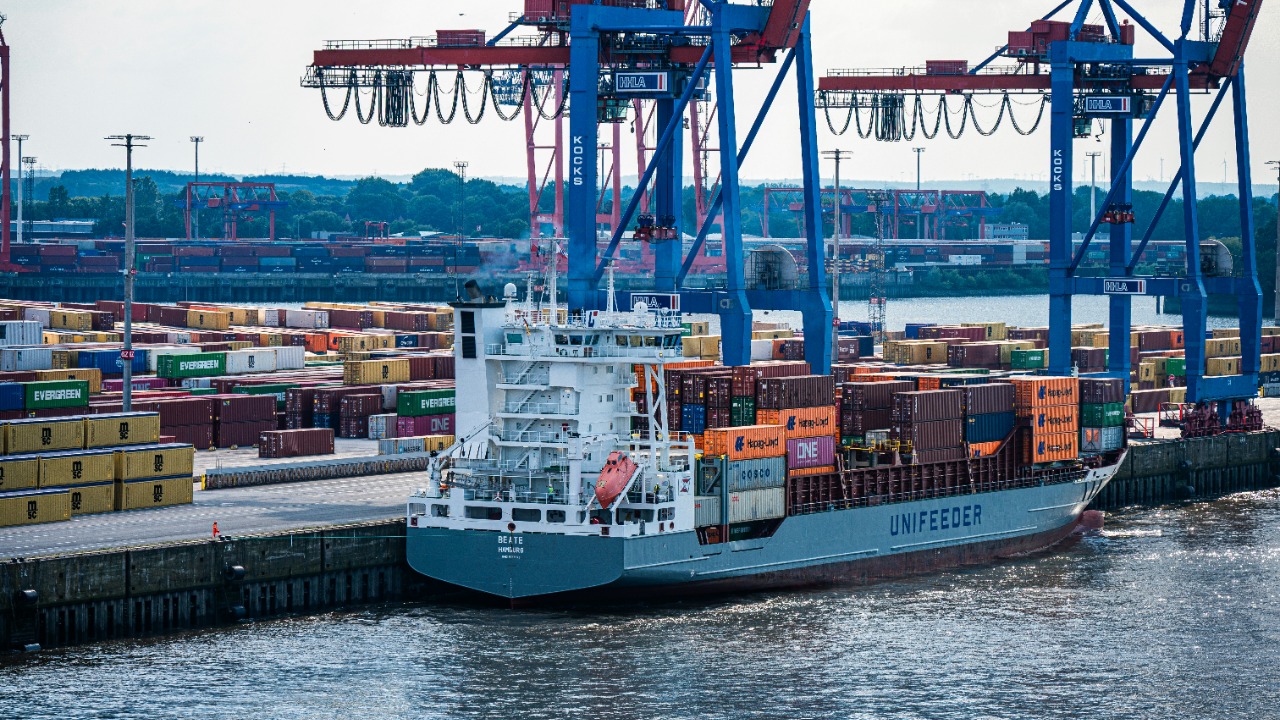

The global shipping industry, a vital cog in international trade, is facing unprecedented challenges. Recent advances in artificial intelligence (AI) have brought to light potential vulnerabilities in shipping routes, predicting their possible collapse. These predictions have significant implications for international trade, highlighting the critical role AI plays in foreseeing such disruptions.
AI’s Role in Analyzing Global Shipping Patterns

Machine learning algorithms are at the forefront of analyzing vast amounts of shipping data, enabling the identification of patterns and potential disruptions. By processing historical and real-time data, these algorithms can detect anomalies and predict future trends in shipping routes. This capability is crucial for anticipating disruptions that could arise from various factors, including natural disasters and logistical bottlenecks. For example, AI’s application in transportation has been explored in depth, showcasing its benefits and use cases in enhancing operational efficiency and decision-making processes. More details can be found in this article.
Predictive modeling, driven by AI, is employed to forecast changes in trade routes due to geopolitical tensions or economic shifts. These models use complex algorithms to simulate different scenarios, providing insights into how trade routes might evolve. This approach is particularly relevant in today’s volatile geopolitical climate, where trade policies can shift rapidly. The ability to predict such changes allows stakeholders to prepare and adapt their strategies accordingly, minimizing potential disruptions.
Real-time data processing is another critical aspect of AI’s role in shipping. By continuously analyzing data from various sources, AI systems can provide up-to-date insights into the stability of shipping routes. This capability enhances the accuracy of predictions, allowing for more informed decision-making. As the shipping industry becomes increasingly reliant on real-time information, the integration of AI in data processing becomes indispensable for maintaining route stability and efficiency.
Impact of Geopolitical Events on Shipping Routes

Geopolitical events, such as trade wars, have a profound impact on the stability and profitability of global shipping routes. The U.S.-China trade tensions serve as a prime example, where tariffs and counter-tariffs have led to significant disruptions in shipping patterns. According to a Reuters report, container shipping firms have had to adjust their services between Asia and the U.S. due to the collapse in trade caused by these tariffs.
Tariffs and sanctions can lead to drastic re-routing of shipping paths, incurring additional costs and delays. These economic measures force shipping companies to find alternative routes, often longer and more expensive, to bypass affected regions. This re-routing not only increases operational costs but also affects the timely delivery of goods, impacting businesses and consumers alike.
Political instability in key maritime regions further complicates global shipping logistics. Regions experiencing political turmoil often see disruptions in their ports and shipping lanes, leading to delays and increased risks for shipping companies. The unpredictability of such events necessitates a robust strategy to mitigate their impact on global trade, underscoring the importance of AI in providing predictive insights and adaptive solutions.
Economic Consequences of Shipping Route Disruptions

Disruptions in shipping routes contribute significantly to market volatility, affecting stock markets and global supply chains. The uncertainty surrounding trade routes can lead to fluctuations in stock prices, as investors react to potential delays and increased costs. A report highlights predictions of empty shelves and economic recession as a result of trade disruptions, illustrating the far-reaching consequences of unstable shipping routes.
Supply chain bottlenecks emerge as a direct consequence of inefficient or disrupted shipping routes. These bottlenecks can lead to shortages of essential goods, resulting in empty shelves and economic strain for businesses and consumers. The ripple effect of such disruptions can be felt across various industries, emphasizing the need for resilient supply chain strategies that can withstand unexpected challenges.
The cost implications for shipping companies are substantial, as rerouting and delay penalties increase operational expenses. These costs often trickle down to consumers, leading to higher prices for goods and services. The economic burden of disrupted shipping routes highlights the importance of developing strategies to minimize these impacts, ensuring the continued flow of global trade.
Environmental and Ecological Impacts
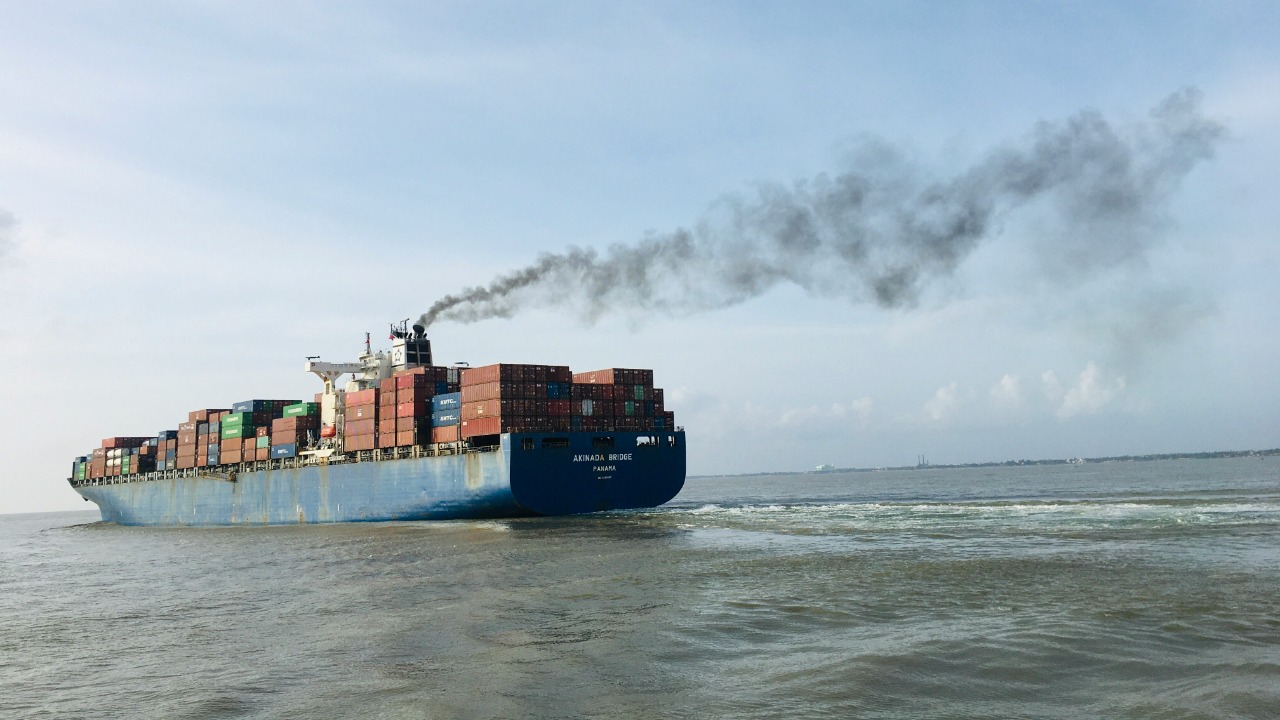
Rerouting and longer shipping times contribute to a higher carbon footprint, exacerbating environmental challenges. The increased fuel consumption associated with longer routes leads to higher emissions, impacting efforts to reduce the shipping industry’s environmental footprint. This issue underscores the need for sustainable solutions that balance economic and environmental considerations.
Altered shipping routes and increased maritime traffic can have significant ecological impacts on marine ecosystems. The introduction of shipping lanes in previously unaffected areas can disrupt local wildlife and habitats, posing a threat to biodiversity. A case study on AI sea ice forecasts for Arctic conservation highlights the importance of predictive models in understanding and mitigating such ecological impacts.
Efforts to create more sustainable and resilient shipping practices are underway, with innovations aimed at reducing the environmental impact of shipping. These efforts include the development of cleaner technologies and the implementation of policies that promote sustainable maritime practices. As the industry adapts to predicted route collapses, the focus on sustainability becomes increasingly critical.
Future of Global Shipping in the AI Era
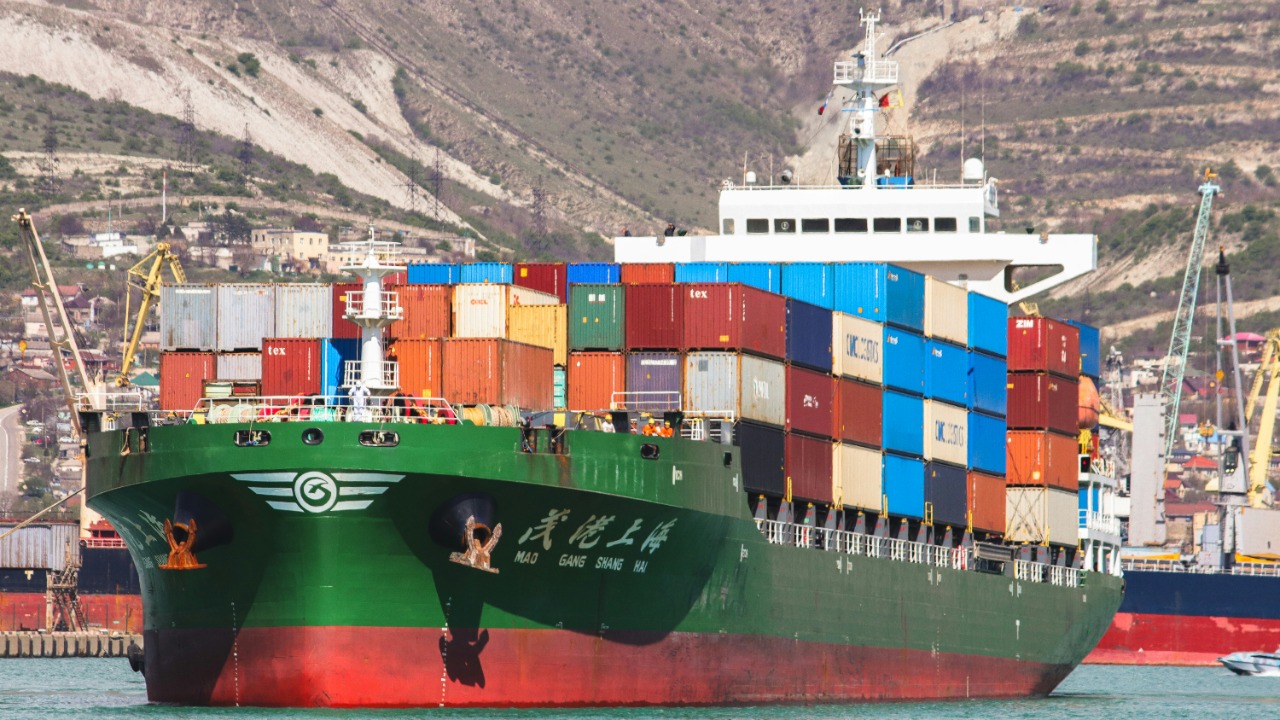
Technological innovations in AI offer promising solutions to predicted shipping route collapses, enhancing maritime trade resilience. Emerging technologies, such as autonomous ships and advanced logistics platforms, are poised to revolutionize the shipping industry. These innovations promise to improve efficiency, reduce costs, and enhance the adaptability of shipping operations in the face of disruptions.
International policy and regulatory frameworks play a crucial role in mitigating risks and fostering collaboration between nations to stabilize shipping routes. AI-generated trade policies, as discussed in this article, highlight the potential for AI to contribute to more effective and adaptive regulatory approaches. By leveraging AI insights, policymakers can develop strategies that address the complexities of global trade and shipping.
Building resilient shipping infrastructure is essential to withstand economic and geopolitical disruptions, ensuring the continued flow of global trade. Strategies focused on resilience include investing in infrastructure upgrades, diversifying trade routes, and enhancing supply chain flexibility. As the shipping industry navigates an increasingly complex landscape, the integration of AI and innovative technologies will be key to maintaining stability and growth.