

Recent investigations have uncovered alarming vulnerabilities in smart devices, which have been found transmitting unencrypted voice data over the internet. This revelation raises serious privacy concerns as it exposes sensitive personal information to potential interception by malicious entities. The issue highlights the urgent need for enhanced security measures and consumer awareness in the rapidly growing smart device market.
The Unveiling of Security Flaws
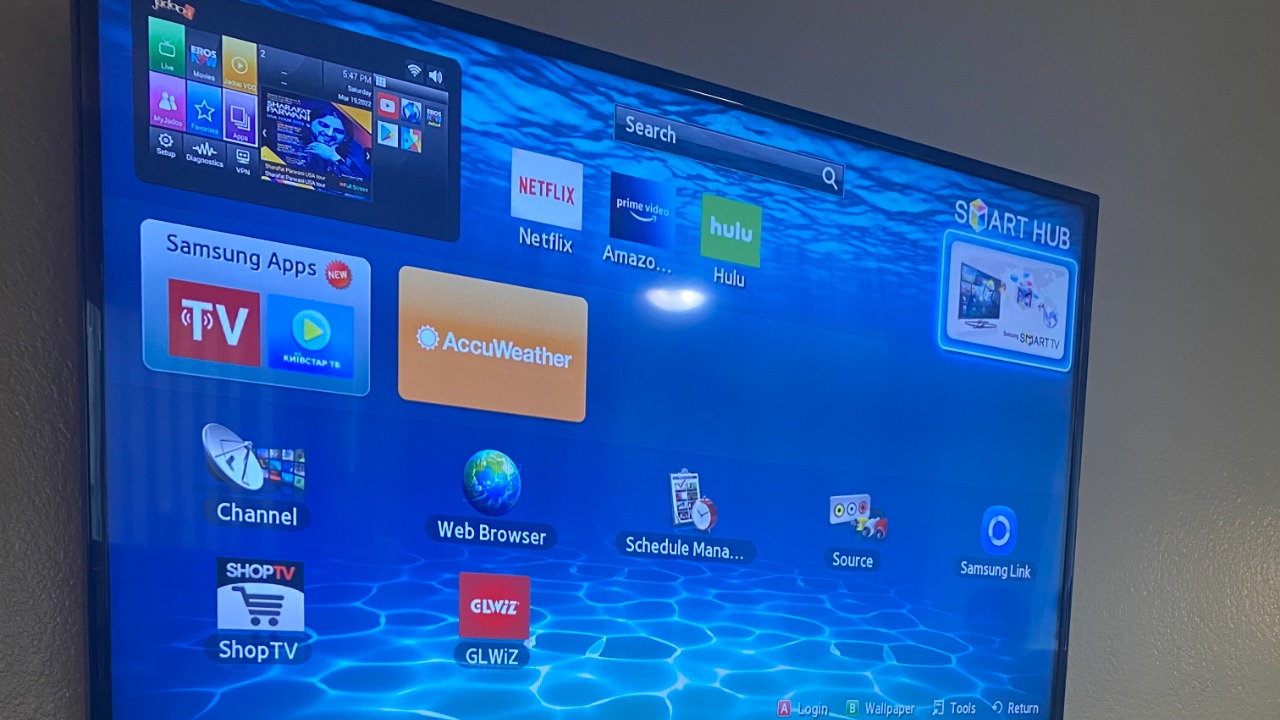
One of the most significant discoveries in recent years involves Samsung Smart TVs. These popular devices were found to be sending unencrypted voice data over the internet, as reported by The Guardian. This vulnerability means that any voice commands or conversations captured by the TV’s microphone could potentially be intercepted by unauthorized parties. The lack of encryption in such widely used devices underscores the broader issue of inadequate security measures in consumer electronics.
Similarly, Consumer Reports identified significant vulnerabilities in D-Link cameras. These devices, often used for home security, were found to transmit data without proper encryption, posing serious risks to user privacy. The findings emphasize the potential dangers of using devices that do not prioritize secure data transmission, leaving consumers vulnerable to data breaches and unauthorized surveillance.
Adding to the growing body of evidence, a 2023 study by UC San Diego revealed how widespread spyware and poor encryption practices affect consumer privacy. The study highlighted the ease with which hackers can exploit these weaknesses to access sensitive information. This research serves as a wake-up call for both manufacturers and consumers about the critical need for robust security protocols in smart devices.
The Implications for Consumer Privacy

The transmission of unencrypted voice data poses significant risks to consumer privacy. Hackers can intercept this data and use it for malicious purposes, such as identity theft or unauthorized surveillance. The lack of encryption effectively leaves a door open for cybercriminals to exploit, making it imperative for manufacturers to implement stronger security measures to protect their users.
These revelations have a profound impact on consumer trust. As more instances of data vulnerabilities come to light, consumers may become increasingly wary of smart device manufacturers and the broader Internet of Things (IoT) ecosystem. Trust is a crucial component of consumer relationships, and these security flaws could erode confidence in the technology that many have come to rely on in their daily lives.
Transparency plays a vital role in rebuilding consumer confidence. Companies must be open about their data handling practices and the steps they are taking to secure user information. By being transparent, manufacturers can demonstrate their commitment to protecting consumer privacy and begin to restore trust in their products.
Response from Industry and Manufacturers

In response to growing concerns, some manufacturers have taken steps to address encryption issues. For instance, Anker faced scrutiny over its Eufy security cameras, which were found to have encryption concerns. The company eventually addressed these issues, as reported by The Verge, by implementing stronger encryption protocols to ensure user data is protected.
Industry-wide, manufacturers are beginning to recognize the importance of improved data security and encryption. Some companies are investing in new technologies and practices to enhance the security of their devices. This shift is partly driven by consumer demand for better protection and partly by the need to comply with emerging regulatory standards.
Regulatory pressure is also playing a significant role in driving change. Governments around the world are considering stricter data security standards to protect consumers. These regulations could compel manufacturers to adopt more robust encryption measures and ensure compliance with best practices in data security.
Technological Advancements and Solutions

To address the vulnerabilities in smart devices, companies are introducing enhanced encryption measures. These technologies are designed to safeguard voice data and prevent unauthorized access. By implementing state-of-the-art encryption protocols, manufacturers can significantly reduce the risk of data breaches and protect consumer privacy.
One notable advancement is the introduction of new features in Android 15, which aims to protect users from rogue tracking devices known as “stingrays.” According to Android Authority, these features are designed to prevent data interception, offering users an additional layer of security. Such innovations highlight the ongoing efforts to enhance data protection in the face of evolving threats.
Looking to the future, emerging technologies hold the promise of further securing smart devices. Innovations in data security, such as advanced encryption algorithms and machine learning-based threat detection, could provide even greater protection for consumers. As these technologies continue to develop, they offer hope for a more secure digital landscape.
Educating Consumers and Best Practices
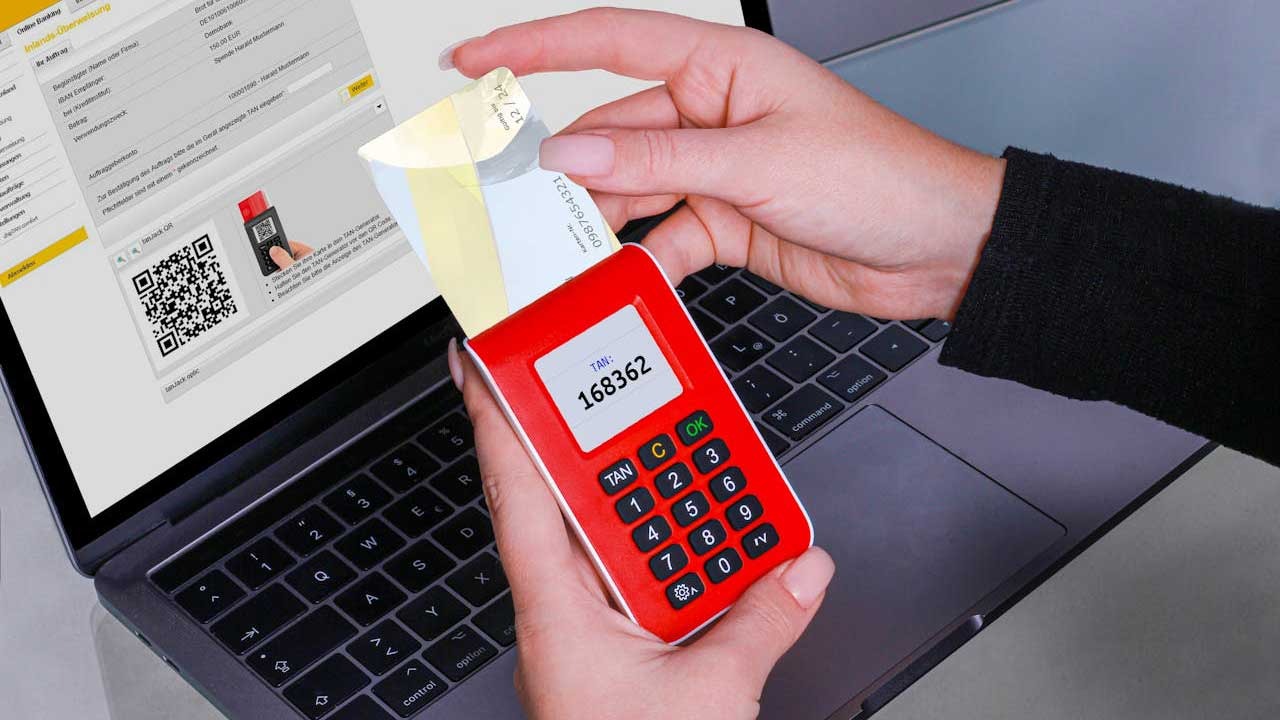
Educating consumers about the potential risks associated with smart devices is crucial. By raising awareness of the vulnerabilities and encouraging safer usage practices, consumers can take proactive steps to protect their data. This includes understanding the importance of encryption and choosing devices that prioritize security.
Consumers can enhance the security of their smart devices by following best practices. This includes regularly updating device software, using strong passwords, and enabling two-factor authentication where available. Additionally, consumers should be cautious about the permissions they grant to apps and devices, ensuring that only necessary data is shared.
The media plays a vital role in raising awareness about these issues. Through comprehensive coverage of security vulnerabilities and industry responses, the media can influence public perception and drive demand for better security measures in smart devices. By keeping these issues in the spotlight, the media can help ensure that consumer privacy remains a priority for manufacturers and regulators alike.