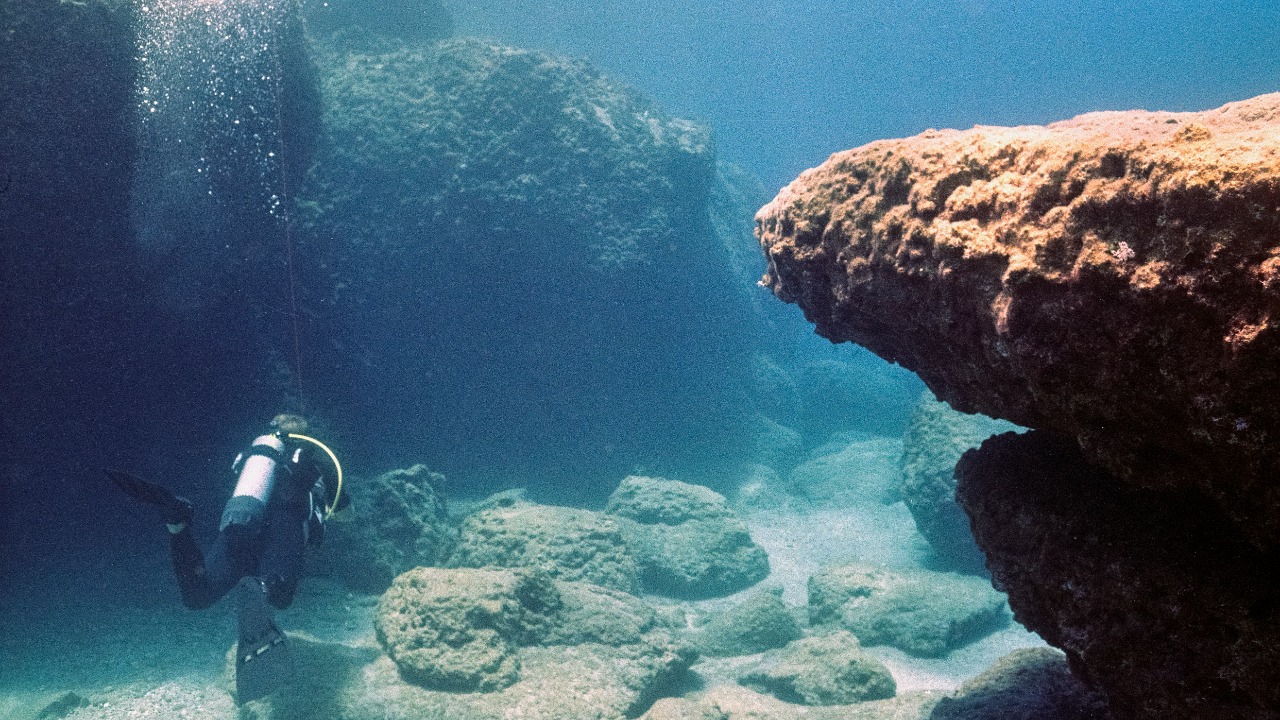

The recent unearthing of an ancient city submerged near the Mediterranean coast has stirred excitement and curiosity among archaeologists and history enthusiasts alike. The discovery offers a unique glimpse into the past, revealing the mysteries of a civilization lost to time and the relentless tide of the sea. Source: history.com/underwater ancient cities.
Unraveling the Mysteries of the Lost City
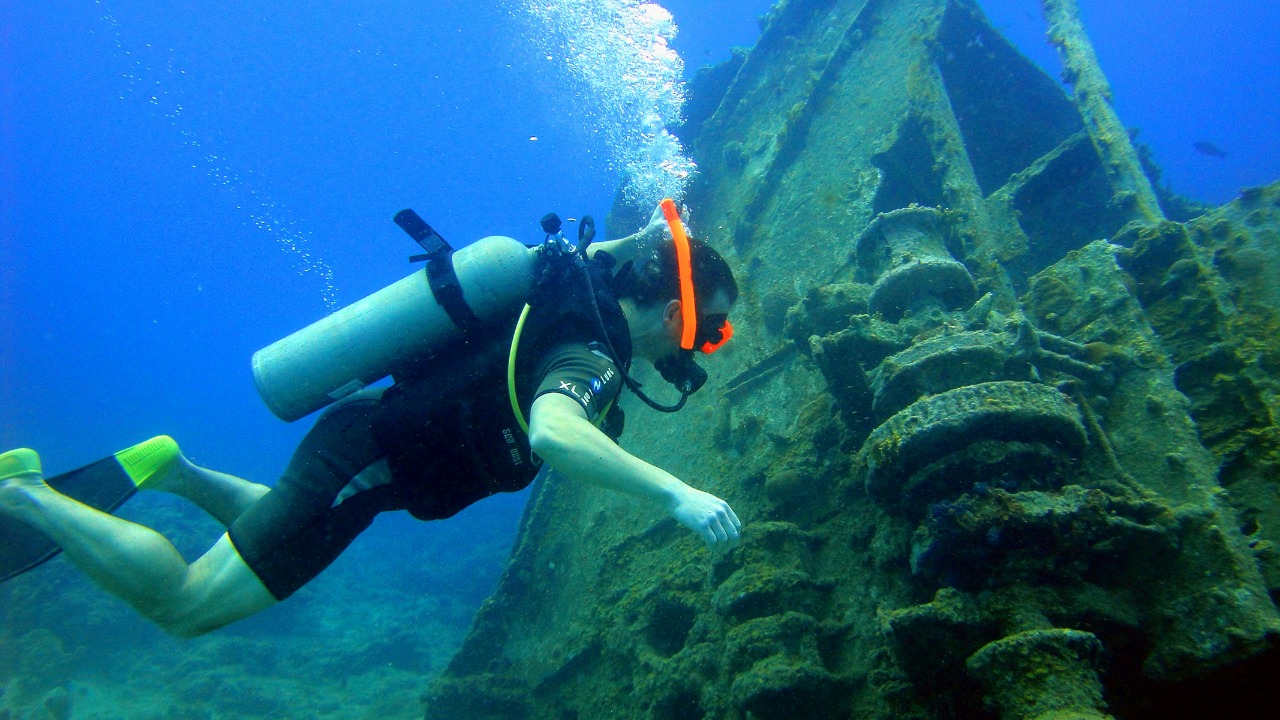
The city, believed to be of significant historical importance, was a bustling hub in antiquity. Its strategic location near the Mediterranean coast made it a crucial center for trade and cultural exchange. However, the exact circumstances that led to the city’s submersion remain a subject of speculation among historians and archaeologists. Some theories suggest natural disasters such as earthquakes or tsunamis, while others propose gradual sea-level rise over centuries.
Adding to the allure of the discovery are the numerous myths and legends associated with the city. Tales of its grandeur and prosperity have been passed down through generations, fueling the intrigue and fascination surrounding its existence. The city’s rediscovery has provided a tangible link to these stories, bringing them out of the realm of folklore and into the light of historical fact.
The Discovery and Excavation Process

The initial discovery of the underwater city was made by a team of archaeologists conducting a survey of the Mediterranean seabed. The team was astounded to find architectural remnants and artifacts indicative of an ancient civilization. The excavation process, however, was fraught with challenges. The underwater environment posed significant logistical difficulties, and the delicate nature of the artifacts required careful handling to prevent damage.
Despite these challenges, the team was able to recover a wealth of artifacts, including a 2,000-year-old headless statue. These findings offer invaluable insights into the city’s history and the lives of its inhabitants. Each artifact serves as a tangible piece of the past, shedding light on the city’s culture, economy, and societal structure.
Role of Modern Technology in Underwater Archaeology

The discovery and excavation of the underwater city would not have been possible without the aid of modern technology. Sonar mapping played a crucial role in the initial discovery, allowing the team to detect anomalies on the seabed that indicated the presence of man-made structures. This technology, coupled with advanced imaging techniques, enabled the archaeologists to navigate the challenging underwater environment and locate the city’s remnants.
Furthermore, 3D modeling was instrumental in understanding the layout and structure of the city. By creating a virtual representation of the city, archaeologists were able to analyze its design and infrastructure, providing insights into the city’s urban planning and architectural styles. This technology also plays a vital role in the preservation and study of the recovered artifacts, allowing for detailed examination and analysis without the risk of physical damage.
The Rediscovered City and Its Connection to Alexandria

The underwater city’s historical ties to Alexandria, one of the most significant cities in ancient history, have been a focal point of the investigation. Alexandria was renowned for its intellectual and cultural influence, and the discovery of the submerged city provides a new perspective on its historical landscape. The findings also suggest a link to Canopus, a city mentioned in ancient Greek and Roman texts, further enriching our understanding of the region’s history.
According to recent reports, the artifacts recovered from the underwater city bear striking similarities to those found in Canopus, supporting the theory of a historical connection. These findings have significant implications for our understanding of ancient Mediterranean civilizations, offering a fresh perspective on their societal structures, cultural practices, and historical narratives.
Implications and Future Directions for Underwater Archaeology

The discovery of the underwater city underscores the potential of underwater archaeology in uncovering lost histories and civilizations. It serves as a testament to the wealth of historical knowledge that lies beneath the sea, waiting to be discovered. The findings also highlight the importance of technological advancements in facilitating these discoveries and enhancing our understanding of the past.
Looking forward, the discovery is likely to inspire further archaeological expeditions and studies. However, it also presents new challenges, particularly in terms of preserving underwater archaeological sites and managing their potential as tourist attractions. Balancing the need for preservation with the desire for public engagement will be a key consideration in the future of underwater archaeology.