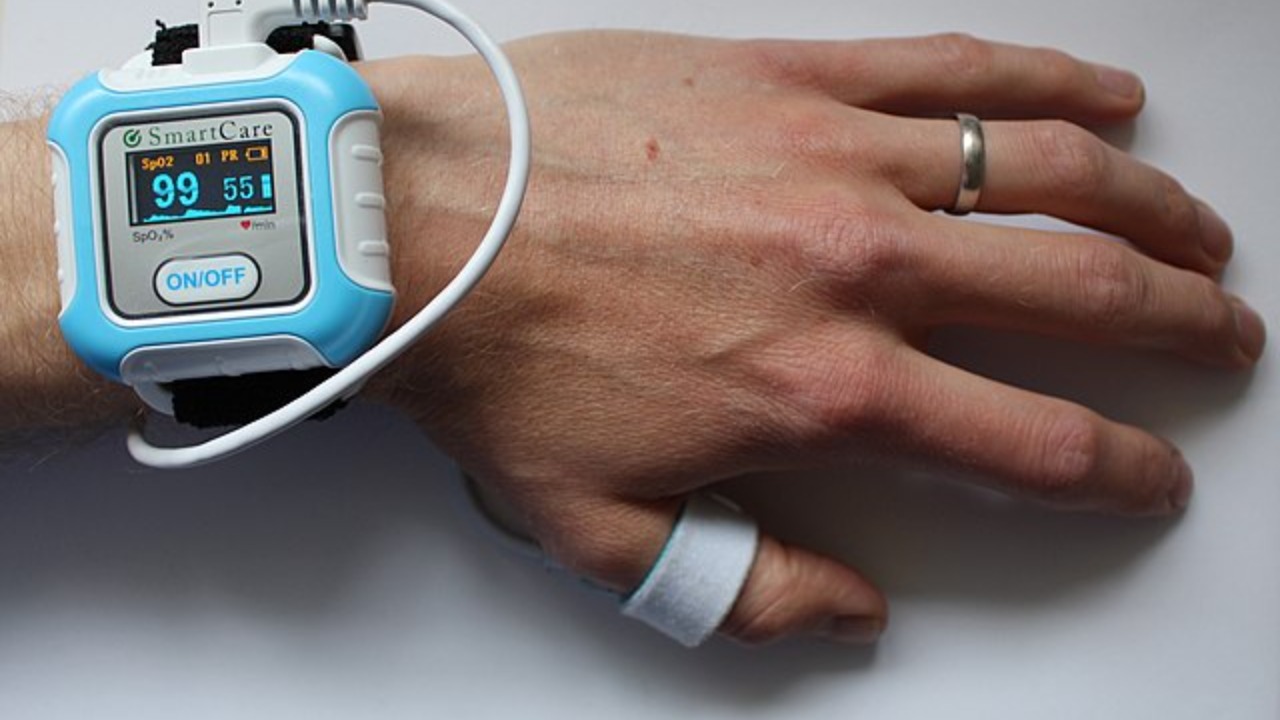

Wearable technology has evolved beyond fitness tracking and health monitoring. Today, these devices are venturing into the realm of emotion recognition, quietly scanning users’ emotional states. This development opens up a new frontier in understanding human emotions and their impact on our well-being.
I. Exploring the Science Behind Wearables and Emotion Recognition
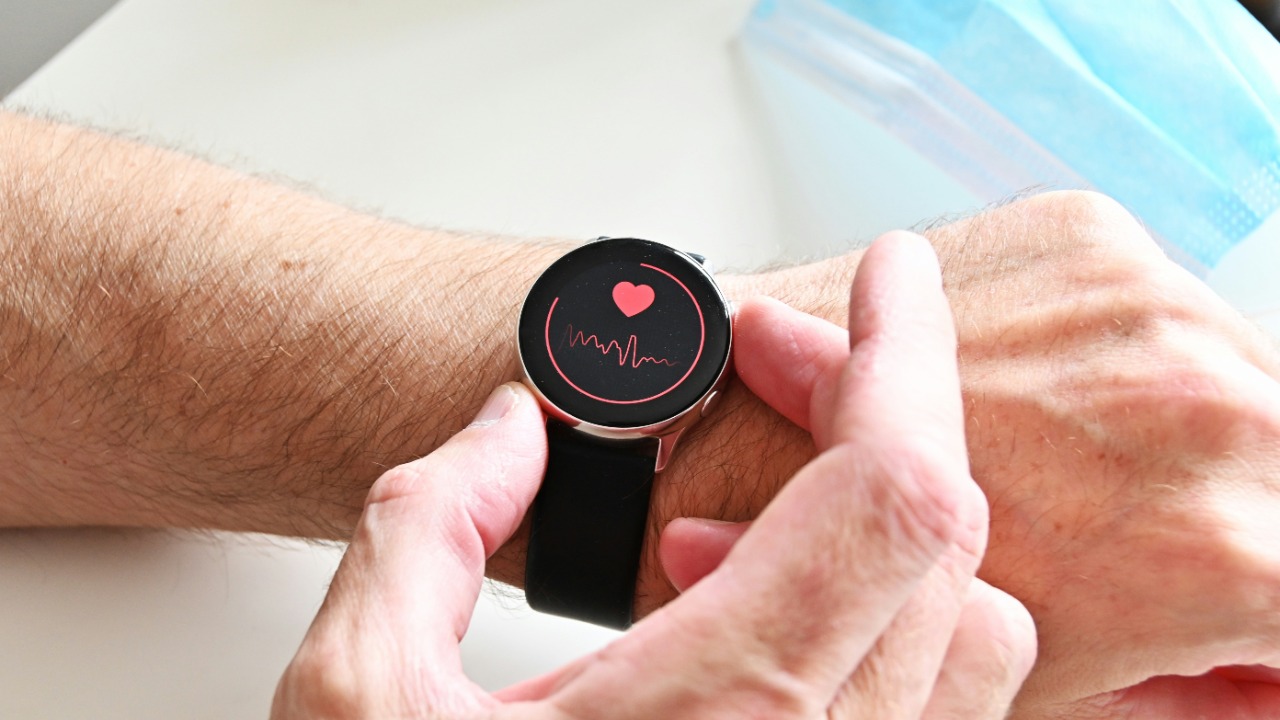
Emotion recognition technology in wearables is based on the principle of psychophysiology, the study of how our bodies respond to emotions. These responses can be measured through various physiological signals such as heart rate, skin temperature, and galvanic skin response. Wearables equipped with sensors can detect these subtle changes and, with the help of algorithms, interpret them as specific emotional states.
For instance, an increase in heart rate and skin temperature could indicate stress or excitement. On the other hand, a decrease in these parameters might suggest relaxation or boredom. The science behind this technology is continually evolving, with researchers exploring more sophisticated methods of emotion detection.
II. A Glimpse into Different Types of Wearables Scanning Emotional States
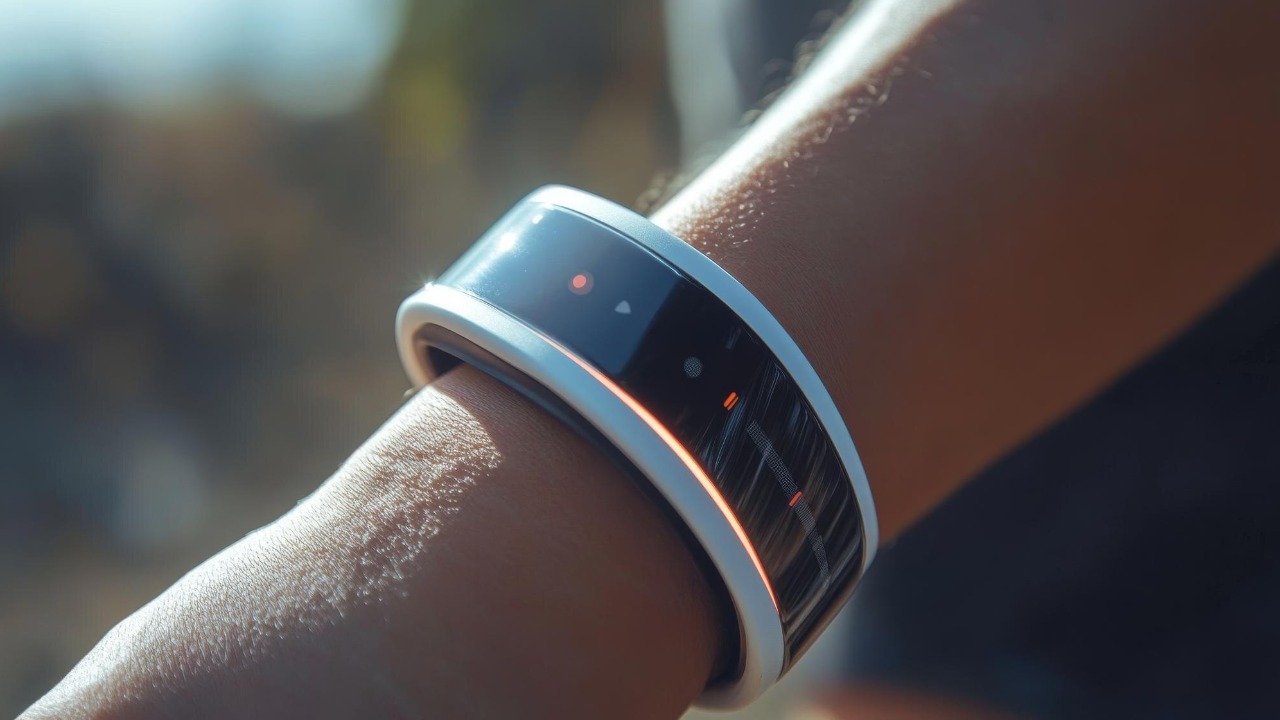
Several wearables on the market are designed to monitor emotional states. The Feel wristband, for example, uses four sensors to track skin temperature, perspiration, heart rate, and movement. It then uses this data to infer the wearer’s emotional state throughout the day. Similarly, the Moodbeam wristband allows users to log their moods manually, providing insights into their emotional patterns over time.
Other devices like the Muse headband and the Embrace2 watch go a step further. They monitor brain activity and physiological stress signals, respectively, providing a more comprehensive picture of the wearer’s emotional state.
III. The Role of AI in Interpreting Emotional Cues from Wearables

Artificial Intelligence (AI) plays a crucial role in interpreting the data collected by wearables. Machine learning algorithms are trained to recognize patterns in the physiological data and associate them with specific emotions. Over time, these algorithms can learn from the user’s responses and become more accurate in predicting their emotional states.
AI also enables real-time processing of data, allowing the wearable to provide immediate feedback to the user. This can be particularly useful in managing stress or anxiety, as the user can take immediate action to alleviate their emotional distress.
IV. The Potential Benefits and Applications of Emotion-Scanning Wearables

Emotion-scanning wearables have a wide range of potential applications. In healthcare, they can be used to monitor patients with mental health conditions, providing valuable data to healthcare providers. In the workplace, they can help employers understand employee stress levels and improve working conditions.
These devices can also be used in personal development, helping individuals understand their emotional patterns and triggers. This can lead to improved emotional intelligence and better stress management. Furthermore, they can enhance user experiences in gaming and virtual reality by adapting the environment based on the user’s emotional state.
V. The Ethical Considerations and Privacy Concerns Related to Emotion-Tracking Wearables

While emotion-tracking wearables offer many benefits, they also raise significant ethical and privacy concerns. The collection of sensitive emotional data could lead to misuse or exploitation if not properly protected. Users must be fully informed about what data is collected, how it is used, and who has access to it.
Moreover, the accuracy of emotion recognition technology is not foolproof, and there is a risk of misinterpretation. This could have serious implications, especially in healthcare or legal settings. Therefore, it’s crucial to continue refining the technology and establishing robust ethical guidelines for its use.