
In a recent development that has sparked both intrigue and excitement, astronomers have detected mysterious flashes in the cosmos that bear an uncanny resemblance to patterns of interstellar communication. This discovery, unlike anything we’ve seen before, has the scientific community buzzing with speculation and anticipation.
The Mysterious Flashes: An Overview
The detected flashes are characterized by their peculiar pattern and frequency. They have been observed to flash signals at Earth every 44 minutes, a rhythmic consistency that is both baffling and intriguing to astronomers. The flashes are not only regular but also intense, making them stand out against the cosmic background. This discovery was first reported by a group of astronomers who were studying the cosmos for unusual activity. The first detection of these flashes was made in May 2025, as reported by New York Post and Live Science.
Past Observations and Comparisons
While this is not the first time astronomers have detected flashes in the cosmos, the current phenomenon stands out due to its unique characteristics. In the past, similar flashes have been attributed to natural astronomical phenomena such as pulsars and quasars. However, the regularity and intensity of these new flashes set them apart from previous instances. Furthermore, the pattern of these flashes is unlike any natural phenomena we’ve observed before, leading to speculation about their origin.
For instance, a NASA veteran reported an incomprehensible signal from a star close to us in May 2025, as reported by Universe Magazine. However, the signal was not as regular or intense as the current flashes, making this new discovery all the more intriguing.
Potential Explanations for the Flashes
Several theories have been proposed to explain these mysterious flashes. Some scientists believe they could be a new type of natural astronomical phenomena yet to be fully understood. Others, however, are entertaining the possibility that these flashes could be a form of communication from an advanced extraterrestrial civilization. This theory, while speculative, is not entirely baseless. In 2020, astronomers suggested that there could be as many as 36 communicating extraterrestrial civilizations in the Milky Way, as reported by Sci News.
Another theory suggests that these flashes could be laser beams from an alien civilization. In 2019, scientists proposed a method to detect such laser beams, as reported by Space.com. While this theory is still speculative, the regularity and intensity of the flashes make it a possibility worth considering.
The Search for Extraterrestrial Intelligence (SETI)
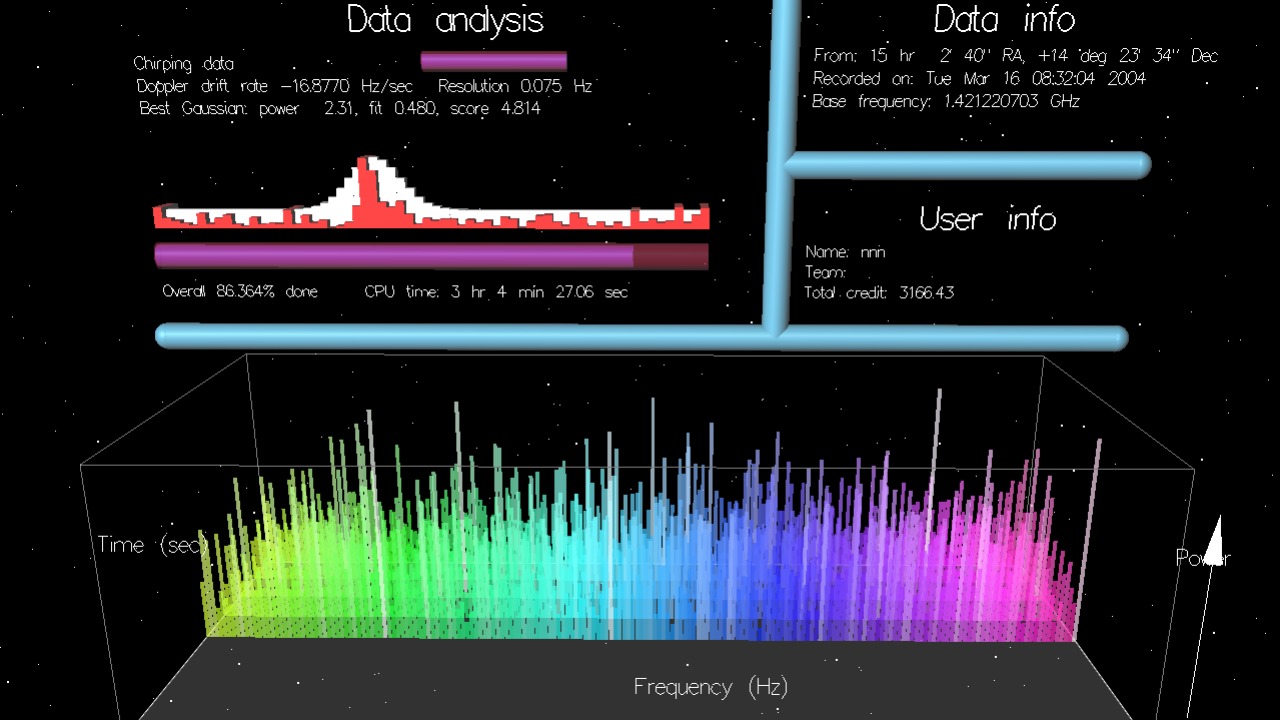
The Search for Extraterrestrial Intelligence (SETI) has played a crucial role in the detection and analysis of these flashes. SETI’s advanced technologies and research capabilities have enabled astronomers to detect and study these flashes in detail. The organization has been at the forefront of the search for extraterrestrial life, and this discovery could potentially be a significant breakthrough in their research.
SETI’s response to the discovery has been one of cautious excitement. While they acknowledge the potential implications of the flashes, they also emphasize the need for further research to fully understand them. SETI plans to continue monitoring the flashes and conduct more in-depth analysis to determine their origin and nature.
Implications and Next Steps

The discovery of these flashes could have profound implications for our understanding of the universe and potential extraterrestrial life. If these flashes are indeed a form of interstellar communication, it could fundamentally change our perception of our place in the cosmos. It could also open up new avenues for research and exploration in the field of astronomy.
As for the next steps, astronomers plan to continue monitoring the flashes and conduct more detailed analysis. Collaborations between different astronomical organizations are also being considered to pool resources and expertise. While the mystery of the flashes is yet to be unraveled, the journey towards understanding them promises to be an exciting one.