

Artificial Intelligence (AI) stands accused of manipulating election content, sparking significant controversy and prompting a reevaluation of democratic processes. This issue has manifested in various instances, carries profound implications, and necessitates urgent solutions. Source: bbc.com/cx2dpj485nno.
Instances of AI Manipulation in Recent Elections
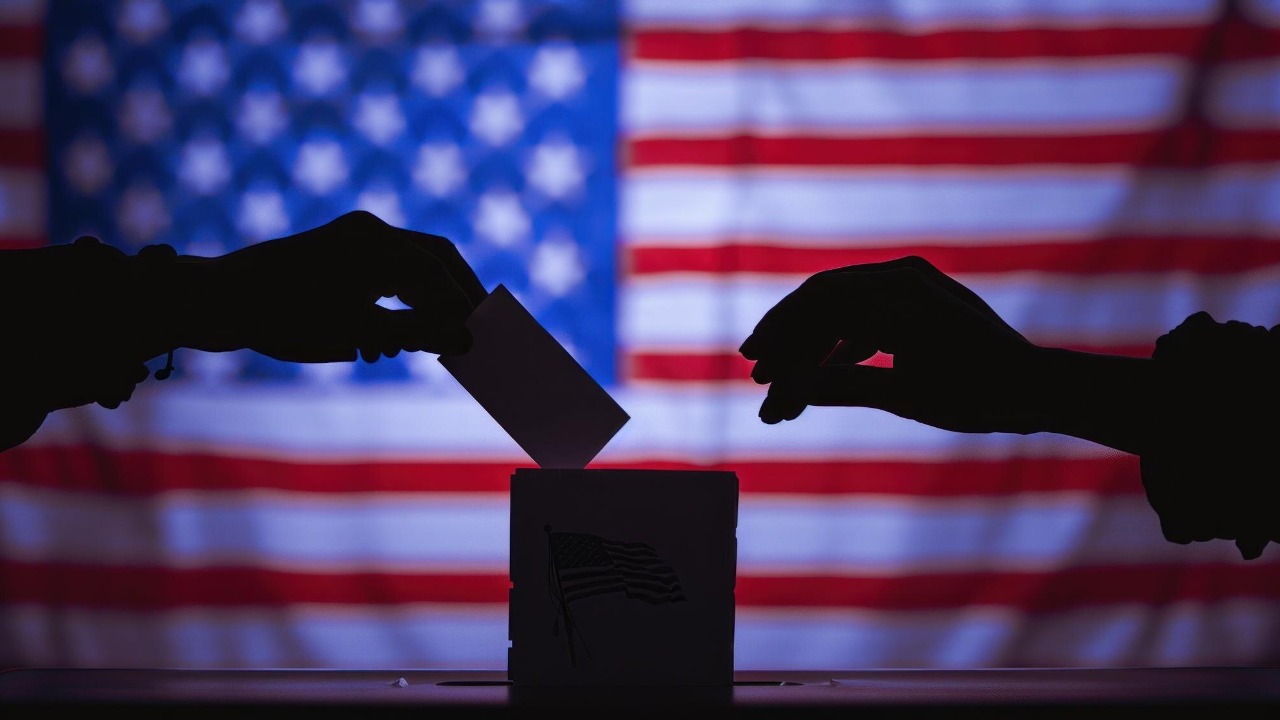
Recent elections have seen an alarming rise in AI-driven manipulation. A notable instance occurred during the German elections, where AI-generated content was reportedly used to manipulate the electoral process. According to a report by Byline Times, foreign actors successfully employed AI to sway the election outcomes. The specifics of this manipulation remain undisclosed, but the incident underscores the potential for AI to disrupt democratic processes.
Another case emerged in New York City, where mayoral candidate Zohran Mamdani faced accusations of using AI to fake Spanish fluency. The NY Post reported that critics claimed Mamdani used AI technology to appeal to Spanish-speaking voters, a charge the candidate vehemently denied. These instances highlight the growing concern over AI’s role in election manipulation.
The Role of Social Media in AI Election Manipulation

Social media platforms have become a significant conduit for AI-driven election manipulation. The SAIS Review discusses how social media, disinformation, and AI transformed the landscape of the 2024 U.S. Presidential political campaigns. These platforms, with their vast user bases and algorithm-driven content distribution, provide an ideal environment for AI to disseminate manipulated content.
AI’s ability to generate realistic, persuasive content, combined with social media’s reach, can significantly influence public opinion. This combination has the potential to distort the democratic process, as voters may base their decisions on manipulated information. The role of social media in AI election manipulation is a growing concern that requires immediate attention and action.
The Implications of AI in Election Manipulation

The use of AI in election manipulation carries significant implications for the democratic process. By distorting the information landscape, AI can influence voter behavior and potentially alter election outcomes. This manipulation undermines the principle of informed voting, a cornerstone of democratic societies.
Moreover, the long-term effects of AI manipulation could erode public trust and faith in democratic institutions. If voters believe that election outcomes are influenced by AI manipulation, they may question the legitimacy of these outcomes. This erosion of trust could lead to decreased voter participation and increased political instability.
Expert Opinions and Legal Matters

Experts have voiced concerns about AI manipulation in elections. Jeff Hancock, a misinformation expert, was involved in a court case regarding AI manipulation, as reported by the Stanford Daily. Although the specifics of Hancock’s court declaration are not available, his involvement underscores the seriousness of the issue and its potential legal implications.
The legal implications of AI manipulating election content are complex and far-reaching. Laws regulating AI use in elections are still in their infancy, and the rapid advancement of AI technology often outpaces legal frameworks. Potential measures to prevent AI manipulation could include stricter regulations on AI use in political campaigns and enhanced transparency requirements for AI-generated content.
Possible Solutions and Future Prevention Methods

Addressing AI manipulation in elections requires a multi-faceted approach. Potential solutions could include technological measures, such as developing AI systems that can detect and flag manipulated content. Policymakers could also implement stricter regulations on the use of AI in political campaigns, including transparency requirements for AI-generated content.
Moreover, AI can also be used positively in elections. For instance, AI could help monitor online platforms for disinformation, identify patterns of manipulation, and provide voters with accurate information. By harnessing the power of AI for good, we can counterbalance its negative use and protect the integrity of our democratic processes.