

In a recent breakthrough that has left the scientific community astounded, researchers have managed to create a stable ring of plasma in a laboratory setting. This unprecedented achievement could have profound implications for our understanding of natural phenomena and the future of energy production.
The Experiment

The experiment involved a complex setup, employing advanced tools and methods to achieve the desired outcome. The objective was to create a stable plasma ring, a feat that has never been accomplished before. Plasma, the fourth state of matter, is notoriously difficult to control due to its high energy and erratic behavior. However, the researchers were able to harness its power and create a stable ring, much to their surprise.
The stability of the plasma ring was unexpected. Scientists were initially taken aback by the result, as previous attempts at creating stable plasma had been unsuccessful. The ring maintained its form for a significant period, defying the inherent instability of plasma. This unexpected outcome has opened up new avenues of research and potential applications in various fields.
The Significance of the Discovery
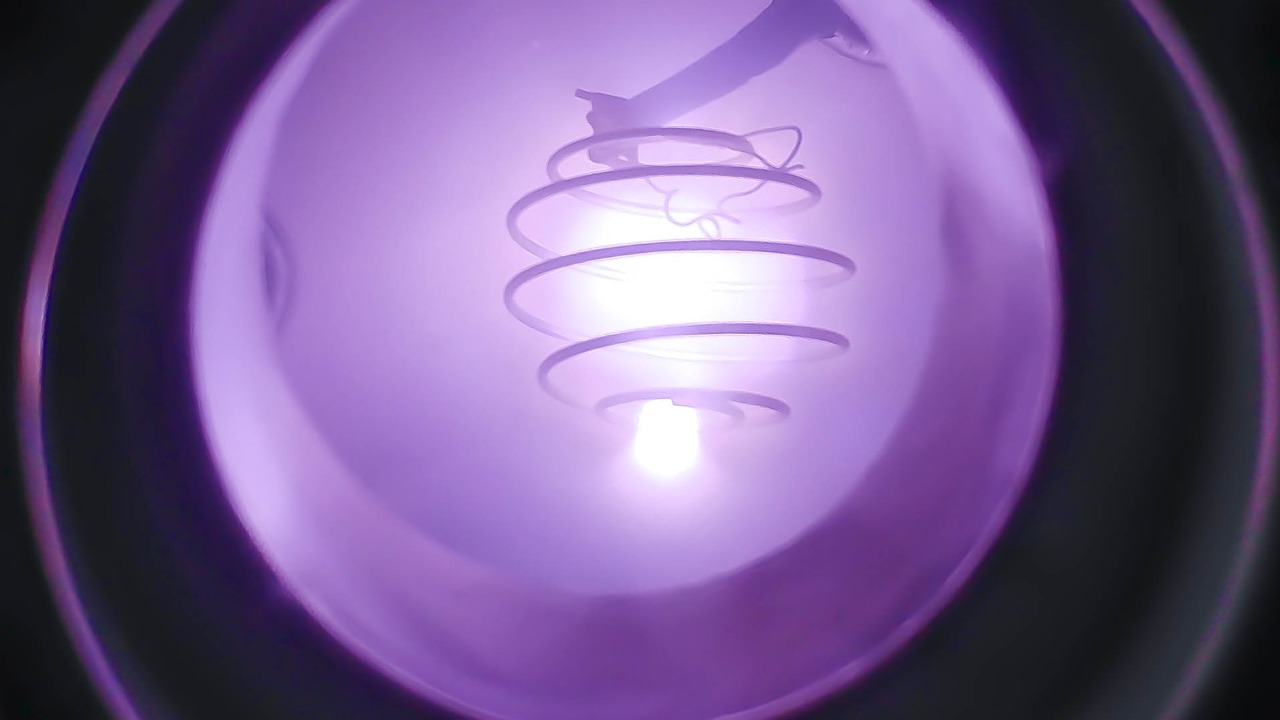
This discovery has far-reaching implications for our understanding of natural phenomena. Plasma is a key component of many natural occurrences, such as auroras and lightning. By creating a stable plasma ring, scientists can study these phenomena in a controlled environment, potentially leading to new insights and discoveries. For instance, the process behind the mesmerizing weather phenomenon recreated in a lab, as reported by Newsweek, could be better understood with this breakthrough.
Moreover, the potential applications of this discovery in the field of energy production are immense. Specifically, it could revolutionize nuclear fusion, a process that relies heavily on plasma. The ability to create and control stable plasma could lead to more efficient and sustainable energy production methods. Furthermore, this discovery could play a significant role in furthering our knowledge about space weather and its effects on Earth, given that plasma is a major component of the solar wind.
How This Discovery Relates to Previous Research
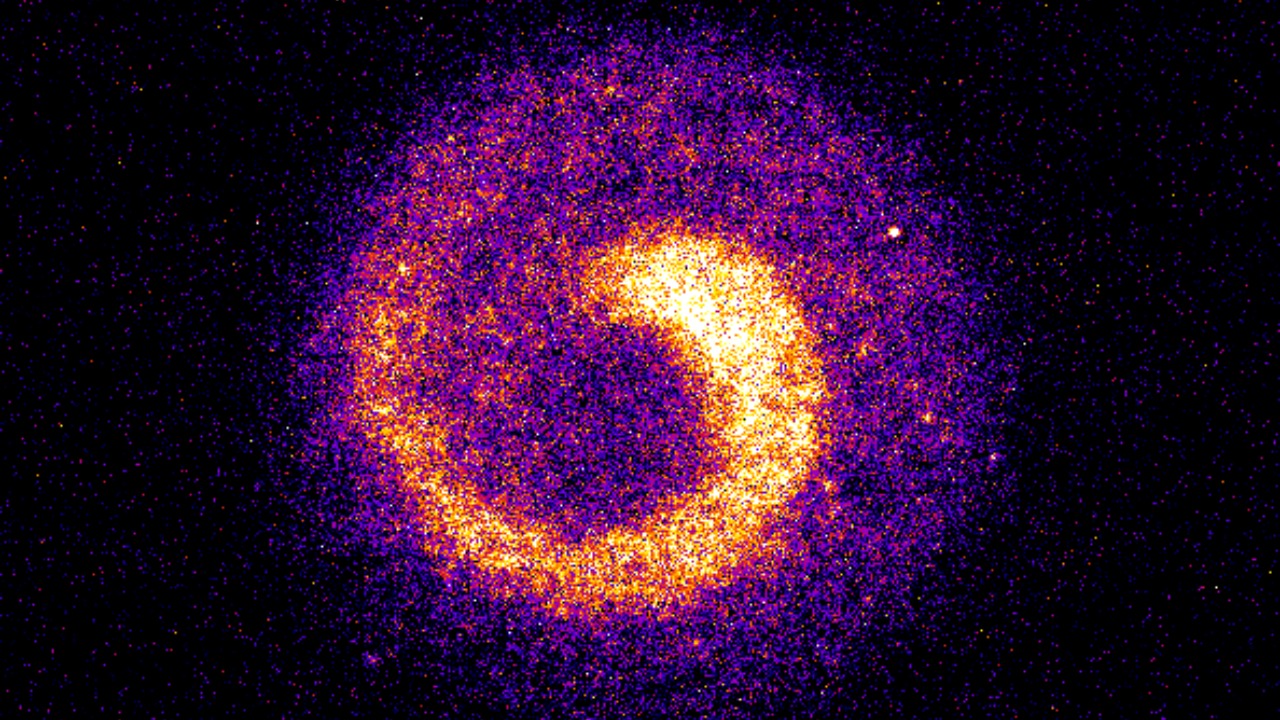
Compared to previous research on plasma, this experiment and its results represent a significant leap forward. Previous attempts to create stable plasma have been fraught with challenges, primarily due to the high energy and instability of plasma. However, this discovery has shown that it is indeed possible to create a stable plasma ring, thereby overcoming one of the biggest obstacles in plasma research.
This discovery builds upon and enhances our current understanding of plasma physics. It provides a tangible example of stable plasma, something that was previously thought to be unachievable. This could lead to a paradigm shift in the field, prompting researchers to rethink their approach to plasma and explore new possibilities.
The Future of Plasma Research
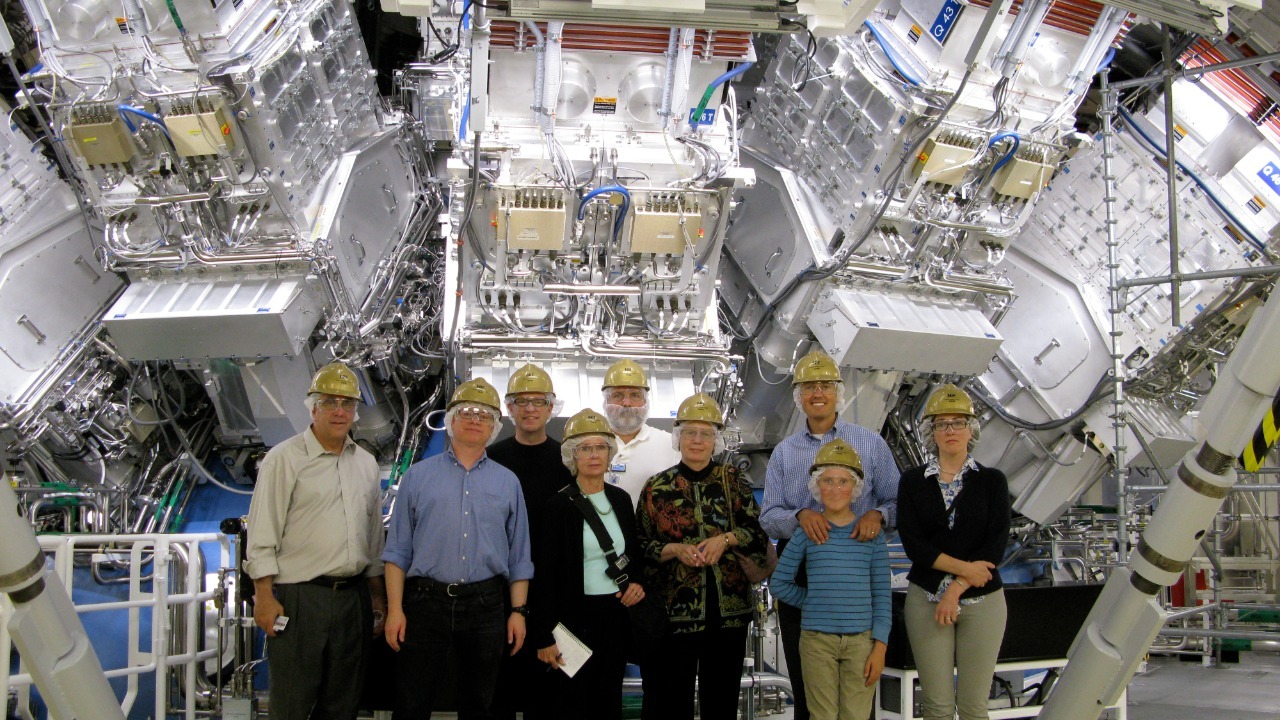
This discovery could pave the way for future research in plasma physics. With the ability to create a stable plasma ring, scientists can now conduct more advanced and detailed studies on plasma. This could lead to new discoveries and advancements in the field, further expanding our knowledge of this fascinating state of matter.
Moreover, this discovery could lead to advancements in technology. For instance, it could contribute to the development of more efficient and sustainable energy production methods, particularly in the field of nuclear fusion. Additionally, it could open up new research directions in other related scientific fields, such as astrophysics and meteorology, where plasma plays a crucial role.
Public Reaction and Impact

The public’s reaction to this discovery has been overwhelmingly positive. The scientific community has lauded the achievement, recognizing its potential to revolutionize various fields. Popular media outlets have also covered the story extensively, highlighting its significance and potential implications.
This discovery could have a significant impact on public understanding of science. It provides a tangible example of scientific progress, demonstrating how researchers are continually pushing the boundaries of what is possible. Furthermore, it could influence future funding and support for plasma research, given its potential applications in various fields, including energy production and space weather prediction.