

With the rise of smart technology, privacy concerns are becoming increasingly prevalent. Smart TVs, equipped with always-on microphones, are now under scrutiny for potentially uploading private conversations to cloud servers. This development raises significant questions about consumer privacy and the steps that can be taken to protect personal data in an era of interconnected devices.
Understanding Smart TV Technology
How Smart TVs Work
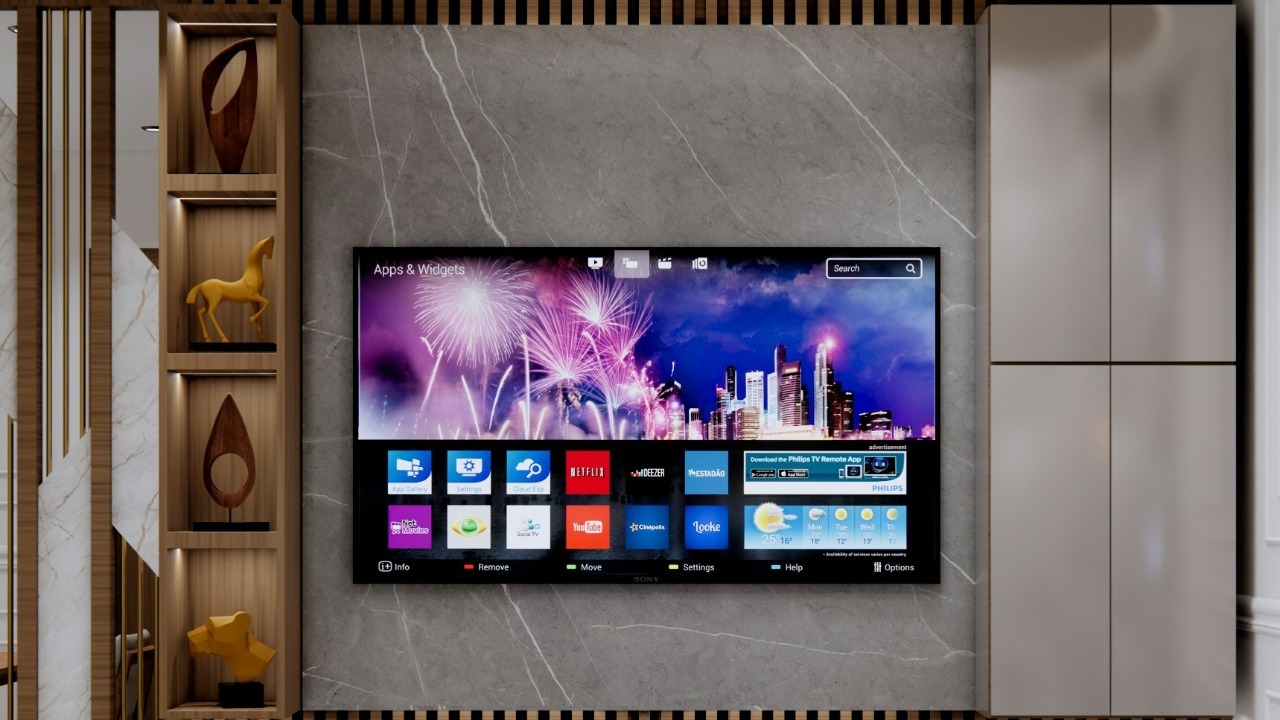
Smart TVs have revolutionized the way we consume media, integrating internet connectivity with traditional television viewing. These devices allow users to stream content from platforms like Netflix and Hulu, browse the web, and even use voice commands to control their TV. The integration of microphones is a key feature that enhances user experience by enabling voice-activated commands, making it easier for users to search for content or adjust settings without needing a remote control.
However, the convenience of voice commands comes with a trade-off. The microphones in smart TVs are often always-on, meaning they are constantly listening for activation phrases. This functionality, while designed to improve user interaction, has sparked concerns about the potential for these devices to capture and transmit private conversations inadvertently.
The Role of Cloud Servers
Cloud servers play a crucial role in the functionality of smart TVs. These servers are used by manufacturers to store data, provide software updates, and deliver personalized content to users. The use of cloud storage allows smart TVs to offer a seamless and dynamic viewing experience, as updates and new features can be rolled out without requiring physical changes to the hardware.
Despite these benefits, the reliance on cloud servers also introduces privacy risks. Data transmitted to the cloud can include sensitive information, and if not properly secured, it may be vulnerable to unauthorized access. This has led to growing concerns about how manufacturers handle and protect user data, especially in light of recent privacy breaches and hacking incidents.
Privacy Concerns and Risks

Always-On Microphones
The presence of always-on microphones in smart TVs has raised significant privacy concerns. These microphones are designed to capture voice commands, but they can also inadvertently record private conversations. This issue has been highlighted in various reports, including a recent article on WebProNews, which discusses the fears surrounding eavesdropping and unauthorized data collection.
Instances of privacy breaches have further fueled consumer fears. For example, there have been reports of smart TVs capturing conversations without user consent, leading to questions about the extent of data collection and the potential misuse of personal information. These concerns underscore the need for greater transparency and accountability from manufacturers regarding their data collection practices.
Data Security and Hacking Threats
The vulnerabilities in smart TV systems make them potential targets for cyberattacks. Hackers can exploit weaknesses in the software to gain unauthorized access to user data, posing a significant threat to privacy. The impact of such breaches can be severe, as demonstrated by recent outages affecting major services like Google and Cloudflare, which were reported by Mashable. These incidents highlight the importance of robust security measures to protect against potential threats.
Additionally, smart TVs have been affected by their own outages, such as the Samsung TV outage reported by The Economic Times. Such events can disrupt service and expose vulnerabilities that hackers might exploit. As smart TVs become more integrated into our daily lives, ensuring their security is paramount to safeguarding user privacy.
Consumer Reactions and Industry Response
Public Outcry and Demands for Transparency
Consumer reactions to privacy concerns have been vocal and widespread. Many users are demanding greater transparency from smart TV manufacturers regarding their data collection and usage practices. The media has played a crucial role in raising awareness about these issues, with coverage highlighting the potential risks associated with always-on microphones and cloud storage.
As consumers become more informed about the privacy implications of smart TVs, there is increasing pressure on manufacturers to address these concerns. Users are calling for clearer privacy policies and more control over their data, reflecting a growing demand for accountability and transparency in the tech industry.
Manufacturers’ Measures to Address Privacy
In response to consumer concerns, smart TV manufacturers have begun implementing measures to enhance security and protect user data. These efforts include improving encryption methods, providing more detailed privacy settings, and offering users the ability to disable always-on microphones. Industry guidelines and regulations are also being developed to ensure that manufacturers adhere to best practices in data protection.
Despite these efforts, challenges remain. The rapid pace of technological advancement means that manufacturers must continually adapt to new threats and vulnerabilities. As the industry evolves, ongoing collaboration between manufacturers, regulators, and consumers will be essential to ensure that privacy concerns are effectively addressed.
Steps to Protect Your Privacy
Best Practices for Smart TV Users
For consumers looking to protect their privacy, there are several best practices to consider. First, managing privacy settings on smart TVs can help limit data sharing. Users should regularly review and adjust these settings to ensure they align with their privacy preferences. Additionally, keeping software up to date is crucial, as updates often include security patches that address vulnerabilities.
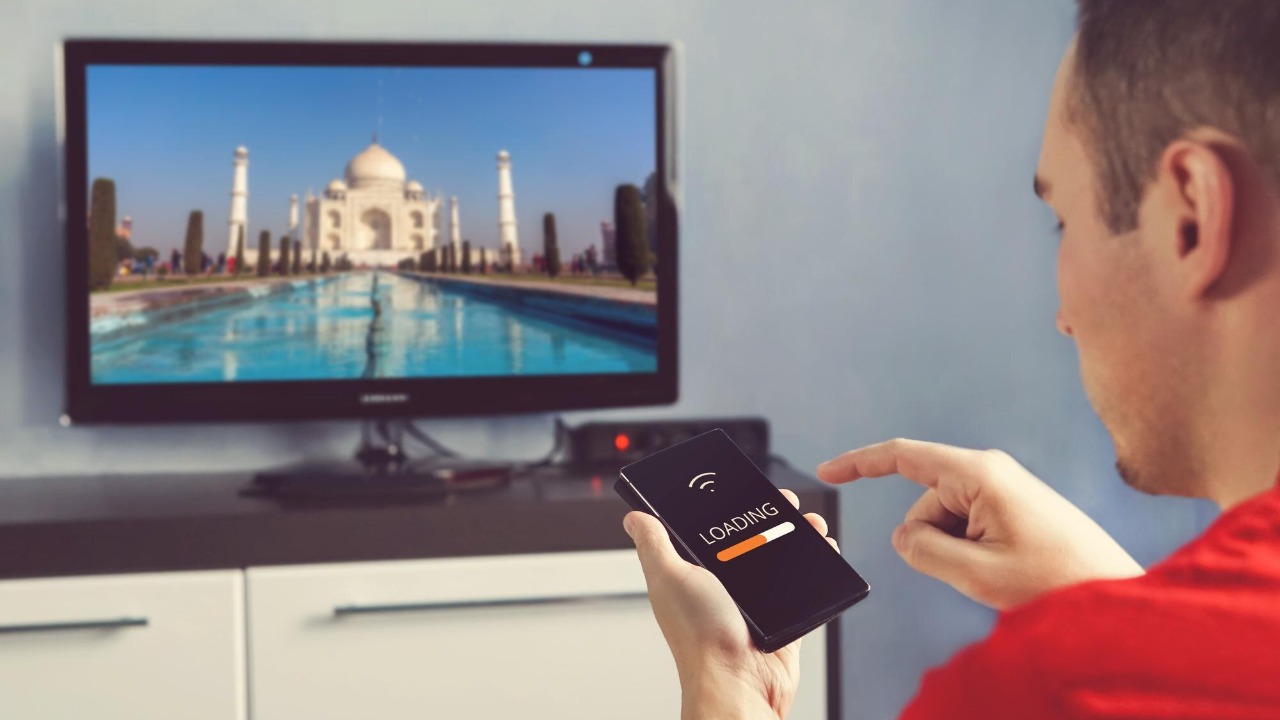
Using secure networks is another important step. Connecting smart TVs to a secure Wi-Fi network can help protect against unauthorized access. Consumers should also consider using strong, unique passwords for their devices and network to further enhance security.
Exploring Alternative Technologies
For those particularly concerned about privacy, exploring alternative technologies may be a viable option. Devices like digital photo frames offer a way to enjoy digital content without the privacy risks associated with internet connectivity. A review by The New York Times highlights some of the best options available, emphasizing the benefits of non-connected devices.
While these alternatives may lack some of the convenience and functionality of smart TVs, they offer a trade-off that some consumers may find worthwhile. Ultimately, the decision between convenience and privacy is a personal one, and consumers must weigh the benefits and risks of each option to make an informed choice.