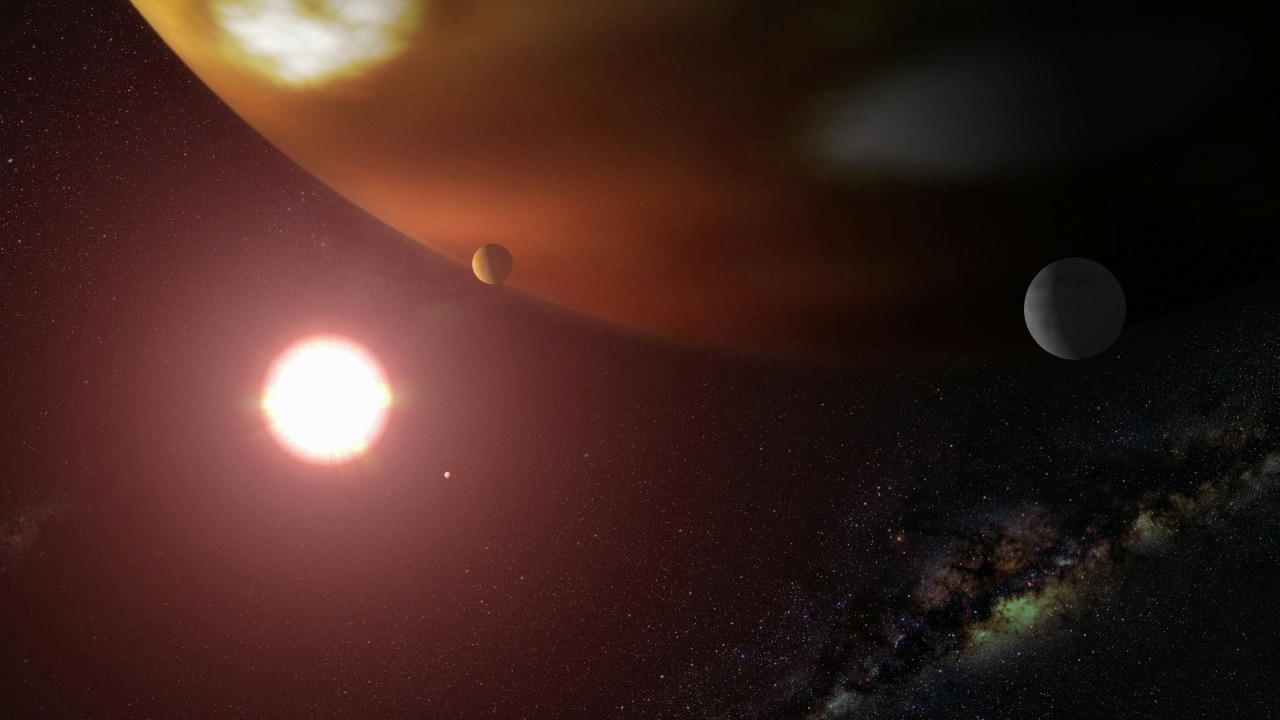

Astronomers have recently detected a mysterious sphere orbiting a distant star, capturing the attention of the scientific community. This discovery raises intriguing questions about its origin, composition, and potential implications for our understanding of the cosmos. The details surrounding this enigmatic find offer a glimpse into the complexities of celestial phenomena and the evolving nature of astronomical research.
The Discovery of the Unknown Sphere

The discovery of the unknown sphere was made possible through the use of advanced observation techniques, notably involving the James Webb Space Telescope (JWST) and the European Southern Observatory’s Very Large Telescope (VLT). These instruments have been pivotal in enhancing our ability to observe distant cosmic objects with unprecedented clarity. The JWST, in particular, has been instrumental in discovering exoplanets through direct imaging, a method that allows astronomers to capture images of planets outside our solar system by blocking out the overwhelming light of their parent stars.
Initial reactions from the scientific community have been a mix of excitement and curiosity. The sphere’s origin and nature remain subjects of speculation, with some researchers proposing that it could be a new type of celestial object or a previously unobserved phenomenon. Comparisons have been drawn with past discoveries of exoplanets and other cosmic phenomena, such as the recent detection of a new planet with potentially habitable conditions. These comparisons highlight the sphere’s unique characteristics and the potential it holds for expanding our understanding of the universe.
Analyzing the Sphere’s Properties
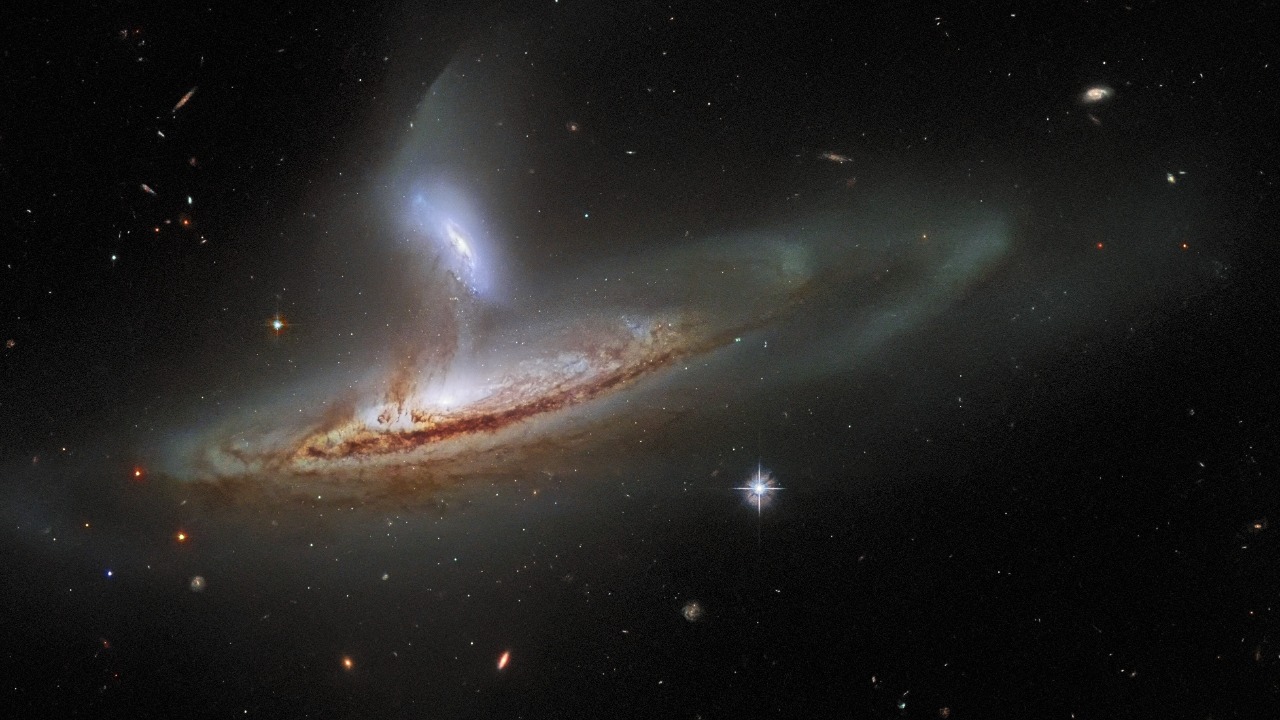
The sphere’s properties, including its size, location, and orbital characteristics, are currently under intense scrutiny. While precise measurements are still being refined, initial observations suggest that the sphere exhibits a near-perfect spherical shape, a feature that has puzzled astronomers. Its location, orbiting a distant star, adds another layer of complexity to the analysis. The sphere’s orbital path and speed are being closely monitored to gather more data on its behavior and interaction with its environment.
Speculation about the sphere’s composition and structure has led to various hypotheses. Some scientists suggest that it could be composed of materials similar to those found in known celestial objects, while others propose that it might consist of entirely new elements or compounds. The role of direct imaging, as employed by the JWST, is crucial in determining the sphere’s physical properties. This technique allows astronomers to capture detailed images that can reveal surface features and provide insights into its composition.
Potential Implications for Astronomy

The discovery of this unknown sphere challenges existing models of planetary formation and celestial mechanics. Traditional theories about how planets and other celestial bodies form may need to be reevaluated in light of this new evidence. The sphere’s unique characteristics could prompt a reexamination of the criteria used to define exoplanets and other cosmic entities. This, in turn, might lead to a broader understanding of what constitutes a habitable environment beyond Earth.
Furthermore, the sphere’s discovery has significant implications for future astronomical research and exploration missions. It highlights the need for continued investment in advanced observational technologies and international collaboration in space exploration. The sphere’s potential to redefine our understanding of the cosmos underscores the importance of remaining open to new possibilities and embracing the unknown in scientific inquiry.
Public and Scientific Reactions

The discovery has garnered widespread media coverage and public interest, reflecting the fascination and curiosity that such cosmic phenomena inspire. News outlets have reported on the sphere’s puzzling nature, with headlines emphasizing its perfect shape and unknown size. This coverage has sparked discussions about the potential implications of the find and the broader questions it raises about our place in the universe.
Leading astronomers and researchers involved in the study have shared their insights and perspectives on the discovery. Their statements emphasize the importance of continued exploration and the role of public engagement in advancing scientific understanding. By fostering a sense of wonder and curiosity, public interest can drive support for future research initiatives and inspire the next generation of scientists.
Future Research and Exploration
Looking ahead, upcoming missions and technological advancements are poised to further our understanding of the sphere and similar phenomena. Collaborative efforts between international space agencies and research institutions will be crucial in unraveling the mysteries surrounding this enigmatic object. These partnerships will enable the pooling of resources and expertise, facilitating more comprehensive studies and potentially leading to groundbreaking discoveries.
Long-term goals for understanding the sphere’s significance within the broader context of the universe include the development of new models and theories that can accommodate such unique findings. By integrating data from various sources and employing cutting-edge technologies, astronomers aim to piece together a more complete picture of the cosmos. As we continue to explore the unknown, the discovery of this mysterious sphere serves as a reminder of the vastness and complexity of the universe and the endless possibilities that await us in our quest for knowledge.