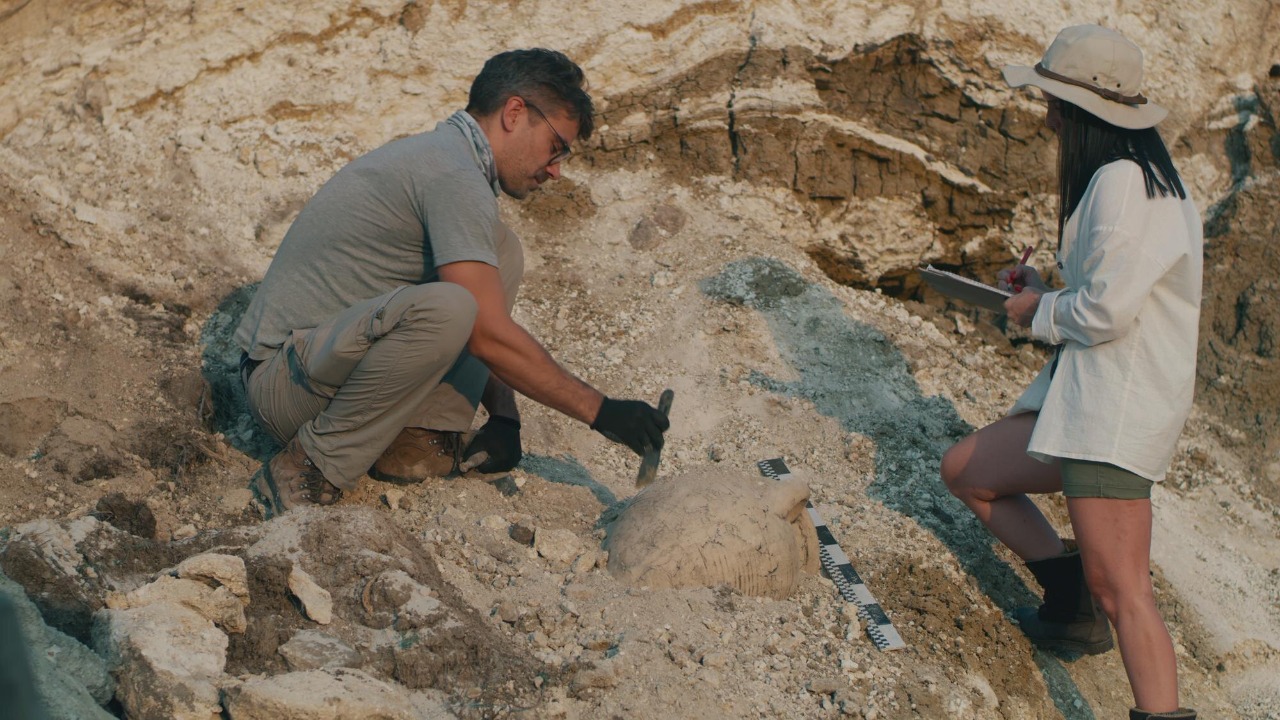

Recent archaeological discoveries have unveiled evidence of a once-thriving island empire that was previously unknown to modern historians. The findings have left archaeologists worldwide astounded, challenging existing theories about ancient civilizations and their interactions. This article delves into the groundbreaking discoveries and their implications for our understanding of history.
The Mysterious Discovery
Unearthing the Lost Empire
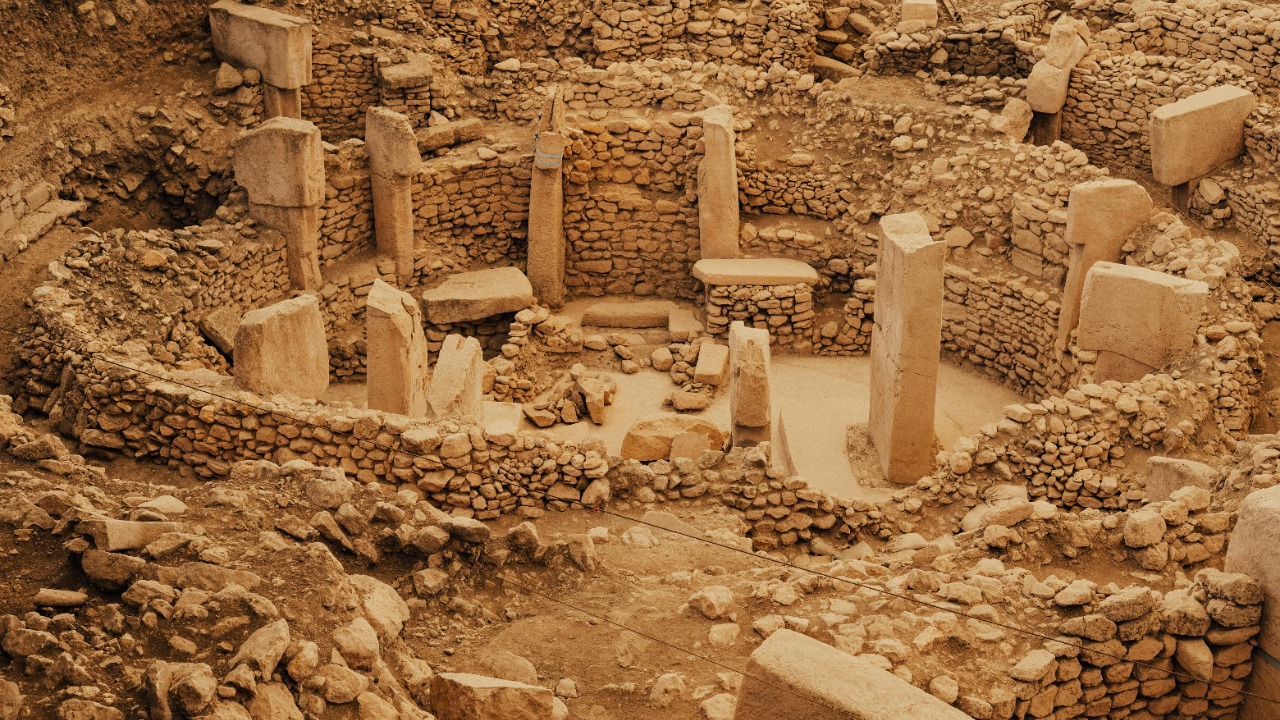
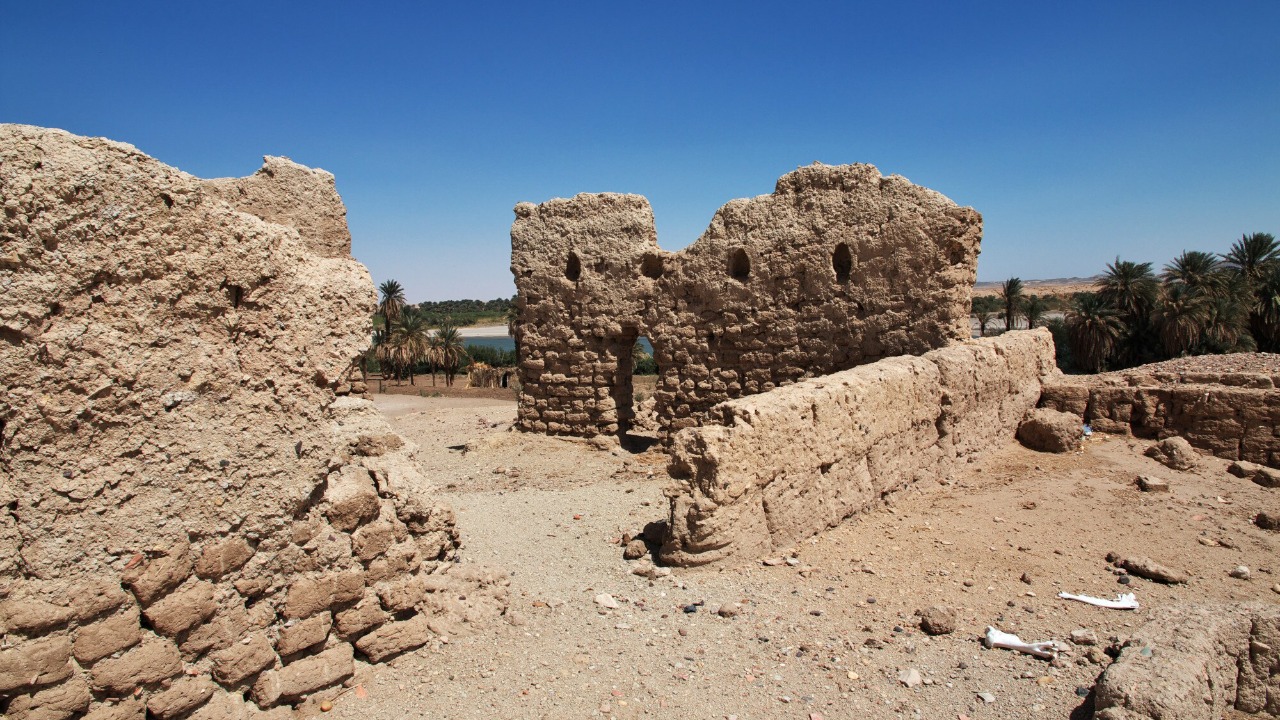
The initial discovery of this lost island empire came as a surprise to the archaeological community. Hidden beneath layers of sediment and time, the remnants of a sophisticated society were uncovered, revealing a complex network of structures and artifacts. These findings suggest the existence of a highly organized civilization with advanced architectural and engineering capabilities. The discovery included intricately designed buildings, roads, and a variety of artifacts that point to a rich cultural heritage.
Among the artifacts found were tools, pottery, and jewelry, each offering clues about the daily lives and social structures of the people who once inhabited the island. The architectural remains, including what appears to be a central administrative complex, indicate a society with a well-defined governance system. These findings are reminiscent of the recent discovery of a lost Roman city in Africa, where similar architectural sophistication was observed.
Revolutionary Archaeological Techniques
The excavation of this lost empire was made possible through the use of cutting-edge archaeological techniques. Advanced technologies such as ground-penetrating radar, 3D mapping, and drone surveys have allowed researchers to explore the site with unprecedented precision. These tools have not only facilitated the discovery of hidden structures but have also enabled archaeologists to reconstruct the layout of the ancient city.
These revolutionary methods have transformed archaeological research, allowing for more accurate and efficient excavations. The use of technology in archaeology is not new, but the integration of these advanced techniques has significantly enhanced the ability to uncover and analyze ancient sites. This approach mirrors the innovative methods used in the recent excavation of an ancient Korean palace toilet, where similar technologies were employed to reveal hidden aspects of historical sites.
Historical Context and Significance
Comparison to Known Empires
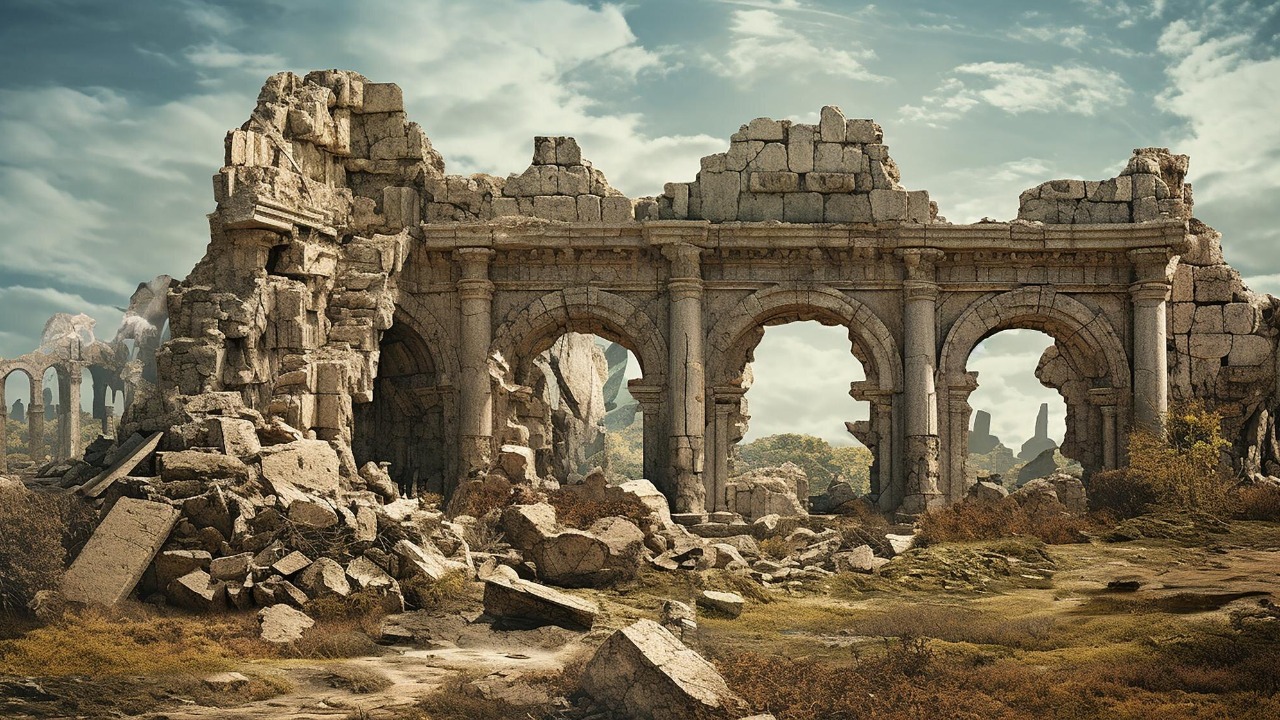
The discovery of this island empire invites comparisons to other well-known ancient civilizations. While the architectural style and artifacts bear some resemblance to those of the Roman and Greek empires, there are distinct differences that set this civilization apart. The unique blend of artistic styles and construction techniques suggests that this empire may have developed independently, yet it also shows signs of interaction with neighboring cultures.
Analysis of the artifacts indicates potential trade links with other regions, suggesting that this island empire was part of a broader network of cultural and economic exchanges. This discovery challenges the traditional understanding of ancient trade routes and cultural interactions, offering new insights into how civilizations influenced one another. The potential influence of this empire on surrounding regions could reshape our understanding of historical narratives and the development of ancient societies.
Impact on Historical Narratives
The implications of this discovery extend beyond the immediate archaeological findings. The existence of a previously unknown empire challenges existing historical accounts and compels historians to reconsider the complexity of ancient civilizations. This newfound knowledge may lead to revisions in historical narratives, particularly concerning the interactions between different cultures and the extent of ancient trade networks.
Understanding the role of this island empire in historical contexts could provide valuable insights into the dynamics of ancient societies. The discovery highlights the importance of revisiting established historical accounts and considering new evidence that may alter our perception of the past. As more information emerges, historians and archaeologists will need to collaborate to integrate these findings into a coherent understanding of ancient history.
The People and Culture of the Lost Empire
Social Structure and Governance
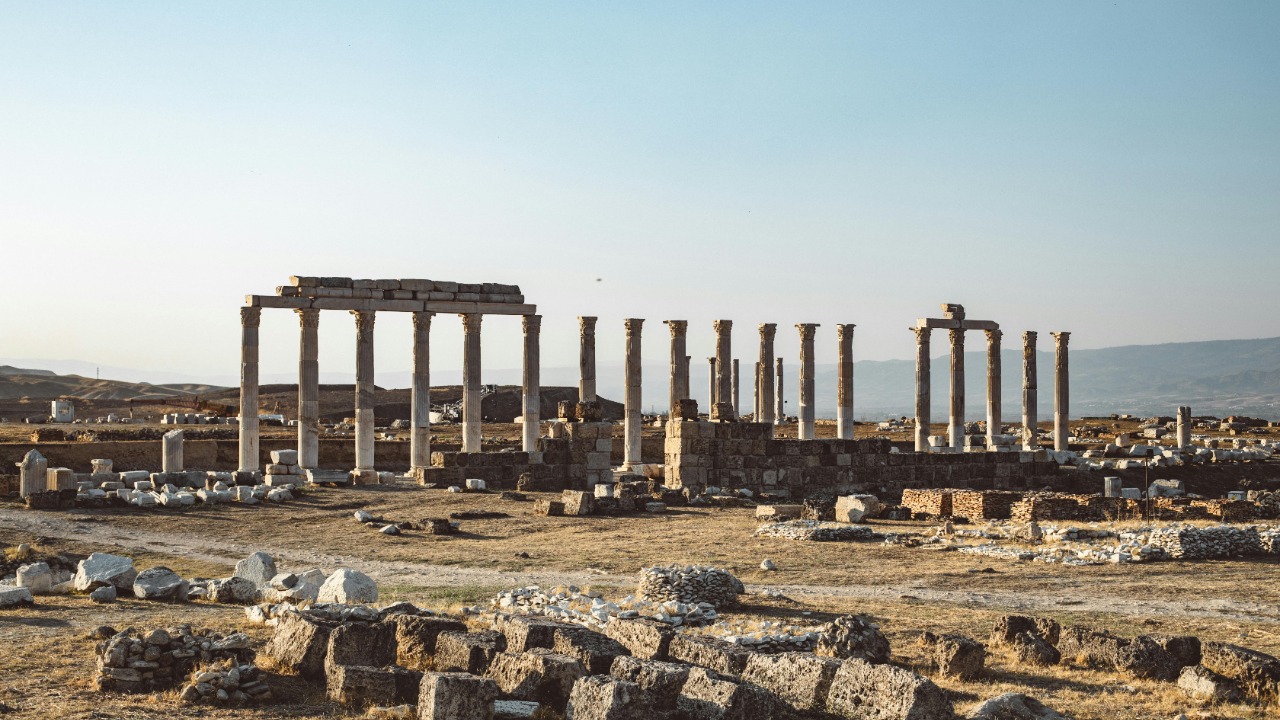
The artifacts and structures uncovered at the site offer valuable insights into the social and political systems of the lost empire. Evidence suggests a hierarchical society with a centralized form of governance. The presence of administrative buildings and ceremonial sites indicates a well-organized leadership structure, possibly led by a ruling elite or monarchy.
The social structure appears to have been complex, with distinct roles and responsibilities for different members of society. This organization is reflected in the variety of artifacts found, which include tools and items associated with various trades and professions. The governance model of this empire may have been similar to those of other ancient civilizations, yet it also exhibits unique characteristics that warrant further study.
Cultural Practices and Artifacts
The cultural and religious artifacts uncovered at the site provide a glimpse into the values and beliefs of the people who lived in this empire. The artistic styles observed in pottery, sculptures, and jewelry reflect a society with a rich cultural heritage and a deep appreciation for art and craftsmanship.
Religious artifacts suggest the presence of spiritual practices and rituals, possibly involving deities or ancestral worship. The diversity of the artifacts indicates a society that valued cultural expression and had a complex belief system. These findings contribute to a broader understanding of the cultural practices of ancient civilizations and their influence on contemporary societies.
Theories and Speculations
Possible Causes of Disappearance
The sudden disappearance of this island empire remains a mystery, prompting various theories and speculations. Some researchers suggest that natural disasters, such as earthquakes or tsunamis, may have played a role in the decline of the civilization. Others propose that invasions or internal conflicts could have led to its downfall.
While the exact cause of the empire’s disappearance is still unknown, ongoing research aims to uncover more evidence that could shed light on this historical enigma. Understanding the factors that contributed to the decline of this civilization could provide valuable lessons for modern societies facing similar challenges.
New Horizons for Archaeological Research
The discovery of this lost empire opens new horizons for archaeological research, inspiring further exploration in the region and beyond. The potential for additional discoveries in the area is significant, as researchers continue to investigate the extent of the civilization and its interactions with neighboring cultures.
This newfound interest in the region may lead to increased funding and resources for archaeological projects, enabling researchers to uncover more about the history and development of ancient societies. The findings from this site could also inspire similar explorations in other parts of the world, contributing to a deeper understanding of human history and cultural evolution.
Implications for Modern Understanding

Revising Textbooks and Curricula
The discovery of this lost empire necessitates a revision of educational materials to incorporate the newfound knowledge. Textbooks and curricula will need to be updated to reflect the latest archaeological findings and their implications for our understanding of ancient civilizations.
This process of revision will not only enhance academic discourse but also provide students with a more comprehensive understanding of history. By integrating these discoveries into educational frameworks, educators can foster a deeper appreciation for the complexity and diversity of ancient societies.
Global Reactions and Interest
The international response to the discovery has been overwhelmingly positive, with both the scientific community and the public expressing keen interest in the findings. The revelation of a lost empire has sparked renewed enthusiasm for archaeology and the study of ancient civilizations.
This heightened interest is likely to lead to increased support for archaeological research and exploration, as well as a greater appreciation for the importance of preserving historical sites. As more information about the lost empire becomes available, it will continue to captivate audiences worldwide and contribute to a richer understanding of our shared human heritage.